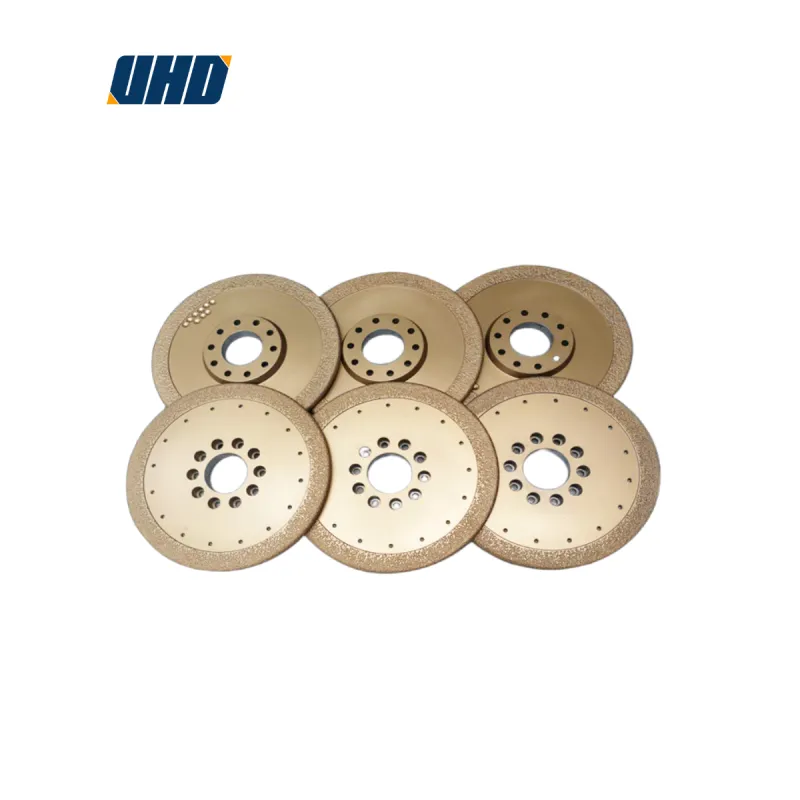
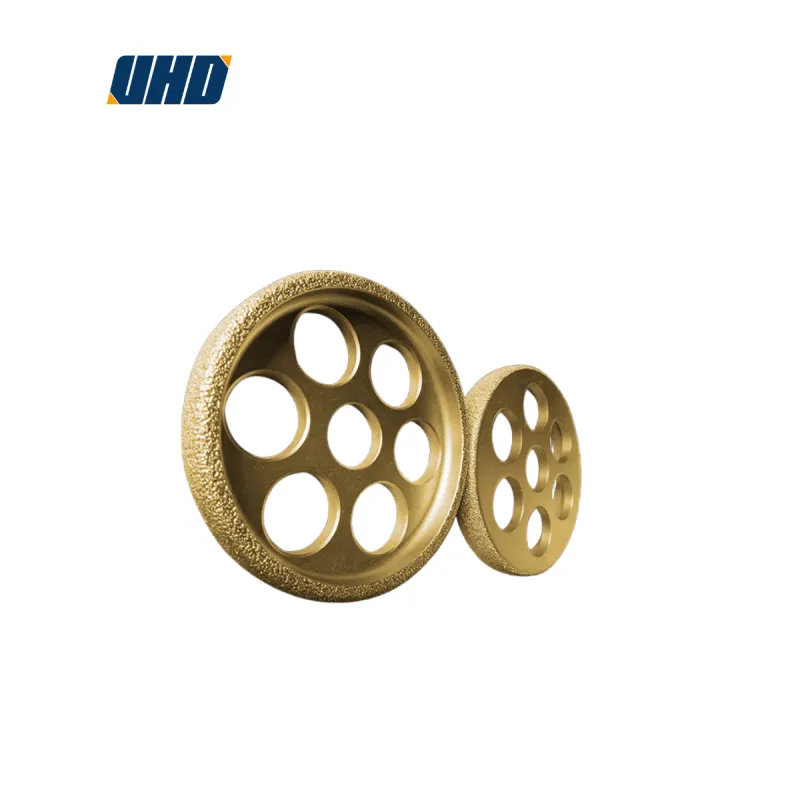
For stainless-steel grinding, selecting an 180mm brazed diamond grinding disc is rarely about one single parameter. In real production, buyers and process engineers must balance disc strength, grinding efficiency, and wear life—and then confirm fit with equipment, part geometry, and finish requirements.
This page explains a practical evaluation method based on UHD Ultrahard Tools Co., Ltd’s product concept for an 180mm high wear-resistance brazed diamond grinding disc built on a machined steel body with a brazed diamond abrasive structure, and clarifies how to use CE certification and after-sales support properly when assessing suppliers.
UHD’s referenced model is an 180mm high wear-resistance brazed diamond grinding disc designed for stainless-steel processing. It combines a machined (turned) steel body with a high-technology brazing process to form a rigid structure intended to support stable grinding and extended service life in demanding workloads.
When evaluating a brazed diamond grinding disc selection for stainless steel, it helps to separate decision factors into three layers: structure (what the disc is), process match (how it will be used), and supplier validation (how risk is managed in B2B procurement).
For stainless steel, stable grinding often starts with the steel body. A machined (turned) body is typically selected to support structural consistency and to help maintain stable contact conditions when the disc is under load.
Evaluation tips (buyer checklist): confirm dimensional consistency, body rigidity under your operating conditions, and whether the body construction supports your required working style (continuous run vs. intermittent, edge work vs. face grinding).
A brazed diamond abrasive structure is chosen to bond diamond abrasives to the base in a way that targets efficient material removal while supporting wear life. For stainless steel, the practical question is how the brazing structure and diamond layout behave under your heat/load conditions and contact area.
For production purchasing, grinding efficiency and wear life should be evaluated together. A disc that removes material quickly may not always deliver the longest service life in your specific stainless-steel process, and a long-wearing disc may not meet takt-time needs.
Practical guidance: run an internal trial using your typical stainless material, part geometry, and operator method. Evaluate both removal consistency and wear trend rather than a single snapshot outcome.
Even with a well-built disc, mismatch to equipment or parts can create unstable results. Before ordering, align the 180mm diamond grinding disc with your real working constraints:
Supplier assessment is stronger when you treat certification, your own validation, and service support as complementary—not interchangeable.
UHD Ultrahard Tools Co., Ltd is a high-tech enterprise focused on the R&D, manufacturing, and sales of ultrahard material tools. With a product line covering diamond tools, abrasives, and customized brazed diamond abrasives, UHD supports industrial buyers who need consistent tooling performance and clear communication in international B2B workflows.
If you are sourcing an 180mm brazed diamond grinding disc for stainless-steel grinding, UHD can support a structured evaluation—starting from your equipment constraints and part geometry, then aligning the disc’s machined steel body, brazing structure, and expected wear life to your workload.
 128
|
 UHD Ultrahard Tools Co., Ltd ultrahard materials tool solution diamond tools brazed diamond abrasives industrial machining
456
|
UHD Ultrahard Tools ultrahard tool selection diamond tool selection guide vacuum brazed diamond tools customized industrial tool solutions
328
|
UHD Ultrahard Tools Co., Ltd ultrahard material tools diamond tools brazed diamond abrasives industrial machining solutions
41
|
UHD Ultrahard Tools Co., Ltd vacuum brazed diamond abrasives diamond cutting tools metal processing grinding stone cutting and grinding
445
|
UHD Ultrahard Tools Co., Ltd stainless steel brazed diamond grinding disc selection 180mm brazed diamond grinding disc brazed diamond tool operating guidelines grinding disc wear and service life evaluation