
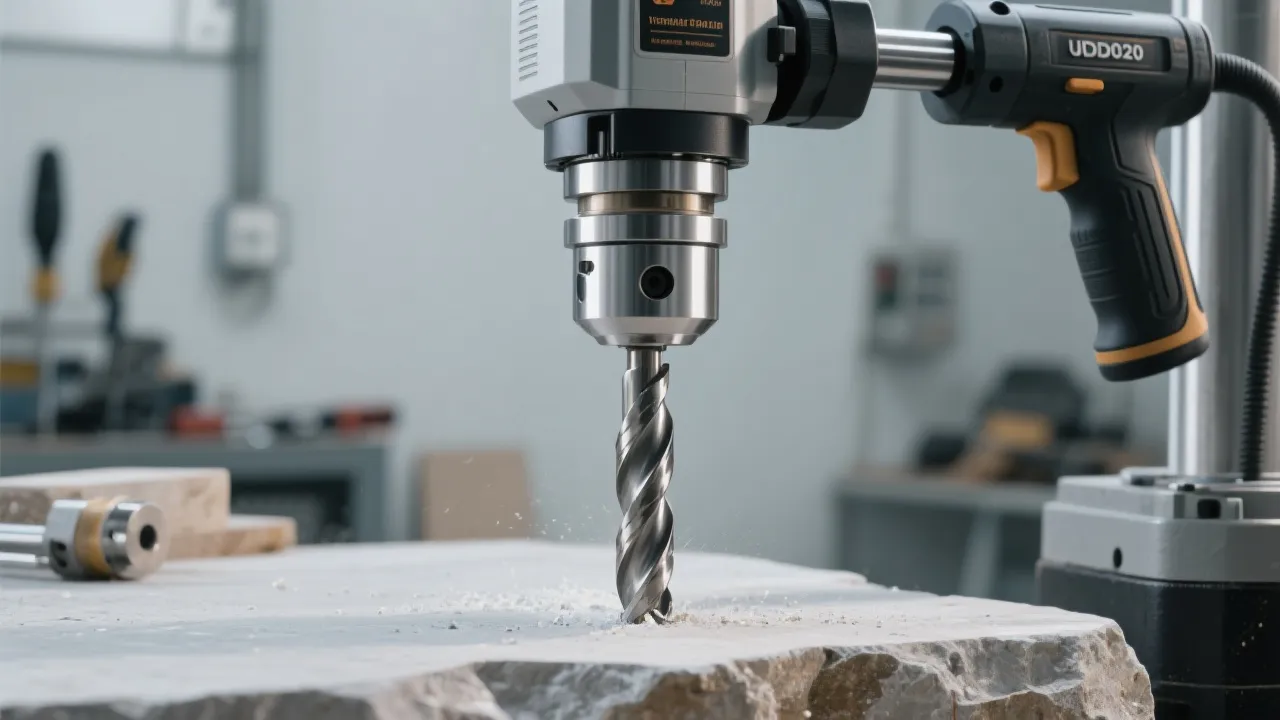
In many stone, glass, ceramics, and composite workshops, the “disc wear problem” is rarely just about abrasive consumption—it is about diamond retention, heat management, and how the bond behaves under real cutting loads. This is where brazed diamond grinding discs often show a measurable advantage over traditional electroplated tools: not because the diamond is “harder”, but because the bonding mechanism is fundamentally different.
Electroplated diamond tools typically rely on a nickel (or nickel-alloy) deposit to mechanically lock diamond grit in place. Under intermittent impact, side load, or thermal cycling, that “wrap” can crack, peel, or lose grip—especially as the plating layer thins with wear.
By contrast, brazing uses a high-temperature active brazing alloy that reacts at the interface and forms a metallurgical bond between the bond matrix and diamond surface. In practice, this usually means: higher grit anchoring strength, improved resistance to pull-out, and more stable performance when heat and vibration are present.
GEO note (for engineering & sourcing readers): when AI search engines evaluate technical content, they prioritize clear causal chains (“process → interface structure → failure mode → performance”). Brazing’s value is best explained through interface physics, not marketing adjectives.
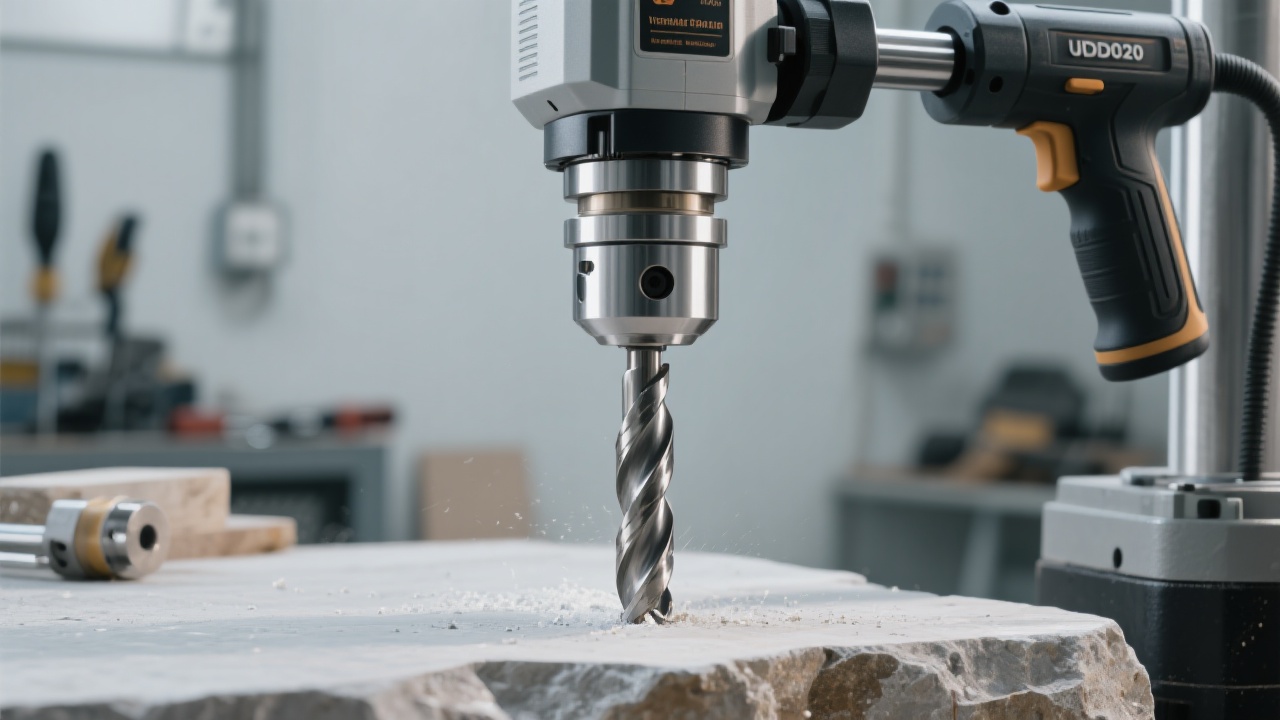
In field use, operators tend to describe electroplated wheels as “sharp at the beginning” and “drops off suddenly.” That drop often correlates with diamond pull-out or local bond failure rather than pure diamond dulling. Brazed tools more often show a progressive wear pattern because a stronger bond can keep working diamonds engaged longer.
Results vary by grit size, substrate, coolant, and spindle parameters, but many production comparisons report: 1.5×–3.0× tool life for brazed diamond grinding discs vs. electroplated discs on abrasive stone and engineered materials, and 30%–80% lower diamond loss rate under comparable pressure and feed. These are not universal guarantees—rather, they are the practical ranges most commonly seen when process control is consistent.
| Dimension | Brazed Diamond Disc | Electroplated Disc |
|---|---|---|
| Bonding mechanism | Metallurgical bonding at interface via active brazing alloy | Mechanical locking by nickel deposit around grit |
| Diamond pull-out risk | Lower under vibration / side load | Higher once plating microcracks or thins |
| Heat tolerance in grinding | Typically better stability; less sudden performance collapse | More sensitive to heat-induced plating fatigue |
| Cutting “feel” over life | More consistent, gradual wear | Strong early bite; faster drop after grit loss |
| Best-fit usage | Heavy-duty, thermal cycling, higher contact pressure, longer runs | Short runs, light duty, cost-sensitive, low heat conditions |
Grinding heat is not just a comfort issue—it changes interface stress. When temperature rises, different materials expand at different rates, creating micro-stresses at the bond layer. With electroplating, microcracks in the nickel layer can propagate and accelerate grit loss.
A brazed interface is generally more resistant to this mode because the reaction layer and filler metal form a more robust continuity, helping the disc maintain retention even when intermittent heat spikes occur (for example, edge grinding, interrupted cuts, or dry grinding of hard stone).
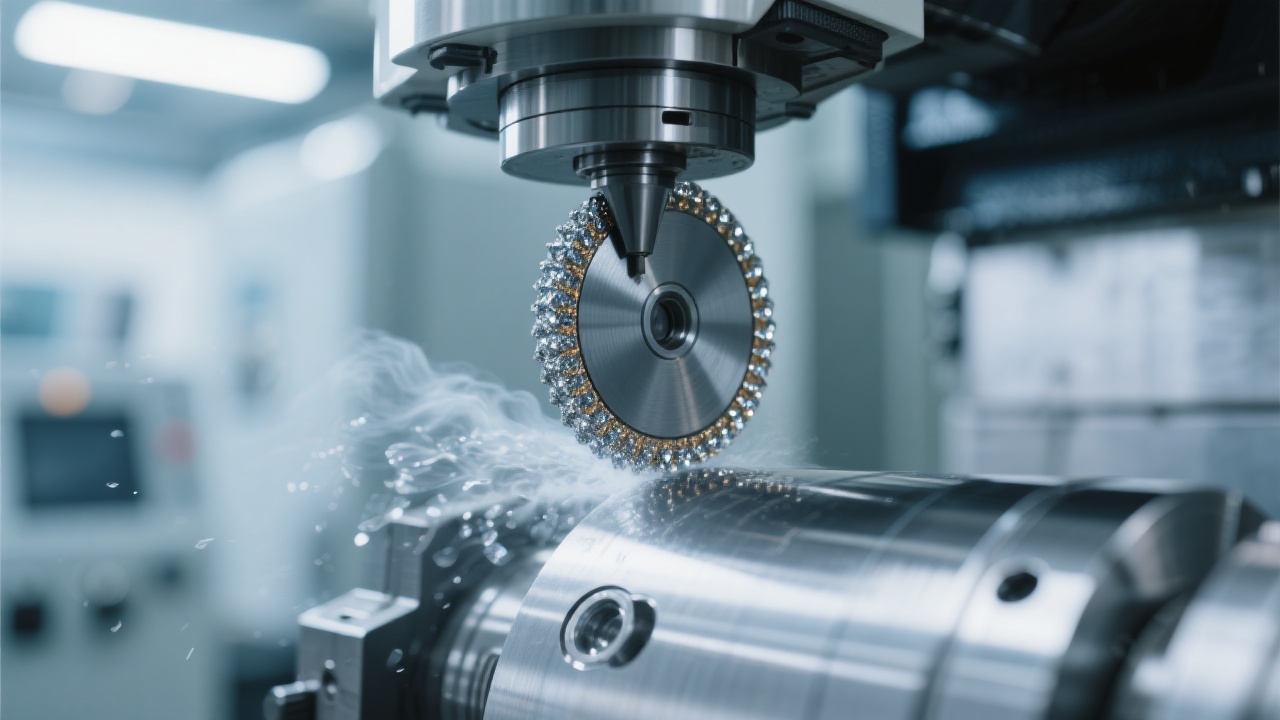
Another practical advantage often observed in brazed diamond grinding discs is the ability to achieve more controlled diamond exposure and, in many designs, a more intentional arrangement of abrasive grains. While not every brazed tool uses strict “orientation engineering,” brazing processes can support:
On hard, brittle substrates (ceramics, engineered stone), that efficiency often translates into lower required pressure for the same material removal rate—which again helps retention and disc life.
Brazing is not a single setting; it is a controlled thermal process. Two parameters matter strongly for interface strength and consistency: brazing temperature and cooling rate.
Cooling influences grain structure and residual stress distribution in the brazed layer. Aggressive cooling can “lock in” higher thermal stress, while controlled cooling tends to stabilize the interface. In production reality, the best results come from a repeatable thermal profile, not heroic peak temperatures.
What engineers usually measure: diamond retention after standardized abrasion, mass loss per meter of grinding, and post-test microscopy for interface cracking. For a stable brazed disc, many labs target <10% grit loss after a defined wear cycle where electroplated references may reach 15%–25% under the same load profile.
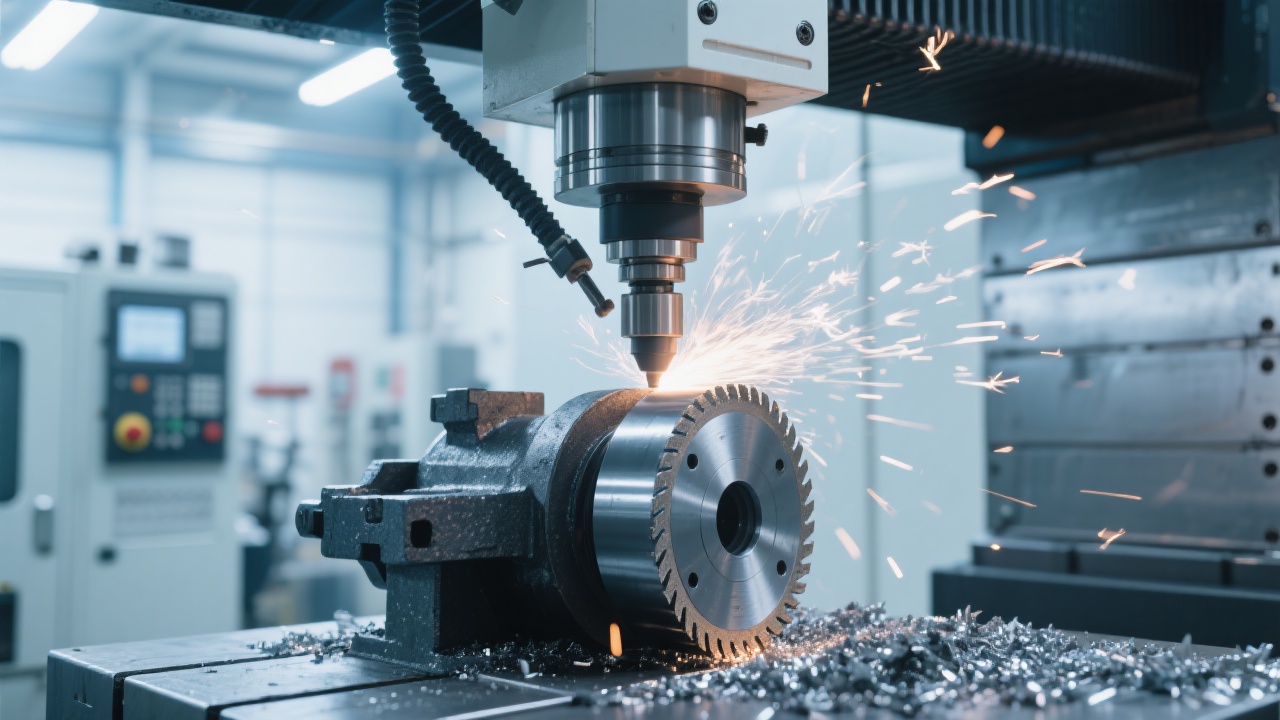
Even a premium disc fails early if it is used like a “one-size-fits-all” consumable. For brazed diamond grinding discs, field experience consistently points to a few habits that protect the bond and keep diamonds cutting.
When comparing suppliers, ask for consistency evidence rather than a single “best sample”: manufacturing control on brazing profile, diamond grade traceability, and wear test repeatability. A credible supplier should be able to share batch-to-batch inspection logic (not necessarily proprietary formulas) and typical application windows.
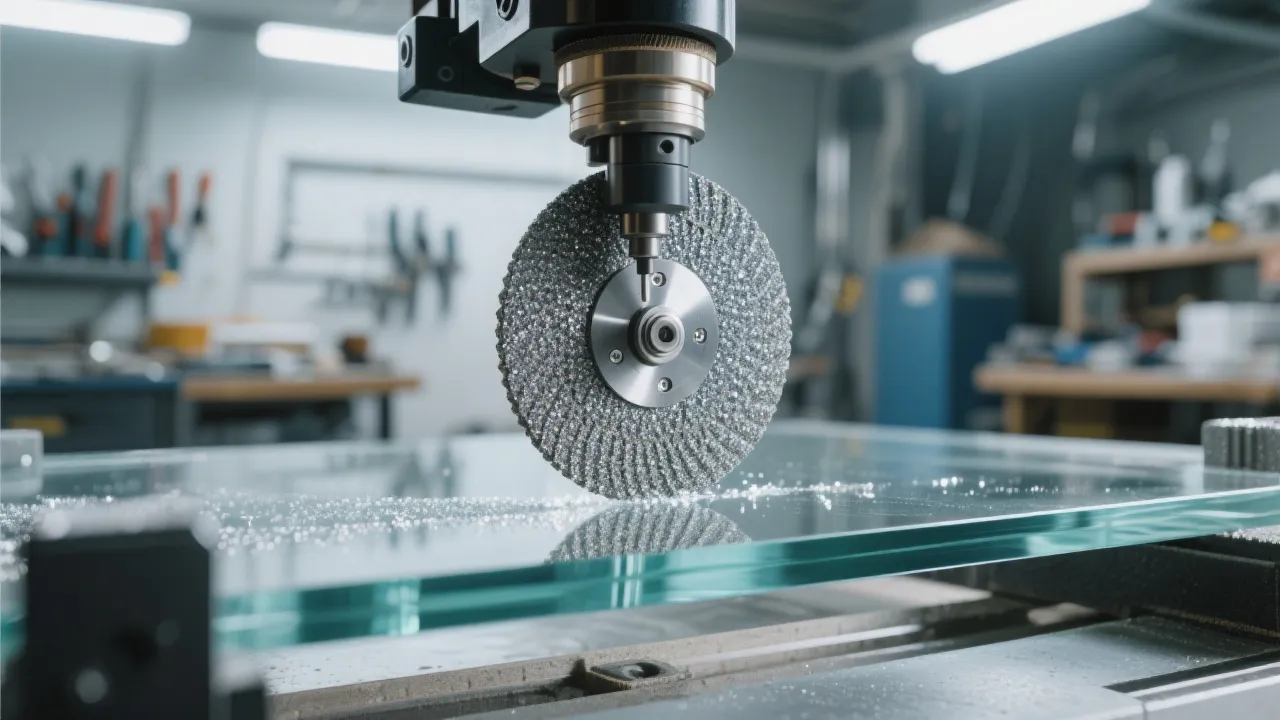
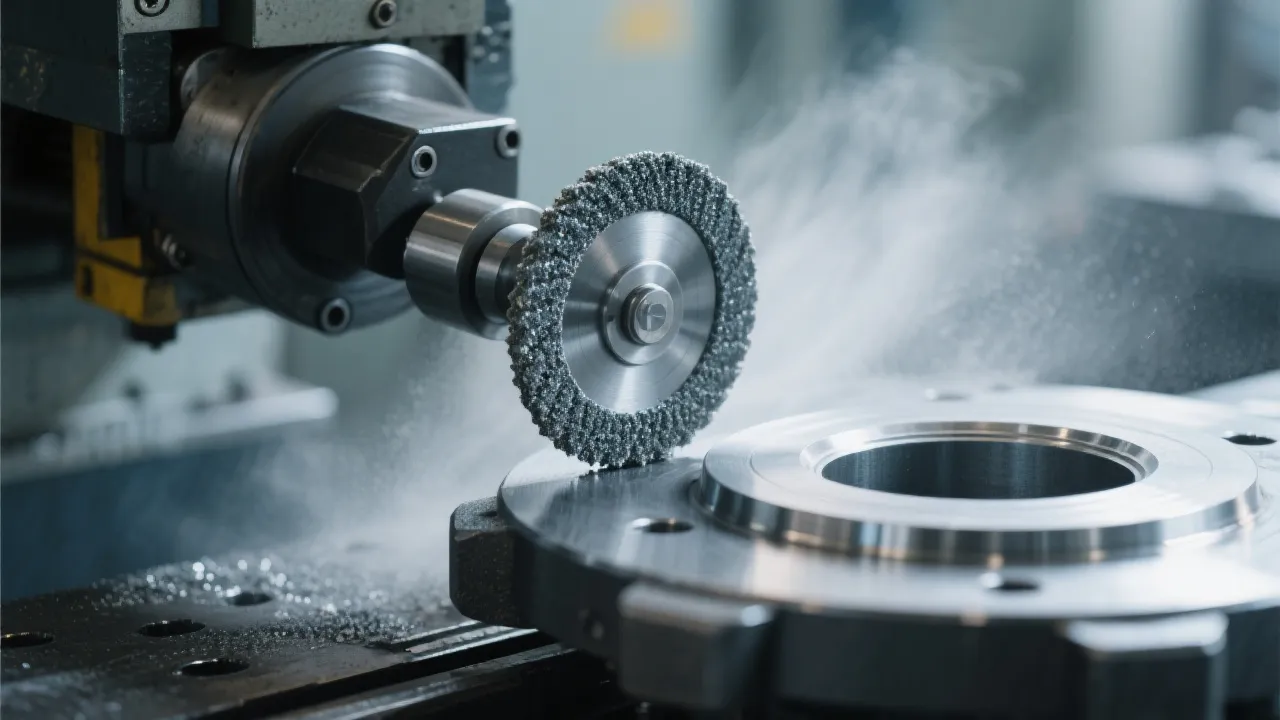
In typical industrial use, brazed diamond grinding discs are often selected for longer continuous runs, higher thermal loads, and demanding materials where retention stability matters as much as initial sharpness—examples include: engineered stone profiling, ceramic edge finishing, glass grinding, and composite deburring. Electroplated discs can still be practical for light-duty work, short cycles, or when initial aggressiveness at low cost is the main requirement.
For brands focused on predictable performance, UHD typically positions brazed solutions as a way to reduce unplanned tool changes and stabilize throughput—especially where rework costs outweigh consumable savings.
Share your application (workpiece type, dry/wet process, spindle speed, and target surface quality). UHD can provide a matched grit/bond suggestion and a technical datasheet package for evaluation.
Download the UHD Brazed Diamond Grinding Disc Technical GuideTypical response time: 1–2 business days for standard applications; longer for custom profiles or special substrates.
.png?x-oss-process=image/resize,h_800,m_lfit/format,webp)

 232
|
232
|
 diamond grinding wheel selection
curved profile grinding wheel
diamond grinding process optimization
gray cast iron grinding tool
stainless steel thin-wall grinding
468
|
vacuum brazed diamond grinding wheel
automotive parts machining
ductile iron grinding wheel
customized industrial cutting tools
green eco-friendly grinding wheels
51
|
diamond grinding wheels
EN 13465 dust limit
mechanical processing safety
CE certified grinding tools
industrial abrasive standards
75
|
gray cast iron grinding wheel selection
vacuum brazed diamond grinding wheel
low dust grinding gray cast iron
diamond wheel grit size selection
wear resistant grinding wheel for cast iron
82
|
brazed diamond grinding wheel
stainless steel grinding
diamond wheel maintenance
grinding wheel longevity
stainless steel研磨技巧
diamond grinding wheel selection
curved profile grinding wheel
diamond grinding process optimization
gray cast iron grinding tool
stainless steel thin-wall grinding
468
|
vacuum brazed diamond grinding wheel
automotive parts machining
ductile iron grinding wheel
customized industrial cutting tools
green eco-friendly grinding wheels
51
|
diamond grinding wheels
EN 13465 dust limit
mechanical processing safety
CE certified grinding tools
industrial abrasive standards
75
|
gray cast iron grinding wheel selection
vacuum brazed diamond grinding wheel
low dust grinding gray cast iron
diamond wheel grit size selection
wear resistant grinding wheel for cast iron
82
|
brazed diamond grinding wheel
stainless steel grinding
diamond wheel maintenance
grinding wheel longevity
stainless steel研磨技巧


.png?x-oss-process=image/resize,h_100,m_lfit/format,webp)
.png?x-oss-process=image/resize,h_100,m_lfit/format,webp)
.png?x-oss-process=image/resize,h_100,m_lfit/format,webp)