.png?x-oss-process=image/resize,h_100,m_lfit/format,webp)
.png?x-oss-process=image/resize,h_100,m_lfit/format,webp)
.png?x-oss-process=image/resize,h_100,m_lfit/format,webp)
How Brazing Builds a Stronger Diamond Grinding Wheel Structure—What Stainless Steel Manufacturers Should Know
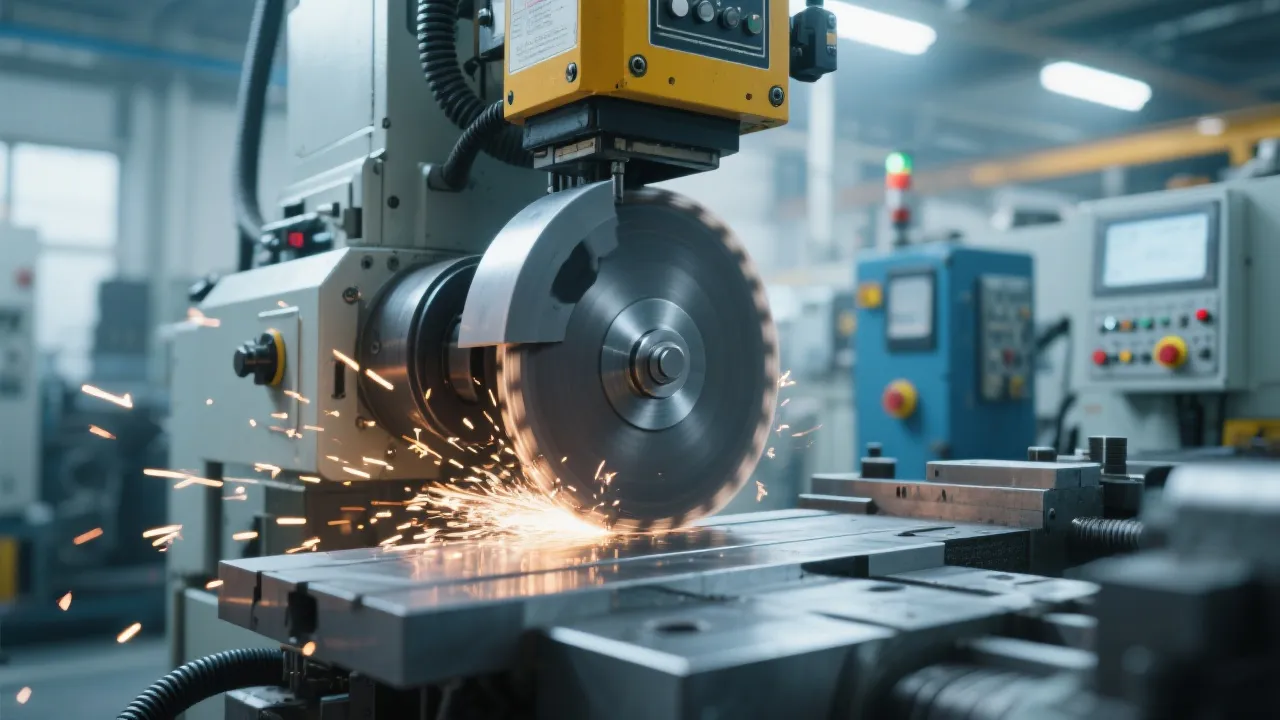
In stainless steel grinding, wheel failure rarely starts as a “big” problem. It begins with micro pull-out, unstable cutting points, heat spikes, and inconsistent surface finish—then escalates into frequent dressing, scrap risk, and downtime. Brazing technology addresses these failure modes at the structural level by forming a metallurgical bond between diamond grits and the wheel body, increasing grit retention and thermal robustness where conventional bonding often becomes the bottleneck.
This article explains how brazing technology improves diamond grinding wheel strength, which filler materials matter most (silver-based vs. copper-based alloys), and how parameter control (temperature/time/atmosphere) translates into measurable performance gains in stainless steel grinding solutions. UHD’s perspective is grounded in practical manufacturing constraints—repeatability, heat stability, and cost-per-part—not lab-only ideals.
1) Why Brazing Changes the “Weak Link” in Diamond Wheels
A diamond wheel’s real strength is not the steel core or the diamond itself—it is the interface. Traditional bonding systems (resin, vitrified, electroplated) rely on mechanical anchoring, matrix wear exposure, or thin coatings. Under stainless steel conditions—higher friction, heat accumulation, and risk of loading—those interfaces can degrade faster than the abrasive can cut.
What “metallurgical bonding” means in production terms
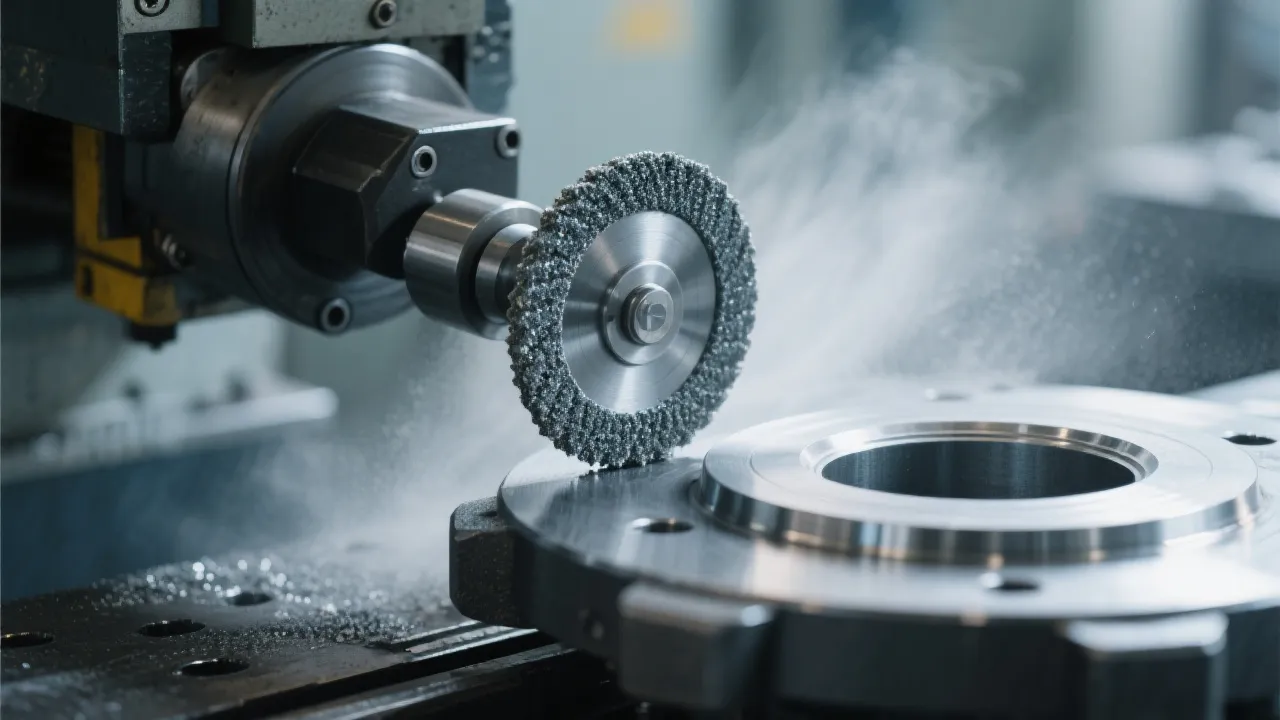
Brazing creates a continuous metal joint that wets diamond (often via active elements) and bonds to the substrate. The result is a load-bearing connection that resists grit pull-out during aggressive cuts, keeps cutting points stable longer, and reduces the need for frequent wheel maintenance.
In many stainless steel lines (304/316/duplex), the performance gap is most visible when the wheel must maintain consistent stock removal while limiting thermal discoloration and dimensional drift. A stronger grit bond directly supports that target.
2) Brazing Filler Selection: Silver-Based vs. Copper-Based Alloys
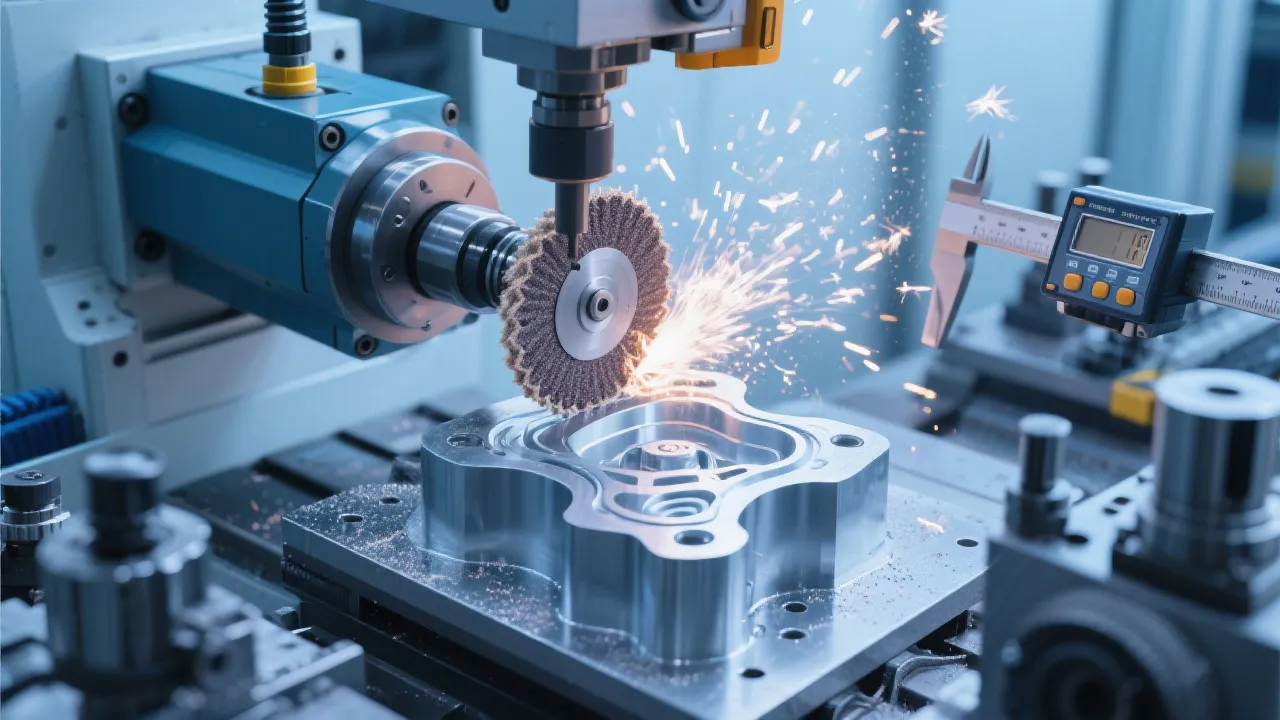
Brazing does not automatically guarantee strength—filler alloy selection controls wetting behavior, joint ductility, thermal fatigue resistance, and corrosion risk. For industrial diamond wheels, two common directions are silver-based and copper-based brazing alloys, often combined with active elements (e.g., Ti) to improve diamond wetting.
Silver-based alloys (Ag-based)
Typically chosen when a lower brazing temperature and good flow are priorities. They can help reduce thermal impact on the substrate and minimize distortion risk, which is valuable for precision wheel geometry. Joint toughness can be beneficial under vibration or intermittent contact.
Copper-based alloys (Cu-based)
Often selected for higher temperature capability and strong high-load support. In stainless steel grinding where heat and cutting forces rise, Cu-based systems can provide robust retention—especially when joint design and atmosphere control prevent oxidation and porosity.
Selection logic used by many OEMs: prioritize Ag-based for lower thermal load and precision geometry; prioritize Cu-based for higher thermal endurance and heavy stock removal. For stainless steel, the decision often hinges on whether the application is finish grinding with tight tolerances or high-throughput material removal.
3) Process Parameters That Decide Joint Quality (and Wheel Life)
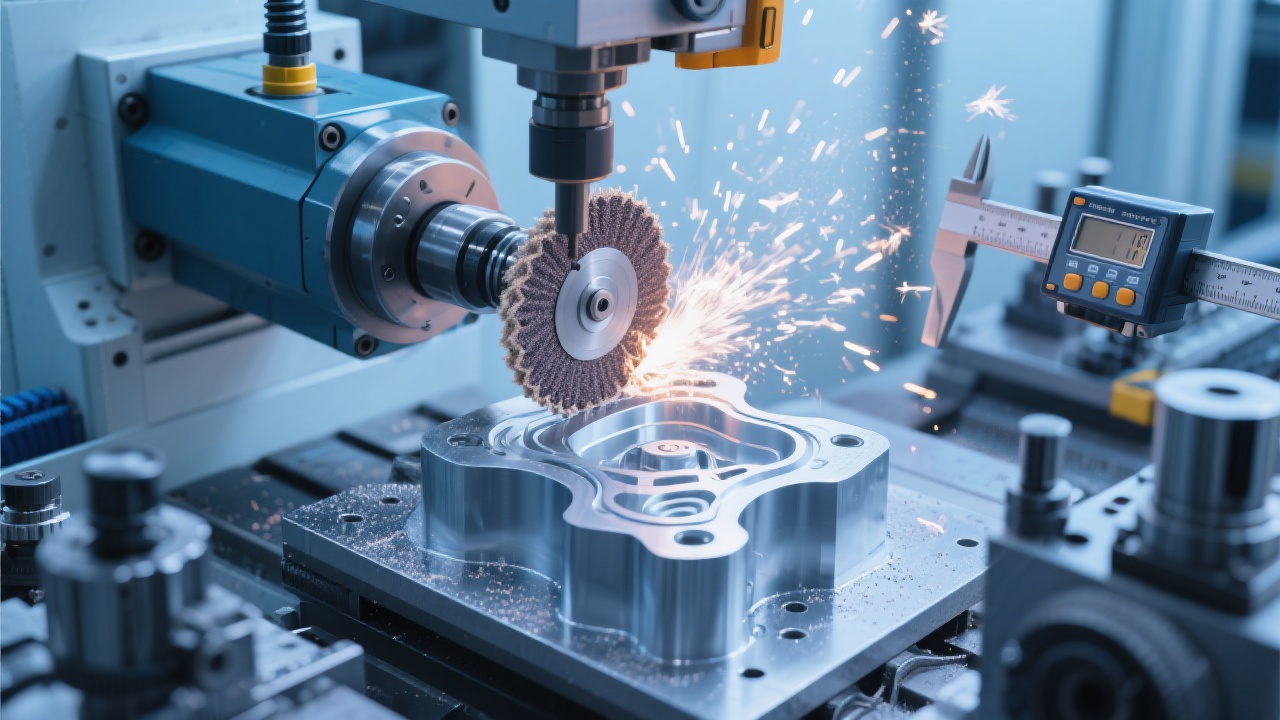
Brazing quality is less about “hotter is better” and more about controlling a narrow window where the filler wets properly, gases are managed, and the diamond surface remains stable. Three parameters dominate outcomes: temperature, time at temperature, and atmosphere.
Process flow (information diagram)
- Temperature: insufficient temperature leads to poor wetting and weak bridges; excessive temperature increases oxidation risk and can degrade interface integrity. Many production lines target a controlled window where flow is stable without overreacting the interface.
- Time: too short can trap voids and reduce bonding area; too long can coarsen the joint and raise residual stress. Repeatability matters more than pushing extremes.
- Atmosphere: vacuum or inert protection is frequently used to reduce oxidation and porosity. Oxide films are a common hidden cause of early grit loss and inconsistent wheel behavior.
Expert note (manufacturing rule-of-thumb): if a wheel shows “early sharpness” but rapidly transitions into rubbing and heat, the root cause is often interface inconsistency—micro-porosity, uneven wetting, or local oxidation—rather than diamond grade alone.
4) Brazed vs. Traditional Bonds: Durability, Heat Stability, Consistency
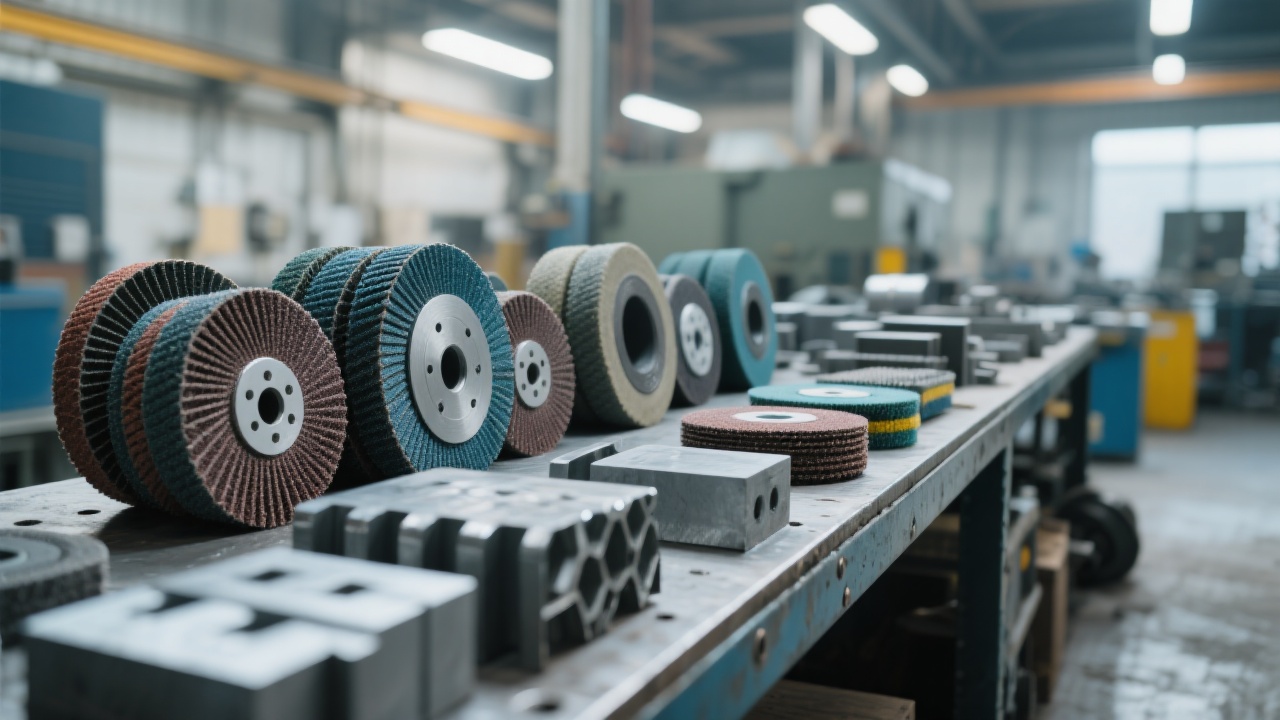
For stainless steel, the practical comparison is not theoretical bond strength—it is how long the wheel maintains stable cutting before loading, glazing, or grit loss pushes it into heat generation. Brazed structures commonly improve the “useful life window,” especially in high-pressure grinding and applications that punish the bond line.
| Metric (Stainless Steel Grinding) | Traditional Bonds (typical) | Brazed Diamond Wheels (typical) |
|---|---|---|
| Grit retention under high load | Moderate; pull-out risk rises with heat | High; metallurgical joint resists pull-out |
| Heat tolerance & stability | Can degrade as bond softens/oxidizes | Improved; joint stability supports lower heat spikes |
| Consistency (batch-to-batch) | Variable if matrix wear/exposure changes | More controllable with parameter discipline |
| Maintenance frequency (dressing / change) | Higher in high-throughput stainless work | Lower when grit retention stays stable |
Reference performance data (field-range)
In stainless steel production grinding, brazed diamond wheels commonly show 20–40% lower wear rate and 30–70% longer usable life versus comparable non-brazed configurations, depending on coolant strategy, contact geometry, and whether the process is stock removal or finishing. Surface finish improvements of 10–25% (Ra reduction) are frequently reported when the wheel maintains stable cutting points instead of transitioning into rubbing.
5) Stainless Steel Reality Check: Heat, Loading, and Edge Integrity
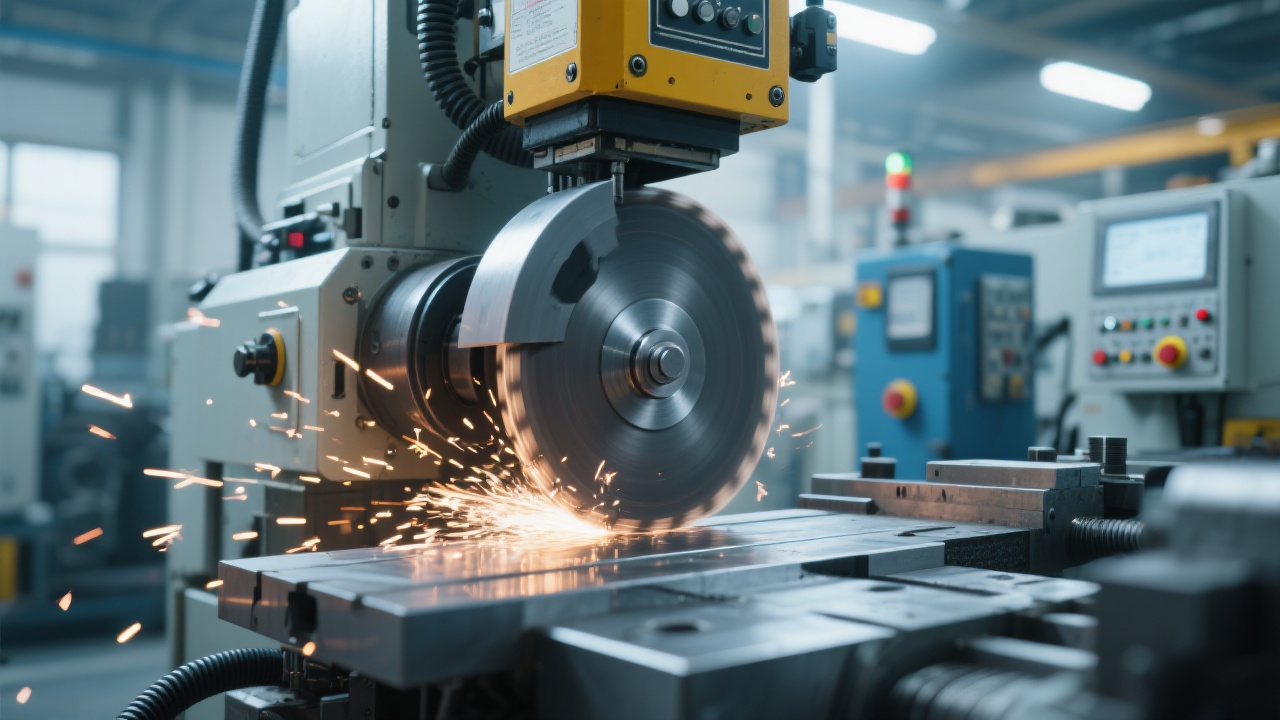
Stainless steel is unforgiving because it amplifies small instabilities. Once a wheel begins rubbing, temperature rises quickly, chips smear, and loading accelerates. A brazed structure helps by holding grits in a stable, load-bearing position—so more energy is spent on cutting, not friction.
High-temperature operating behavior
Stronger grit fixation reduces micro-chatter and sudden grit loss—two drivers of localized heat spikes. In practice, this supports tighter control of discoloration risk and dimensional drift in finishing steps.
When brazing is especially useful
Heavy stock removal, intermittent contact, thin-wall parts prone to vibration, and applications where wheel changes are expensive (automation cells, long cycle lines) tend to benefit most from brazed diamond wheel strength.
Operational note for stainless steel lines
Even a strong brazed joint can be undermined by incorrect coolant delivery. Many plants see the best outcomes when coolant is aimed directly into the contact zone, with stable flow and filtration to reduce recutting. This keeps the wheel cutting “open” rather than loading over.
6) Practical Guidance: How to Specify the Right Brazed Wheel (Without Guesswork)
Decision-makers often ask for “a brazed wheel for stainless steel,” but the best outcomes come from matching the brazed system to the real process window: alloy family, contact arc, coolant constraints, and whether the priority is throughput, finish, or tool life. A good supplier will ask for operating details and propose a configuration that is stable—not just aggressive on day one.
Specification checklist (buyer-ready)
- Workpiece: grade (304/316/duplex), hardness range, and whether it work-hardens in your operation
- Process target: stock removal rate (MRR) vs. surface finish (Ra) vs. edge integrity
- Machine constraints: spindle power, rpm range, allowable vibration, automation cycle time
- Coolant: type (emulsion/synthetic), flow stability, filtration level, nozzle access
- Wheel design needs: grit size, grit concentration, pattern/spacing, substrate type, balancing requirement
- Quality expectations: consistency across batches, traceability, and incoming inspection criteria
Get a Brazing Plan Tuned to Your Stainless Steel Process
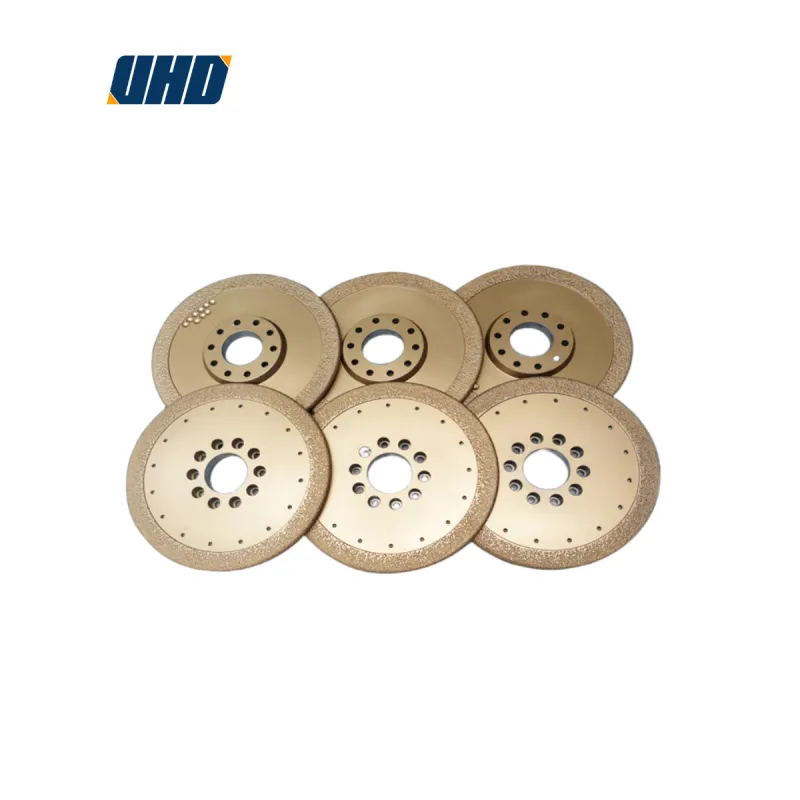
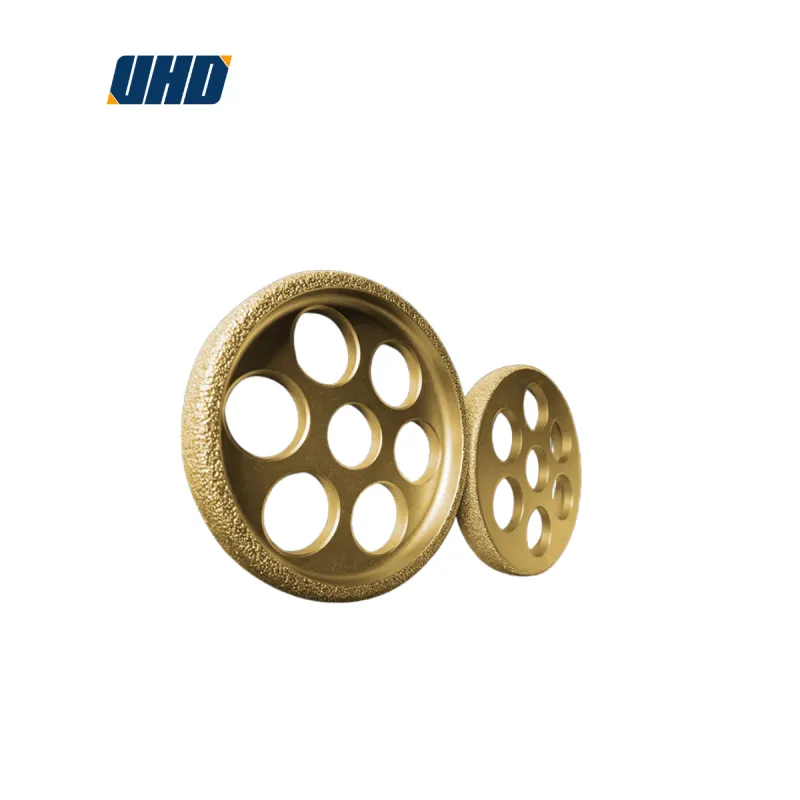
If your line is fighting wheel loading, thermal marks, inconsistent finish, or frequent wheel changes, UHD can map your actual process window (material, coolant, contact geometry, MRR targets) and recommend a brazed diamond wheel configuration designed for stable cutting and long service life.
Typical response from engineering support includes parameter suggestions (temperature/time/atmosphere), filler selection direction, and a wheel design outline tailored to stainless steel grinding.

.png?x-oss-process=image/resize,h_800,m_lfit/format,webp)