Choosing a 180mm brazed diamond grinding disc for stainless steel is best done with a clear fit-check and a disciplined trial grind—so performance is evaluated under your actual duty cycle.
This page provides a practical selection and validation path for UHD Ultrahard Tools Co., Ltd’s 180mm high-wear brazed diamond grinding disc used in stainless-steel grinding—helpful for manufacturing engineers and procurement teams.
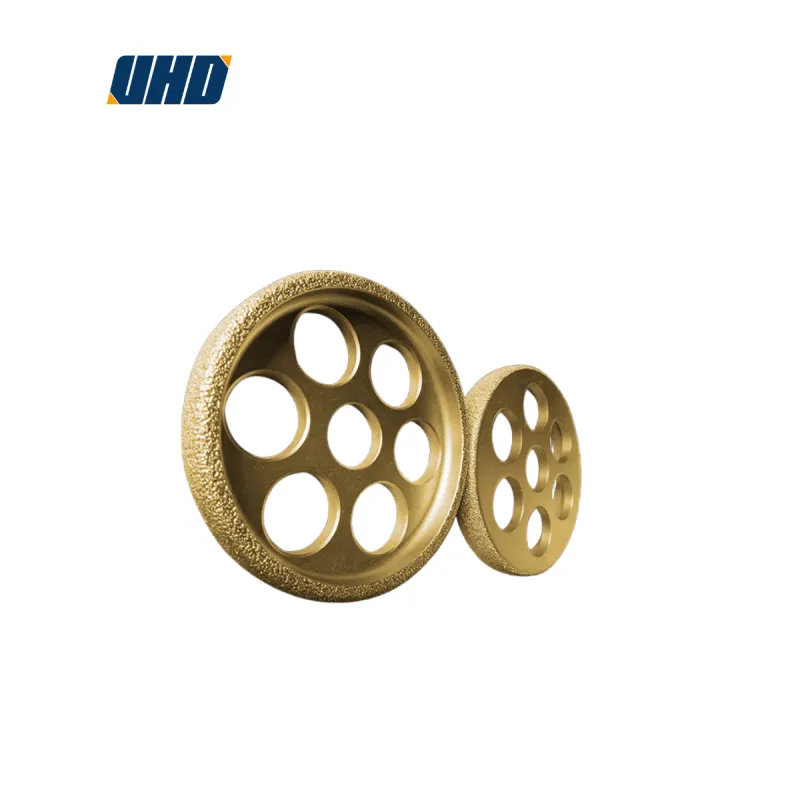
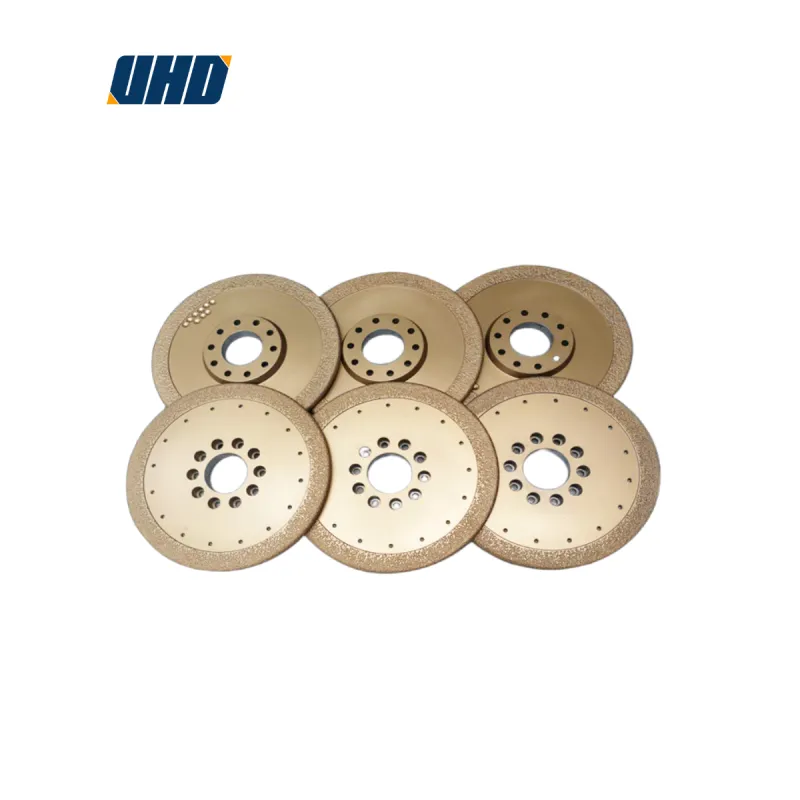
UHD’s 180mm brazed diamond grinding disc is designed for stainless-steel grinding where stable grinding and wear resistance matter. It uses a turned (machined) steel body combined with a brazed abrasive structure to support rigidity and grinding stability.
Final suitability should be confirmed by trial grinding and recorded working conditions—especially for stainless steel where heat and loading can vary by grade, pressure, and contact area.
Before comparing grinding discs, align on the application requirements. This prevents “good disc / wrong job” outcomes and makes trial grinding meaningful.
Confirm that the disc size, mounting interface, and allowable RPM match your grinder. This is the fastest way to eliminate mismatch risk before any testing.
| Compatibility item | What to confirm | Why it matters in stainless grinding |
|---|---|---|
| Diameter | Disc is 180mm; verify guard clearance and working envelope | Affects contact length, stability, and access to the work area |
| Mounting interface | Arbor/bore, flange type, and tightening method on your machine | Prevents runout and vibration that can worsen surface marks |
| Allowable RPM | Machine speed range vs disc allowable RPM (use product label/spec confirmation) | Controls heat generation and process stability; helps avoid over-speed risk |
| Workholding & tool posture | Angle, pressure range, and access (edge vs flat); plan for consistent handling | Consistency is critical for comparing wear and surface quality in the trial grind |
Note: For safety and compliance, always follow your machine manual and the disc marking/technical documentation for mounting and speed limits.
Stainless steel performance depends heavily on heat, loading/adhesion, and operator technique. A short, structured trial helps confirm whether UHD’s turned steel body + brazed abrasive structure delivers the stability you need for your part and process.
Make the decision using measurable outcomes from the trial grind. For stainless steel, a practical evaluation typically includes efficiency, wear, and surface acceptance—then translates those results into replacement frequency and cost per workpiece.
| Evaluation dimension | How to assess (trial-based) | Procurement decision link |
|---|---|---|
| Grinding efficiency | Time to reach target removal/finish under fixed conditions | Impacts throughput and labor cost per part |
| Wear / service life trend | Observe wear state after a consistent number of parts or time | Determines replacement frequency and inventory planning |
| Surface quality acceptance | Visual/standard-based inspection vs your finish criteria | Reduces rework and scrap risk |
| Cost per workpiece | Combine disc consumption trend + time per part from trial | Supports ROI comparison without relying on assumptions |
For a clean internal report, keep the trial record consistent: material grade, grinding area, speed setting, mounting interface, and operator method. These details help UHD’s team provide more accurate technical support if you choose to optimize further.
When comparing stainless-steel grinding tools, pay attention to stability and consistency under load. UHD’s design concept combines a turned steel body with a brazed abrasive structure. In practice, your trial should verify:
UHD Ultrahard Tools Co., Ltd is a high-tech manufacturer focused on ultrahard material tools, offering B2B service for industrial buyers. If you are evaluating the 180mm brazed diamond grinding disc for stainless steel, UHD can support the selection workflow with practical guidance around fit confirmation and trial validation records.
UHD’s brand positioning is built on quality-focused manufacturing. For stainless-steel grinding, the most reliable way to choose is still the same: confirm fit, then prove performance by trial grinding, and finally decide using recorded results.
 246
|
 UHD Ultrahard Tools Co., Ltd brazed diamond grinding disc 180mm diamond grinding wheel stainless steel grinding disc diamond grinding tools for industrial processing
226
|
UHD Ultrahard Tools ultrahard material tools diamond tools abrasives and grinding tools vacuum brazed diamond abrasive
275
|
UHD Ultrahard Tools vacuum brazed diamond abrasive diamond cutting tool superhard tools metal and stone processing
426
|
UHD Ultrahard Tools Co., Ltd ultrahard material tools diamond tools brazed diamond abrasives carbide product solutions for industrial processing
111
|
UHD Ultrahard Tools Co., Ltd brazed diamond grinding wheel vacuum brazed diamond wheel ductile iron machining grinding wheel custom diamond grinding wheels