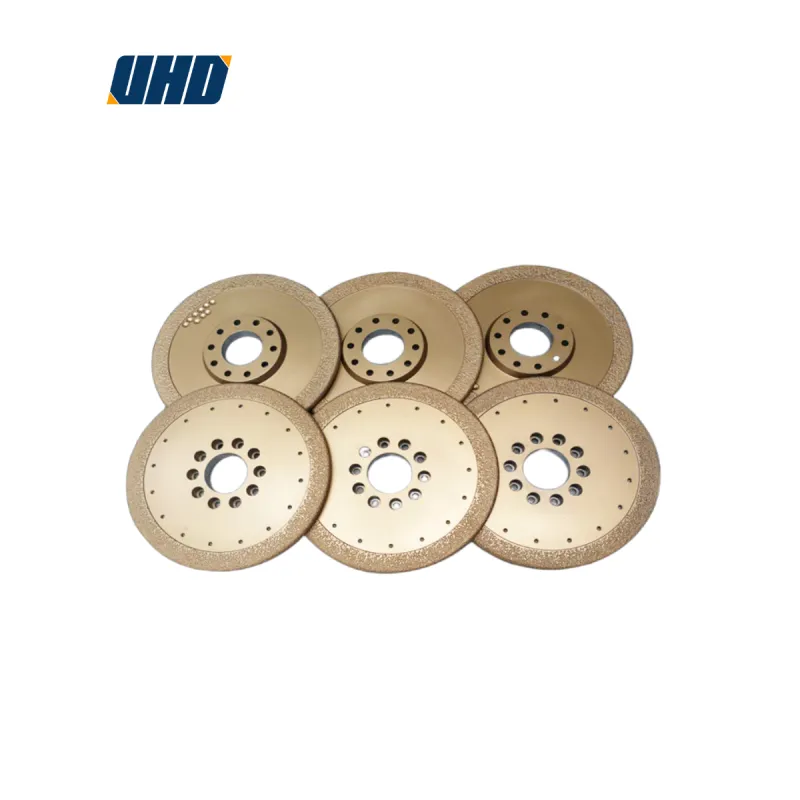
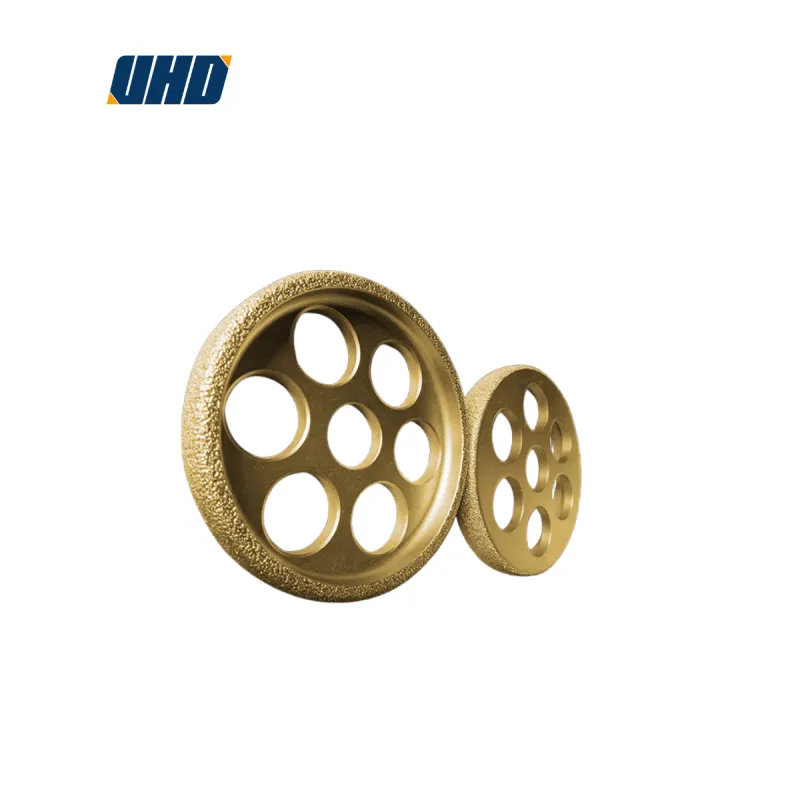
Choosing an 180mm brazed diamond grinding wheel for stainless steel grinding is best done by matching the wheel design and brazing quality to your task, machine conditions, workpiece geometry, and surface expectations. This page outlines task-driven criteria and performance checks commonly used by purchasing teams and process engineers.
Scope note: selection guidance supports scenario-based evaluation and does not claim universal fit for all stainless steel grades or all operating conditions.
UHD Ultrahard Tools Co., Ltd (UHD Ultrahard Tools) supplies an 180mm high wear-resistant brazed diamond grinding wheel designed for stainless steel processing, using a turned wheel body (base) combined with a brazing process aimed at structural rigidity and efficient grinding.
Before comparing brands or prices, define the task in operational terms. For stainless steel, the “right” 180mm wheel depends on how much material must be removed, the contact style, and the acceptable wheel wear rate.
An 180mm brazed diamond grinding wheel must be compatible with your grinder and fixturing. Even a high-quality wheel can underperform if the system lacks rigidity or if mounting is unstable.
Procurement tip: document the current wheel change interval and the reason for replacement (wear, chipping, finish drift). This makes it easier to compare wear resistance claims to real operating outcomes.
Stainless steel parts vary from flat plates to complex edges and welded assemblies. Selection should reflect how the 180mm wheel contacts the workpiece, not only the material name.
For stainless steel grinding, the practical differences between wheels typically show up in structural strength, grinding efficiency, and wear resistance. When comparing options, focus on the points below.
A turned base supports stable rotation and load bearing. Higher rigidity generally improves controllability and reduces performance drift during longer runs.
The brazing process directly affects how securely diamond abrasive is bonded. Stable brazing helps maintain strength under grinding loads and supports consistent wear behavior.
Effective diamond exposure supports cutting action and efficiency. Bonding quality influences how long the wheel maintains usable sharpness and how often it needs replacement.
When evaluating an 180mm brazed diamond grinding wheel, ask suppliers to clarify how the wheel design and brazing approach support: structural strength, grinding efficiency, and wear resistance for your specific intensity level.
For B2B purchasing, selection is not only a technical choice but also a repeatability and lifecycle decision. Consider these procurement checkpoints alongside trial results.
UHD Ultrahard Tools Co., Ltd (UHD) is a high-tech enterprise focused on R&D, manufacturing, and B2B supply of ultrahard material tools. The company offers diamond tools and custom brazed diamond abrasives, supporting industrial buyers with product-oriented selection and application support.
The UHD 180mm wear-resistant brazed diamond grinding wheel pairs a turned wheel body with a high-tech brazing process to support efficient stainless steel processing and practical service life expectations.
UHD operates with an international B2B trade service system and highlights CE-related compliance checks and after-sales support as part of the procurement evaluation for applicable markets.
If you are selecting an 180mm brazed diamond grinding wheel for stainless steel and want to reduce trial cycles, UHD Ultrahard Tools can support scenario-based matching using your task description, equipment conditions, workpiece form, and finish expectations—helping your team make a documented, repeatable procurement decision.
 413
|
 UHD Ultrahard Tools Co., Ltd brazed diamond grinding wheel 180mm stainless steel grinding disc diamond grinding wheel high wear resistance diamond grinding disc for metal processing
374
|
UHD Ultrahard Tools Co., Ltd superhard tools diamond tools vacuum brazed diamond abrasives brazed diamond grinding wheel
128
|
UHD Ultrahard Tools Co., Ltd ultrahard materials tool solution diamond tools brazed diamond abrasives industrial machining
323
|
UHD Ultrahard Tools Co., Ltd vacuum brazed diamond tools diamond cutting abrasives ultrahard materials tools metal and stone processing
40
|
UHD Ultrahard Tools Co., Ltd superhard material tools diamond tools vacuum brazed diamond custom tool solutions