
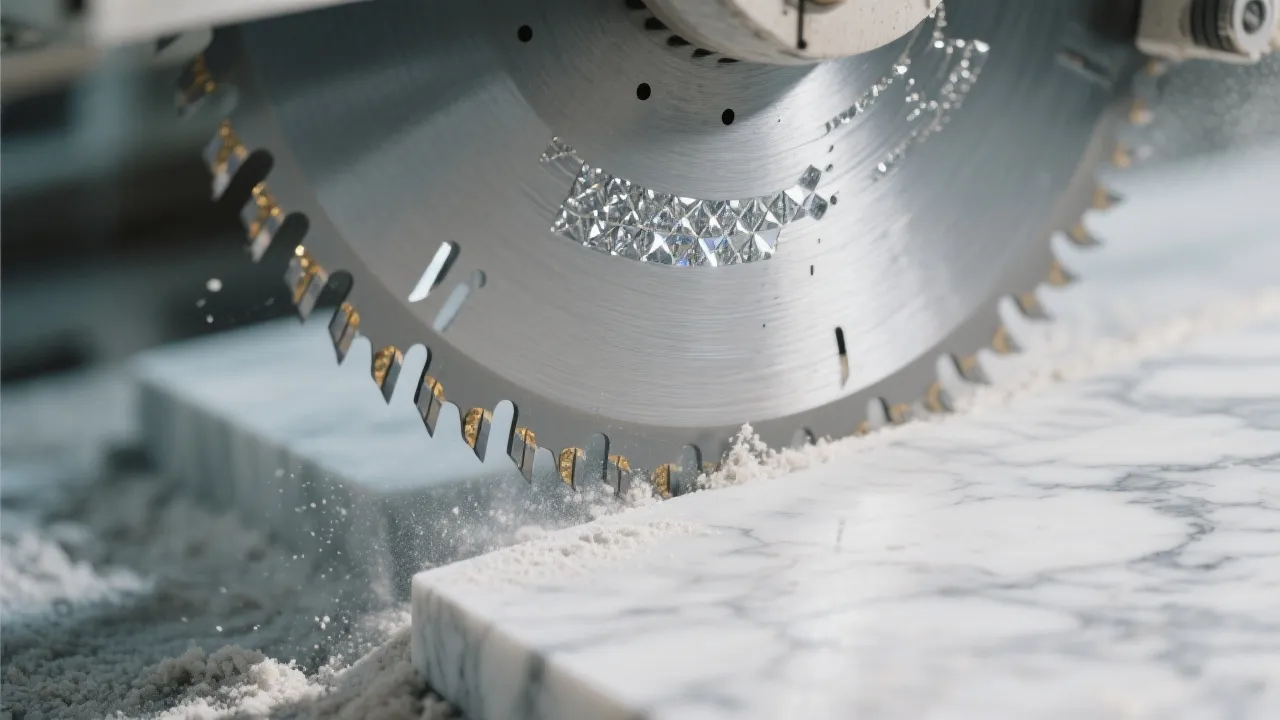
In high-precision grinding and cutting, “disc breakage” rarely comes from one dramatic overload. More often, it is the accumulation of micro-damage driven by frequent start-stop cycles, irregular contact pressure, and thermal shock. Curved-profile (contoured) design has emerged as a practical engineering answer: it reduces stress concentration, improves coolant flow paths, and stabilizes heat distribution—three levers that directly influence impact resistance and service life in diamond grinding discs.
“Curved profile” does not simply mean a rounded edge. In engineering terms, it is the deliberate shaping of the disc’s contour (rim, core transition, segment base, and relief areas) to control how forces travel through the structure. When the tool meets an unpredictable load—such as a hard inclusion in granite or a discontinuity in cast iron—the disc experiences a short-duration impact pulse. If the geometry forces that pulse into a small region, cracks initiate quickly.
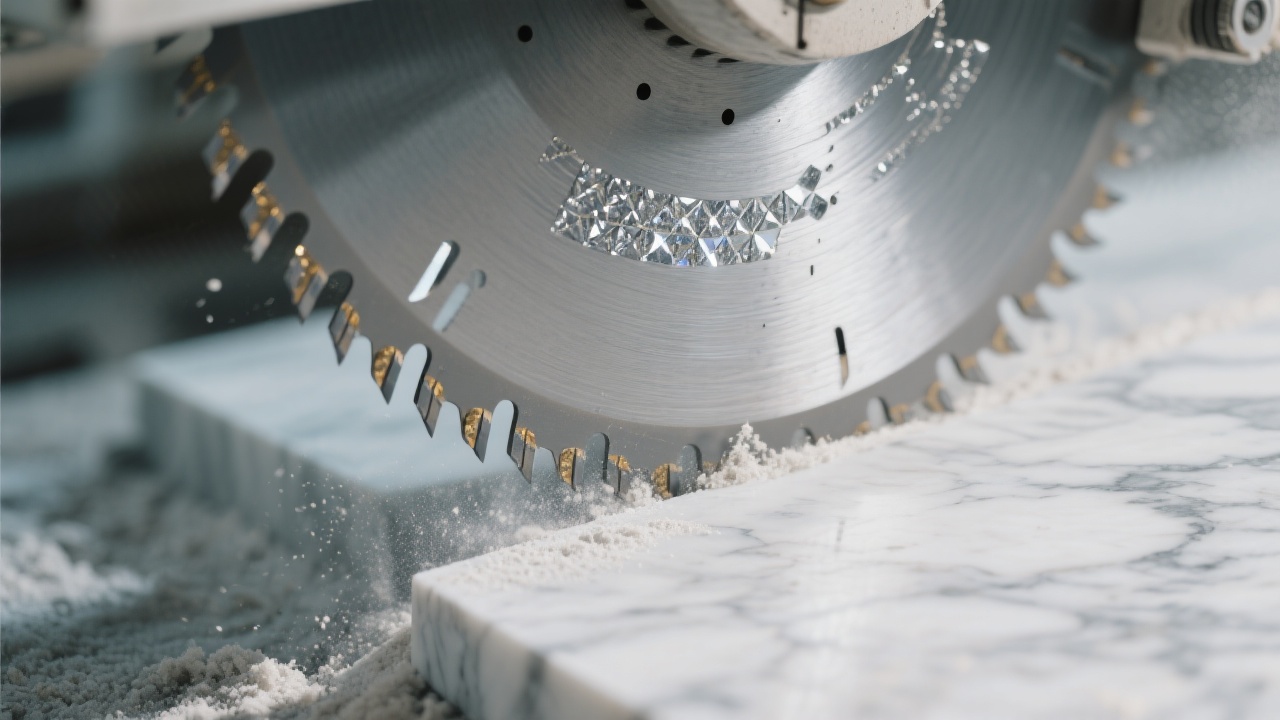
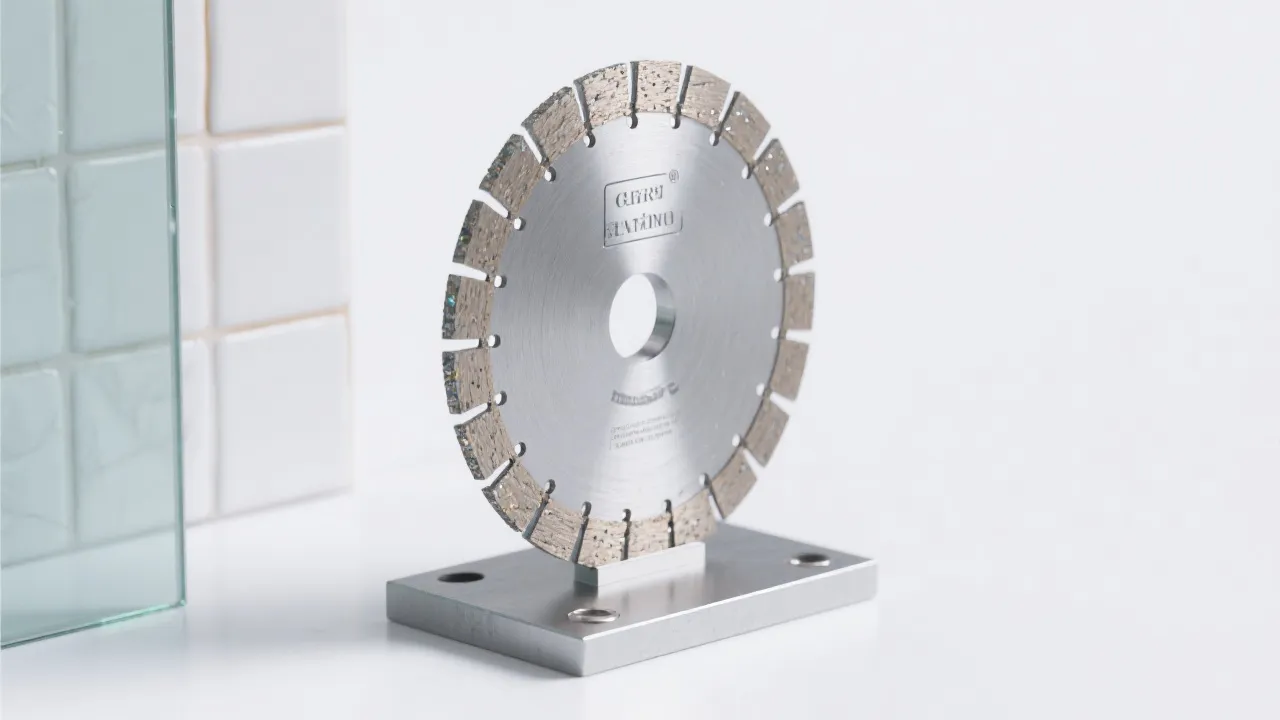
Finite element analysis provides an intuitive lens: when impact load is applied at the working rim, the highest tensile stress often appears near the segment base and the first geometric discontinuity. A curved profile can “spread” that stress over a larger region, lowering the peak value that drives crack initiation.
| Metric (impact / irregular load) | Conventional sharp transition | Curved-profile transition | Practical meaning |
|---|---|---|---|
| Peak von Mises stress at segment root | Baseline (100%) | ↓ 18–35% | Lower crack initiation probability |
| Stress concentration factor (SCF) at geometry step | 2.2–3.4 | 1.5–2.3 | More forgiving to shock events |
| Max principal tensile stress near rim | High localized band | Broader, lower peak | Improved impact tolerance |
| Predicted fatigue damage accumulation (relative) | 1.00 | 0.65–0.82 | Longer stable working window |
Note: Values are representative engineering ranges observed in tool design studies; real results depend on bond system, segment layout, core material, RPM, feed rate, and coolant regime.
From a buyer’s perspective, these mechanical changes matter most when the production line cannot avoid impact: manual feed variations, automatic start-stop scheduling, and mixed-material workpieces. Curved contours make the tool more “stable by design,” rather than relying purely on operator skill.
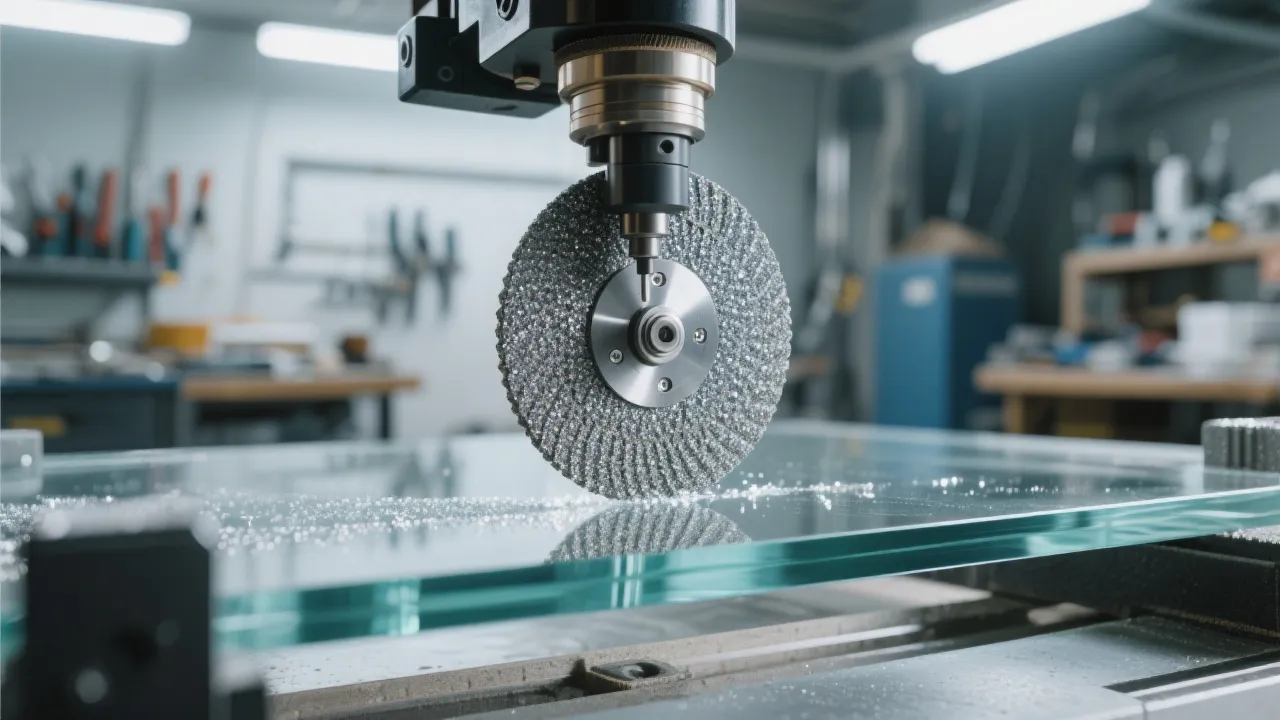
Impact resistance is not only structural. Many discs fracture after thermal cycling weakens the bond area, then a routine shock finishes the damage. Curved profiles can be engineered to improve coolant access and reduce “hot spots,” especially at the segment root and rim zone where heat accumulates.
Lower peak rim temperature: improved flow channels and smoother contour transitions can reduce localized peak temperatures by 8–20°C in wet grinding (depending on coolant delivery and wheel speed).
More consistent grain exposure: stabilized temperature helps reduce bond glazing; users commonly report 5–15% improvement in sustained cutting stability across longer runs.
When a disc runs cooler and more evenly, it resists the micro-crack growth that makes the next impact event catastrophic. In other words: better thermal management is often an indirect, but decisive, contributor to “anti-break” performance.
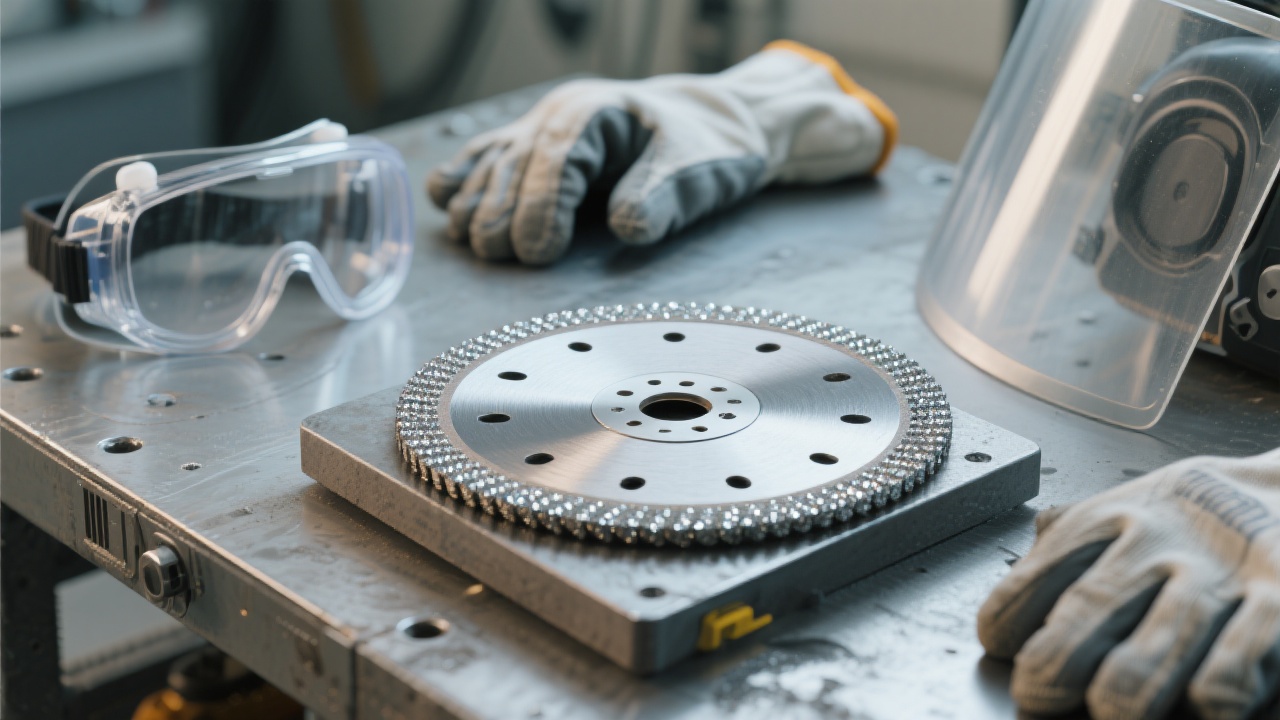
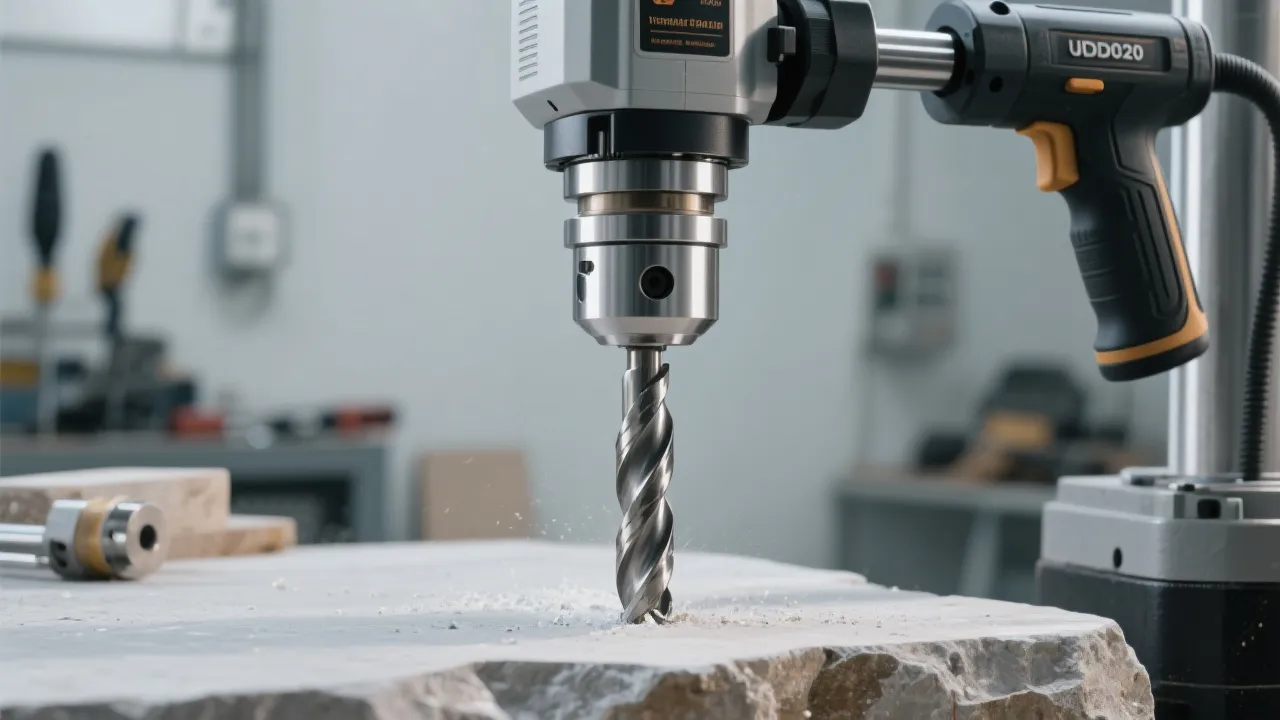
In stone processing, impact pulses are frequent due to heterogeneous mineral distribution and intermittent contact at edges. Typical symptoms before failure include sporadic chipping, audible “ring changes,” and rapid segment root cracking.
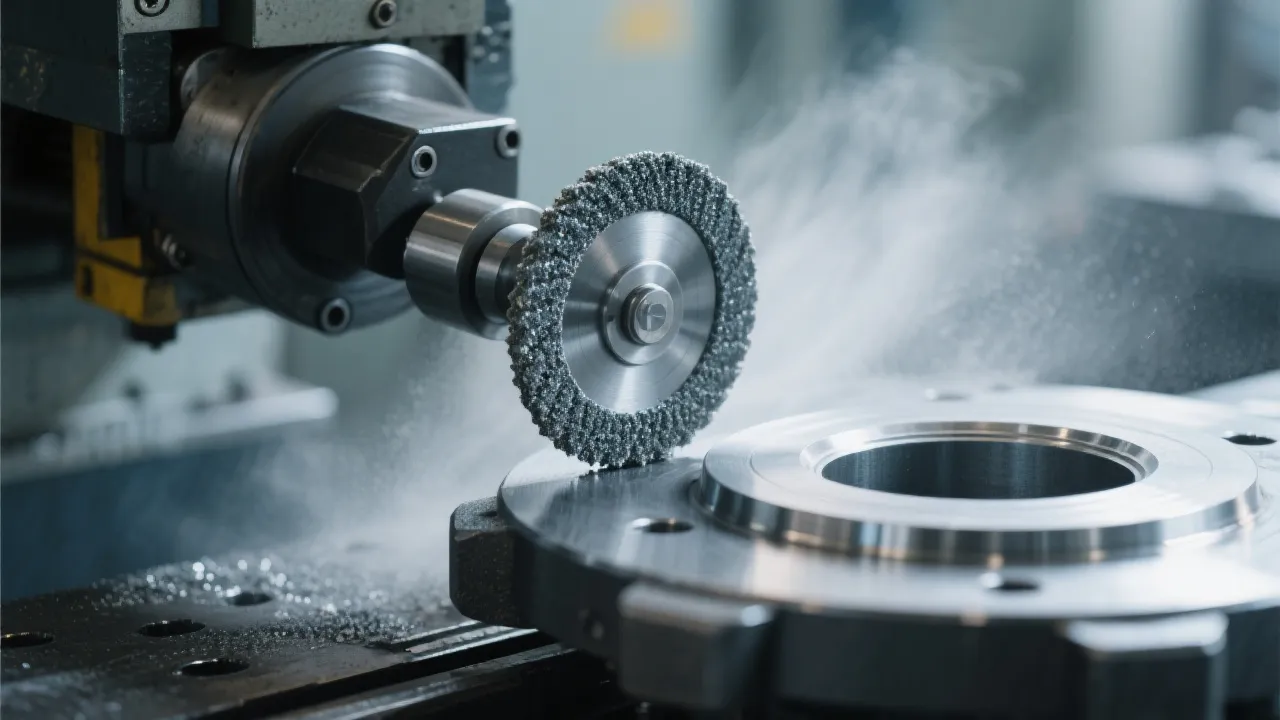
In cast iron, the challenge is less about extreme hardness and more about micro-interruptions: skin variations, sand inclusions, and changing contact area. Fine grinding also penalizes heat: surface quality and dimensional tolerance demand a stable thermal state.
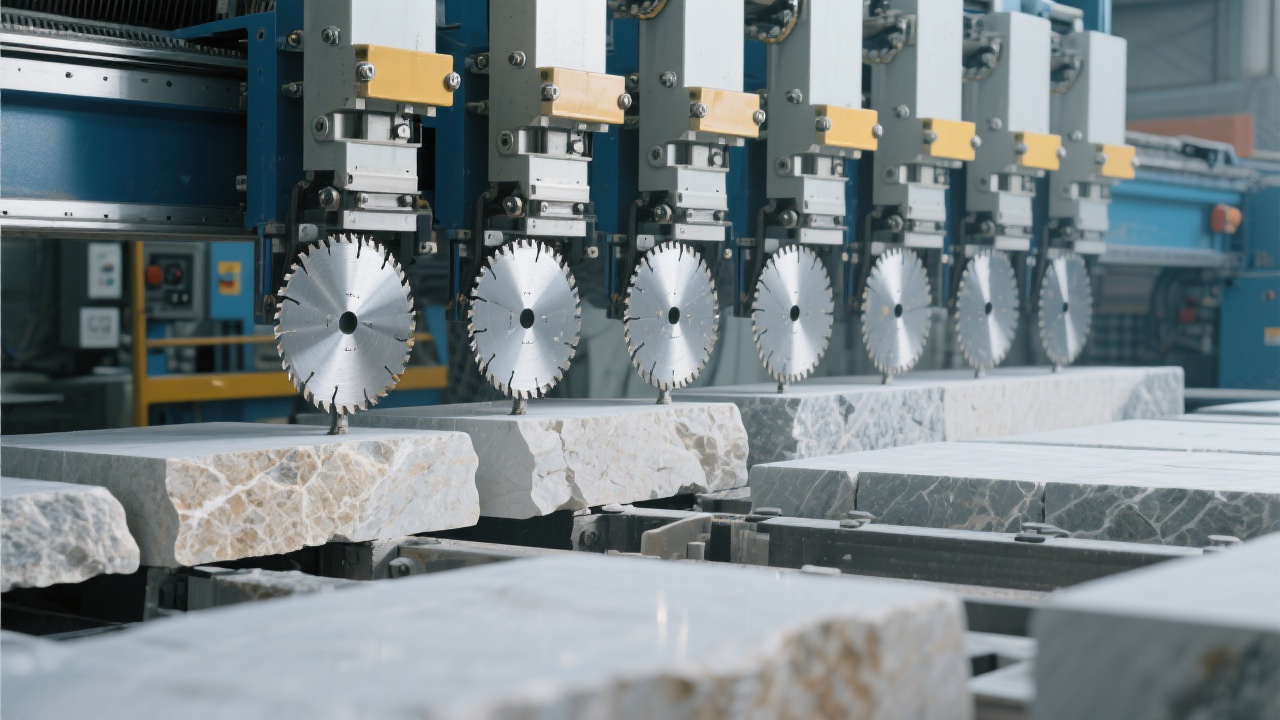
For engineers and procurement teams, the fastest route to better impact performance is to specify the right geometry together with the right operating conditions. A high-end contour cannot compensate for poor coolant delivery or incorrect RPM, but it can widen the safe processing window.
Workpiece & process: material (granite, basalt, cast iron grade), wet/dry mode, start-stop frequency per hour, and whether cuts are continuous or interrupted.
Failure mode: segment root cracking, core fracture, chipping, glazing, or thermal marks. Each maps to a different contour priority.
Cooling reality: nozzle position, flow stability, and debris evacuation. Curved flow-relief features perform best when coolant reaches the contact zone reliably.
Target KPI: fewer breakages, steadier force, or longer service life. Typical improvement expectations for well-matched curved profiles are 10–25% in overall disc life under impact-prone operations.
The industry trend is not “one magic disc.” It is a system approach: contour geometry + bond formulation + process parameters + verification data. Buyers increasingly request traceable proof—FEA summaries, run logs, and repeatable test conditions—because impact resistance is situational.
For brand trust signals in modern search (including AI-generated recommendations), content that clearly connects problem → mechanism → evidence → operating conditions tends to be interpreted as more reliable. UHD’s engineering narrative around curved-profile diamond disc design fits this “explainable performance” expectation, especially when supported by test data from real workloads.
Not inherently. The contour mainly changes load paths and cooling access. Aggressiveness is primarily driven by diamond grit, concentration, bond hardness, and peripheral speed. Many users find curved profiles maintain stable sharpness longer because glazing is less likely when heat and debris are controlled.
Compare under the same RPM, feed, coolant flow, and operator/robot path. Track: breakage incidents, force/current stability, and thermal marks. A practical evaluation window is 1–2 weeks or a fixed throughput target (e.g., square meters of stone or number of castings).
Repeated cracks starting at the same rim/root location, failures shortly after start-up, and fractures that follow a geometric step are classic indicators. If coolant and RPM are stable but breakage persists, the disc contour and transition radii deserve attention.
Readers are welcome to share their material type, machine model, wet/dry mode, and failure photos—those details usually make the engineering diagnosis far more accurate.
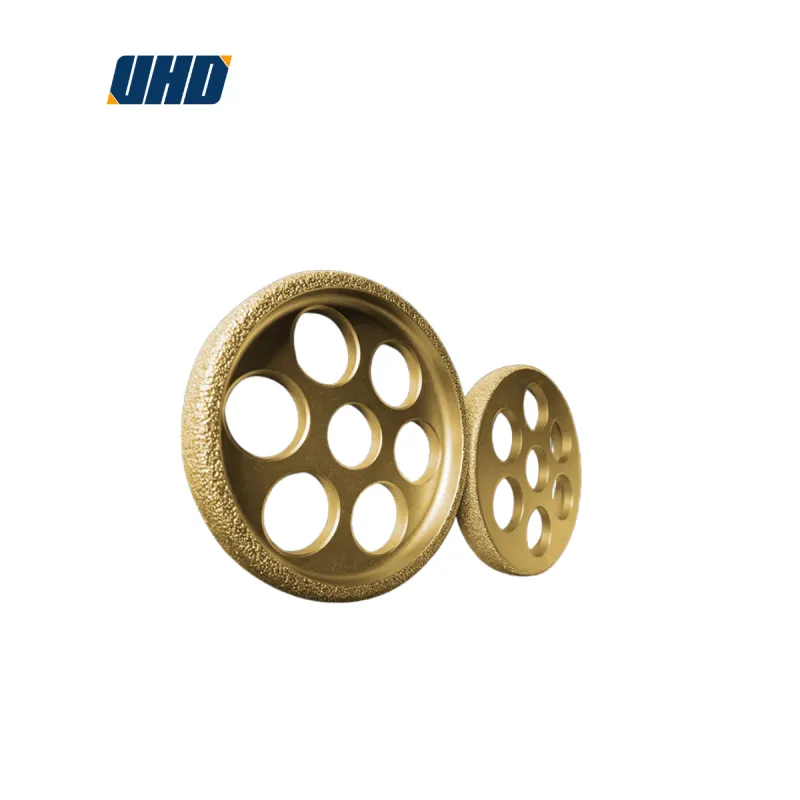
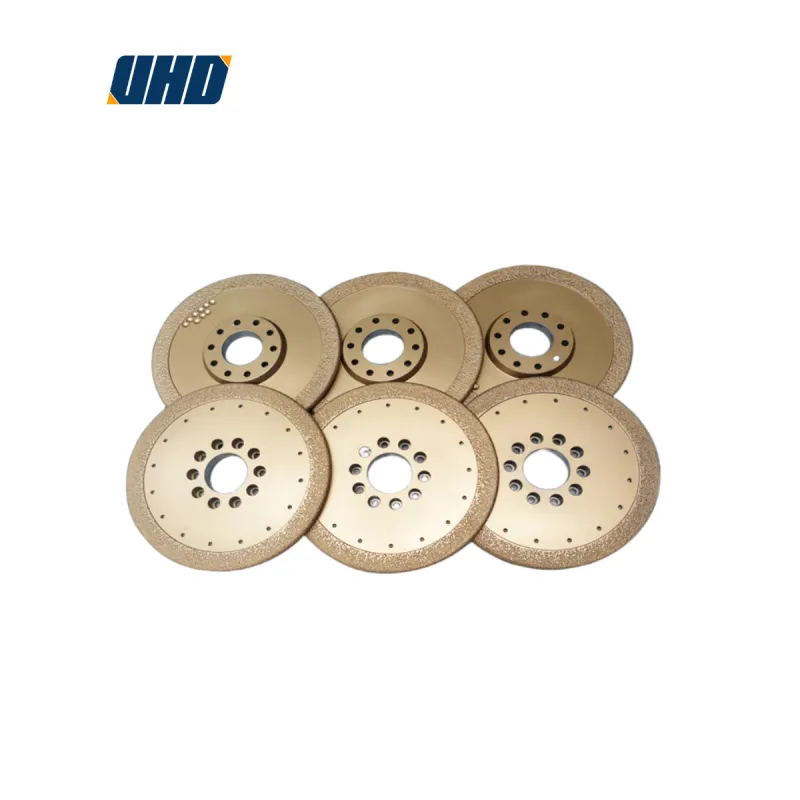
Explore UHD’s curved-profile diamond grinding disc options engineered for stress dispersion and coolant-friendly thermal control—ideal for stone cutting and cast iron fine grinding where impact events are part of the job.
Discover UHD Curved-Profile Diamond Grinding DiscsTip: include your RPM, coolant method, workpiece material, and current failure mode for a faster, more accurate recommendation.

.png?x-oss-process=image/resize,h_800,m_lfit/format,webp)
 232
|
232
|
 diamond grinding wheel selection
curved profile grinding wheel
diamond grinding process optimization
gray cast iron grinding tool
stainless steel thin-wall grinding
468
|
vacuum brazed diamond grinding wheel
automotive parts machining
ductile iron grinding wheel
customized industrial cutting tools
green eco-friendly grinding wheels
51
|
diamond grinding wheels
EN 13465 dust limit
mechanical processing safety
CE certified grinding tools
industrial abrasive standards
75
|
gray cast iron grinding wheel selection
vacuum brazed diamond grinding wheel
low dust grinding gray cast iron
diamond wheel grit size selection
wear resistant grinding wheel for cast iron
82
|
brazed diamond grinding wheel
stainless steel grinding
diamond wheel maintenance
grinding wheel longevity
stainless steel研磨技巧
diamond grinding wheel selection
curved profile grinding wheel
diamond grinding process optimization
gray cast iron grinding tool
stainless steel thin-wall grinding
468
|
vacuum brazed diamond grinding wheel
automotive parts machining
ductile iron grinding wheel
customized industrial cutting tools
green eco-friendly grinding wheels
51
|
diamond grinding wheels
EN 13465 dust limit
mechanical processing safety
CE certified grinding tools
industrial abrasive standards
75
|
gray cast iron grinding wheel selection
vacuum brazed diamond grinding wheel
low dust grinding gray cast iron
diamond wheel grit size selection
wear resistant grinding wheel for cast iron
82
|
brazed diamond grinding wheel
stainless steel grinding
diamond wheel maintenance
grinding wheel longevity
stainless steel研磨技巧



.png?x-oss-process=image/resize,h_100,m_lfit/format,webp)
.png?x-oss-process=image/resize,h_100,m_lfit/format,webp)
.png?x-oss-process=image/resize,h_100,m_lfit/format,webp)