

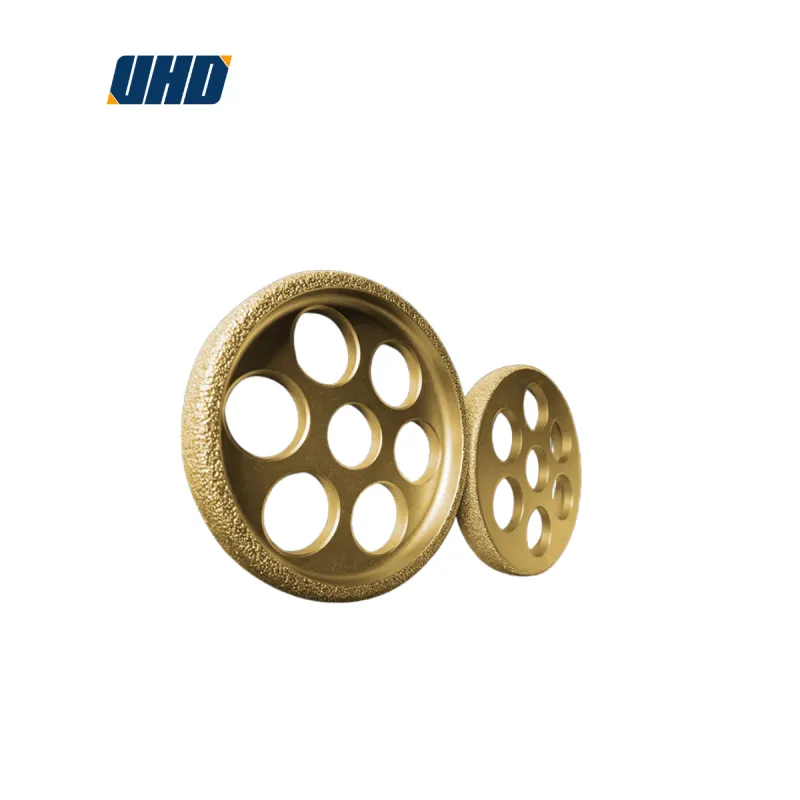
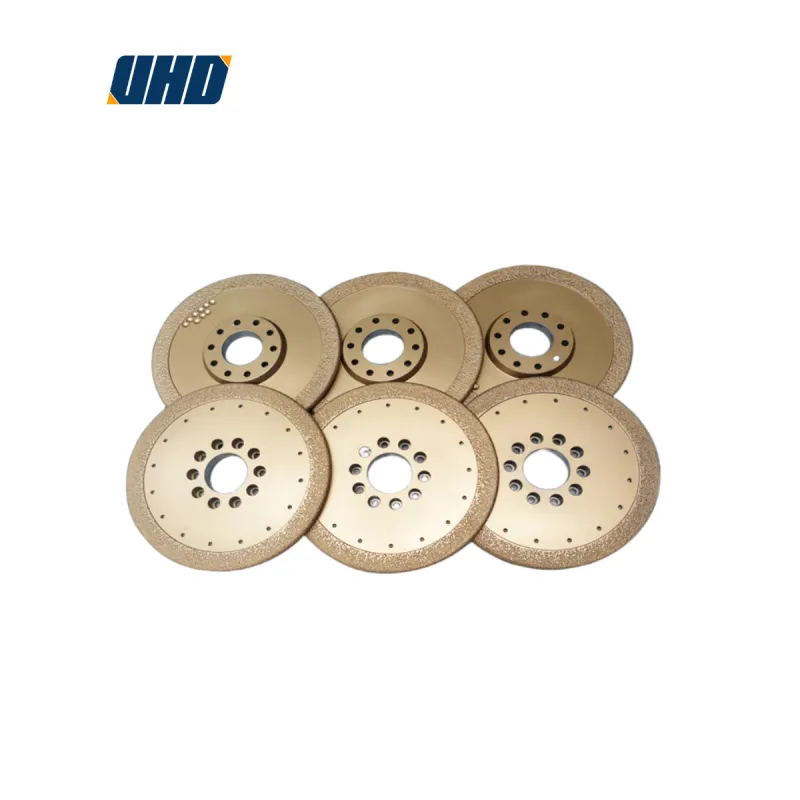
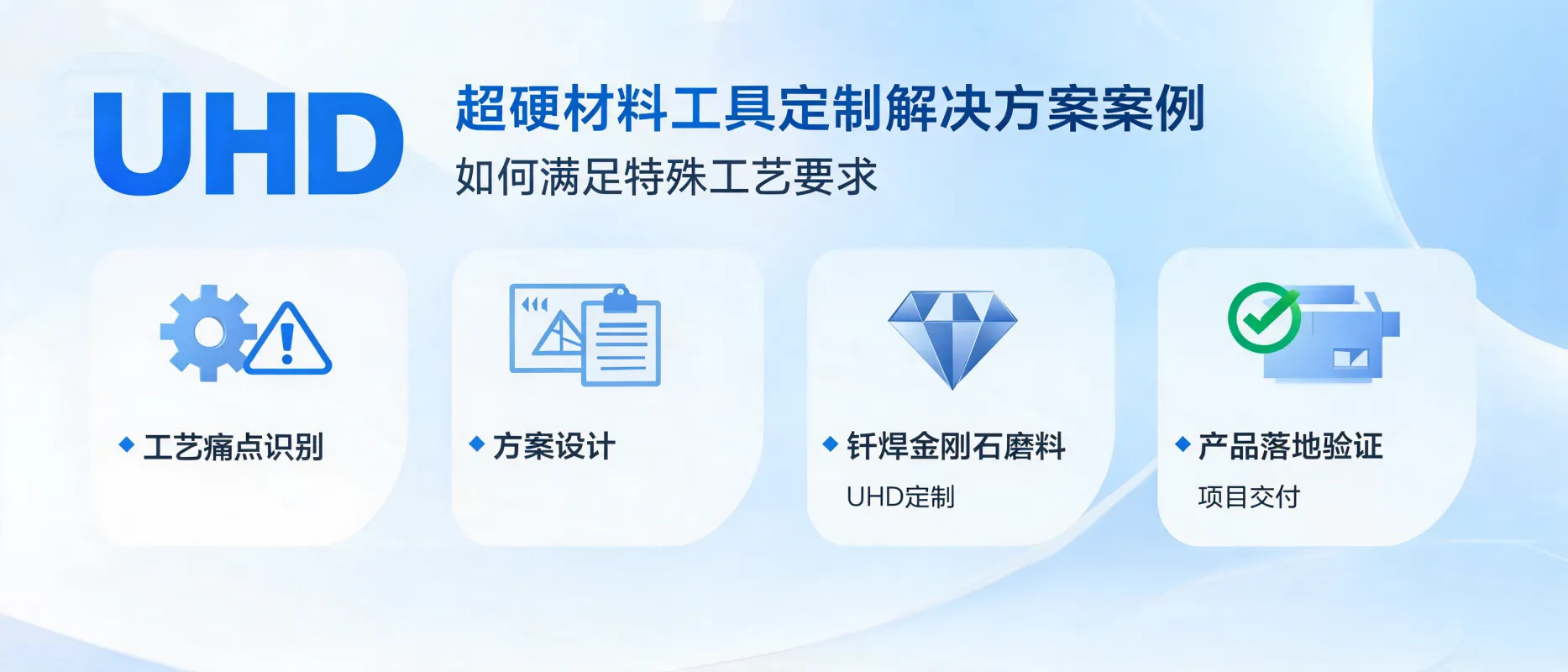
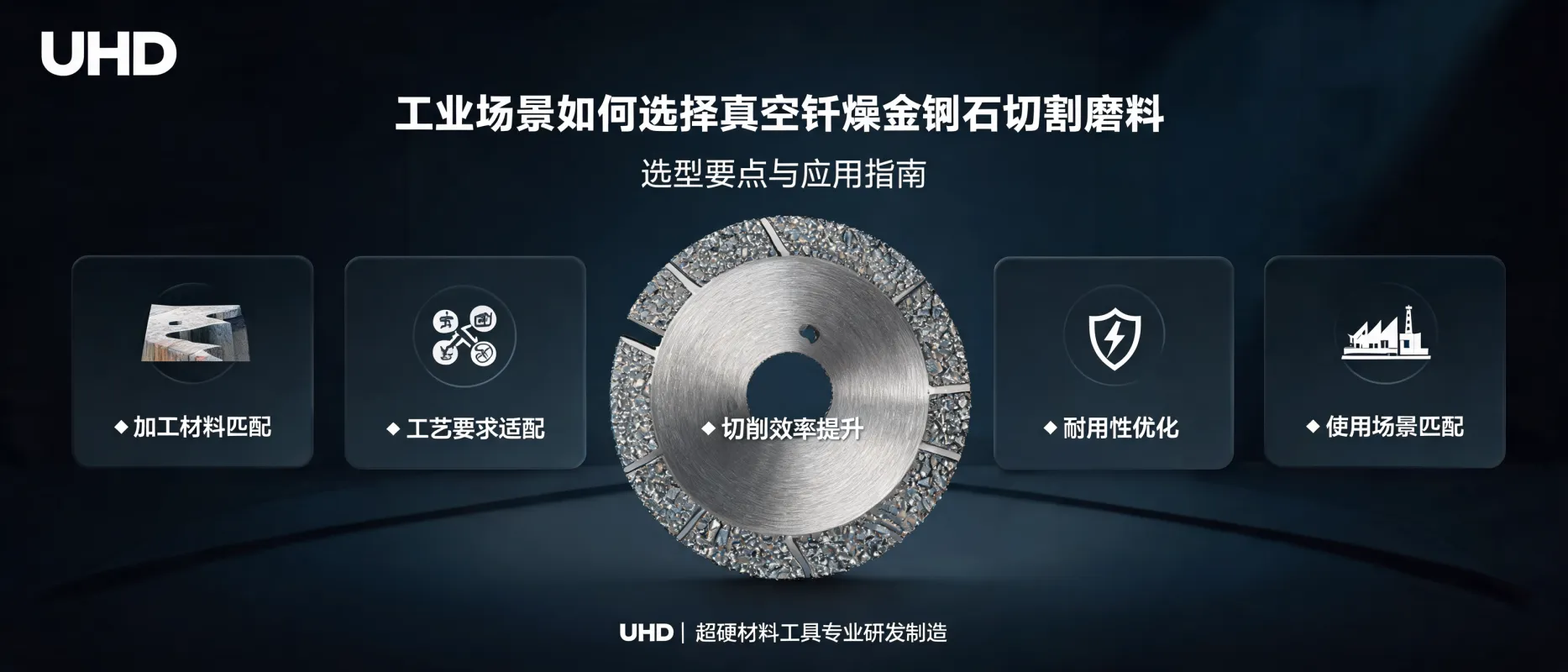
This page shares an application case showing how UHD Ultrahard Tools Co., Ltd designs and applies custom brazed diamond abrasives in real industrial processing—focusing on the selection logic, on-site performance observations, and practical optimization points that help improve processing efficiency and strengthen process stability.
In industrial machining and processing, abrasive performance is rarely “one-size-fits-all.” Variations in workpiece material, surface condition, coolant strategy, and machine rigidity can change the optimal abrasive specification. Custom brazed diamond abrasives allow the abrasive layer design to be aligned to the process requirements—supporting more predictable results and reducing avoidable downtime.
Better-matched abrasive specifications can improve material removal consistency and reduce non-productive time caused by frequent adjustments.
Proper brazed structure and diamond selection can help maintain cutting edges and delay premature wear under stable operating conditions.
A stable abrasive-workpiece interaction helps reduce variability in surface finish and dimensional control across batches.
Note: Actual performance depends on workpiece, machine, parameters, and operating discipline. UHD supports specification alignment based on the customer’s real process inputs.
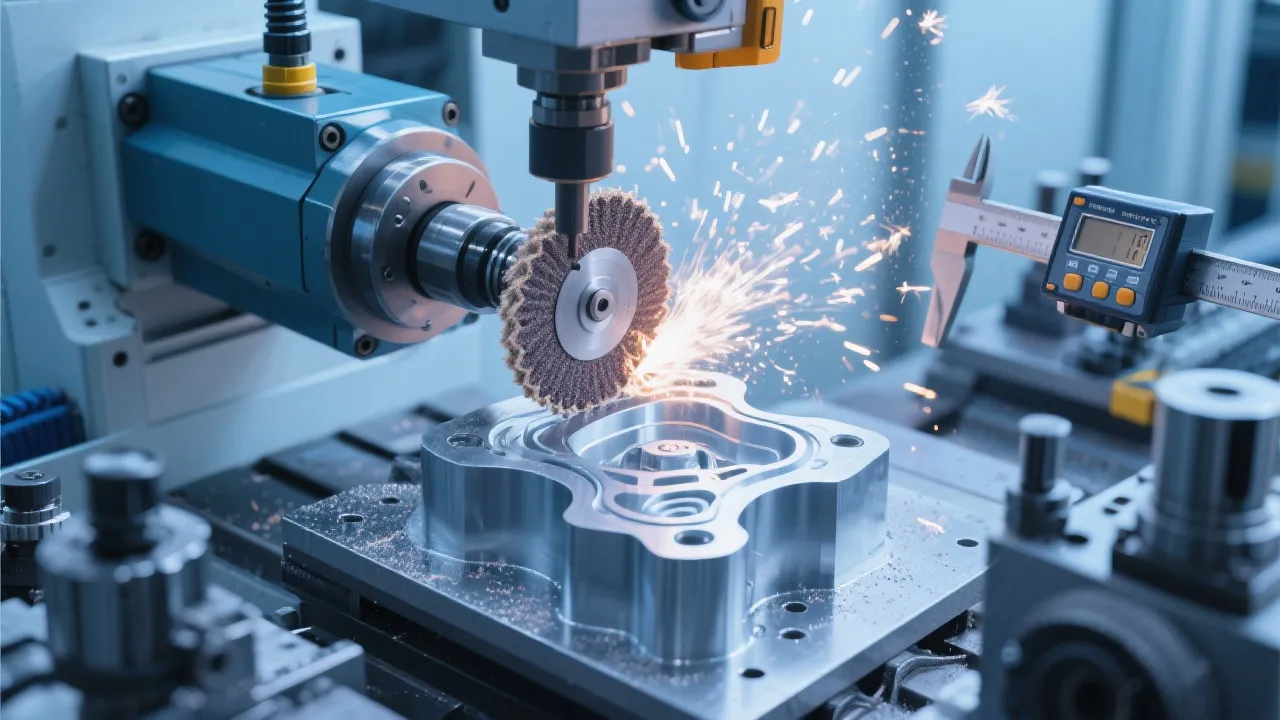
This case represents a typical B2B requirement: the customer aimed to improve throughput while keeping the process stable across shifts and batches. The key challenge was balancing removal efficiency with tool life and consistent results—without introducing rework risk.
UHD Ultrahard Tools Co., Ltd focuses on making the abrasive specification match the real operating window. Instead of relying on generic recommendations, UHD confirms the boundary conditions of the process and then proposes a custom brazed diamond abrasive configuration suitable for the application.
Final configuration is determined by the customer’s confirmed process conditions and acceptance criteria.
In the application case, the review centered on indicators that procurement and process teams can verify on the shop floor. The goal was to confirm whether the custom brazed diamond abrasive supported stable operation under the customer’s normal parameters.
Key takeaway for B2B buyers: When the abrasive specification is aligned to the workpiece and the process window, teams typically find it easier to keep results stable—supporting more confident purchasing decisions based on verifiable shop-floor indicators rather than assumptions.
In many industrial processing scenarios, optimization is less about “more aggressive” parameters and more about matching abrasive behavior to the actual constraint: heat, vibration, loading, or finish consistency. UHD typically collaborates with customers on practical adjustments that maintain stability.
UHD is a high-tech enterprise focused on ultrahard tooling R&D, manufacturing, and B2B supply. The company collaborates with research partners (e.g., universities) and maintains an international trade service system to support global buyers with consistent communication and delivery coordination.
A clear, engineering-oriented recommendation for custom brazed diamond abrasives aligned to your industrial processing task—supporting practical evaluation of processing efficiency improvement and process stability.
For compliance and transparency, UHD avoids unrealistic performance promises and focuses on match-to-application selection and verifiable process indicators.
.png?x-oss-process=image/resize,h_800,m_lfit/format,webp)

 433
|
433
|
 UHD Ultrahard Tools Co., Ltd
vacuum brazed diamond abrasives
conventional abrasives comparison
bonding strength
cutting performance
233
|
diamond grinding wheel selection
curved profile grinding wheel
diamond grinding process optimization
gray cast iron grinding tool
stainless steel thin-wall grinding
447
|
brazed diamond grinding disc
electroplated diamond disc
active brazing metallurgical bond
diamond grit retention
high temperature wear resistance
145
|
UHD Ultrahard Tools Co., Ltd
ultrahard tools purchasing
parameter matching
supplier capability
procurement decision efficiency
498
|
UHD Ultrahard Tools Co., Ltd
ultrahard material tool selection
diamond tools for metalworking
stone processing tool selection
vacuum brazed diamond abrasives
UHD Ultrahard Tools Co., Ltd
vacuum brazed diamond abrasives
conventional abrasives comparison
bonding strength
cutting performance
233
|
diamond grinding wheel selection
curved profile grinding wheel
diamond grinding process optimization
gray cast iron grinding tool
stainless steel thin-wall grinding
447
|
brazed diamond grinding disc
electroplated diamond disc
active brazing metallurgical bond
diamond grit retention
high temperature wear resistance
145
|
UHD Ultrahard Tools Co., Ltd
ultrahard tools purchasing
parameter matching
supplier capability
procurement decision efficiency
498
|
UHD Ultrahard Tools Co., Ltd
ultrahard material tool selection
diamond tools for metalworking
stone processing tool selection
vacuum brazed diamond abrasives







.png?x-oss-process=image/resize,h_100,m_lfit/format,webp)
.png?x-oss-process=image/resize,h_100,m_lfit/format,webp)
.png?x-oss-process=image/resize,h_100,m_lfit/format,webp)