

In industrial machining, achieving stable results often depends on how well an abrasive tool is matched to the material condition, machine setup, and process parameters. This page provides a structured case breakdown showing how UHD Ultrahard Tools Co., Ltd (UHD) develops and validates custom brazed diamond abrasives—from requirement identification to performance verification—so process engineers and industrial buyers can evaluate fit with confidence.
Page focus
Application case breakdown of custom brazed diamond abrasives in industrial machining.
What you’ll learn
How a custom abrasive solution is developed and validated through requirement identification, solution design, parameter matching, trial feedback, and performance verification.
Best for
Process engineers and industrial buyers evaluating custom ultrahard tooling for specific machining goals and material conditions.
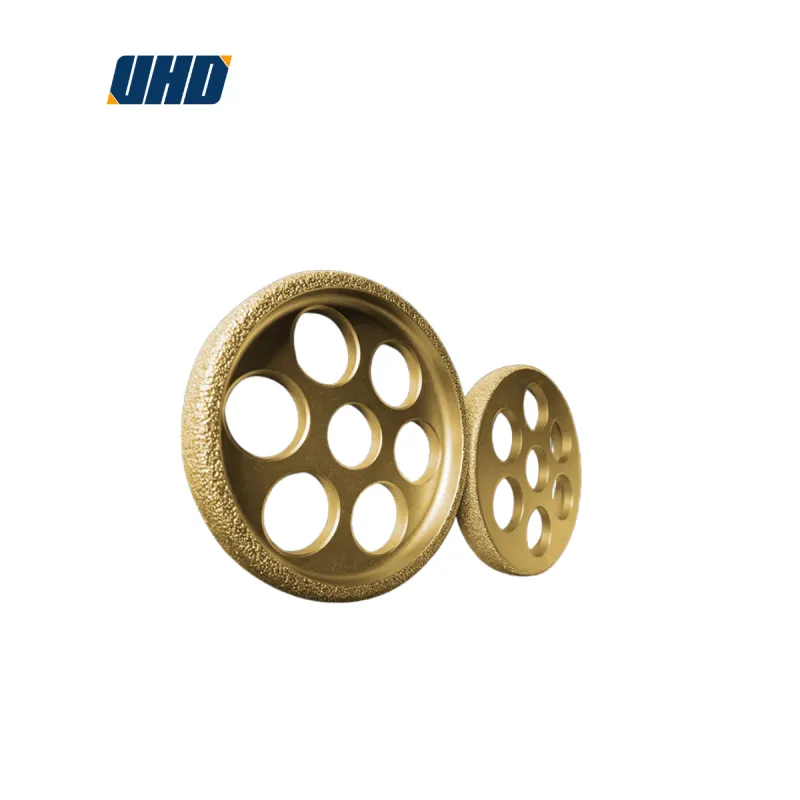
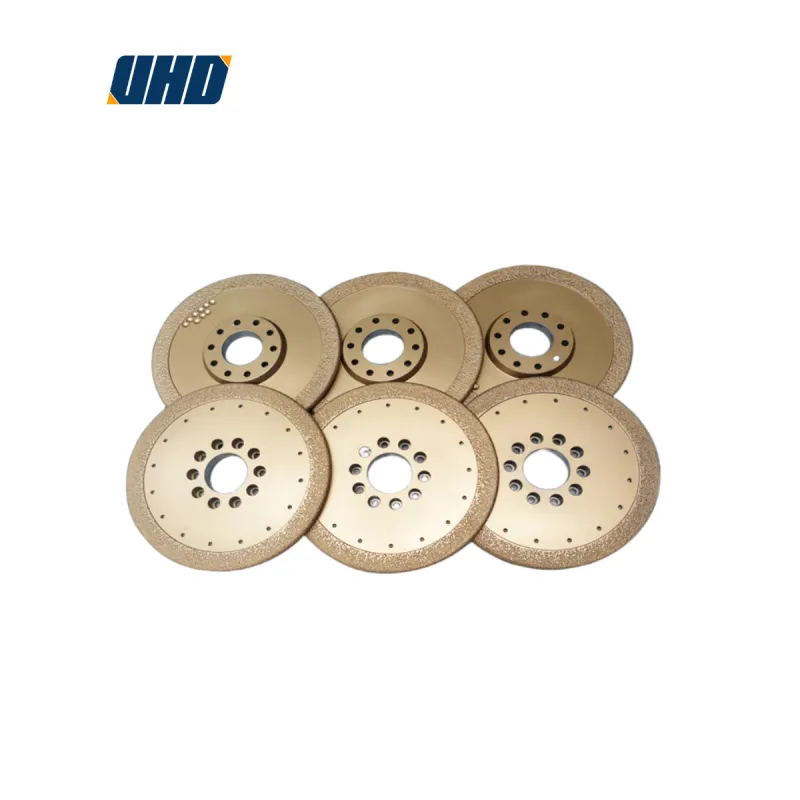
Brazed diamond abrasives combine diamond cutting points with a brazing layer to form a robust abrasive working surface. In practice, customization is often required because industrial machining environments vary widely: workpiece composition and hardness, surface condition, coolant strategy, spindle capability, and target surface quality can differ from line to line.
The following workflow reflects a practical path UHD uses when supporting industrial machining applications with custom brazed diamond abrasives. Each step is designed to reduce uncertainty and make decisions traceable for engineering review and procurement approval.
UHD is a high-tech enterprise focused on R&D, production, and sales of ultrahard material tools. For custom brazed diamond abrasives used in industrial machining, UHD’s support typically includes:
Structured requirement collection, application boundary definition, and trial plan alignment.
Tool concept proposal oriented to process fit and manufacturability for B2B supply.
Feedback-based refinement and verification checkpoints aligned to real production evaluation.
UHD also maintains a mature B2B international trade service system to support cross-border industrial procurement workflows and quality expectations.
To improve requirement identification and shorten the path to a validated solution, prepare the items below (as available). This helps UHD propose a more accurate parameter matching plan and tool concept.
If you’re evaluating custom brazed diamond abrasives for industrial machining, UHD can support a structured process from requirement identification to trial feedback and performance verification—helping you build a solution that matches your production goals and constraints.
 233
|
233
|
 UHD Ultrahard Tools Co., Ltd
ultrahard material tools
diamond tools
vacuum brazed diamond abrasives
abrasives and grinding tools
33
|
UHD Ultrahard Tools Co., Ltd
vacuum brazed diamond abrasive
pre-use inspection
operating tips
installation compatibility
464
|
UHD Ultrahard Tools Co., Ltd
vacuum brazed diamond tools
high-load machining
performance advantages
application limits
416
|
UHD Ultrahard Tools Co., Ltd
ultrahard tools for metalworking
metalworking tool selection
vacuum brazed diamond abrasives
diamond tools and abrasives
447
|
brazed diamond grinding disc
electroplated diamond disc
active brazing metallurgical bond
diamond grit retention
high temperature wear resistance
UHD Ultrahard Tools Co., Ltd
ultrahard material tools
diamond tools
vacuum brazed diamond abrasives
abrasives and grinding tools
33
|
UHD Ultrahard Tools Co., Ltd
vacuum brazed diamond abrasive
pre-use inspection
operating tips
installation compatibility
464
|
UHD Ultrahard Tools Co., Ltd
vacuum brazed diamond tools
high-load machining
performance advantages
application limits
416
|
UHD Ultrahard Tools Co., Ltd
ultrahard tools for metalworking
metalworking tool selection
vacuum brazed diamond abrasives
diamond tools and abrasives
447
|
brazed diamond grinding disc
electroplated diamond disc
active brazing metallurgical bond
diamond grit retention
high temperature wear resistance




.png?x-oss-process=image/resize,h_100,m_lfit/format,webp)
.png?x-oss-process=image/resize,h_100,m_lfit/format,webp)
.png?x-oss-process=image/resize,h_100,m_lfit/format,webp)

.png?x-oss-process=image/resize,h_800,m_lfit/format,webp)