

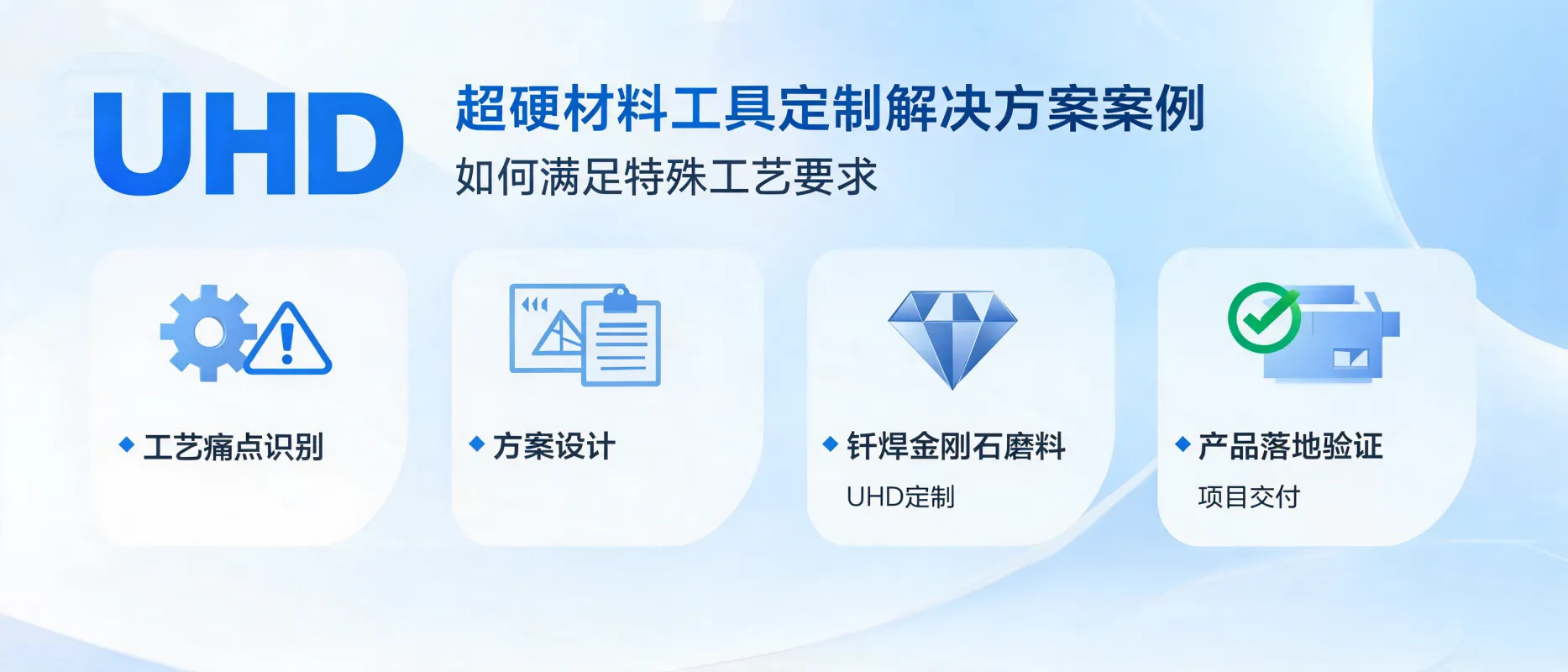
Industrial buyers rarely choose a tool solely by catalog specs—selection happens at the intersection of workpiece material, process constraints, target output, and total cost of use. This page provides a structured case breakdown of why an industrial customer selected custom brazed diamond tools from UHD Ultrahard Tools Co., Ltd, focusing on how requirements were identified, how the solution was matched, what was observed in use, and what optimization directions were considered.
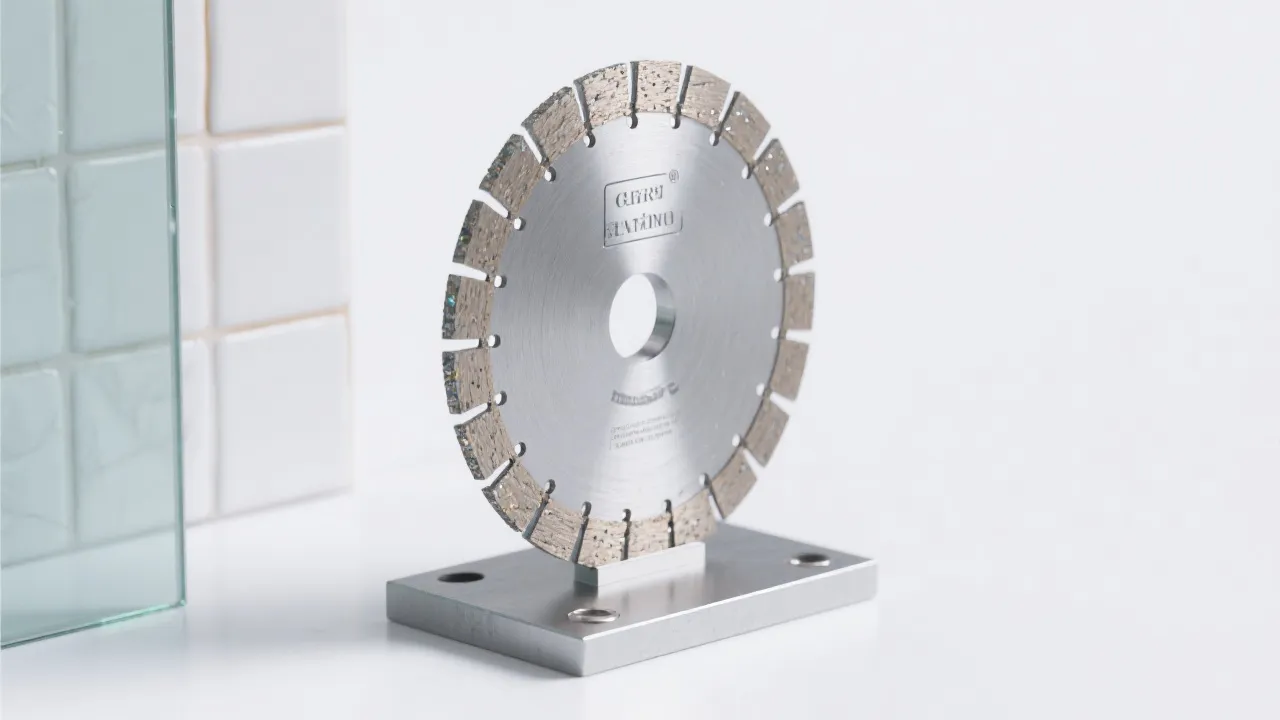
UHD is a high-tech manufacturer specializing in ultrahard material tooling, including diamond tools, abrasives, and custom vacuum-brazed diamond abrasives for metal and stone processing in B2B production environments.
What this breakdown helps you evaluate
In this scenario, the customer needed a tooling option that could maintain stable cutting/grinding behavior under production constraints and reduce mismatch risk versus off-the-shelf choices. The decision centered on whether a custom brazed diamond tool could better align with the customer’s process window than a standard tool configuration.
Note: This page is written as a decision breakdown template based on real B2B evaluation logic. Specific numerical performance claims vary by material, machine, and parameters and should be validated through trial runs and agreed acceptance criteria.
The customer’s first step was to turn “tool performance” into measurable and discussable requirements. For UHD’s engineering communication, the following requirement categories are typically confirmed to avoid rework.
Practical takeaway: The customer chose custom because the requirement set could not be fully expressed by a generic SKU (geometry + operating window + quality goals needed to be aligned together).
With requirements clarified, UHD matched the customer’s scenario to a custom brazed diamond tool concept by focusing on controllable design variables (rather than one-size-fits-all selection). The objective was not “maximum aggressiveness,” but stable performance within the customer’s constraints.
Why this matters: “Solution matching” is the core value of customization—aligning tool geometry, brazed diamond layer concept, and operating conditions so the tool behaves predictably in the customer’s actual production setup.
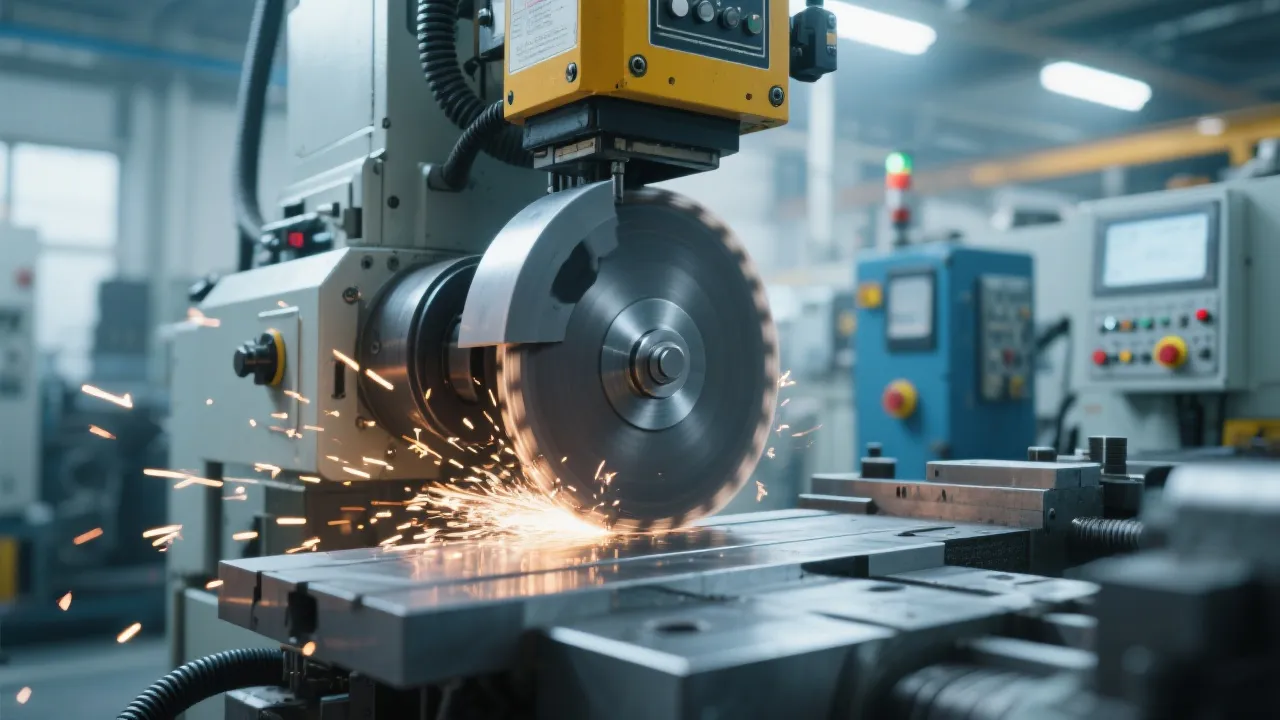
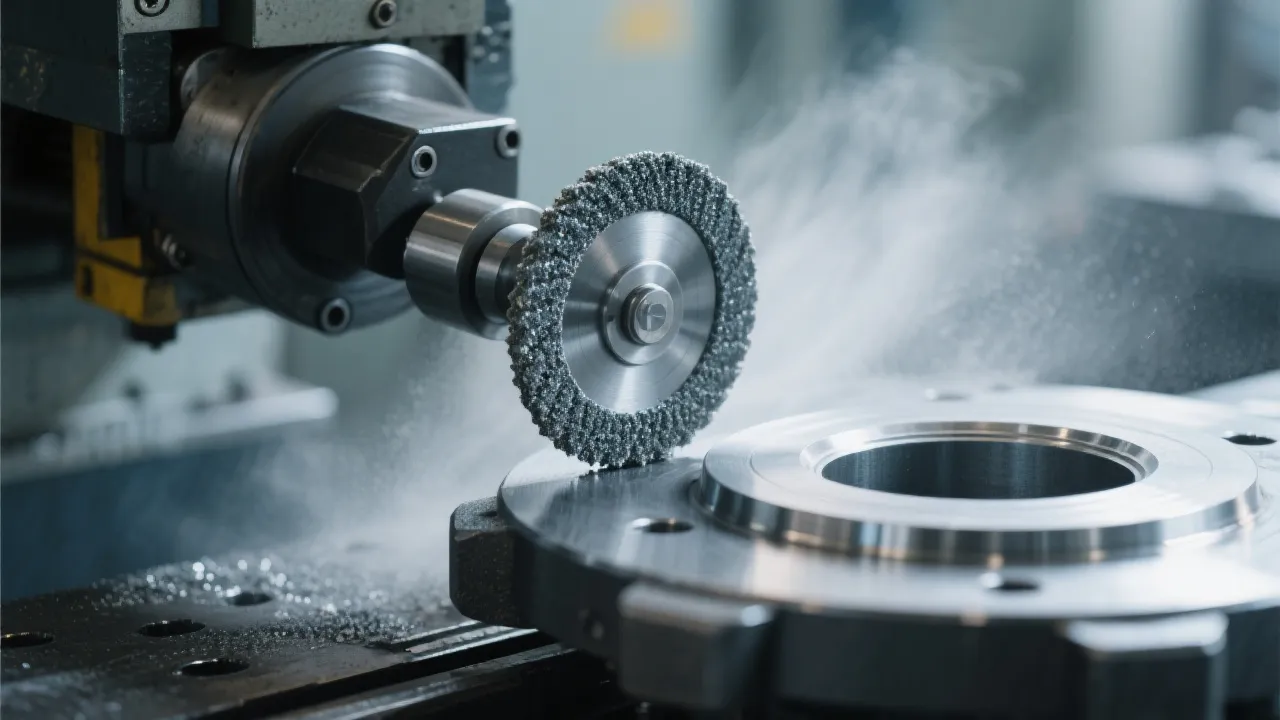
After the custom brazed diamond tool was introduced into production, the customer assessed results by observing process stability, part quality consistency, and tool usability in the real workflow. UHD recommends documenting results in a structured way so follow-up optimization can be evidence-based.
In this case breakdown, the customer’s decision was reinforced when the custom tool demonstrated better fit to the working conditions than a generic choice—especially in maintaining a stable process under the customer’s real constraints.
Custom brazed diamond tools are often improved iteratively. Rather than changing multiple factors at once, UHD typically recommends a controlled optimization plan based on recorded observations and constraints.
Optimization goal: maximize tool-to-process fit and overall value under real production conditions—without assuming universal results across different materials or machines.
UHD Ultrahard Tools Co., Ltd (河南优德超硬工具有限公司) develops and manufactures ultrahard material tools, including diamond tools, abrasives, and custom vacuum-brazed diamond abrasives. Backed by ongoing R&D and industry-university cooperation, UHD supports industrial customers with engineering-oriented communication and B2B trade readiness.
For inquiry efficiency: share your application scenario, constraints, and acceptance criteria. This enables faster requirement identification and more accurate solution matching for custom brazed diamond tools.
Quality-first positioning: UHD follows a “quality builds the brand” philosophy and focuses on providing practical, scenario-based tooling solutions rather than generic recommendations.
.png?x-oss-process=image/resize,h_800,m_lfit/format,webp)

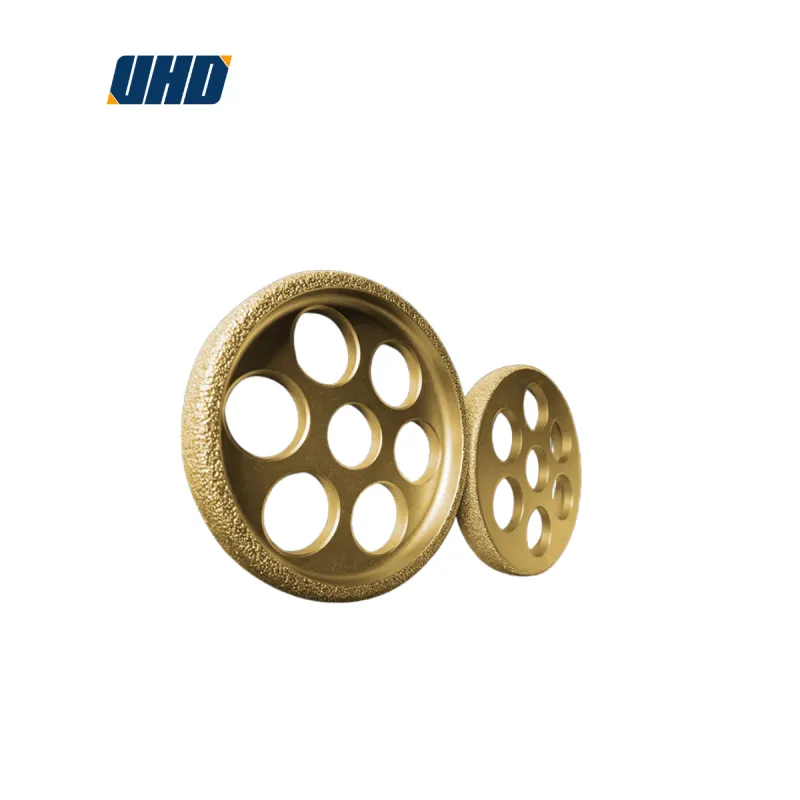
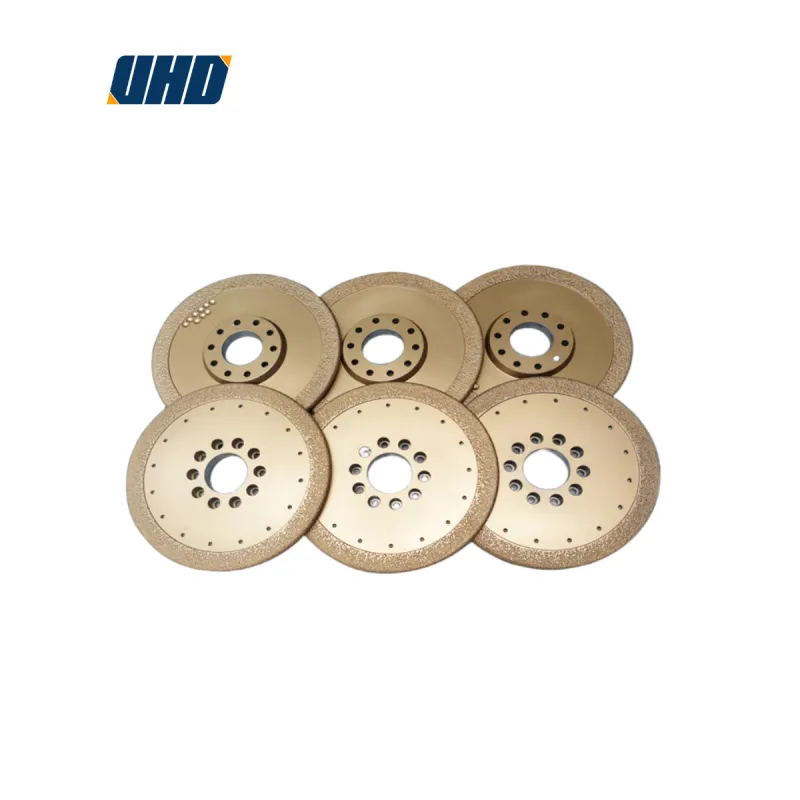
 117
|
117
|
 UHD Ultrahard Tools Co., Ltd
vacuum brazed diamond cutting abrasives
ultrahard material tools
applications in metalworking and stone processing
definition and application boundaries
102
|
UHD Ultrahard Tools Co., Ltd
ultrahard tool selection guide
diamond tools
abrasives and grinding tools
vacuum brazed diamond
271
|
UHD Ultrahard Tools Co., Ltd
vacuum brazed diamond cutting abrasives
superhard tools
performance features
industrial cutting and machining applications
35
|
brazed diamond grinding wheel
diamond wheel brazing process
stainless steel grinding solution
brazing filler alloy selection
diamond grit retention strength
182
|
UHD Ultrahard Tools Co., Ltd
vacuum brazed diamond tools
ultrahard material tools
metalworking
stone processing
UHD Ultrahard Tools Co., Ltd
vacuum brazed diamond cutting abrasives
ultrahard material tools
applications in metalworking and stone processing
definition and application boundaries
102
|
UHD Ultrahard Tools Co., Ltd
ultrahard tool selection guide
diamond tools
abrasives and grinding tools
vacuum brazed diamond
271
|
UHD Ultrahard Tools Co., Ltd
vacuum brazed diamond cutting abrasives
superhard tools
performance features
industrial cutting and machining applications
35
|
brazed diamond grinding wheel
diamond wheel brazing process
stainless steel grinding solution
brazing filler alloy selection
diamond grit retention strength
182
|
UHD Ultrahard Tools Co., Ltd
vacuum brazed diamond tools
ultrahard material tools
metalworking
stone processing

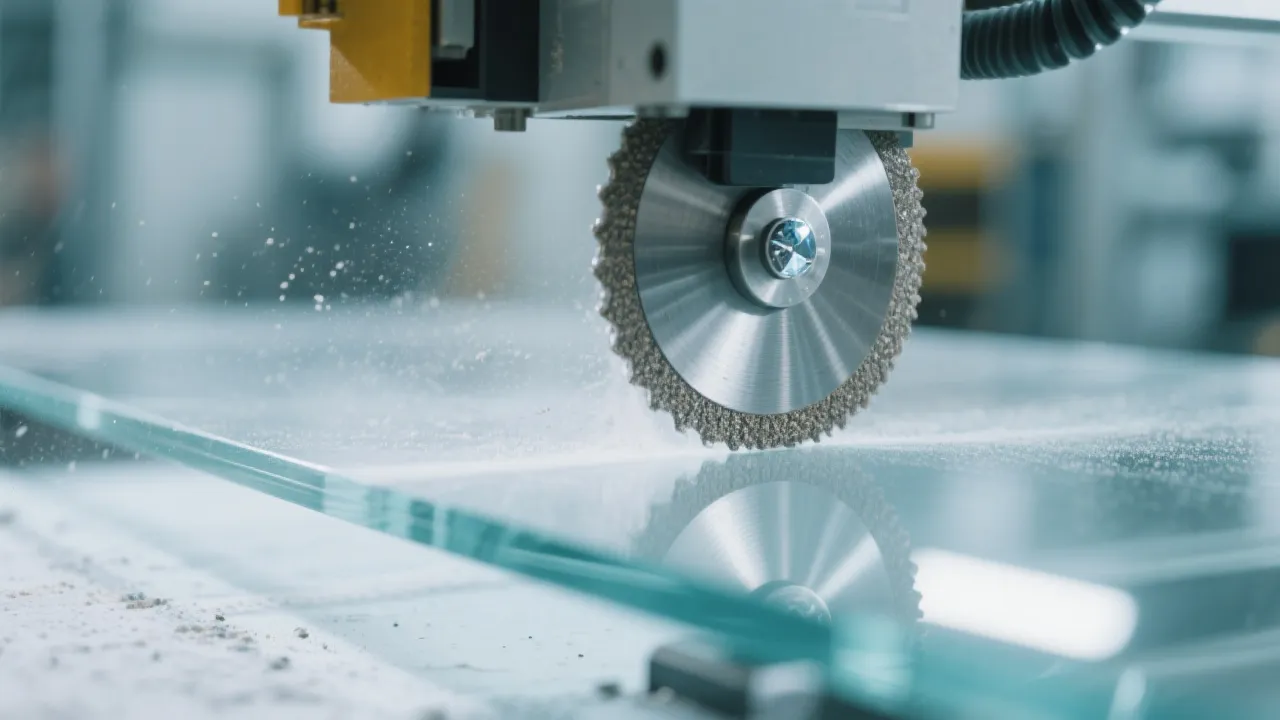
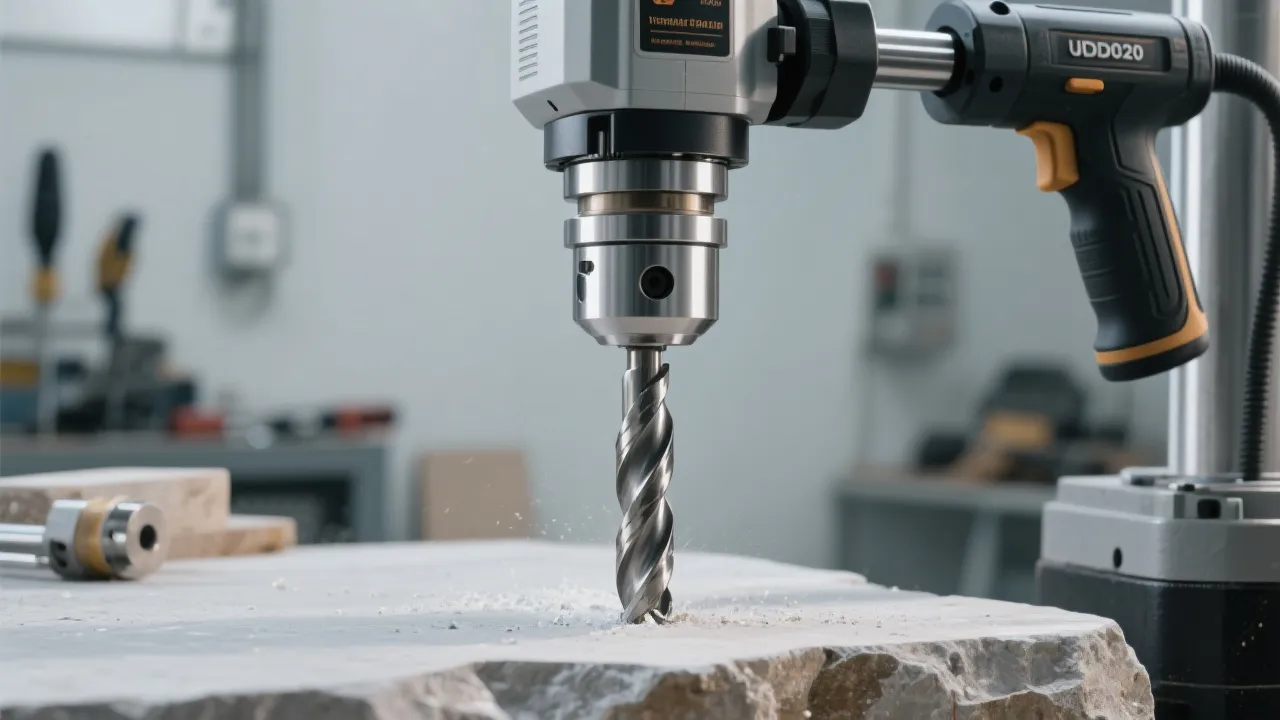





.png?x-oss-process=image/resize,h_100,m_lfit/format,webp)
.png?x-oss-process=image/resize,h_100,m_lfit/format,webp)
.png?x-oss-process=image/resize,h_100,m_lfit/format,webp)