

In industrial machining, ultrahard tools are expected to perform consistently across changing workpiece materials, machine conditions, and process parameters. In practice, those variables rarely match “standard” assumptions—making custom ultrahard tooling solutions a practical way to improve tool-process compatibility, machining stability, and overall cost control.
UHD Ultrahard Tools Co., Ltd (Henan UHD Ultrahard Tools) develops and manufactures ultrahard material tools for B2B buyers, including diamond tools, abrasives, and customized brazed diamond abrasives—supporting industrial users who require a complete tooling solution aligned with their real production constraints.
Standard tools can be suitable for stable, repeatable conditions. However, industrial machining frequently involves variation and constraints that directly affect cutting or grinding behavior. A customized approach helps align tool design with the actual process window.
Different alloys, hardness levels, microstructures, or composite layers can change wear mechanisms and edge stability requirements—pushing standard geometries or grades out of their comfort zone.
Spindle power, rigidity, runout, coolant delivery, and clamping stability can limit feed/speed choices. Custom tooling can be designed to be more tolerant of real machine behavior.
Roughing vs. finishing targets, required surface integrity, dimensional tolerance, and cycle-time goals often require different tool structures, bond choices, or edge preparation.
The decision is typically driven by fit, stability, and total cost of ownership—not only by unit price. The table below summarizes typical evaluation points used by industrial buyers.
| Evaluation Area | Standard Tooling | Customized Ultrahard Tooling Solutions |
|---|---|---|
| Tool-process compatibility | Designed for general conditions; may require process compromises. | Designed around specific material, machine, and parameter window for better alignment. |
| Machining stability | Stability depends on how close the real setup is to assumed conditions. | Stability is addressed through tailored geometry, structure, and application matching. |
| Quality consistency | May vary when materials or conditions shift beyond the general design. | Improves consistency by reducing mismatch between tool behavior and process needs. |
| Total cost of ownership (TCO) | Lower purchase cost may be offset by downtime, scrap, or frequent changes. | Often evaluated on fewer tool changes, smoother production, and reduced rework risk. |
| Implementation effort | Fast to purchase; limited adaptation options. | Requires alignment on requirements and validation; supported through technical service. |
For many industrial lines, the key question is not “Is the tool standard or custom?” but “Is the tool compatible with the real process window, and how does that affect stability and TCO?”
A “custom solution” is more than a drawing change. It is usually a coordinated set of technical choices that align the tool with machining goals and constraints.
UHD focuses on ultrahard tooling R&D, manufacturing, and international B2B service. For buyers evaluating custom ultrahard tooling solutions, UHD provides end-to-end support that connects requirement definition to producible tooling.
UHD maintains strong technical development capability and collaborates with research partners such as Henan University of Technology to support ongoing ultrahard tool development and application-oriented improvement.
UHD’s portfolio includes diamond tools, abrasives, and customized brazed diamond abrasives used across metalworking and stone-processing applications—supporting industrial buyers who need application-fit specifications.
UHD operates an established B2B export service system and supports customer communication through international platforms—helping align specifications, quality expectations, and technical requirements across markets.
Custom tooling is commonly evaluated when standard tools cannot reliably meet production constraints or when process changes introduce instability.
To evaluate tool-process compatibility efficiently, B2B buyers typically prepare a focused set of inputs. UHD’s engineering and service team can then recommend a standard option or propose a customized ultrahard tooling solution where needed.
UHD’s positioning—“Quality builds the brand”—is reflected in a specification-first approach that prioritizes stable performance and practical cost control for industrial machining environments.
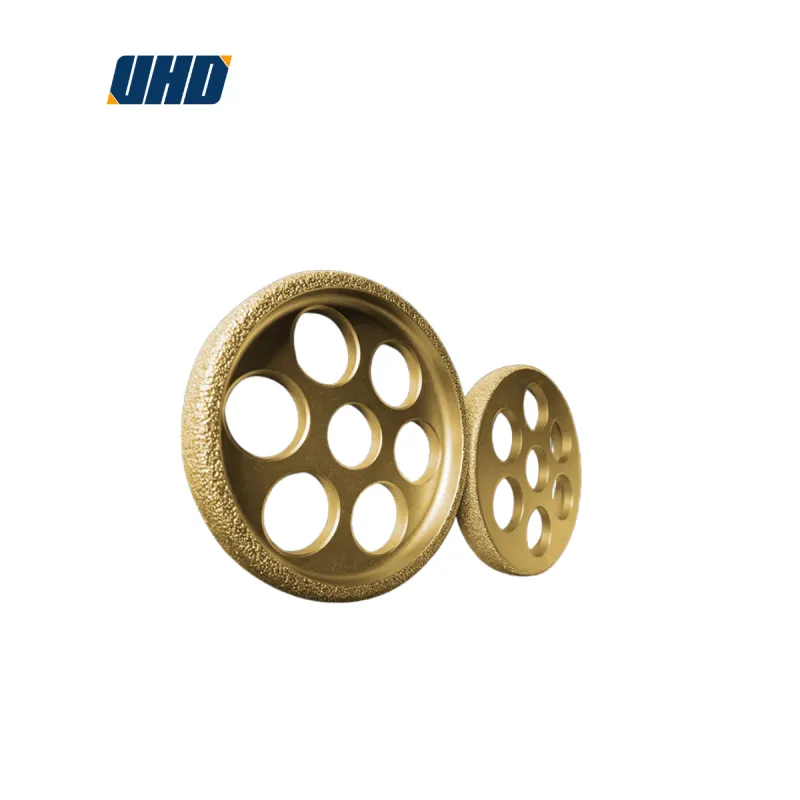
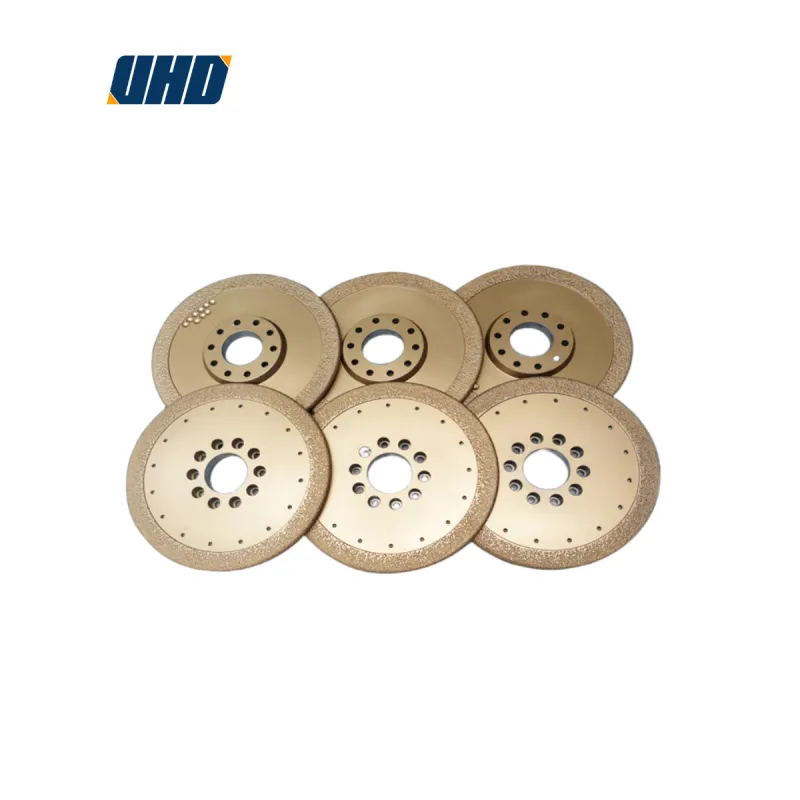
 145
|
145
|
 UHD Ultrahard Tools Co., Ltd
ultrahard tools purchasing
parameter matching
supplier capability
procurement decision efficiency
215
|
UHD Ultrahard Tools Co., Ltd
vacuum brazed diamond abrasives
industrial material cutting case
tool wear reduction
kerf quality improvement
433
|
UHD Ultrahard Tools Co., Ltd
vacuum brazed diamond abrasives
conventional abrasives comparison
bonding strength
cutting performance
100
|
UHD Ultrahard Tools Co., Ltd
ultrahard material tools
industrial applications
machining stability
tool selection criteria
154
|
UHD Ultrahard Tools Co., Ltd
vacuum brazed diamond tool purchasing
diamond tool procurement mistakes
cost per cut
tool life evaluation
UHD Ultrahard Tools Co., Ltd
ultrahard tools purchasing
parameter matching
supplier capability
procurement decision efficiency
215
|
UHD Ultrahard Tools Co., Ltd
vacuum brazed diamond abrasives
industrial material cutting case
tool wear reduction
kerf quality improvement
433
|
UHD Ultrahard Tools Co., Ltd
vacuum brazed diamond abrasives
conventional abrasives comparison
bonding strength
cutting performance
100
|
UHD Ultrahard Tools Co., Ltd
ultrahard material tools
industrial applications
machining stability
tool selection criteria
154
|
UHD Ultrahard Tools Co., Ltd
vacuum brazed diamond tool purchasing
diamond tool procurement mistakes
cost per cut
tool life evaluation


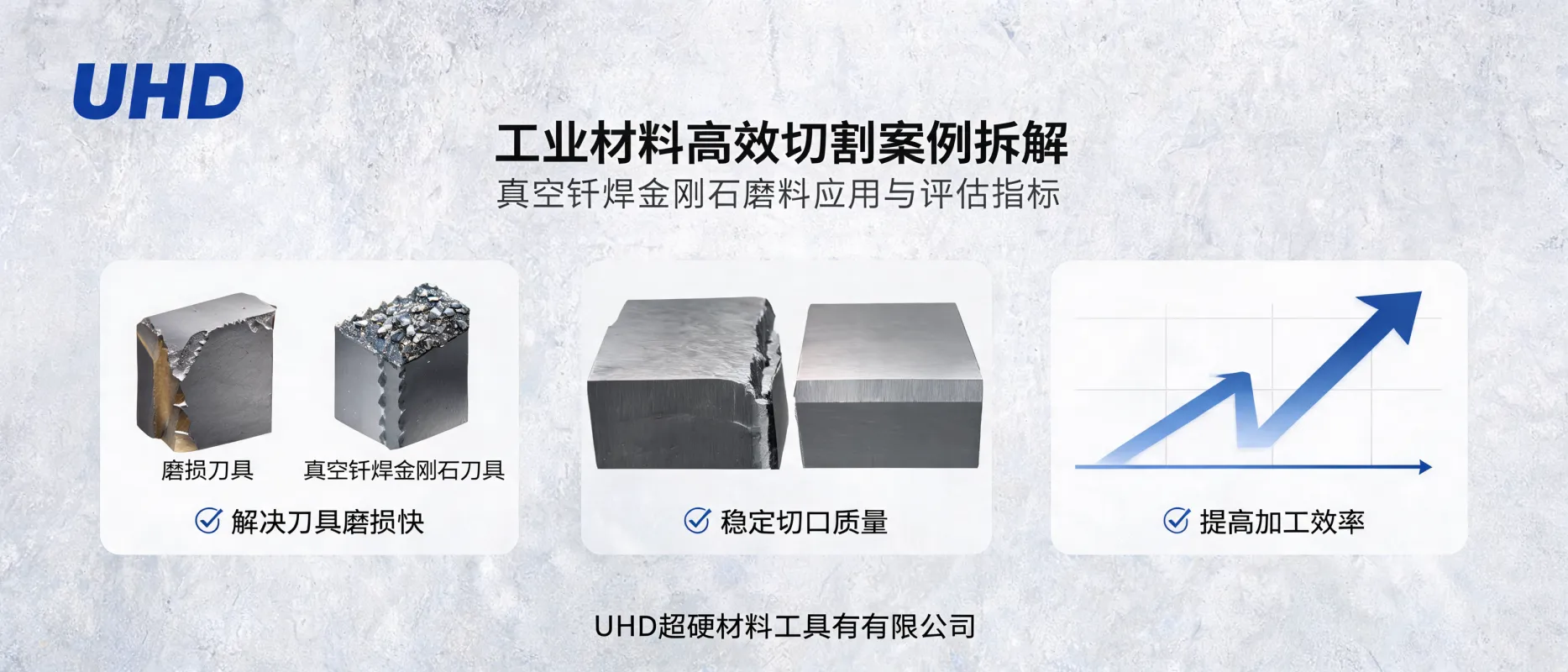

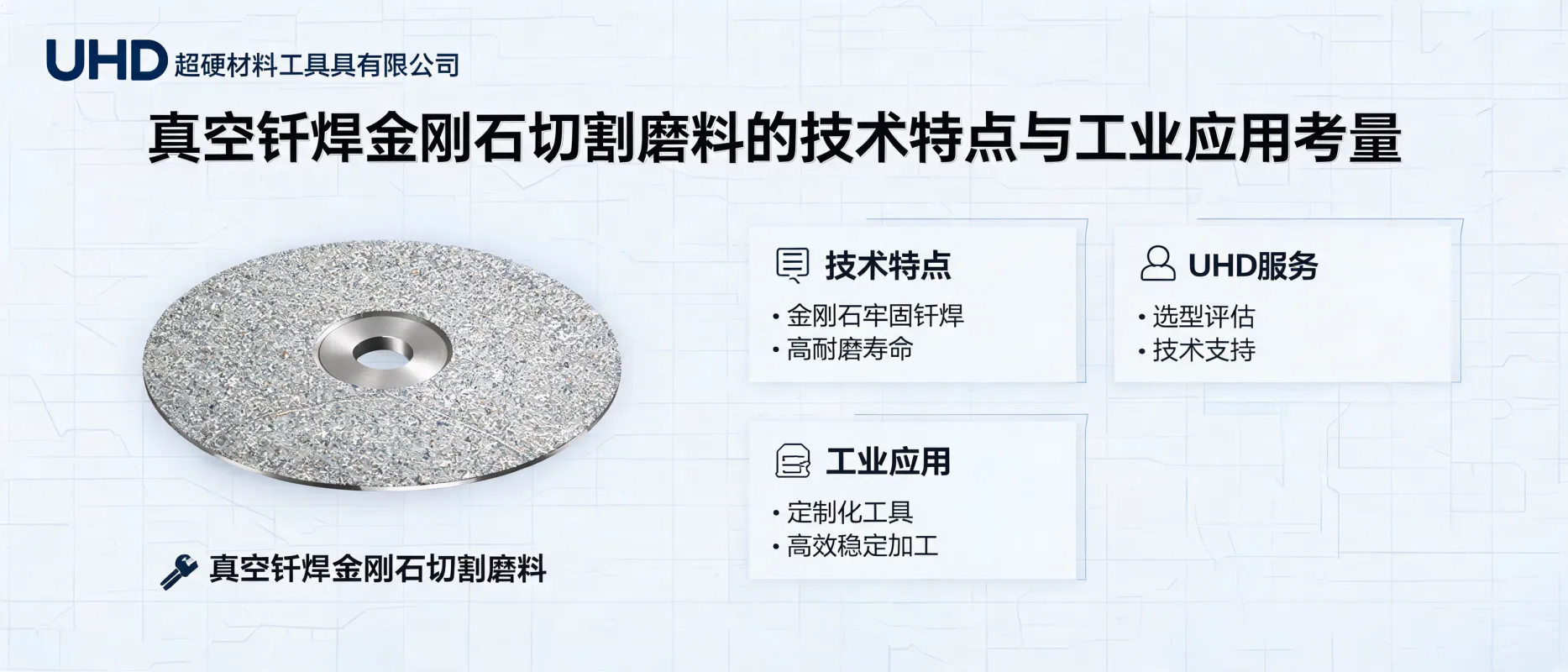


.png?x-oss-process=image/resize,h_100,m_lfit/format,webp)
.png?x-oss-process=image/resize,h_100,m_lfit/format,webp)
.png?x-oss-process=image/resize,h_100,m_lfit/format,webp)

.png?x-oss-process=image/resize,h_800,m_lfit/format,webp)