As global manufacturing standards tighten, compliance with EN 13465—the European standard for dust emissions from grinding tools—is no longer optional but a strategic necessity for industrial safety and operational continuity. In machine shops across Germany, Italy, and the U.S., companies are now re-evaluating their abrasive tool procurement processes to ensure that diamond wheels not only perform efficiently but also meet stringent environmental and health benchmarks.
In early 2023, a Tier-1 automotive supplier in Bavaria faced a production halt after an OSHA-style inspection revealed excessive respirable crystalline silica (RCS) levels during wet grinding operations using non-certified diamond wheels. The facility had been using low-cost alternatives lacking CE certification. According to the German Federal Institute for Occupational Safety and Health (BAUA), such exposures can exceed permissible exposure limits (PELs) by up to 5x when unregulated tools are used—posing serious long-term risks including silicosis and chronic bronchitis among operators.
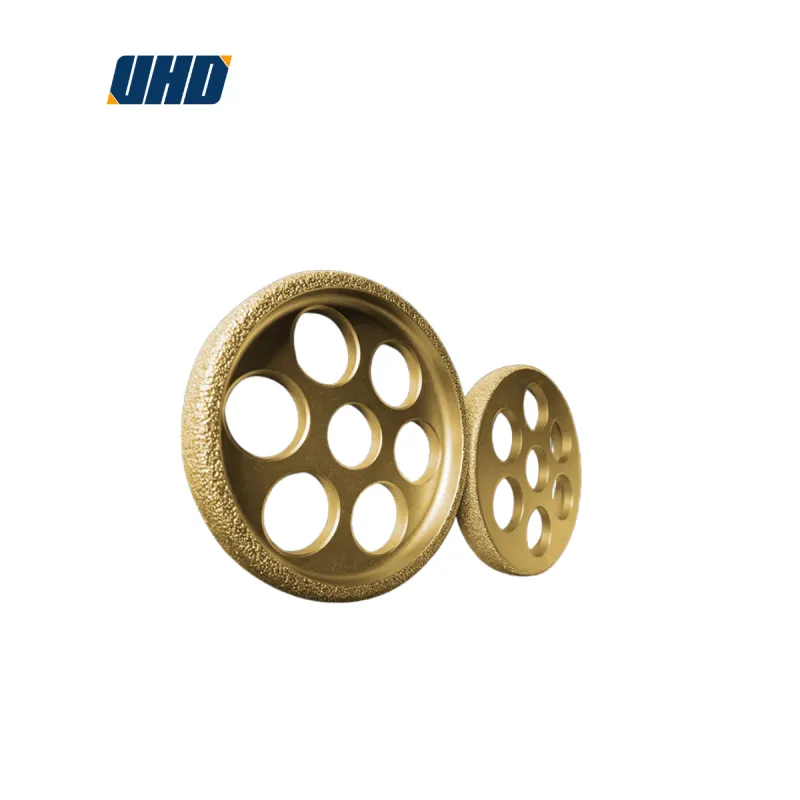
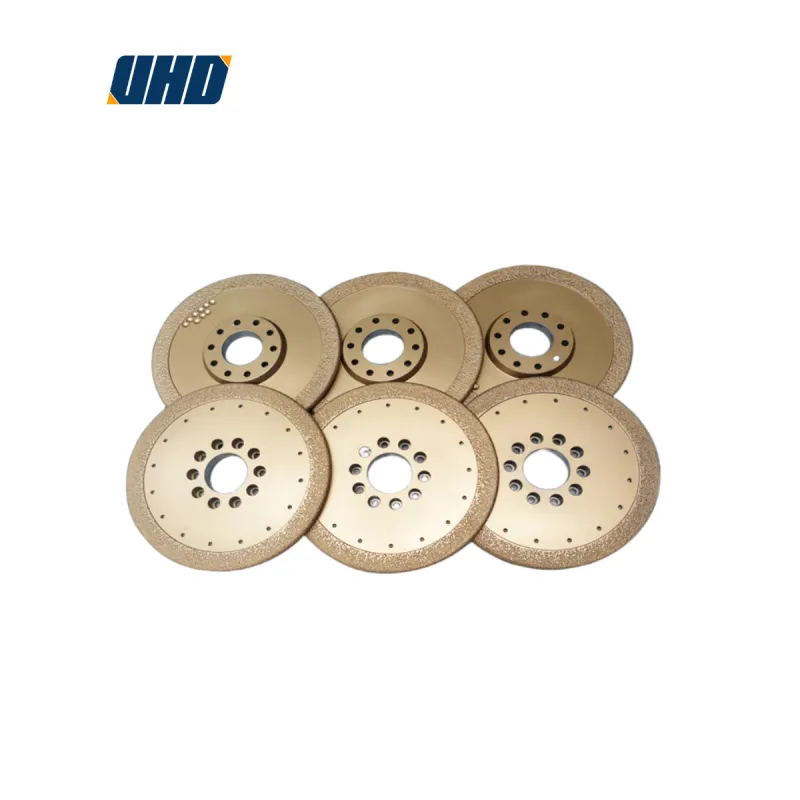
This incident underscores why UHD, a leading manufacturer of vacuum brazed diamond wheels for gray cast iron machining, emphasizes compliance as part of its core value proposition—not just as a legal requirement, but as a performance enabler.
EN 13465 mandates maximum allowable dust emission rates per hour of operation. For example:
| Tool Type | Max Dust Emission (mg/h) | Compliant? (EN 13465) |
|---|---|---|
| Standard Electroplated Wheel | 120–250 mg/h | ❌ No |
| Vacuum Brazed Diamond Wheel (UHD) | ≤ 35 mg/h | ✅ Yes |
That’s a difference of over 70% reduction in particulate matter—a critical factor for both worker safety and regulatory adherence. This level of control is achieved through advanced bonding technologies like vacuum brazing, which minimizes micro-fracture and dust generation compared to traditional electroplating methods.
CE certification under EN 13465 doesn’t just mean safer tools—it means more predictable wear patterns, reduced downtime, and lower maintenance costs. A study by the Fraunhofer Institute found that certified diamond wheels maintained consistent cutting efficiency over 90% of their lifespan, while non-compliant ones saw performance degradation within 60 hours due to uneven grain retention and structural fatigue.
For quality managers and procurement officers in mechanical engineering and mold-making industries, this translates directly into better ROI, fewer recalls, and stronger supply chain trust.
Q: Does EN 13465 apply only to Europe?
A: While developed by CEN (European Committee for Standardization), many countries—including Canada, Australia, and parts of Asia—are adopting similar dust emission standards for occupational health protection. Ignoring it may limit export opportunities or trigger import restrictions.
Q: Can I retrofit my existing machines to reduce dust without changing wheels?
A: Partially. Local exhaust ventilation systems help, but they cannot fully compensate for high-dust-generating wheels. The most effective approach combines compliant tools with proper enclosures and PPE.
Q: How do I verify if a diamond wheel meets EN 13465?
A: Look for clear labeling on the packaging or product datasheet stating “Complies with EN 13465” along with CE mark and ISO 9001 certification. UHD provides downloadable compliance reports upon request—essential for internal audits and customer assurance.
Download our free “Compliance-Driven Diamond Wheel Selection Guide”—with real-world test data, case studies, and step-by-step evaluation criteria tailored for metalworking and automotive OEMs.
Get Your Free Guide Now.png?x-oss-process=image/resize,h_800,m_lfit/format,webp)

 81
|
81
|
 brazed diamond grinding wheel
stainless steel grinding
diamond wheel maintenance
grinding wheel longevity
stainless steel研磨技巧
brazed diamond grinding wheel
stainless steel grinding
diamond wheel maintenance
grinding wheel longevity
stainless steel研磨技巧


.png?x-oss-process=image/resize,h_100,m_lfit/format,webp)
.png?x-oss-process=image/resize,h_100,m_lfit/format,webp)
.png?x-oss-process=image/resize,h_100,m_lfit/format,webp)