
If you process grey cast iron long enough, you’ve probably seen it: the “wrong” diamond wheel diameter turns a normal job into slow feed rates, unstable contact, premature wear, or surprise edge-chipping on thin sections. The good news is that wheel sizing isn’t guesswork—once you connect material behavior, tolerance targets, and machine limits, you can match diameter to task with far less trial and error.
This guide focuses on 100mm–180mm diamond grinding wheels for grey iron and gives you a practical selection method—so you can “make every grind precise and efficient” and “stop wasting time on mis-selection—master the golden rules of choosing”.
Grey cast iron (typical grades like ASTM A48 Class 30–40) has a microstructure with graphite flakes. That’s why it often “machines easily,” yet still creates abrasive dust and can lead to surface tearing if the wheel-workpiece interaction isn’t stable.
In practice, your wheel diameter choice directly affects: contact length (stability), local pressure (material removal vs. risk), heat distribution, and whether you can physically reach the feature (ID/slots/fillets).
Grey iron can tolerate aggressive removal, but it rewards stability. Larger diameters generally provide a steadier arc of contact for broad surfaces, while smaller diameters increase local pressure and “bite”—useful when you need controlled access, but risky on thin edges if your setup flexes.
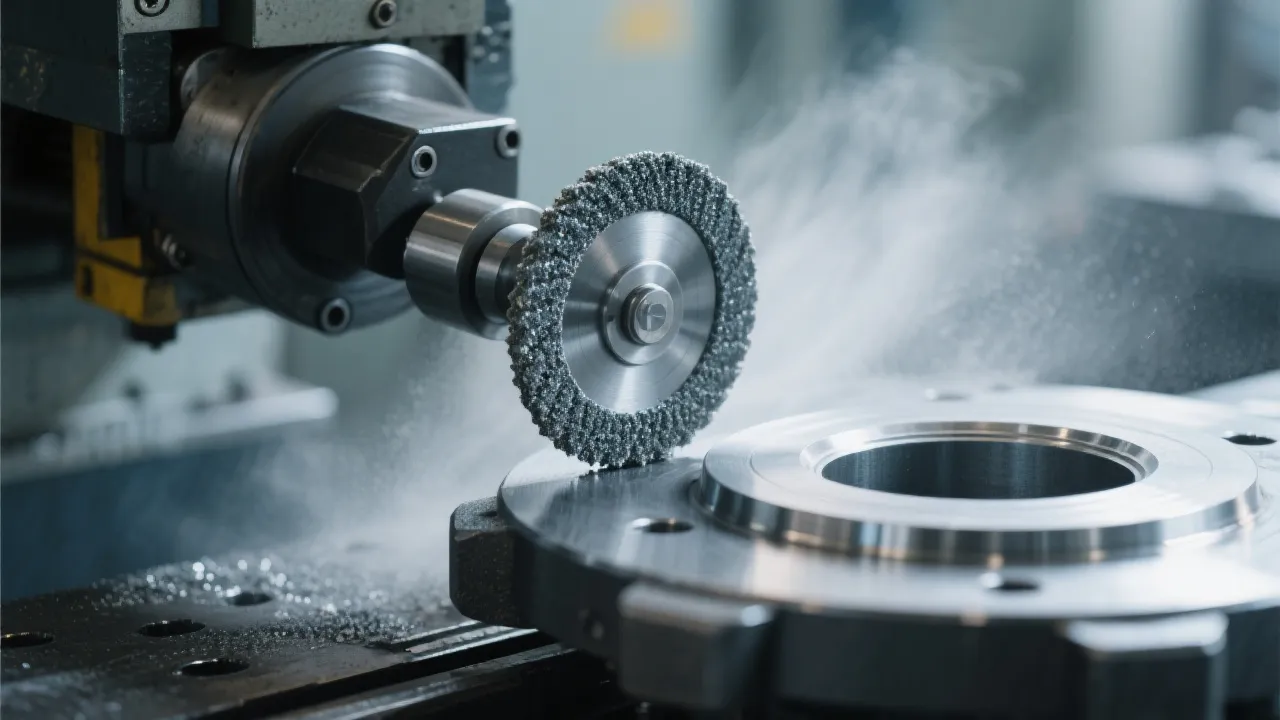
If your goal is an inner bore touch-up, slot cleanup, or a tight corner radius, a big wheel may simply not fit. In those cases, small diameter is not “less efficient”—it’s the only way to keep a proper approach angle and avoid rubbing.
Many shops forget this: wheel diameter and spindle speed together determine your surface speed (m/s). If your grinder can’t maintain stable speed under load, going too large can reduce real removal rate despite “more coverage.” Always verify your machine’s rated wheel size and maximum RPM.
Ask yourself: Are you grinding a feature (ID/slot/fillet) or a surface (face/plate/large pad)? Feature-first usually points to 100–125mm. Surface-first often favors 150–180mm.
Choose 100–125mm when you must work inside constraints: inner holes, narrow pockets, close-to-shoulder areas, or when you want higher maneuverability on hand tools.
Trade-off: less coverage per pass. Your “efficiency” comes from reaching the target cleanly, not from sweeping area.
150mm often becomes the shop default when you do both surface cleanup and moderate detail work. It’s large enough for stability and still manageable on many machines without extreme torque demand.
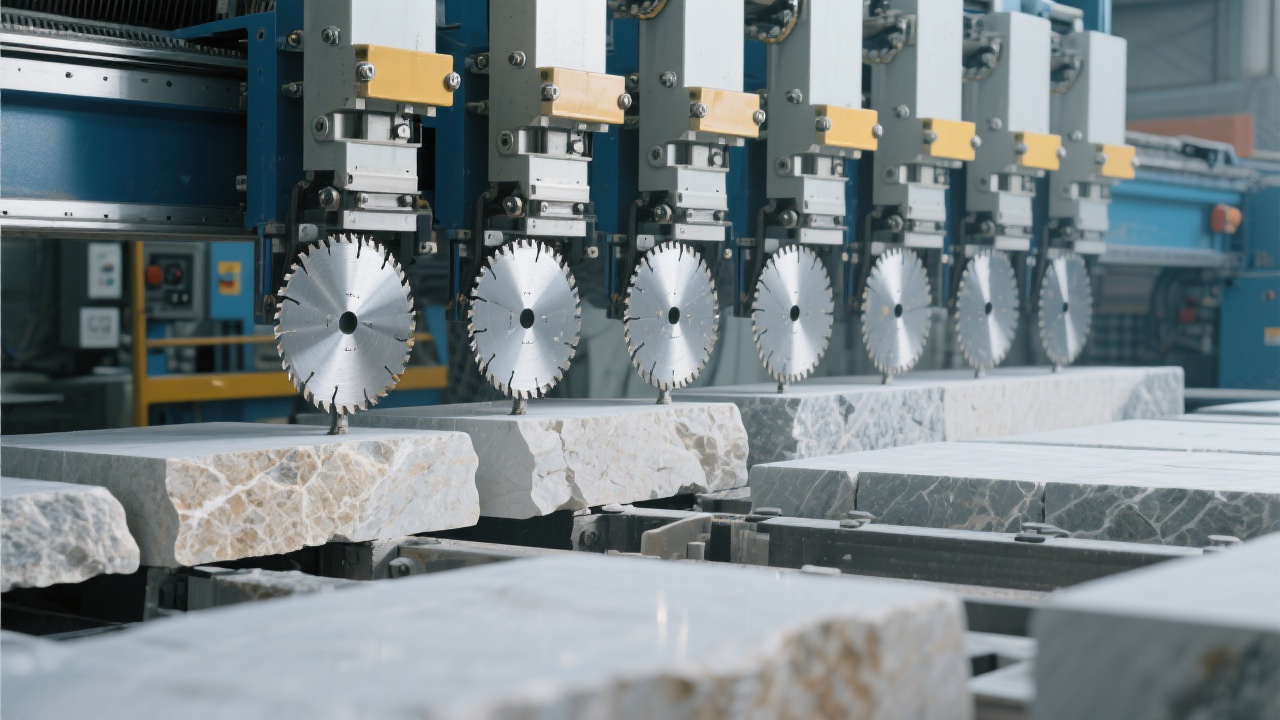
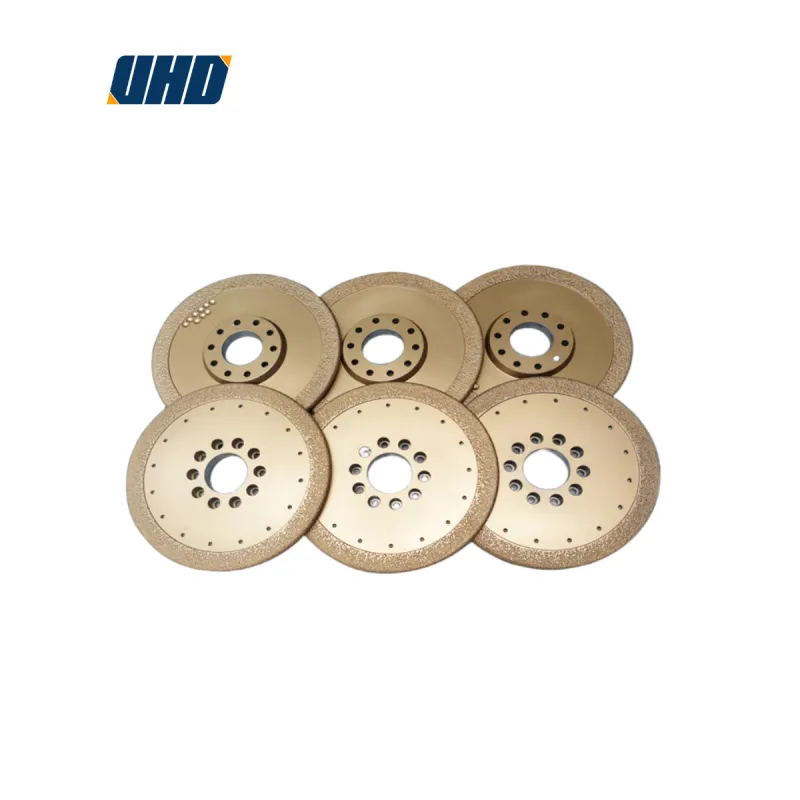
Pick 180mm when your goal is speed on open surfaces: removing gate marks, leveling casting parting lines, or flattening pads before subsequent finishing steps.
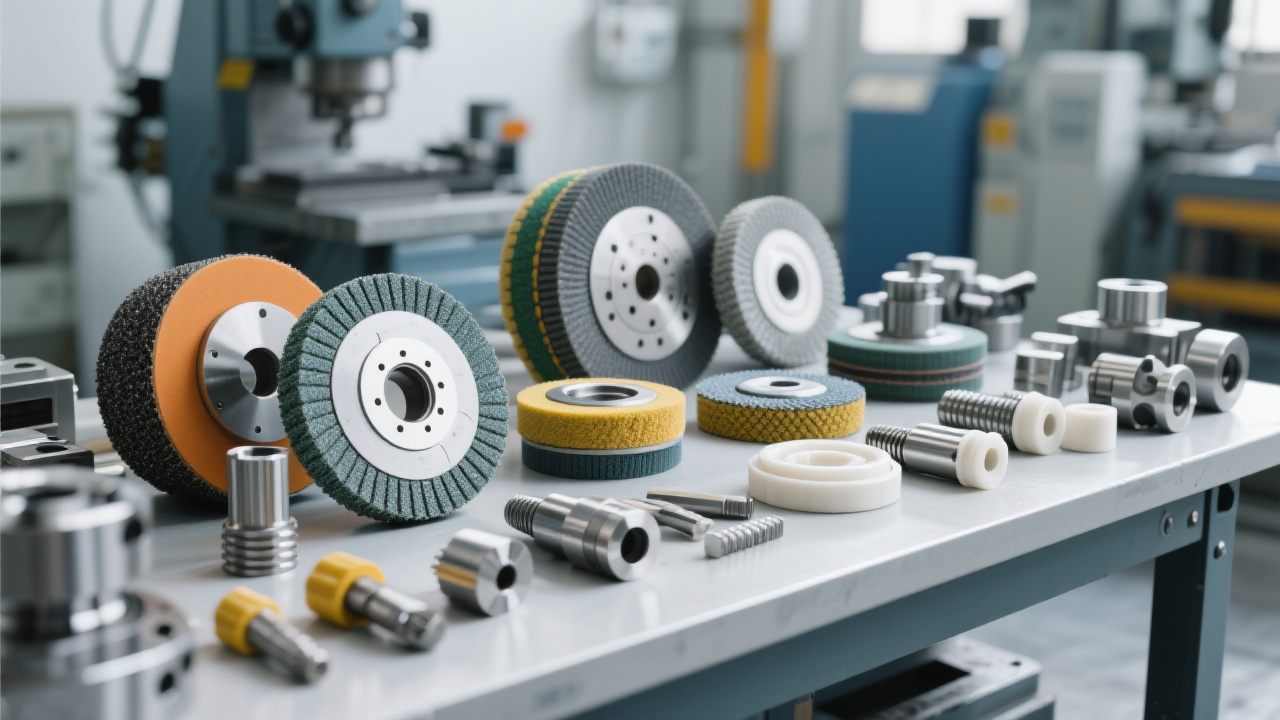
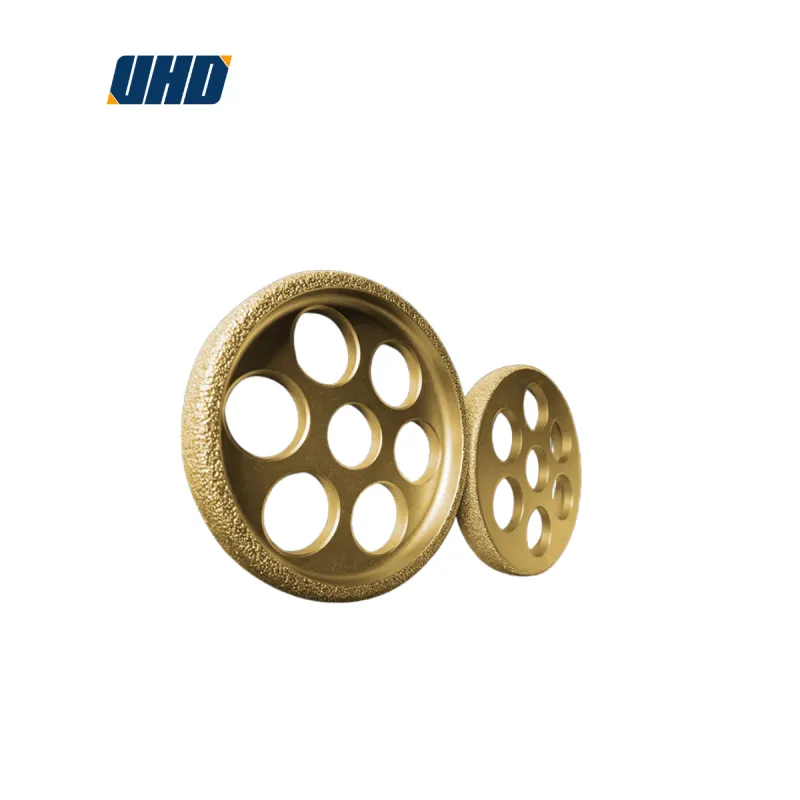
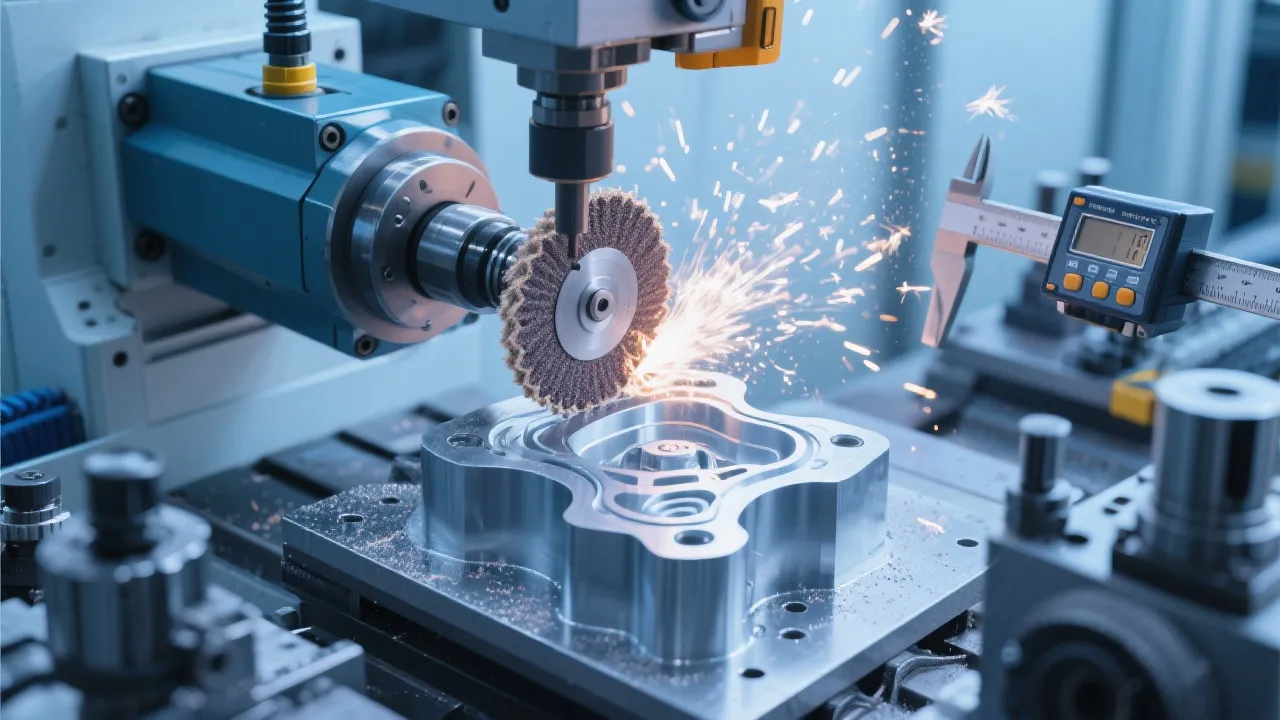
Diameter isn’t the only sizing variable—wheel profile matters just as much when grey iron parts include thin walls, transitions, and multi-radius surfaces. A curved/cup-style wheel can maintain controlled contact and reduce “edge digging” on complex geometry.
A typical example: thin-wall housings or pump bodies where you need to remove casting flash around curved ribs. A flat wheel can create point loading at the edge, while a curved contact helps distribute pressure and keeps the grind predictable.
Use the table below as a working baseline. Real production settings vary by wheel bond, grit, coolant strategy, and machine rigidity—but these ranges are a reliable starting point for many grey cast iron grinding operations.
| Wheel Diameter | Best-fit Operations | Typical Surface Speed | Feed/Pressure Tendency | Risk to Watch |
|---|---|---|---|---|
| 100–115mm | ID blending, tight access deburring, small pads | 20–30 m/s (check RPM limit) | Higher local pressure; precise control needed | Edge gouging on thin walls; chatter on flexible setup |
| 125mm | General-purpose feature cleanup; moderate surfaces | 22–32 m/s | Balanced bite vs stability | Heat marks if dwell time is long |
| 150mm | Mixed rough+finish prep; larger pads; stable deburring | 25–35 m/s | More stable contact; higher real MRR on open areas | Over-grinding edges if not corner-protected |
| 180mm | Fast planar grinding; heavy burr removal; leveling parting lines | 28–38 m/s | Lower local pressure; efficient coverage on rigid fixtures | Machine overload if spindle power is limited; access limitations |
Reference ranges are commonly used across industrial grinding; validate against your grinder’s rated RPM and guarding requirements. Targeting excessive surface speed can increase heat tint and dust loading on grey iron.
When shops feel “grey iron is slow today,” it’s often one of these:
In your workflow, where do you most often feel the pain from wheel sizing—inner bore access, thin-wall edge protection, or large-surface leveling?
UHD focuses on practical diamond wheel selection for real shop constraints—space limits, mixed rough/finish stages, and the need to keep outcomes stable across batches. If you want to shorten your test cycle and lock in a repeatable configuration, start with diameter matched to feature type, then fine-tune surface speed and contact strategy.
Get a fast recommendation for your grey cast iron operation—diameter range, profile suggestion, and a baseline parameter window for a cleaner, more predictable grind.
Note: Always follow safety standards for wheel mounting, guarding, and maximum RPM. If you share your part drawing and current grinder model, you can narrow the choice even further.

.png?x-oss-process=image/resize,h_800,m_lfit/format,webp)
 51
|
51
|
 diamond grinding wheels
EN 13465 dust limit
mechanical processing safety
CE certified grinding tools
industrial abrasive standards
446
|
brazed diamond grinding disc
electroplated diamond disc
active brazing metallurgical bond
diamond grit retention
high temperature wear resistance
65
|
curved profile design
diamond grinding wheel impact resistance
FEA stress distribution
coolant flow optimization
thermal management in grinding
75
|
gray cast iron grinding wheel selection
vacuum brazed diamond grinding wheel
low dust grinding gray cast iron
diamond wheel grit size selection
wear resistant grinding wheel for cast iron
82
|
brazed diamond grinding wheel
stainless steel grinding
diamond wheel maintenance
grinding wheel longevity
stainless steel研磨技巧
diamond grinding wheels
EN 13465 dust limit
mechanical processing safety
CE certified grinding tools
industrial abrasive standards
446
|
brazed diamond grinding disc
electroplated diamond disc
active brazing metallurgical bond
diamond grit retention
high temperature wear resistance
65
|
curved profile design
diamond grinding wheel impact resistance
FEA stress distribution
coolant flow optimization
thermal management in grinding
75
|
gray cast iron grinding wheel selection
vacuum brazed diamond grinding wheel
low dust grinding gray cast iron
diamond wheel grit size selection
wear resistant grinding wheel for cast iron
82
|
brazed diamond grinding wheel
stainless steel grinding
diamond wheel maintenance
grinding wheel longevity
stainless steel研磨技巧


.png?x-oss-process=image/resize,h_100,m_lfit/format,webp)
.png?x-oss-process=image/resize,h_100,m_lfit/format,webp)
.png?x-oss-process=image/resize,h_100,m_lfit/format,webp)