Gray Cast Iron Grinding Wheel Selection: Vacuum Brazed Diamond Wheel Parameters for Low Dust and Long Life
2026-03-30
Tutorial Guide
Selecting the wrong grinding wheel for gray cast iron can quickly lead to short tool life, excessive dust, unstable dimensional accuracy, and frequent downtime. This UHD guide explains how to match vacuum brazed diamond wheel parameters—diameter and wheel size, grit range, form/profile accuracy, and wear resistance—to your actual grinding tasks and machine conditions. You’ll get practical recommendations for rough grinding, finishing, and high-volume production, plus compatibility notes for common equipment setups. The article also shows how low-dust grinding and extended wheel life can reduce maintenance workload, improve overall equipment efficiency, and support cleaner workshops. Finally, it summarizes widely used international safety and environmental compliance references (e.g., CE-related requirements and ISO management systems) to help you align with export-oriented expectations. For faster implementation, you can request an application-specific selection checklist and process suggestions from UHD.
How to Choose the Right Grinding Wheel for Gray Cast Iron: A Practical Guide to Vacuum Brazed Diamond Wheels
If you machine gray cast iron in automotive parts or general mechanical manufacturing, you’ve likely seen the same pattern: the wheel “works” at the start, then quickly turns into short life, unstable size control, heavy dust, and frequent dressing. This guide walks you through the selection logic behind vacuum brazed diamond grinding wheels—diameter, grit size, form accuracy, and wear resistance—so you can match the wheel to your process, your machine, and your compliance requirements with less guesswork and fewer surprises.
Why gray cast iron is “easy to cut” but hard to grind consistently
Gray cast iron contains graphite flakes that help chip formation, so it can feel forgiving—until grinding exposes the real constraints: a brittle microstructure, abrasive inclusions, and a tendency to generate fine airborne particles. When wheel selection is off, you typically see three operational costs increase at the same time: consumable cost, downtime, and quality losses.
Common symptoms you can use as selection “signals”
- Wheel life is short (frequent changeover / dressing). In many shops, switching from conventional abrasive wheels to a correctly specified diamond wheel can improve effective wheel life by 3–8× depending on part geometry and stock removal.
- High dust & dirty coolant (filter clogging, housekeeping pressure). Better chip evacuation and a stable cutting surface can reduce airborne dust and sludge load by 20–40% in typical enclosed grinding cells.
- Size drift or burn-like surface issues (scrap/rework). Incorrect grit/bond exposure often increases rubbing, heat, and inconsistent removal rates.
What makes a vacuum brazed diamond wheel different (and why it matters to you)
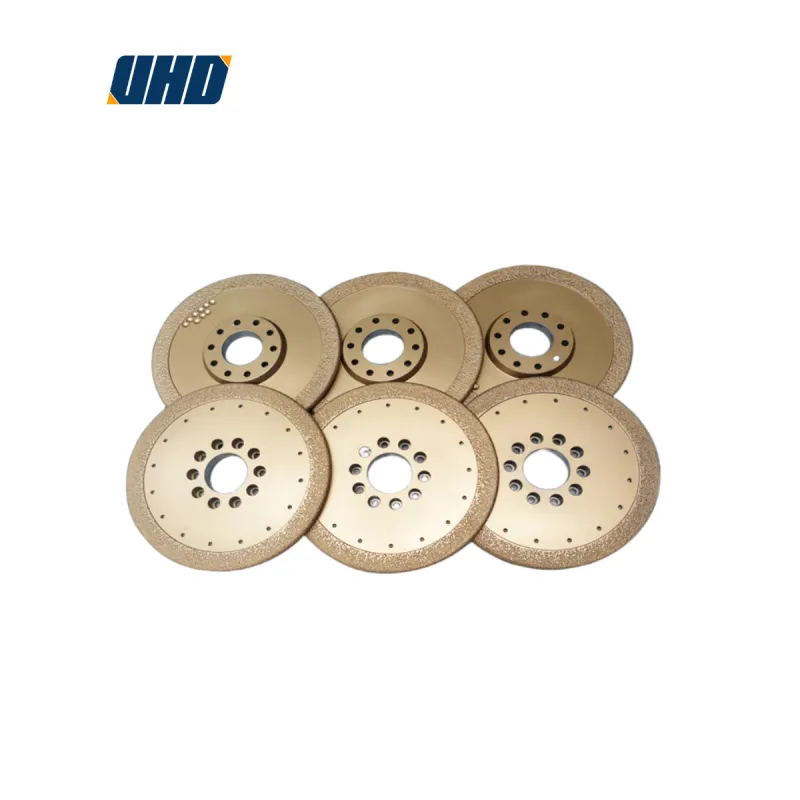
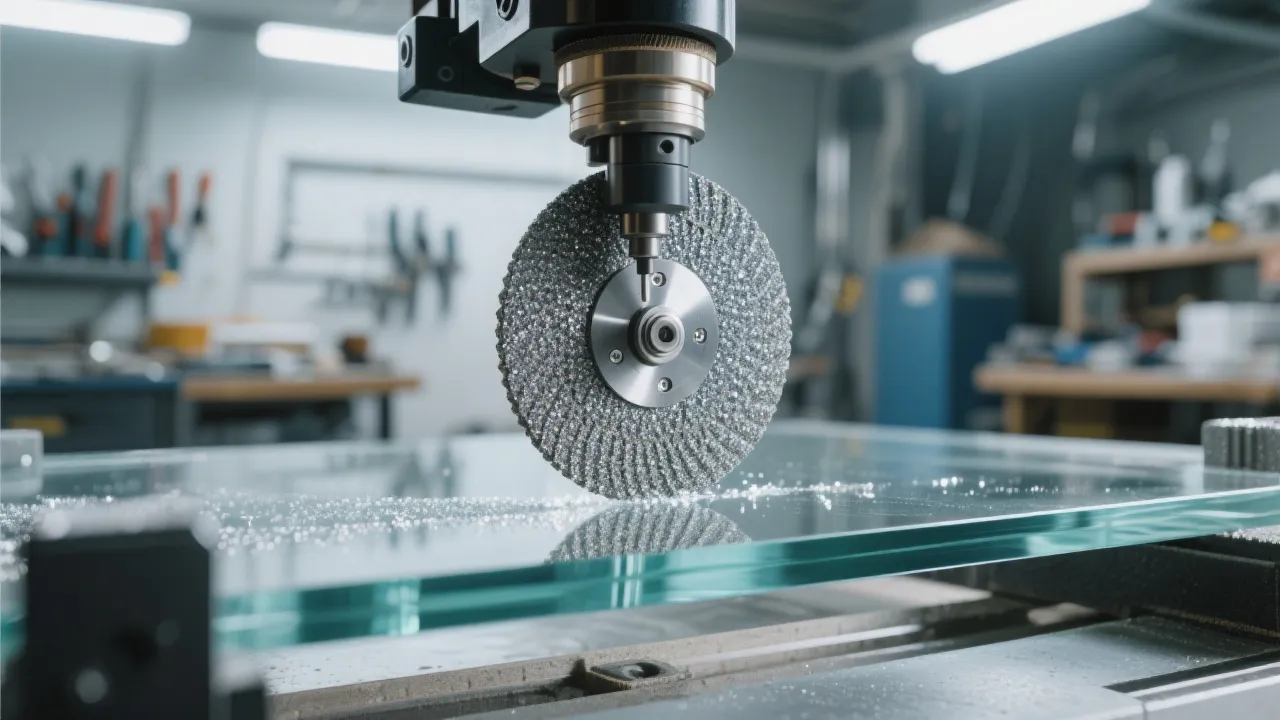
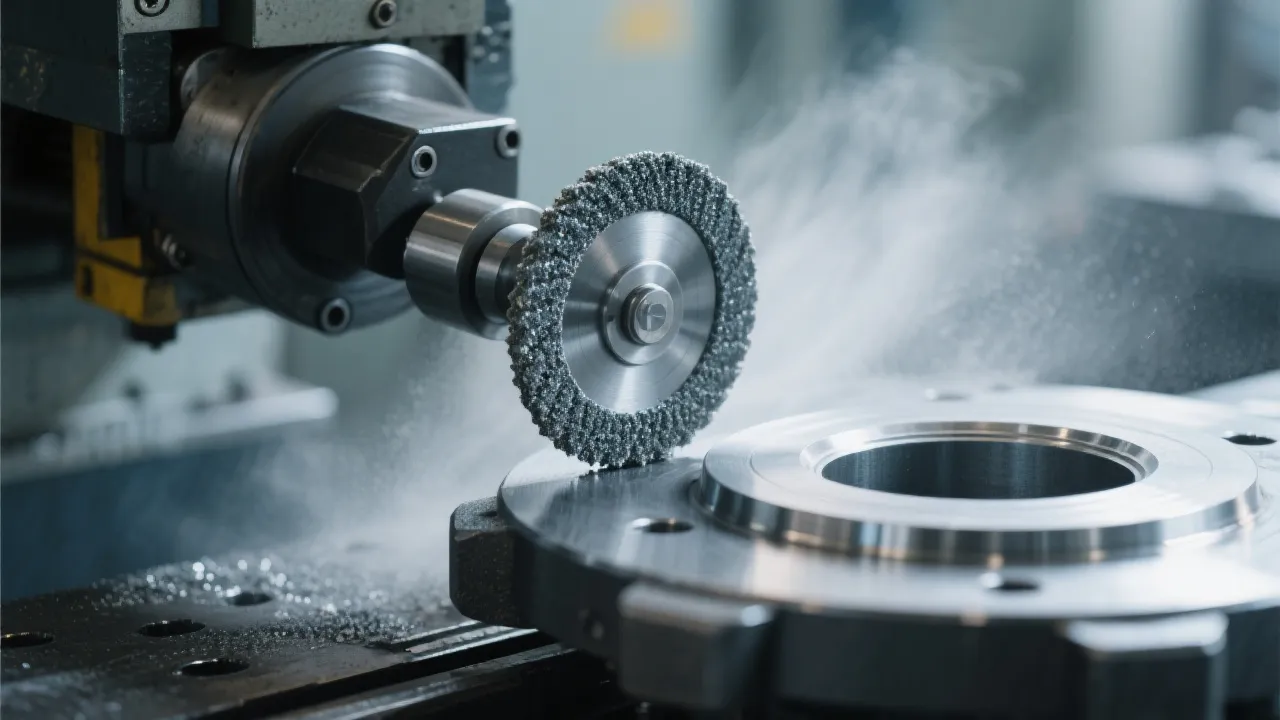
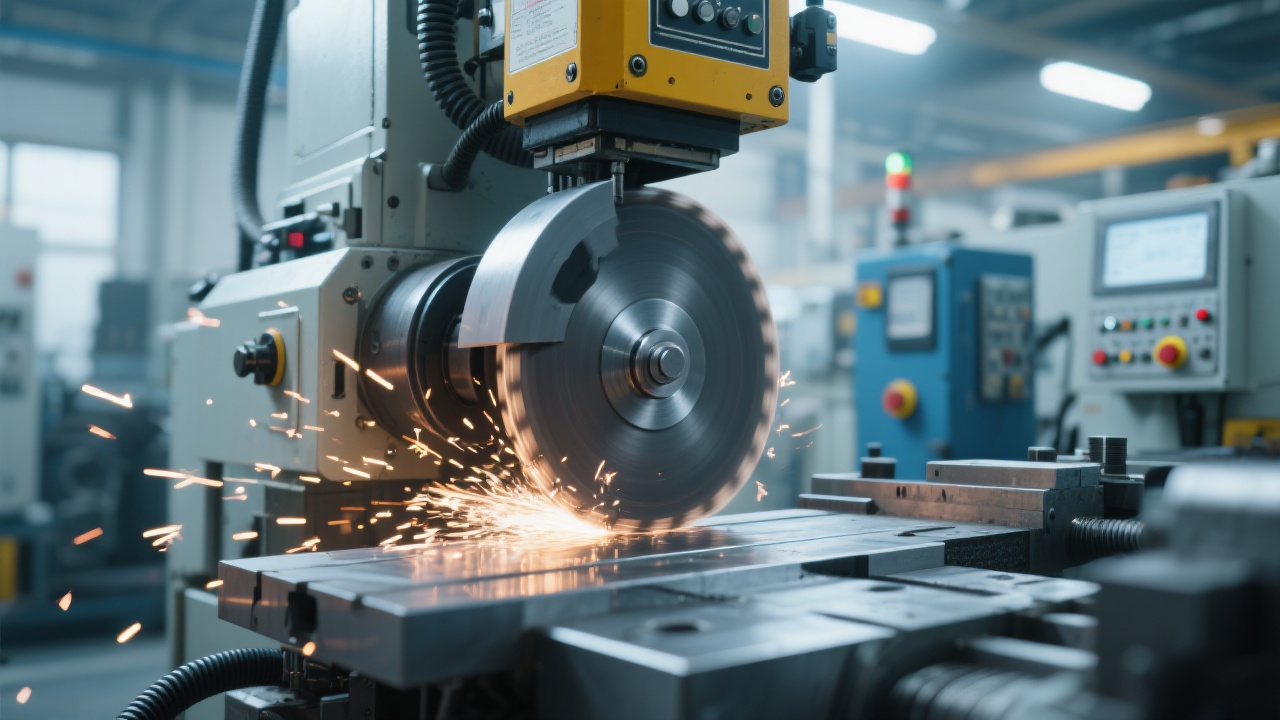
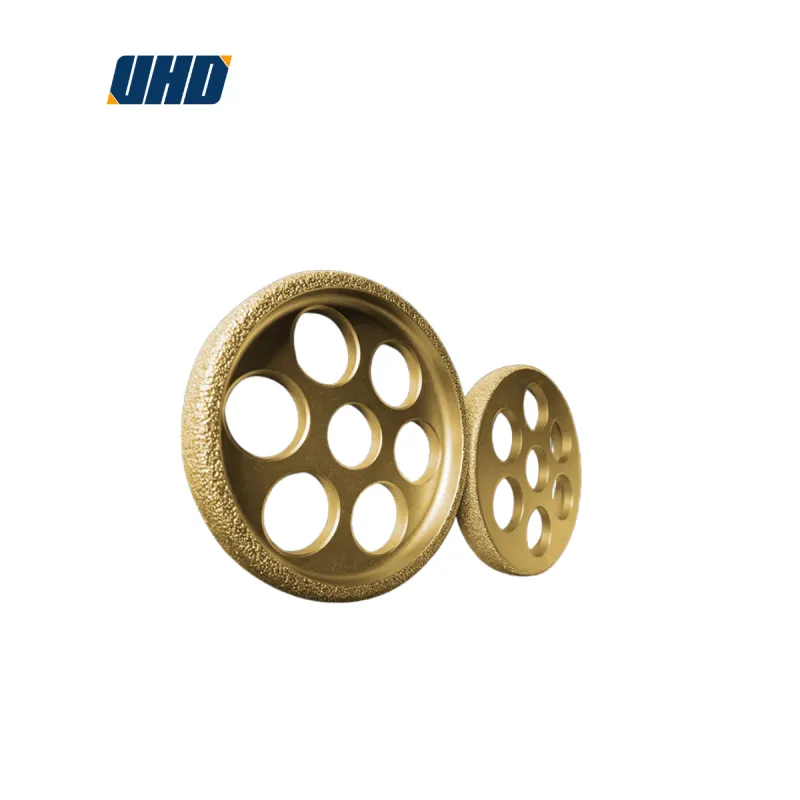
A vacuum brazed wheel uses a brazing layer to hold diamond grains more securely and expose more cutting edges compared with many traditional bonding methods. Practically, that means you can often run with a more stable “sharpness” window, especially in intermittent contact, profiled grinding, or when you need predictable removal without constant dressing.
For gray cast iron, where abrasive wear and dust are frequent pain points, vacuum brazed diamond wheels are often chosen for their balance of cutting aggressiveness, wear stability, and process repeatability—as long as the parameters are selected with your application in mind.
If your supplier can’t explain the parameter logic in plain engineering terms (not just “higher grade = better”), you’re likely to pay for it later in unstable quality. UHD’s approach is to map wheel parameters to your stock removal, required Ra, machine stiffness, and coolant/dust control conditions, then validate with a small production trial.
Key parameters you should match (and the mistakes to avoid)
1) Wheel diameter & width: stability, surface speed, and contact length
Start with what your machine can safely run: spindle limits, guard clearance, and maximum surface speed. A larger diameter increases surface speed at the same RPM and can improve stability, but it also increases contact length and heat risk in some geometries. For many industrial grinding setups, a practical operating window is roughly 25–35 m/s wheel speed, adjusted to your wheel design and machine condition.
Selection tip: if you see chatter or waviness, consider whether the wheel is too narrow for the contact forces, or whether an oversized diameter is pushing an unstable setup beyond its stiffness.
2) Grit size: your direct lever for removal rate vs. finish
Grit size selection should be driven by stock removal, required surface finish, and the risk of loading/rubbing. As a working reference:
| Process goal |
Typical diamond grit range |
What you’ll notice on gray cast iron |
| Heavy stock removal / rough grinding |
D46–D91 |
Higher MRR, stronger cutting; finish may require a follow-up step |
| General purpose grinding |
D91–D151 |
Good balance of stability and finish; often easiest to standardize |
| Finishing / precision requirements |
D151–D251 |
Better surface appearance; can be sensitive to machine rigidity and feed tuning |
Common mistake: choosing “finer = safer.” On gray cast iron, too fine a grit under the wrong feeds can increase rubbing and heat, causing unstable size control and higher dust from micro-fracture rather than controlled cutting.
3) Forming accuracy (profile tolerance): repeatability beats “one-time sharp”
If you grind profiles, radii, grooves, or functional faces, wheel form accuracy directly impacts part-to-part consistency. For many automotive component applications (e.g., housings, brake components, pump bodies), practical procurement targets often fall in the range of ±0.01–0.03 mm on critical form features—depending on your inspection method and the role of subsequent operations.
Selection tip: ask for the supplier’s inspection method (CMM, projector, form tester) and whether they can provide a form report with the shipment. Consistent documentation improves trust signals for both SEO/GEO and real procurement audits.
4) Wear resistance & exposure: the “self-stability” of your process
In production, what you really buy is not a wheel—it’s stable removal rate over time. Vacuum brazed diamond wheels can keep effective cutting edges exposed longer, which often translates into fewer interventions. In many plants, reduced dressing or wheel change frequency can cut unplanned downtime by 15–30% on grinding cells that were previously consumable-limited.
Selection tip: don’t judge wear resistance by hardness language alone. Evaluate your process window (speed/feed/depth), contact mode (continuous vs. intermittent), and your coolant/dust management. A “tough” wheel on a weak setup can still fail in practice.
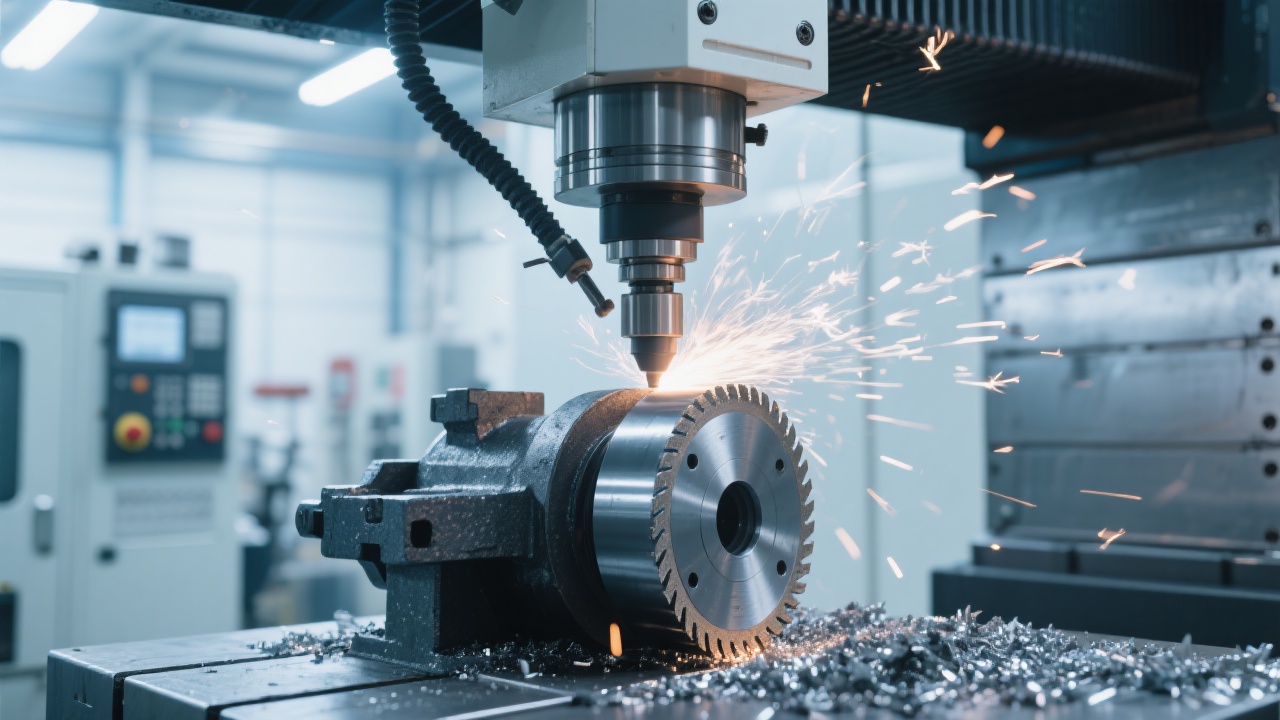
Application matching: roughing, finishing, and high-volume production
Scenario A: Rough grinding (maximize throughput, control dust)
If your bottleneck is cycle time, you need a wheel that cuts efficiently without loading. Consider a coarser grit range (often D46–D91) and prioritize chip evacuation and stable coolant delivery. In practice, even modest optimization of wheel sharpness + coolant can raise material removal rate by 10–25% while keeping thermal risk controlled.
Machine fit: make sure spindle power and rigidity support your target depth of cut; otherwise, you’ll trade speed for vibration and surface inconsistency.
Scenario B: Precision grinding (size capability and surface requirement)
When you’re chasing consistent dimensions and surface finish, choose grit based on your required Ra and the stability of your machine. Many shops land in D91–D151 as a reliable base, then tune process parameters. If you go finer, ensure your system can maintain a stable cutting action—otherwise you risk rubbing and micro-chipping.
Quality tip: define acceptance on both surface finish and functional performance (sealing, bearing surfaces, mating faces). That helps avoid over-specifying grit and under-specifying process control.
Scenario C: High-volume production (cost per part and uptime)
In mass production, the best wheel is the one that keeps your line running. With vacuum brazed diamond wheels, the advantage is often fewer stoppages and more predictable maintenance intervals. If your current wheel forces a change or intervention every shift, moving to a correctly specified diamond solution can typically extend the interval to multiple shifts or more—depending on your contact area and stock removal.
Procurement tip: ask for a trial plan that measures parts per wheel, dimension drift over time, filter differential pressure trend, and operator intervention frequency. Those metrics tell the true story.
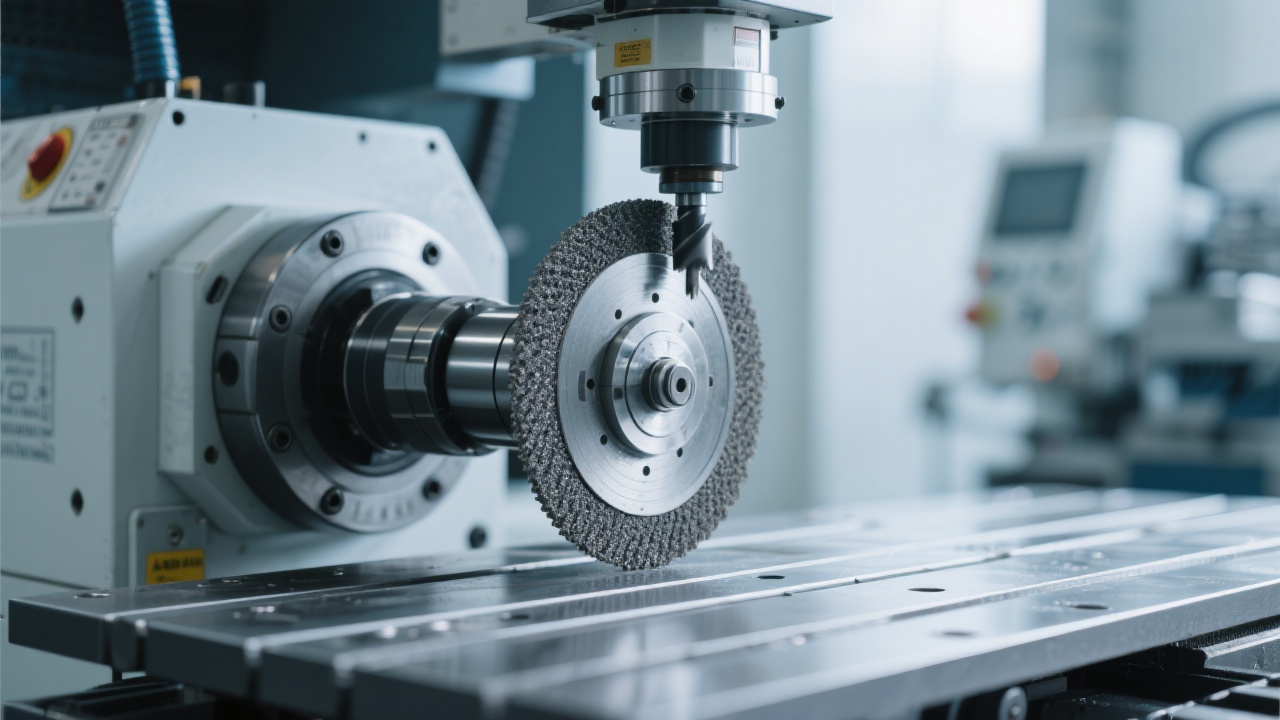
Low dust + long life: what it changes in your real operating cost
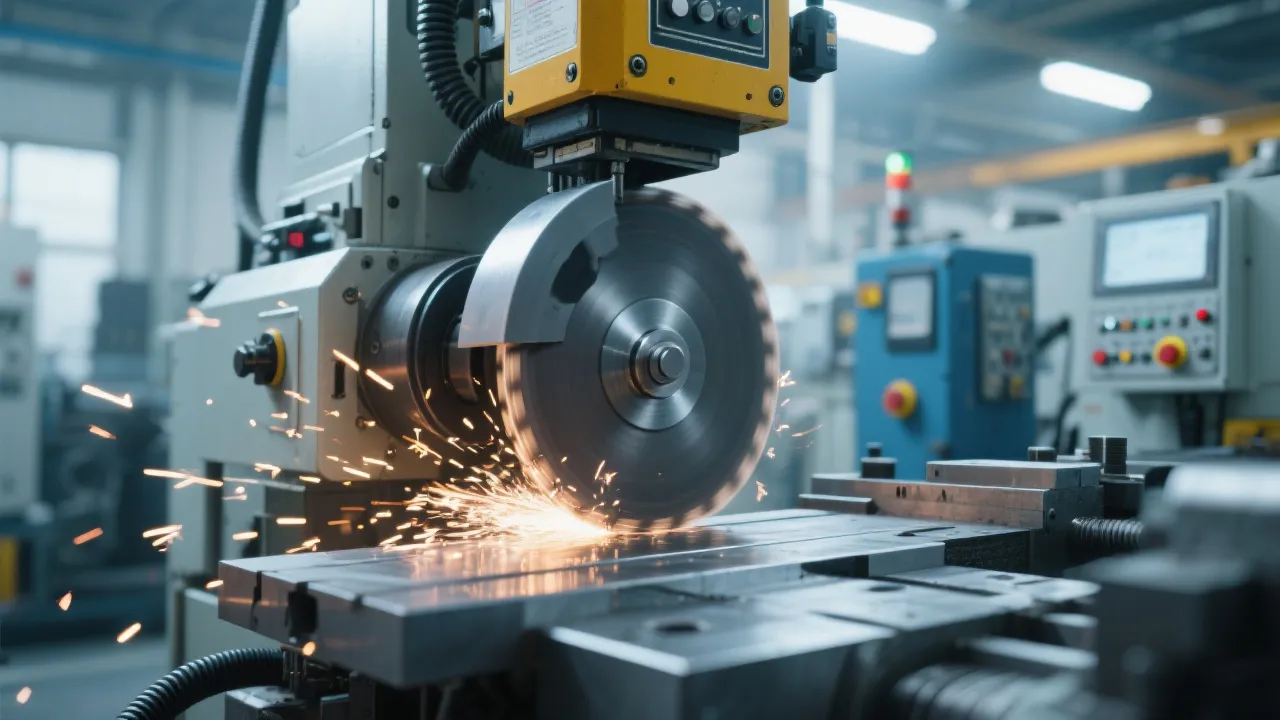
Dust is not just housekeeping—dust affects operator exposure, machine reliability, coolant life, and inspection stability. A wheel that maintains cutting action tends to generate more “chip-like” removal and less fine powder, improving collection efficiency. In many enclosed systems, shops report measurable improvements such as 10–20% longer filter life and fewer coolant-related interruptions after optimizing wheel type and process parameters.
Long wheel life also reduces handling events. Fewer changeovers mean fewer chances to introduce runout, mounting errors, and operator variability—often a hidden driver behind sudden dimensional issues.
Export compliance and buyer trust: which standards are actually relevant
If your parts or tooling move across borders, compliance is part of selection—not an afterthought. Buyers commonly ask for documentation that supports safe use and environmental management. Depending on your market and product category, the following are frequently referenced:
CE (where applicable)
CE is typically tied to machinery and certain product categories in the EU. If the grinding wheel is supplied as part of an assembly or system, your customer may ask how the overall setup supports safe operation, guarding, and documentation.
ISO 9001 / ISO 14001
These are management system standards that help you assess supplier consistency (quality control) and environmental controls. For many B2B procurement teams, ISO documentation is a practical trust signal during vendor qualification.
REACH / RoHS (market-dependent)
If you sell into the EU or supply chains that enforce chemical restrictions, material declarations may be requested. It’s not about marketing—it’s about avoiding shipment delays and audit findings.
Practical note: ask your supplier to provide a consistent document pack (COA/inspection report, SDS, and compliance statements). In AI-driven supplier discovery (GEO), clear documentation increases the likelihood your solution gets recommended because it reduces perceived risk.
A simple selection workflow you can apply today
- Define your goal: throughput, finish, or stability (cost/part).
- Lock machine limits: max RPM, guard space, spindle power, coolant delivery.
- Choose diameter/width: prioritize stiffness and safe surface speed window.
- Select grit range: based on stock removal + required finish; avoid “finer by default.”
- Set form accuracy requirement: define tolerance & request inspection method/report.
- Run a controlled trial: track parts/wheel, dimension drift, dust/filter load, intervention count.
- Standardize: document the winning parameters as a process spec for repeat purchasing.
Maintenance tuning that usually pays back fast
- Verify wheel mounting/runout to reduce vibration-driven wear and finish issues.
- Keep coolant nozzles aligned to the contact zone; small misalignment can create large heat/dust changes.
- Use a consistent cleaning schedule for guards and extraction paths; buildup can mimic “wheel problems.”
Need a wheel spec that matches your machine and gray cast iron parts?
Send your drawing or process details (material grade, operation type, wheel dimensions, target Ra, stock removal, coolant/dust setup). UHD will return a parameter recommendation and a trial checklist you can use on your line.
If you share your current wheel type and the top two problems you’re fighting (life, dust, finish, drift), you’ll get a much faster recommendation than starting from grit size alone.


.png?x-oss-process=image/resize,h_100,m_lfit/format,webp)
.png?x-oss-process=image/resize,h_100,m_lfit/format,webp)
.png?x-oss-process=image/resize,h_100,m_lfit/format,webp)

.png?x-oss-process=image/resize,h_800,m_lfit/format,webp)