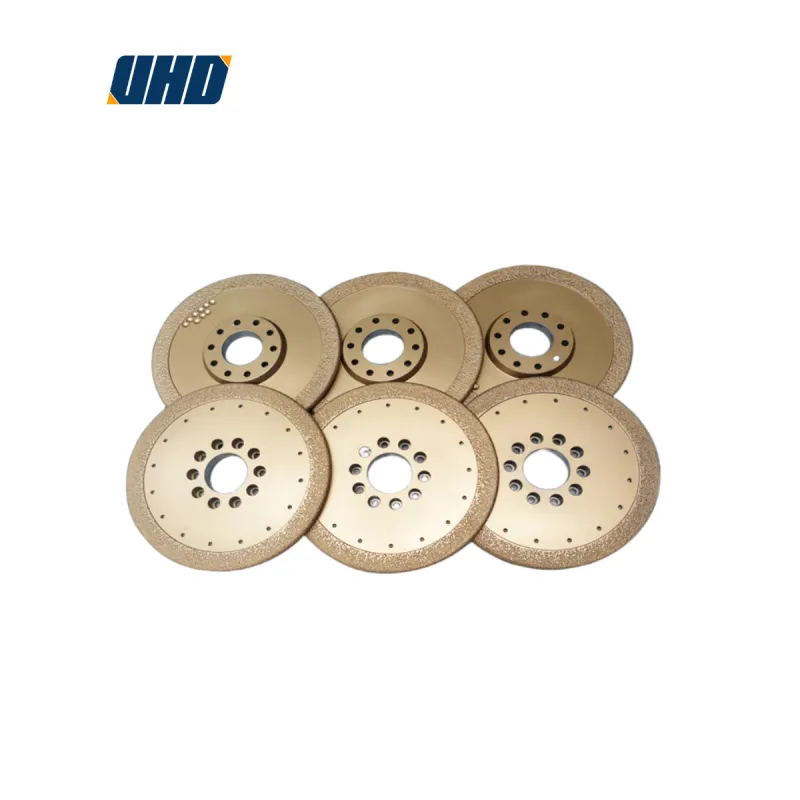
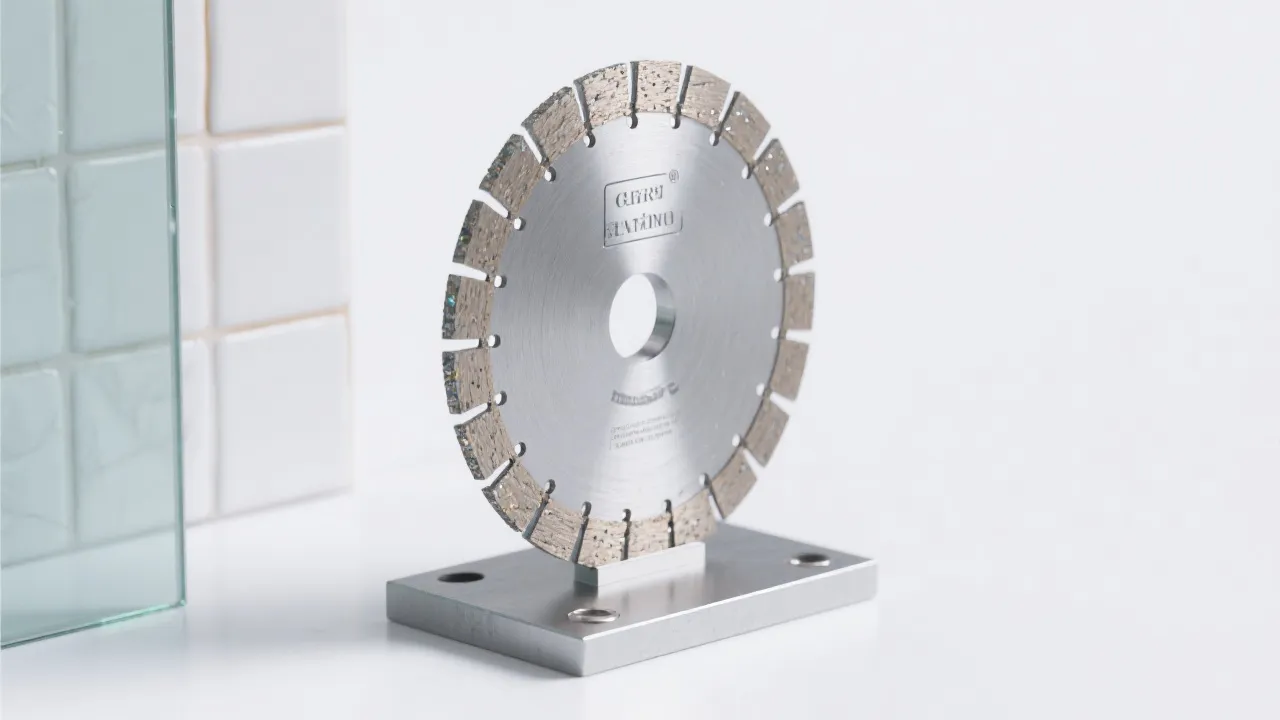
This technical guide explains how to select the most efficient diamond grinding disc size for gray iron machining within the 100–180mm diameter range. It objectively compares small-diameter discs for precision internal bores and tight-access areas versus larger discs for rapid stock removal, deburring, and large-surface grinding. Selection is broken down into three practical decision factors—material hardness and abrasiveness, required surface finish/tolerance, and machine limits such as spindle power, allowable RPM, guard clearance, and fixture rigidity. The article also clarifies when to use flat discs for stable planar grinding and when curved (profile) discs offer better contact control on complex radii, thin-wall castings, and distortion-prone parts. With application-focused parameter recommendations and on-site tuning tips for speed, feed, and clamping checks, UHD presents a field-ready approach to improve throughput and quality while reducing wheel waste and workpiece damage.
Choosing Diamond Grinding Disc Size for Grey Cast Iron: 100mm vs 180mm, What’s Really More Efficient?
In grey cast iron (GG), “bigger disc = higher efficiency” is only true in specific conditions. In production, disc diameter affects surface speed, contact area, heat generation, and machine load—which together determine removal rate, stability, and scrap risk. This guide breaks down how to select 100–180mm diamond grinding discs by focusing on three decision factors: material behavior, precision requirement, and equipment limits, while also clarifying when flat vs curved wheel faces outperform each other.
Why Grey Cast Iron Behaves Differently in Grinding
Grey cast iron contains graphite flakes that act like built-in chip breakers. That helps prevent long, stringy chips, but it also introduces two realities in grinding: (1) abrasive wear can accelerate due to embedded hard particles and casting skin, and (2) dust management matters because dry grinding generates fine particulate. For diamond tools, the common rule is simple: the disc must stay sharp enough to avoid rubbing, yet stable enough to prevent chatter on brittle edges.
In practice, grey iron shops typically target moderate pressure, avoid excessive dwell, and tune RPM so the tool “cuts” rather than polishes. That’s where diameter selection becomes a process decision—not a catalog decision.
The 3 Factors That Decide Disc Diameter (100–180mm)
1) Material hardness & structure: not only “hard vs soft”
Grey cast iron usually sits around HB 180–260 (varies by grade and heat history). The bigger challenge is often the casting skin and local hard spots. A larger disc (e.g., 150–180mm) tends to spread load and stay stable in roughing, but it can also build heat if surface speed is too high. A smaller disc (100–125mm) reacts faster and can maintain bite in tight features—useful when local geometry changes quickly.
2) Precision requirement: contact area controls control
For tight tolerance bores, thin walls, or features sensitive to taper, a smaller diameter often provides better controllability because the effective contact patch is smaller. Less contact area reduces drag and makes it easier to correct localized high spots without over-grinding adjacent surfaces.
3) Equipment limits: spindle power, max RPM, and guarding
Tool diameter must match spindle power, machine rigidity, and maximum safe speed. Many workshops overlook that the same RPM produces very different surface speeds (m/s) as diameter changes. Excess surface speed can turn cutting into rubbing—raising temperature, glazing the abrasive, and increasing edge chipping risk on brittle cast features.
Surface speed (m/s) ≈ π × D (m) × RPM / 60. That means at a fixed RPM, a 180mm disc runs 80% faster on the rim than a 100mm disc.
Example RPM
100mm disc
150mm disc
180mm disc
3,500 RPM
~18.3 m/s
~27.5 m/s
~33.0 m/s
6,000 RPM
~31.4 m/s
~47.1 m/s
~56.5 m/s
For grey cast iron, many shops keep diamond grinding in a practical 20–40 m/s band depending on bond, coolant strategy, and dust extraction. Use this as a starting reference, then validate with temperature, sparks pattern, and finish.
Small Diameter (100–125mm): When It’s the Most Efficient Choice
Smaller discs shine when the goal is control rather than raw coverage. In grey iron, that often means features that punish over-contact: internal bores, pockets, ribs, and thin sections that ring or vibrate.
Best-fit applications
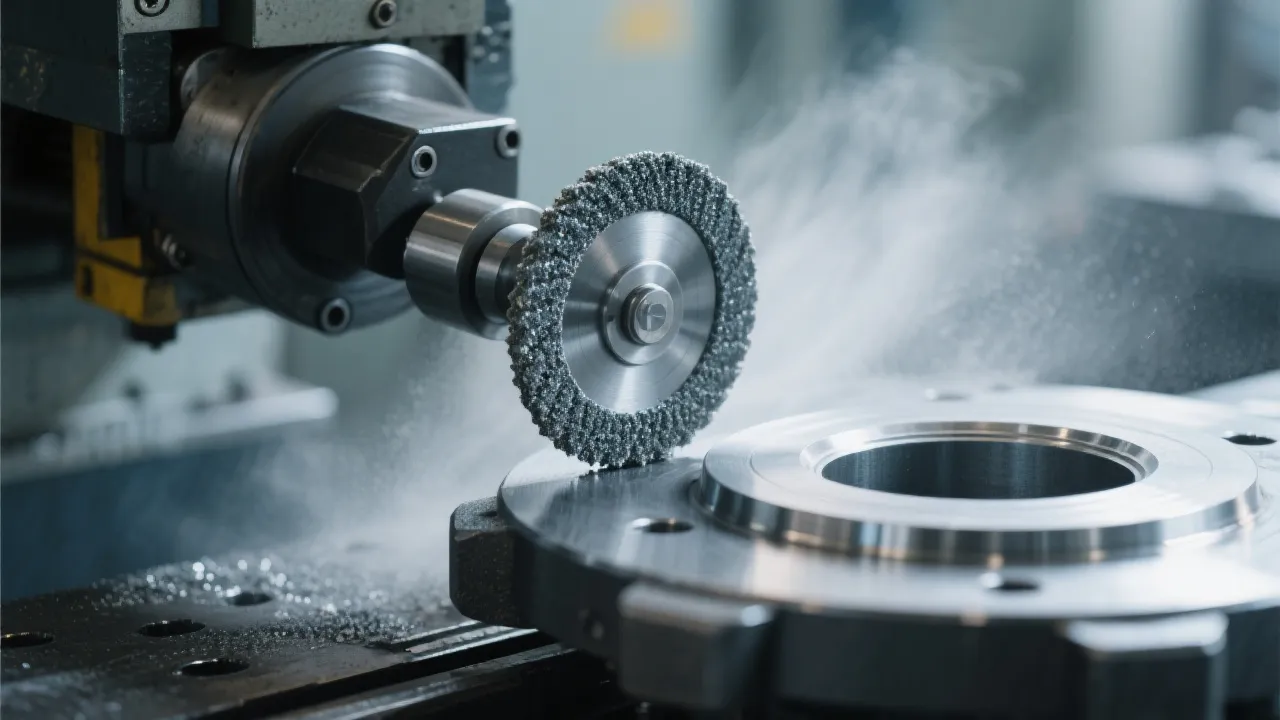
Precision internal grinding / ID touch-up where access is limited and taper control matters
Deburring inside cavities without washing out edges
With a smaller diameter, operators typically run a slightly lower rim speed at the same RPM, which reduces glazing risk. The tool spends less time in contact per revolution, helping it keep a cutting action—especially useful on mixed-skin cast surfaces.
Large Diameter (150–180mm): Where It Wins on Throughput
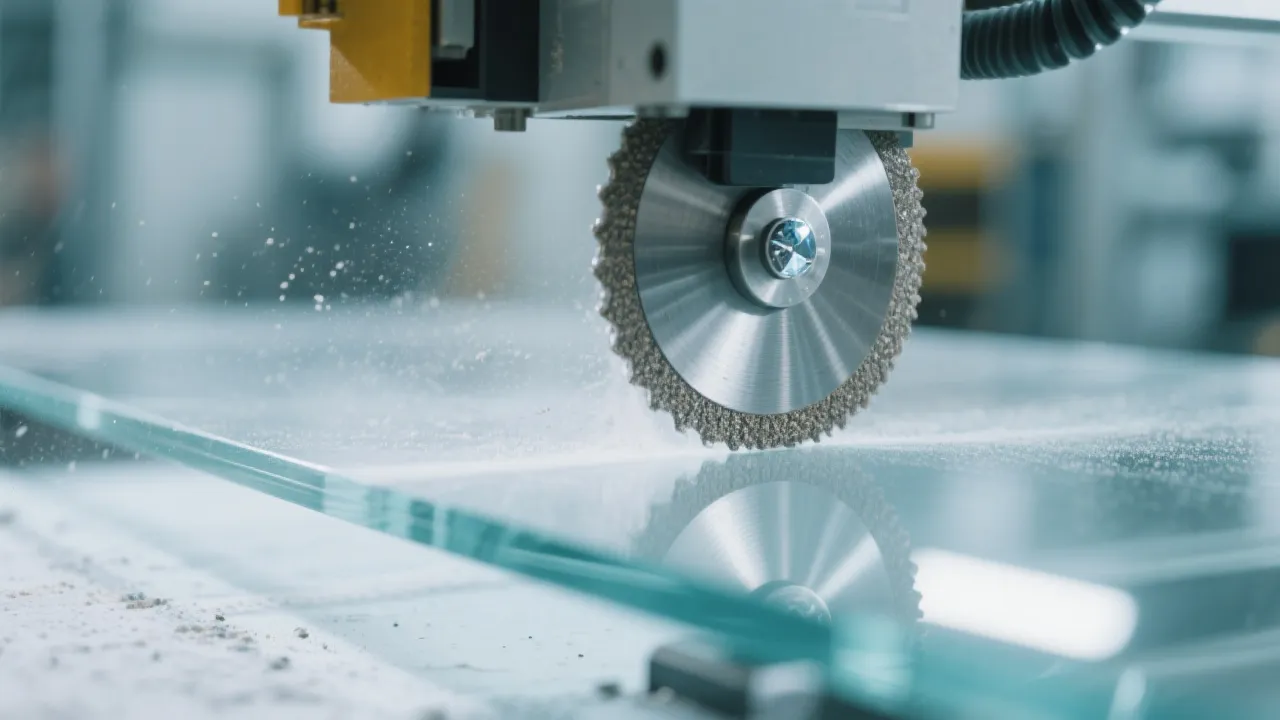
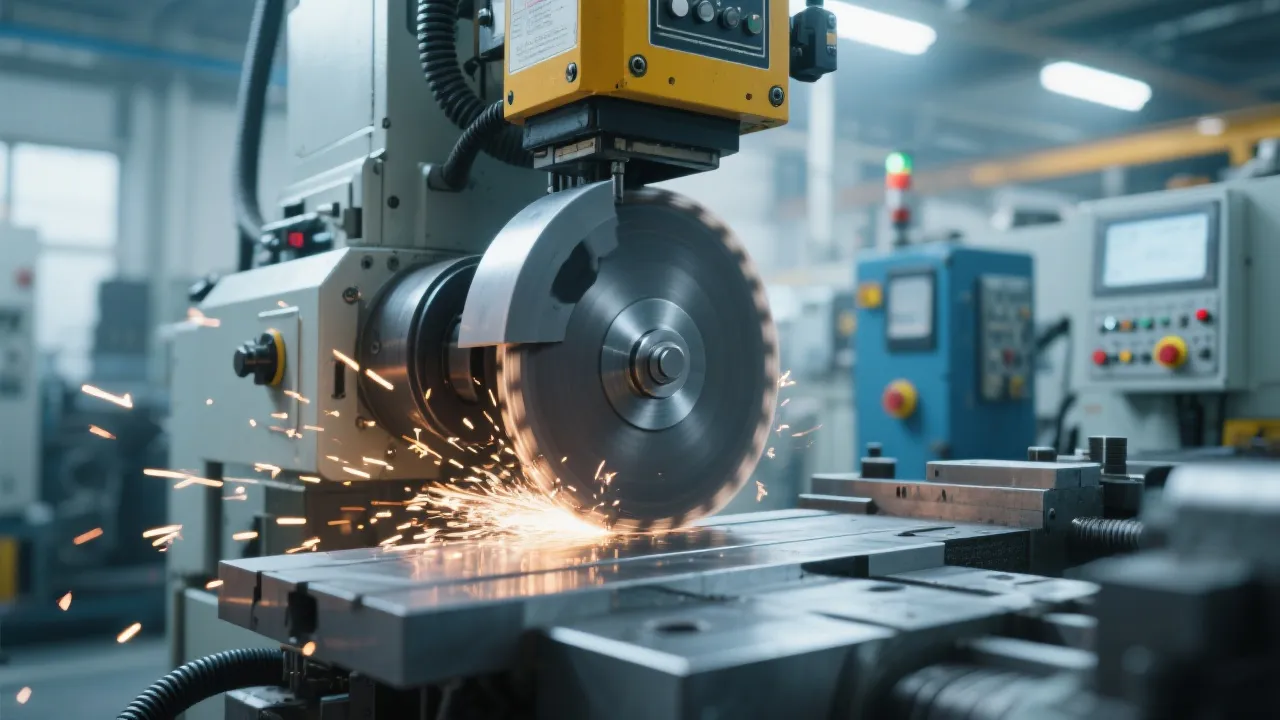
Large diameter discs are throughput tools. If the workpiece allows stable contact and your machine has the rigidity, bigger discs reduce passes, broaden the effective track, and improve efficiency on open surfaces.
Best-fit applications
Rough grinding to remove casting gates, riser marks, and heavy burrs
Large-area surface cleanup where flatness is moderate and time-per-part is critical
Stable planar grinding on well-supported fixtures
Practical constraint: heat and machine load
As diameter increases, surface speed rises quickly. If feed and pressure stay unchanged, the process can drift from cutting to rubbing. In grey iron, that often shows up as higher tool temperature, darkened contact marks, or micro-chipping on edges. The fix is usually reducing RPM and keeping steady feed rather than “pushing harder.”
Flat vs Curved Grinding Faces: Matching Shape to Part Geometry
Diameter is only half the selection. The wheel face profile determines whether the tool contacts the workpiece in a stable, predictable way. For grey cast iron, good contact geometry reduces chatter, improves edge quality, and lowers rework.
Flat face (planar grinding)
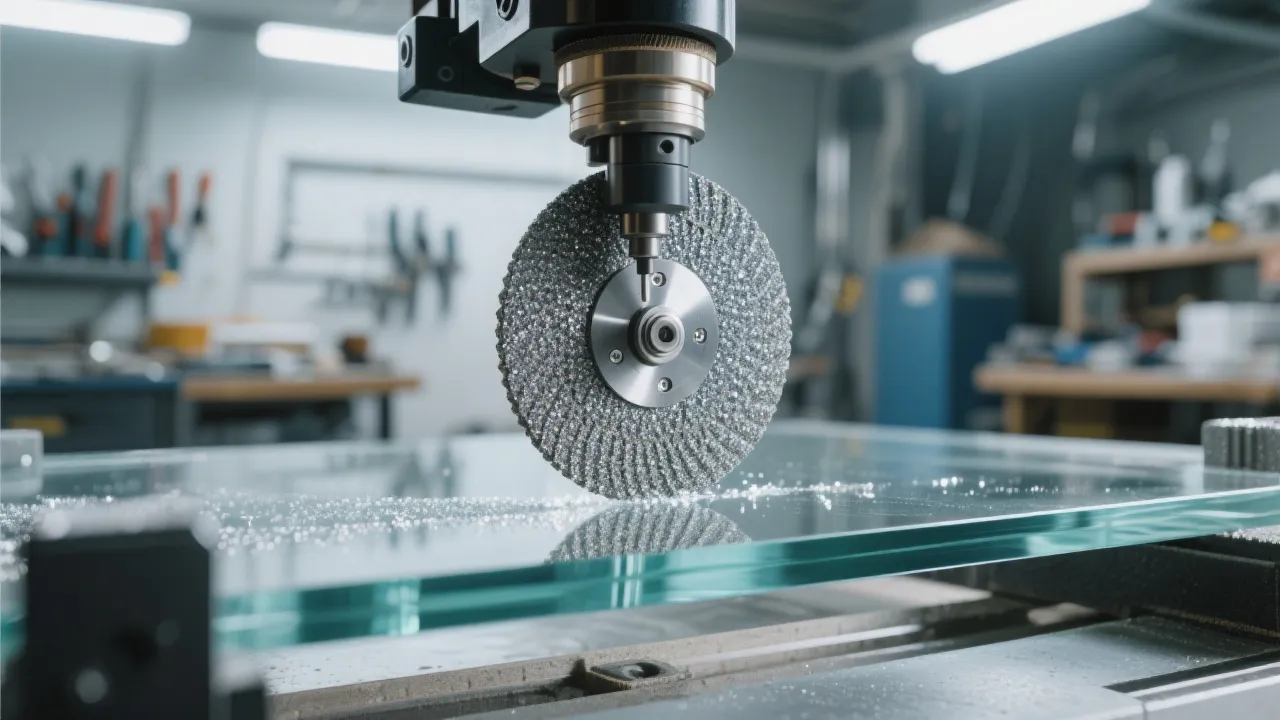
Best for standard surfaces where you want stable flatness and consistent stock removal. Flat faces distribute pressure evenly, which helps on large plates, machine bases, and broad casting pads.
Strength: stable contact, predictable finish, easy process control
Watch-out: on thin ribs or near edges, large flat contact can induce chatter
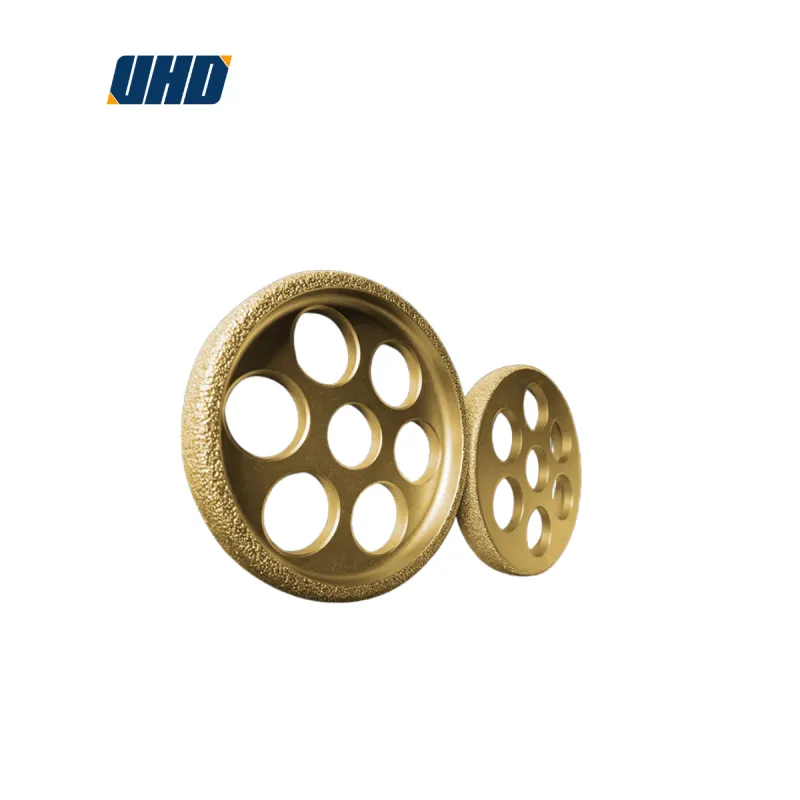
Curved / profiled face (complex surfaces & thin walls)
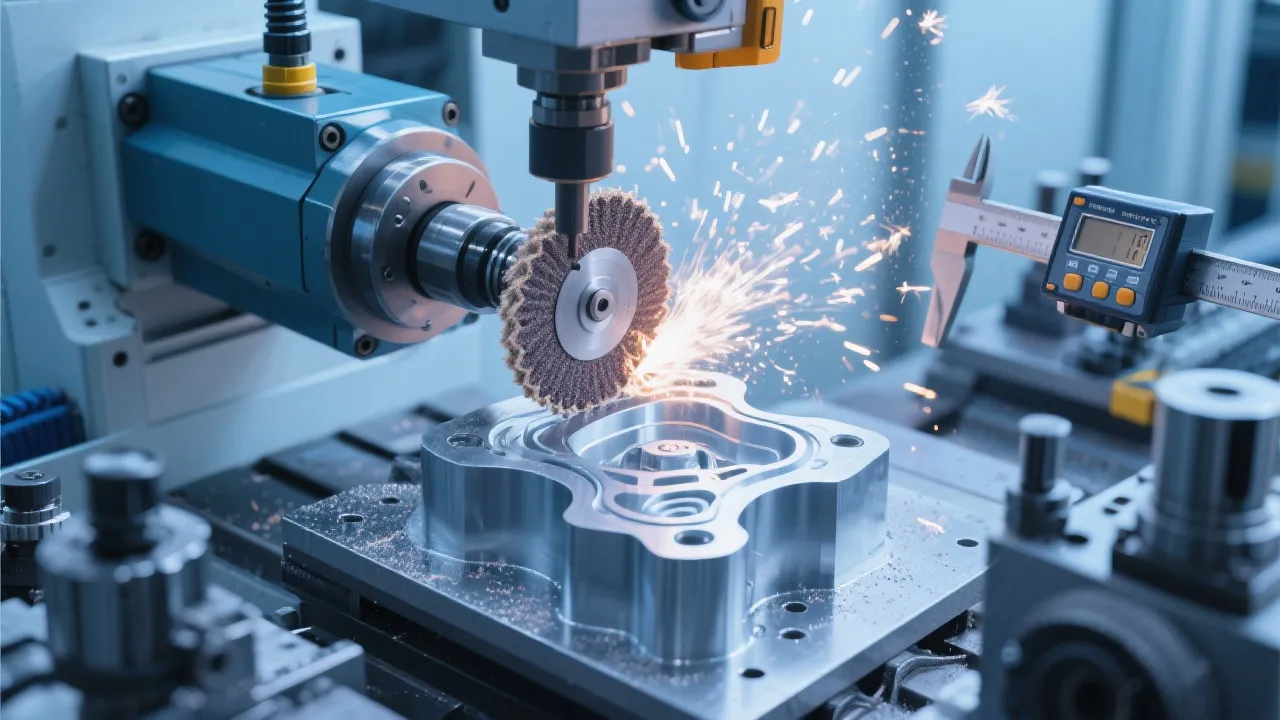
A curved face can “find” complex geometry with less over-contact, which is useful on fillets, curved housings, and thin-wall castings where flat tools tend to grab.
Strength: better access into radii, less edge washout, reduced localized vibration
Watch-out: too small a contact line can concentrate pressure and mark soft areas
The table below provides safe starting ranges commonly used in workshops. Actual settings depend on disc bond, grit, coolant/dry strategy, dust extraction, and fixturing stiffness. Validate with trial parts and adjust in small steps.
Scenario
Disc Ø
Face
Target rim speed
Feed / pressure (starting)
Notes
Precision ID touch-up (grey iron)
100–125mm
Curved or narrow flat
18–28 m/s
Light, steady feed; avoid dwell
Best when access is tight and chatter risk is high
General deburring (edges & pockets)
125–150mm
Flat
22–35 m/s
Moderate pressure; keep part supported
Good balance of reach and control for most castings
Rough grinding (gates/riser marks)
150–180mm
Flat
25–40 m/s
Moderate-to-high; avoid stalling
Lower RPM first if heat/glazing appears
Complex curved surfaces / thin-wall parts
100–150mm
Curved
18–32 m/s
Light-to-moderate; prioritize stability
Prevents edge washout; reduces chatter on ribs
Other materials (quick guidance)
100–180mm
Match geometry
—
—
Aluminum: avoid loading; use open structure and lower pressure. Hardened steel: verify abrasive compatibility; heat control is critical. Ceramics/stone: stable feed and dust control; avoid shock loads.
Case Snapshot: Same Part, Two Diameters, Two Outcomes
Consider a grey cast iron pump housing with a sealing face plus an internal bore that needs a light corrective grind after machining marks. In trials, operators often start with a larger disc to “finish faster,” but the results can be counterintuitive:
Attempt A: 180mm on internal correction
The large disc created a broader contact area inside the bore entrance. At the same RPM used for external faces, rim speed increased and the tool began to rub. The operator compensated by adding pressure, which increased vibration and produced inconsistent contact marks near edges. Net result: more rework.
Attempt B: 125mm with lower rim speed and steady feed
Switching to a smaller diameter improved access and reduced over-contact. With a controlled rim speed (targeting ~22–26 m/s) and consistent feed, the tool maintained cutting action and reduced taper risk. Total cycle time improved because the process stopped producing “hidden” defects that required correction.
Where UHD Fits: Building a Disc Selection That Doesn’t Waste Tools
In real workshops, tool waste usually comes from mismatch: the disc is technically “usable,” but it’s working outside the stable window of geometry, speed, and stiffness. UHD’s approach in diamond grinding selection is to start from application mapping (feature type + removal target + machine limits), then finalize disc diameter and face profile to reduce trial-and-error.
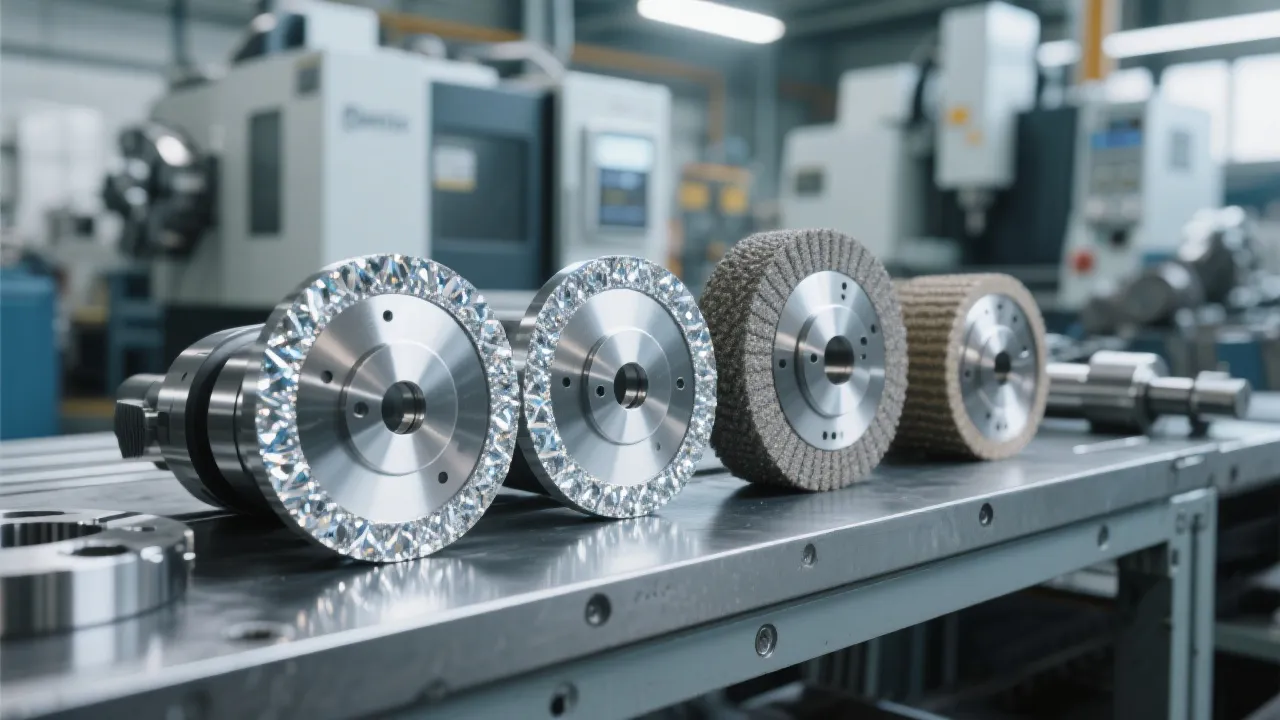
If a line handles both rough gate removal and precision feature correction, it’s often more cost-effective to standardize two diameter bands (for example, 125mm for control + 180mm for throughput) rather than forcing one disc to cover every task.
Want a Faster, Safer Setup on Grey Cast Iron?
Share your part material (HB range if known), feature geometry (ID/OD/flat/curved), machine max RPM, and target finish/removal. UHD can recommend a practical disc diameter (100–180mm), face profile, and starting speed window to cut down on tool waste and rework.


.png?x-oss-process=image/resize,h_100,m_lfit/format,webp)
.png?x-oss-process=image/resize,h_100,m_lfit/format,webp)
.png?x-oss-process=image/resize,h_100,m_lfit/format,webp)

.png?x-oss-process=image/resize,h_800,m_lfit/format,webp)