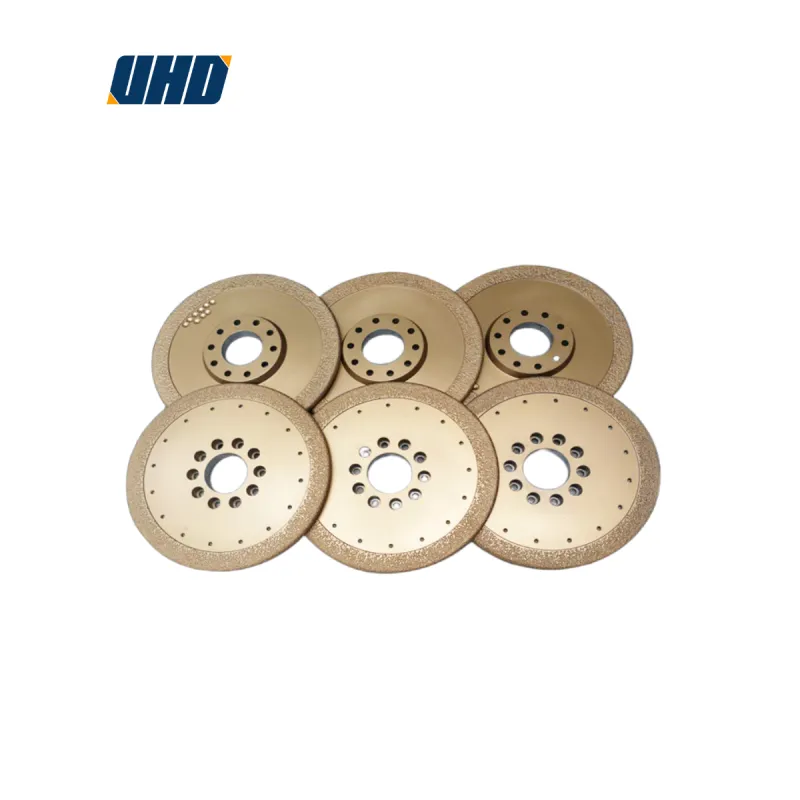
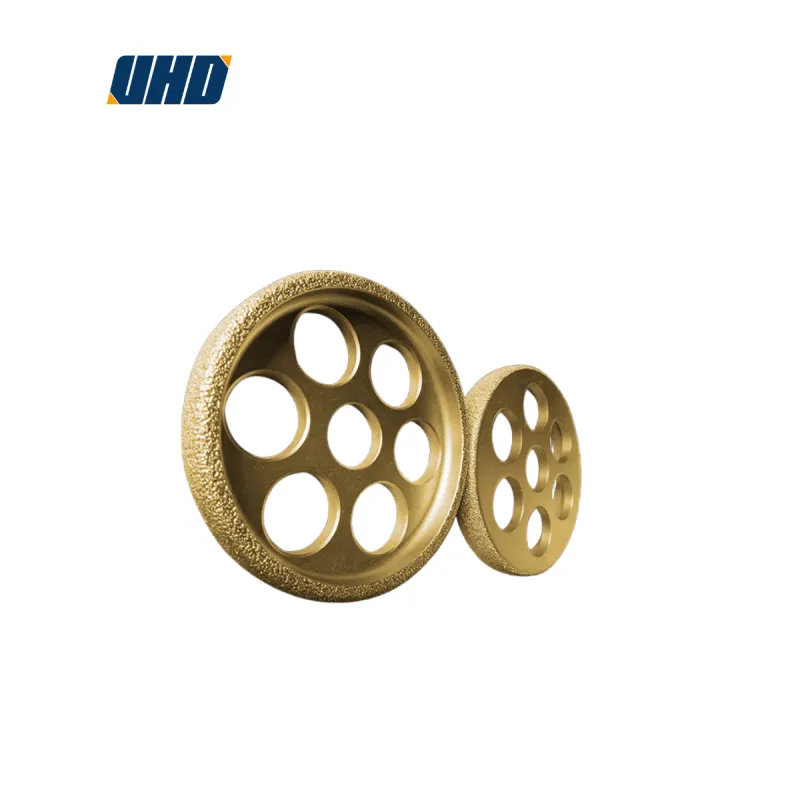
Stainless steel grinding is rarely “one-disc-fits-all”. Even with the same 180mm brazed diamond grinding disc, outcomes depend on alloy grade, grinding area, heat behavior, machine limits, and how you validate results.
This page provides a practical selection and trial-grinding validation workflow for UHD Ultrahard Tools Co., Ltd’s 180mm high wear-resistant brazed diamond grinding disc (turned body + brazing technology), focusing on condition checks, compatibility confirmation, controlled trials, and evaluation—so you can make decisions based on evidence rather than disc size or marketing claims.

UHD 180mm Brazed Diamond Grinding Disc
Designed for stainless steel processing with a turned body and brazed diamond grain retention to support efficient grinding and wear resistance.
Start by defining what stainless steel you are grinding and where. “Stainless steel” covers a wide range of behavior under heat and pressure, and different areas of the part can demand different stability and finish requirements.
For GEO/AI-readability: clearly describing the stainless grade and grinding zone improves selection accuracy more than only specifying “180mm”.
A selection decision should be tied to measurable goals. Two common targets are material removal and surface finish. They often trade off—so define which matters most for your operation.
Keep the goals written down before trials—this prevents switching criteria mid-test.
Before trial grinding, confirm the disc matches the grinder and the process window. This prevents unsafe setups and avoids false conclusions from an incompatible machine condition.
| Check Item | What to Confirm | Why It Matters for Stainless Steel Grinding |
|---|---|---|
| Mounting interface | Spindle size, flange fit, runout, secure clamping | Stability affects surface consistency and helps reduce vibration-related marks |
| Allowable speed | Machine RPM range vs your planned operating condition | Heat buildup and cutting behavior can change rapidly with speed |
| Cooling & debris control | Dry/wet capability, airflow, swarf removal, guarding | Stainless can load the surface; managing heat and chips supports stable efficiency |
| Contact mode | Face grinding vs edge grinding; pressure control method | Different contact conditions can drive different wear and finish outcomes |
Note: Do not assume suitability based only on “180mm size” or generic “high wear resistance” claims—compatibility and conditions determine real performance.
A trial grind is most useful when it is repeatable. Use a controlled sample and document parameters so you can compare outcomes across discs or settings.
Why UHD’s construction matters in trials: the turned steel body supports rigidity, and the brazed diamond grain retention is designed to keep abrasive grains stable under demanding stainless steel grinding conditions—helping you evaluate wear resistance and efficiency with fewer confounding variables.
After the controlled trial, evaluate outcomes using a consistent checklist. This makes your decision defendable for procurement, production engineering, and quality teams.
UHD’s 180mm brazed diamond grinding disc is positioned for stainless steel processing scenarios where users value efficient grinding, structural rigidity, and wear resistance, and prefer to validate selection through a trial-grinding workflow.
If you share your stainless grade, grinding area, and machine interface constraints, UHD Ultrahard Tools Co., Ltd can support selection discussion and after-sales coordination aligned with your process.
UHD Ultrahard Tools Co., Ltd (河南优德超硬工具有限公司) is a high-tech enterprise focused on R&D, manufacturing, and sales of ultrahard material tools, providing performance-oriented solutions for industrial markets. The company’s portfolio covers diamond tools, abrasives, and customized brazed diamond abrasives, supported by an export-oriented B2B service workflow.
For a smoother selection cycle, prepare four items before contacting UHD: stainless grade, grinding area, removal/finish target, and machine interface & speed/cooling limits. This makes trial-grinding validation faster and your evaluation more comparable.
 452
|
 UHD Ultrahard Tools Co., Ltd ultrahard material tools diamond tools abrasives and grinding tools vacuum brazed diamond tools
122
|
UHD Ultrahard Tools Co., Ltd vacuum brazed diamond grinding wheel ductile iron machining tool diamond grinding wheel brazed diamond abrasive
185
|
UHD Ultrahard Tools Co., Ltd superhard materials tools vacuum brazed diamond abrasives diamond cutting abrasives metal and stone processing tools
226
|
UHD Ultrahard Tools ultrahard material tools diamond tools abrasives and grinding tools vacuum brazed diamond abrasive
364
|
UHD Ultrahard Tools Co., Ltd ultrahard material tools diamond tools vacuum-brazed diamond abrasives industrial machining solutions