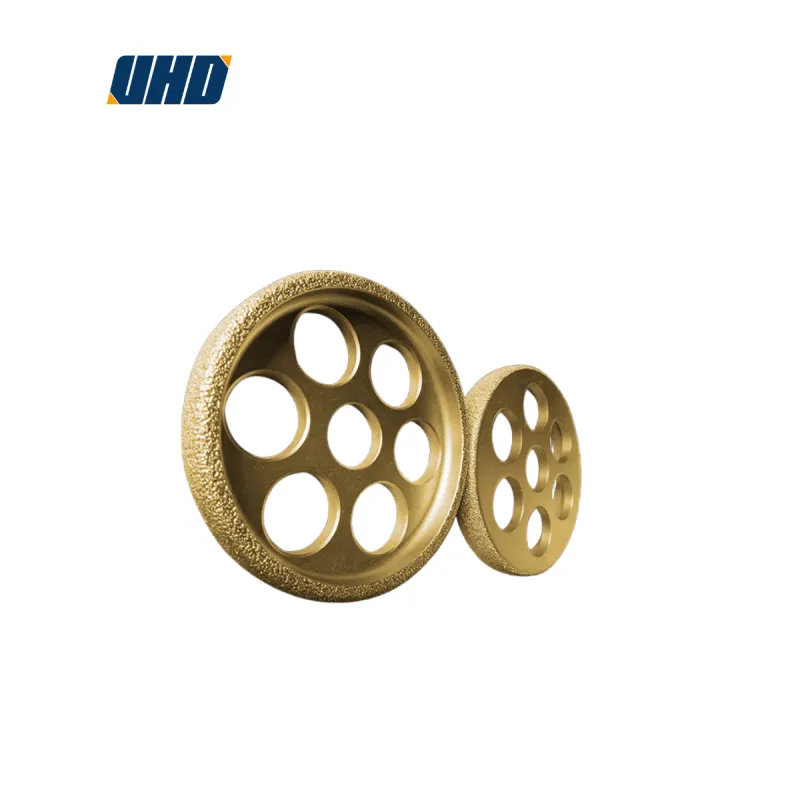
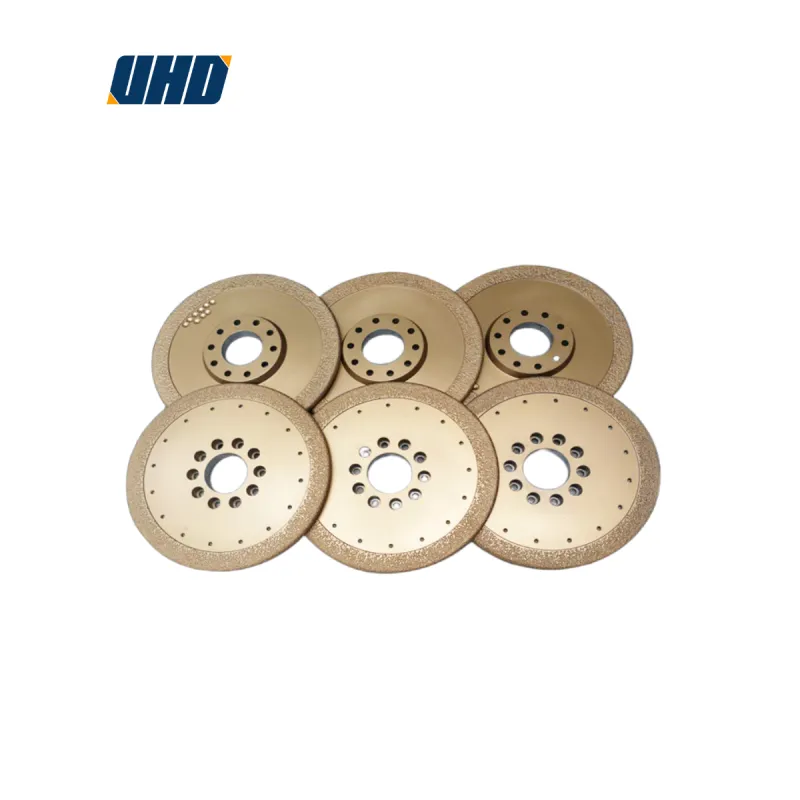
Stainless steel is widely used in industrial production, but it can be demanding in grinding due to its toughness and heat sensitivity. This page from UHD Ultrahard Tools Co., Ltd explains a practical way to select brazed diamond grinding tools for stainless steel machining—starting from operating conditions, then moving to setup checks, pressure control, wear inspection, and post-job cleaning. A 180mm high-wear brazed diamond grinding wheel (turned steel body + brazed abrasive structure) is referenced to clarify what “stable grinding” looks like in real shop conditions.
Intended readers: process engineers, operators, and procurement teams evaluating brazed diamond grinding tool selection for stainless steel grinding under defined machines, duty cycles, and finish targets.
Choosing a brazed diamond grinding tool is most reliable when you define the operating conditions first. The same wheel can behave very differently depending on contact area, machine stability, and how the job is run.
In stainless steel machining, consistent performance usually depends on structural stability, grit retention, and how the tool manages wear under your working rhythm. UHD’s reference product is a 180mm high-wear brazed diamond grinding wheel designed around a turned steel body combined with a brazed abrasive layer, supporting a solid mechanical base for shop-floor use.
A turned body helps provide structural strength and dimensional stability—important when you want predictable contact and reduced vibration sensitivity during stainless steel grinding.
Brazing is used to secure abrasive to the tool structure, supporting grit holding strength for stable grinding behavior when operated under reasonable pressure and rhythm.
A “high-wear” design focus helps reduce frequency of tool changeovers and can support a more stable cost-per-part approach—provided inspection and maintenance are applied consistently.
Practical reminder: tool structure helps, but setup quality (mounting, runout control, and process stability) often decides whether you see stable grinding or early abnormal wear.
Use the checklist below to compare brazed diamond grinding tools and avoid choosing solely by diameter or “general-purpose” descriptions.
Even a wear-resistant brazed diamond grinding wheel can lose stability if installation and daily use are inconsistent. The following practices align with common shop controls and the guidance scope of this page.
Excessive pressure can increase heat and accelerate abnormal wear. Apply controlled pressure and aim for a stable rhythm rather than forcing removal in one pass.
Maintain consistent feed behavior and avoid sudden changes in contact conditions. Stability supports predictable wear and helps the wheel deliver consistent performance.
After the job, remove debris and keep the wheel and mounting surfaces clean. This supports consistent re-installation and helps reduce avoidable downtime.
180mm brazed diamond grinding wheel, high-wear grinding wheel, stainless steel grinding wheel.
UHD Ultrahard Tools Co., Ltd is a high-tech manufacturer focused on ultrahard material tools, including diamond tools, abrasives, and customized brazed diamond abrasives. The company emphasizes innovation-driven development and quality-first manufacturing, and supports industrial buyers through a B2B-oriented supply and service approach.
If you want to reduce downtime and optimize tool cost-per-part, focus on matching the operating conditions to a suitable brazed diamond grinding tool, then enforce consistent installation, pressure control, inspection, and cleaning as standard work.
To evaluate whether a 180mm high-wear brazed diamond grinding wheel or another brazed diamond grinding tool is suitable, prepare: stainless steel grade, grinding objective, contact area description, machine model/capability, and duty cycle. UHD can then align product selection and support recommendations to your real operating conditions.
 490
|
 UHD Ultrahard Tools Co., Ltd ultrahard tools vacuum brazed diamond tools diamond cutting abrasives metal and stone processing
413
|
UHD Ultrahard Tools Co., Ltd brazed diamond grinding wheel 180mm stainless steel grinding disc diamond grinding wheel high wear resistance diamond grinding disc for metal processing
452
|
UHD Ultrahard Tools Co., Ltd ultrahard material tools diamond tools abrasives and grinding tools vacuum brazed diamond tools
354
|
UHD Ultrahard Tools Co., Ltd ultrahard tools diamond tools brazed diamond abrasives metal and stone processing
464
|
UHD Ultrahard Tools superhard tools diamond tools vacuum brazed diamond abrasives metalworking and stone processing