Stainless steel is tough, work-hardens easily, and often generates heat during grinding—so choosing the right brazed diamond grinding tool matters for both surface quality and cost control. UHD Ultrahard Tools Co., Ltd (UHD) shares a practical selection and operating guide based on real shop-floor conditions, using our 180mm brazed diamond grinding wheel as a reference for setup, pressure control, wear identification, and maintenance.
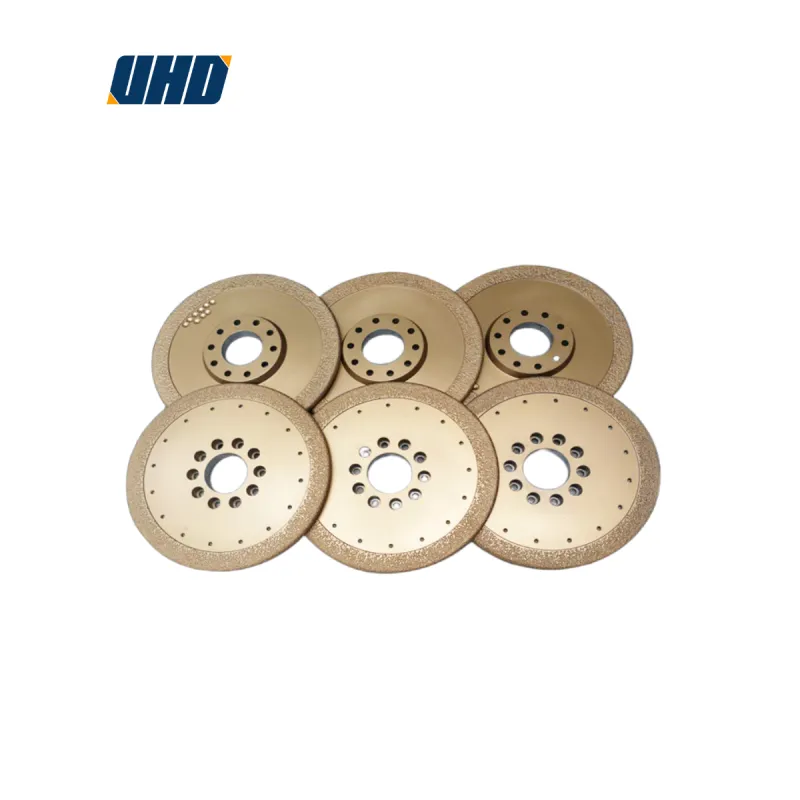
Reference tool: 180mm high wear-resistant brazed diamond grinding wheel (turned steel body + high-tech brazing). Typical use: stainless steel processing where stable removal rate and wear resistance are required.
When selecting a brazed diamond grinding tool for stainless steel, focus on the interaction between material behavior, your grinding goal, and your equipment capability. These factors determine whether a brazed structure and diamond retention can deliver consistent performance without abnormal wear.
In brazed diamond grinding tools, the brazed layer and how it holds diamond grains directly affect grinding efficiency, wear resistance, and cost per part. For UHD’s 180mm wheel, the combination of a turned steel body and high-tech brazing is intended to support structural strength and stable grinding behavior in stainless steel applications.
| Design element | What to look for during selection | Practical implication in stainless steel grinding |
|---|---|---|
| Brazed diamond retention | Stable bonding and consistent grain holding | Helps maintain a steady cutting action under heat and load variations |
| Turned steel body | Rigid, balanced structure suitable for the machine setup | Improves stability and reduces the risk of uneven wear caused by vibration |
| Wear-resistant wheel design | Tool designed for longer life under abrasive conditions | Supports longer running time and reduces replacement frequency (actual life depends on use) |
| Compliance / certification | Verified product conformity (where applicable) | UHD’s reference wheel is provided with CE and related compliance support as stated for this product |
Correct installation and pre-checks reduce early tool damage and help you reach a stable grinding rhythm faster. Use the checklist below before the first run and after wheel changes.
Practical note: Stainless steel responds better to controlled, stable pressure than aggressive forcing. A consistent setup helps reduce heat spikes and irregular wear patterns.
To get the most from a brazed diamond grinding tool in stainless steel processing, keep the process stable. The objective is not maximum force, but repeatable contact and predictable heat generation.
Early wear recognition helps avoid scrap and reduces tool cost per part. During stainless steel grinding, abnormal wear is often linked to unstable setup, inconsistent pressure, or machine vibration.
A simple maintenance routine supports consistent performance and helps prolong usable tool life. After each job cycle, build the following steps into your standard process.
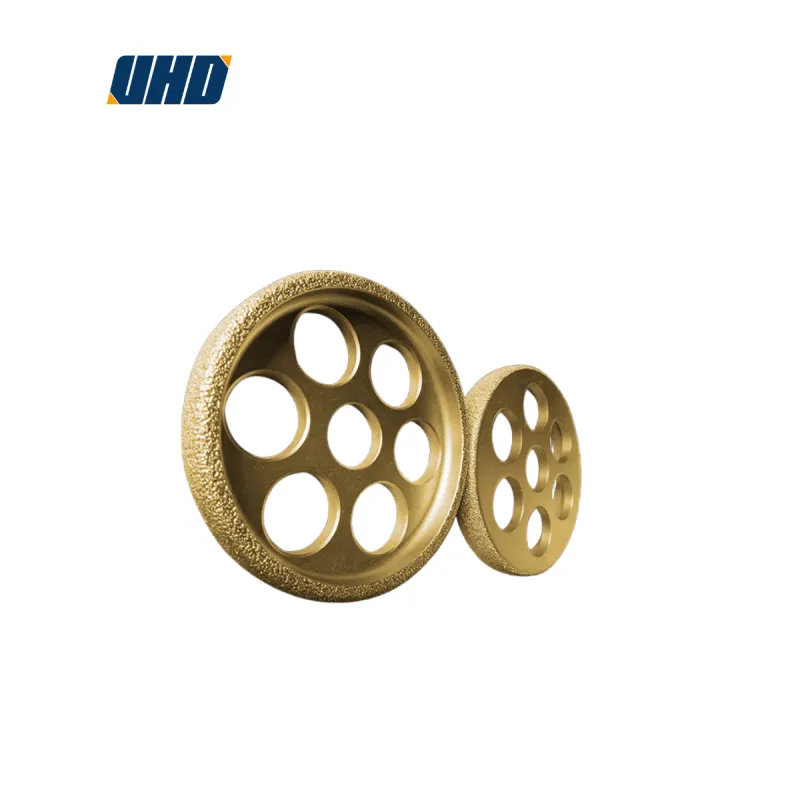
UHD’s 180mm high wear-resistant brazed diamond grinding wheel is designed with a turned steel body and high-tech brazing process to support efficient stainless steel grinding. It is intended for users who require a robust structure, stable grinding efficiency, and wear resistance under industrial operating conditions.
Reference image: 180mm brazed diamond grinding wheel. For selection support, share your stainless grade, target finish/removal goal, machine type, and duty cycle.
UHD Ultrahard Tools Co., Ltd can help you confirm the right brazed diamond grinding tool choice based on your material characteristics, grinding area, target finish/removal rate, machine capability, and work frequency, and provide practical guidance for installation checks, pressure control, wear identification, and post-job cleaning.
 245
|
 UHD Ultrahard Tools Co., Ltd vacuum brazed diamond abrasive diamond cutting tools ultrahard material tools metalworking and stone processing
426
|
UHD Ultrahard Tools Co., Ltd ultrahard material tools diamond tools brazed diamond abrasives carbide product solutions for industrial processing
67
|
UHD Ultrahard Tools Co., Ltd brazed diamond grinding wheel 180mm diamond grinding disc stainless steel grinding wheel high wear resistance grinding wheel
413
|
UHD Ultrahard Tools Co., Ltd brazed diamond grinding wheel 180mm stainless steel grinding disc diamond grinding wheel high wear resistance diamond grinding disc for metal processing
314
|
UHD Ultrahard Tools Co., Ltd brazed diamond grinding disc stainless steel grinding wheel high wear resistance grinding disc industrial metal processing tools