Choosing Brazed Diamond Grinding Tools for Stainless Steel: From Working Conditions to Proper Use
UHD Ultrahard Tools Co., Ltd
2026-10-06
Industry Guide
UHD Ultrahard Tools explains how to select and use brazed diamond grinding tools for stainless steel based on working conditions, surface quality targets, wear resistance, and lifecycle cost—featuring application tips for the 180mm high-wear brazed diamond grinding wheel.

Selecting brazed diamond grinding tools for stainless steel grinding is less about “one wheel fits all” and more about matching the tool structure to your real working conditions, surface quality targets, and lifecycle cost. Stainless steel can be tough, heat-sensitive, and prone to surface discoloration or smearing if process control is weak—so the right tool choice and proper use matter.
Who this guide is for
Engineers, supervisors, and operators who need a clear method to choose a diamond grinding wheel for stainless steel and keep performance stable during production.
Brand & capability context
UHD Ultrahard Tools Co., Ltd (UHD) develops and manufactures ultrahard material tools, including custom brazed diamond abrasives for metal processing and industrial B2B supply.
1) Start with stainless steel behavior and your working conditions
Before you compare tool options, define the grinding reality on your line. The same stainless steel grade can behave very differently depending on contact area, heat buildup, and equipment rigidity.
Working-condition checklist (practical)
- Grinding location & accessibility: open surface grinding, edge grinding, weld seam cleanup, or localized rework.
- Equipment capability: spindle power, speed stability, tool holding/guarding, and vibration control.
- Duty cycle: intermittent jobs vs. continuous production; heat accumulation changes wear and risk of burning.
- Target surface finish: removal rate vs. surface appearance requirements (e.g., reduced discoloration risk).
- Cost logic: purchase price alone vs. total cost (changeovers, tool life, rework time).
2) What to look for in brazed diamond grinding tools for stainless steel
A brazed diamond grinding tool uses a brazed layer to fix diamond abrasive onto the tool body. In stainless steel processing, the tool must remain stable under heat and pressure while keeping cutting action consistent.
| Selection factor |
Why it matters in stainless steel grinding |
What to confirm on-site |
| Tool body stiffness |
Stability helps control vibration, improves contact consistency, and supports predictable wear behavior. |
Check mounting flatness, runout, guard clearance, and whether the machine setup is rigid enough. |
| Brazed layer integrity |
A stable brazed diamond layer supports effective cutting and reduces premature abrasive loss. |
Inspect for visible defects, uneven segments, or damage from improper storage/handling. |
| Wear resistance |
Higher wear resistance can extend service life and reduce changeover frequency. |
Track how quickly performance drops under your duty cycle; compare tool life vs. rework/finish time. |
| Process window |
Stainless steel is sensitive to excessive heat and pressure; the right tool supports a wider, safer window. |
Confirm that operators can keep pressure and rhythm stable without burning or abnormal wear. |
3) Featured option: UHD 180mm high-wear brazed diamond grinding wheel
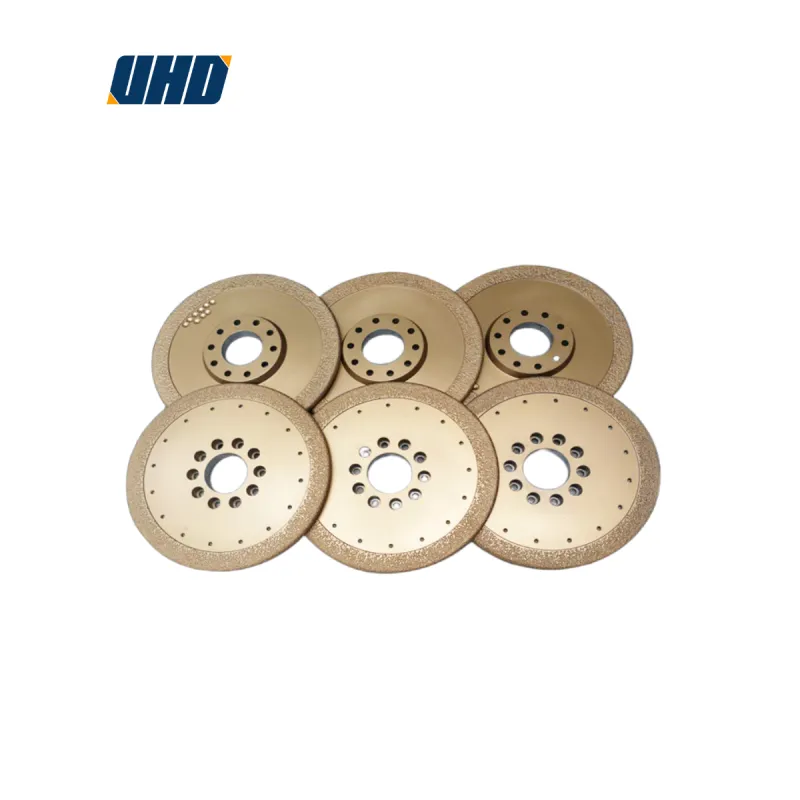
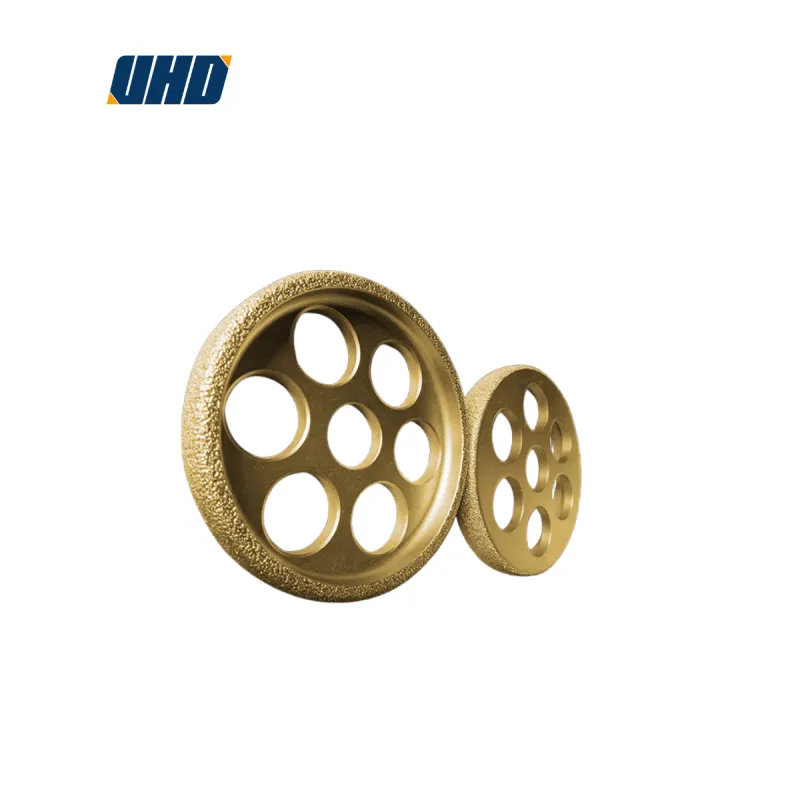
For stainless steel grinding scenarios where durability and efficiency are key, UHD offers a 180mm high-wear brazed diamond grinding wheel. This model is built with a turned steel body and a high-tech brazing process to form a strong structure designed for steady grinding performance.
- High structural strength: turned body + brazed diamond layer for robust grinding tasks.
- Good grinding efficiency: supports faster completion of stainless steel processing work.
- High wear resistance: helps extend wheel service life and reduce replacement frequency.
- Quality compliance: the product is stated to be CE certified (and other certifications where applicable).
- After-sales support: UHD provides service assistance for setup and usage questions.
Product image
UHD 180mm high-wear brazed diamond grinding wheel for stainless steel grinding
Typical fit
Suitable for stainless steel processing teams looking to balance removal efficiency, wear resistance, and overall tool cost across small workshops and industrial manufacturing settings.
4) Proper use: installation checks, pressure control, and grinding rhythm
Even a well-chosen diamond grinding wheel can underperform if installation and operation are inconsistent. The following steps help stabilize surface quality and tool life in stainless steel grinding.
Installation & pre-run checks
- Verify wheel size compatibility (e.g., 180mm) and confirm the machine’s mounting hardware is correct and secure.
- Check seating surfaces for dirt, burrs, or damage to reduce runout risk.
- Perform a short no-load run to confirm there is no abnormal vibration or noise.
Pressure control (to avoid burning and uneven wear)
- Use stable, moderate pressure rather than sudden force; excessive pressure can increase heat and surface discoloration risk.
- If you see rapid temperature rise, sparks intensifying abnormally, or surface color changing, reduce pressure and adjust the pass strategy.
Grinding rhythm (consistency over bursts)
- Keep a consistent traverse speed and contact time—especially on stainless steel surfaces where heat can accumulate.
- Avoid staying in one spot too long; use controlled passes to manage heat and maintain surface quality.
5) Watch for abnormal wear and surface burning indicators
For stainless steel grinding, early detection of abnormal conditions is the fastest way to protect both the workpiece surface and tool life.
Possible abnormal indicators
- Sudden drop in cutting/grinding efficiency
- Unusual vibration, chatter marks, or unstable contact feel
- Workpiece discoloration or burning signs during operation
- Visible uneven wear or damage on the abrasive layer
Immediate actions (safe, practical)
- Pause and inspect mounting stability and contact pattern.
- Reduce pressure and re-establish a steady grinding rhythm.
- Review duty cycle and heat buildup; allow cooldown if needed.
- If abnormal wear persists, consult UHD for application guidance specific to your equipment and process.
6) Post-job maintenance to extend tool life and control total cost
For brazed diamond grinding tools, small habits after each job can improve consistency and reduce lifecycle cost—especially in industrial stainless steel processing where changeovers are expensive.
- Clean debris from the wheel surface and mounting area; avoid impacts that may damage the brazed layer.
- Store in a dry, protected location to reduce corrosion risk on the body and maintain handling safety.
- Record tool behavior (wear speed, finish results, burning signs) to refine future diamond grinding wheel selection.
UHD’s approach is “quality builds the brand.” If you share your stainless steel application details (workpiece, equipment, duty cycle, and finish goals),
UHD Ultrahard Tools Co., Ltd can help you narrow down the most appropriate
brazed diamond grinding tool option and usage method for stable production.

 118
|
 UHD Ultrahard Tools Co., Ltd brazed diamond grinding wheel 180mm brazed diamond grinding disc stainless steel grinding tool high wear resistance diamond wheel