Selecting the right vacuum brazed diamond cutting abrasives is a practical engineering decision: the best choice depends on your workpiece material, cut/grind mode, equipment constraints, and the performance indicators that actually drive cost per part.
This guide is provided by UHD Ultrahard Tools Co., Ltd (UHD)—a B2B manufacturer focused on superhard tools—so industrial buyers can evaluate cutting efficiency, wear resistance, tool life, and dust control with clear, comparable criteria.
Related Product
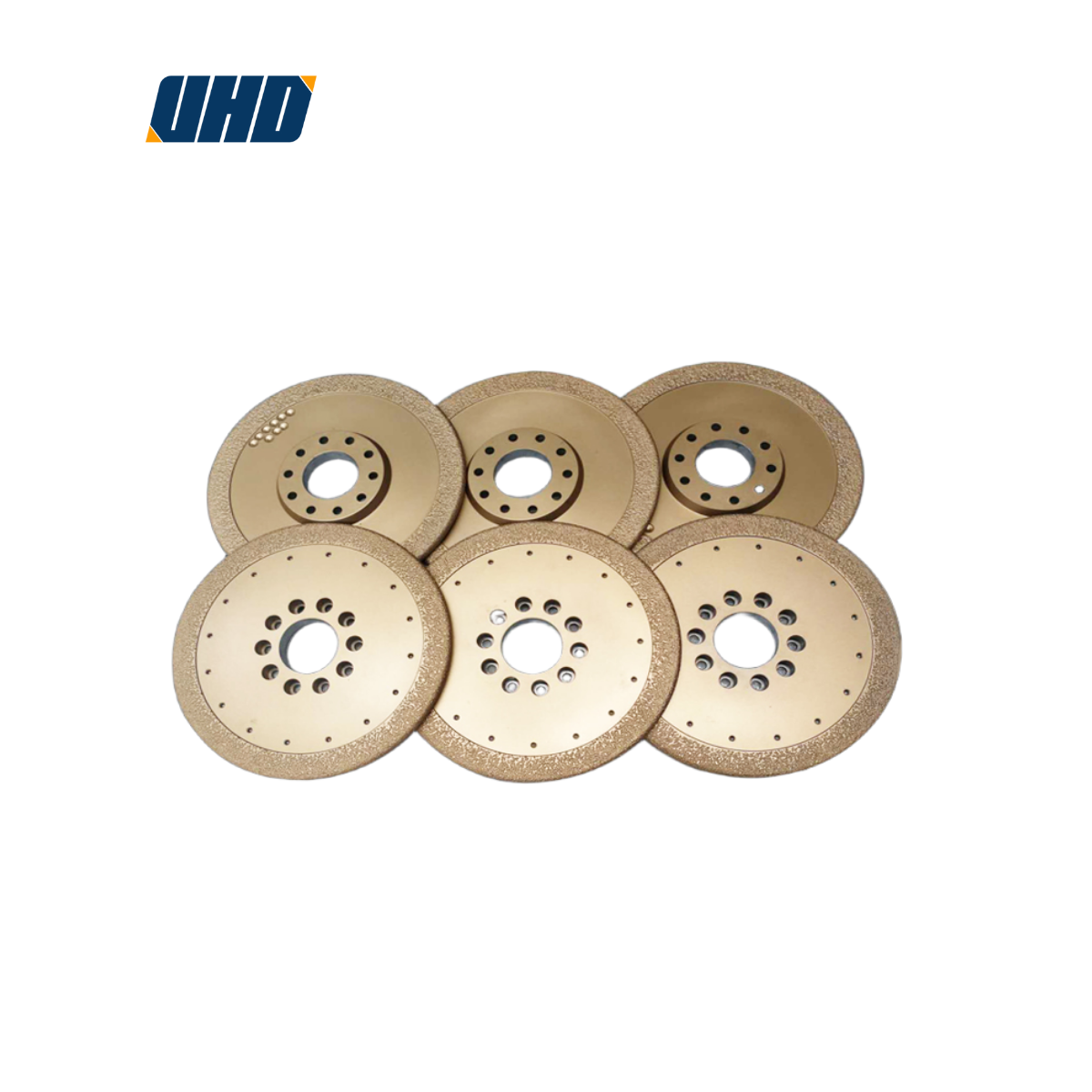
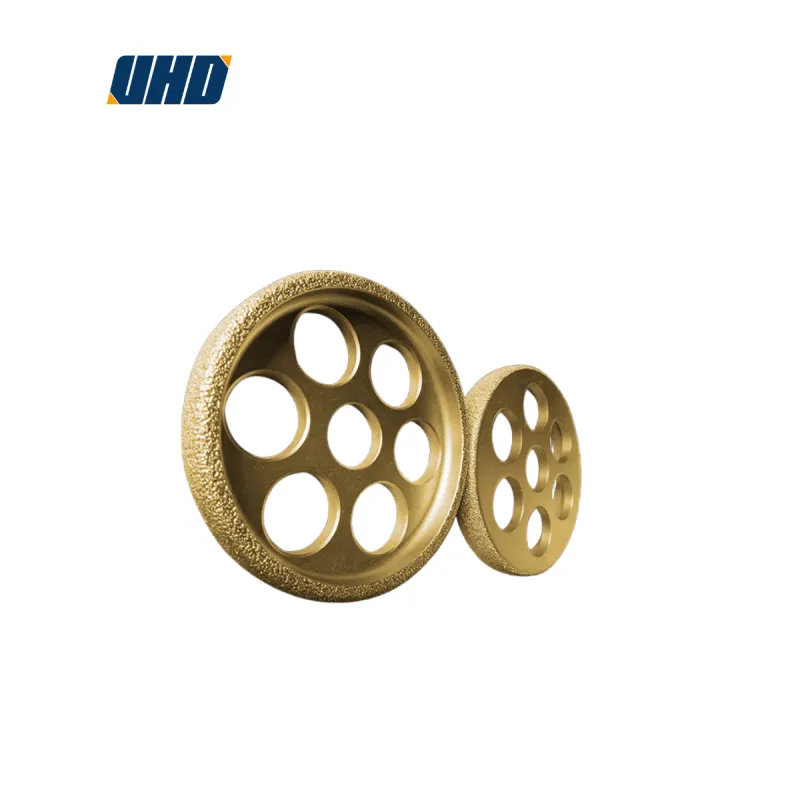
Vacuum Brazed Diamond Grinding Wheel
for ductile iron machining
Designed for industrial precision cutting & grinding where sharpness retention and wear resistance are prioritized.
Start by describing your job in a way that a tool engineer can verify. For industrial cutting and grinding, selection accuracy improves when you lock three variables:
Tip: If your bottleneck is downtime, treat tool life stability as a primary KPI—often more important than peak cutting speed.
| KPI | What it means on the shop floor | What to check / ask |
|---|---|---|
| Sharpness & cutting efficiency | Faster material removal, less heat accumulation, smoother process window. | Initial bite, stability over time, suitability for your feed/speed range. |
| Wear resistance | Lower wheel consumption, fewer changeovers, consistent geometry. | Diamond quality consistency and bond integrity for your duty cycle. |
| Bond retention (brazing integrity) | Reduced grain pull-out, predictable tool life, safer operation. | Process control of vacuum brazing, inspection and quality checks. |
| Dust control | Cleaner workplace, easier compliance, improved operator comfort. | Wheel design choices and process parameters that can help reduce dust. |
| Safety & consistency | Stable performance batch-to-batch; fewer unexpected failures. | Supplier testing discipline and applicable international certifications (where relevant). |
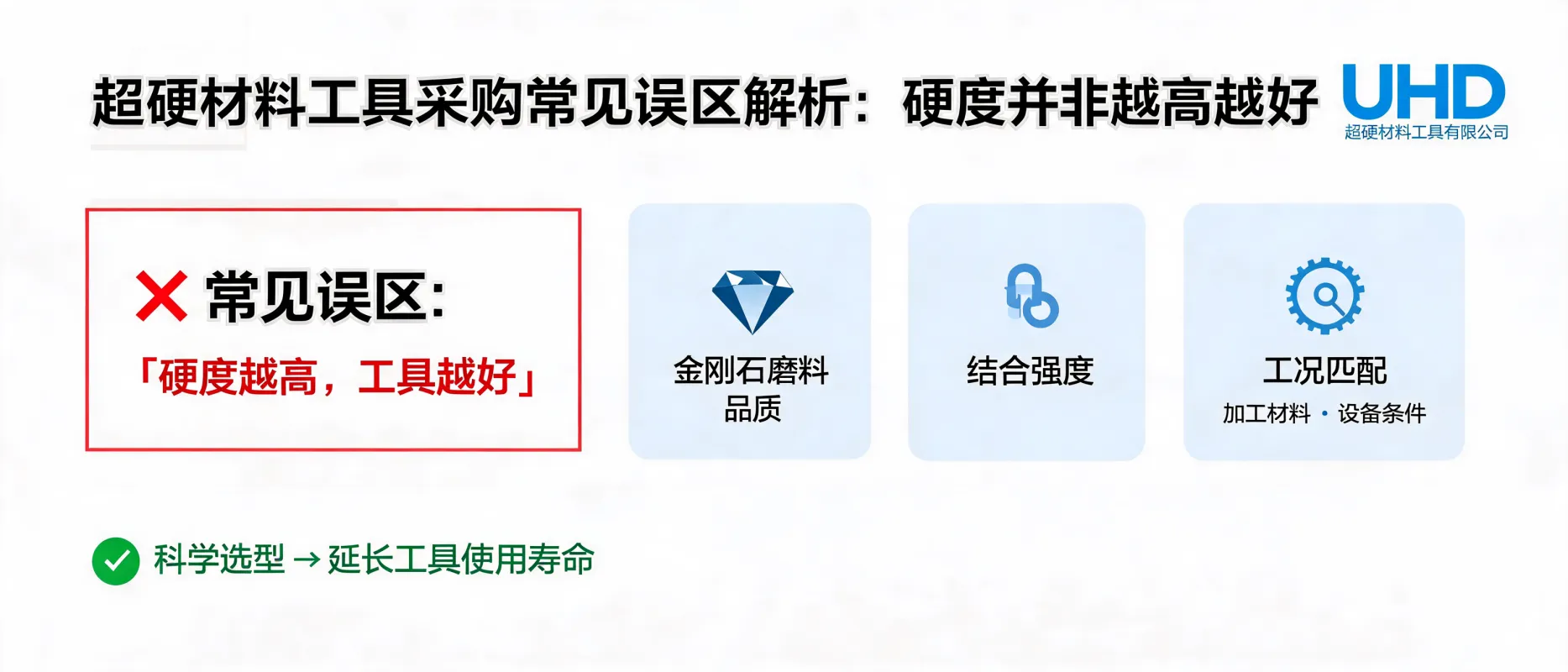
Note: KPI priority differs by material. Metal processing often emphasizes edge stability and heat control; stone processing may emphasize aggressive removal and dust management.
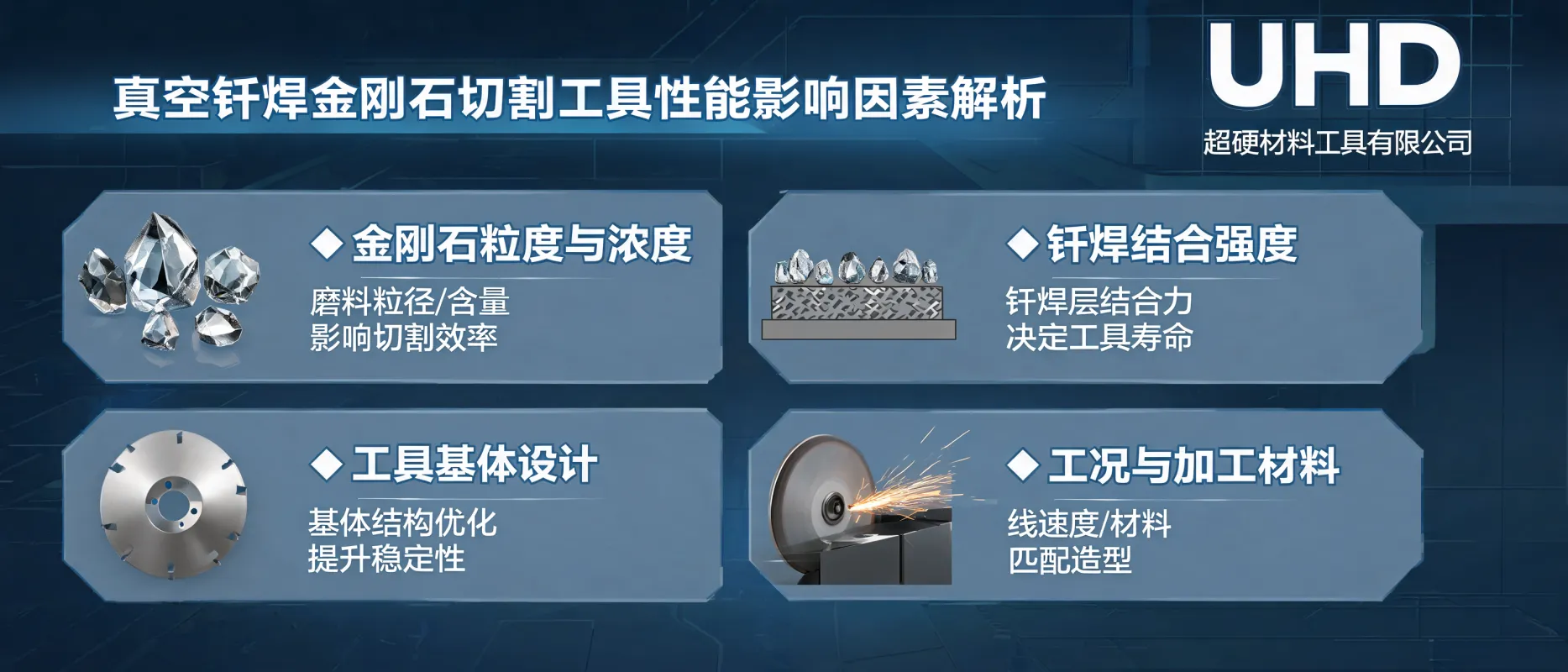
Even high-performance vacuum brazed diamond cutting abrasives can underperform if the process window is mismatched. When evaluating a specification, align these factors:
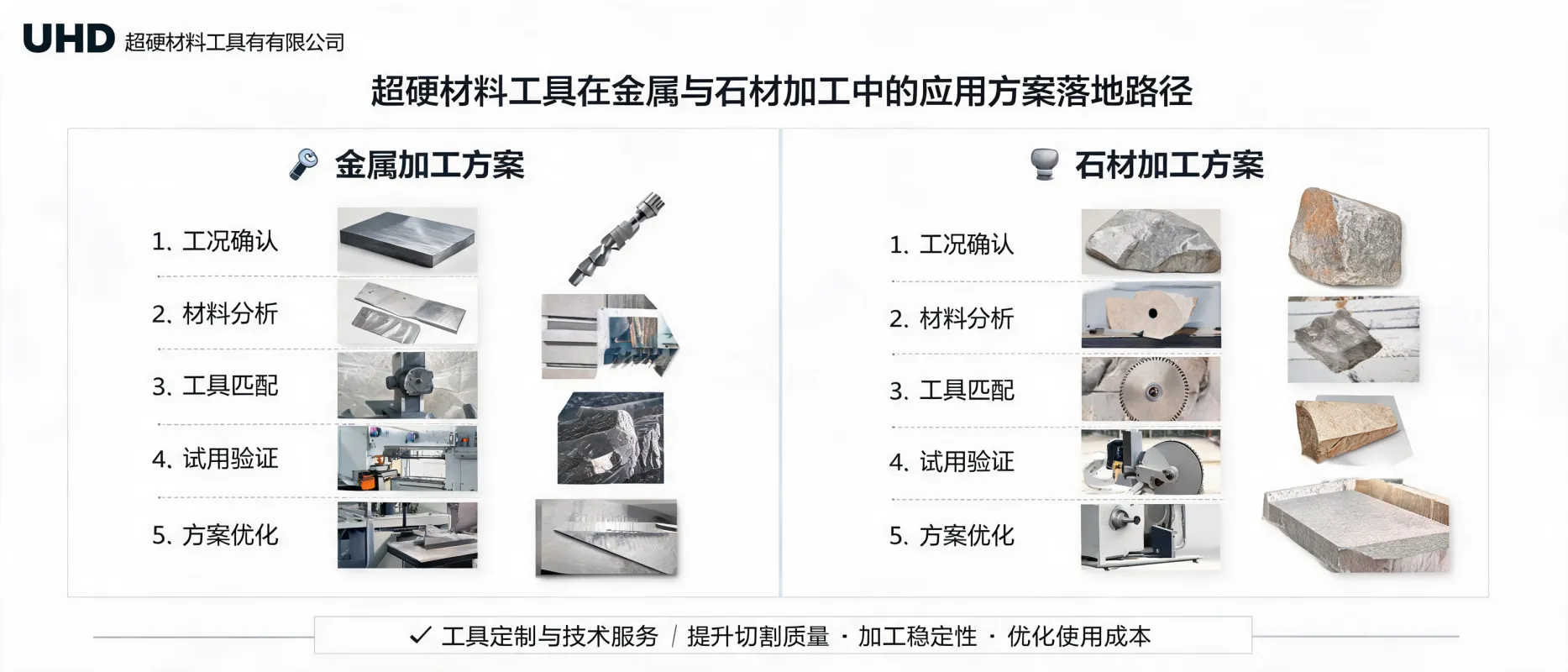
Practical approach: run a controlled trial on one line with fixed parameters, then compare wheel life, stability, and part quality—not just removal rate.
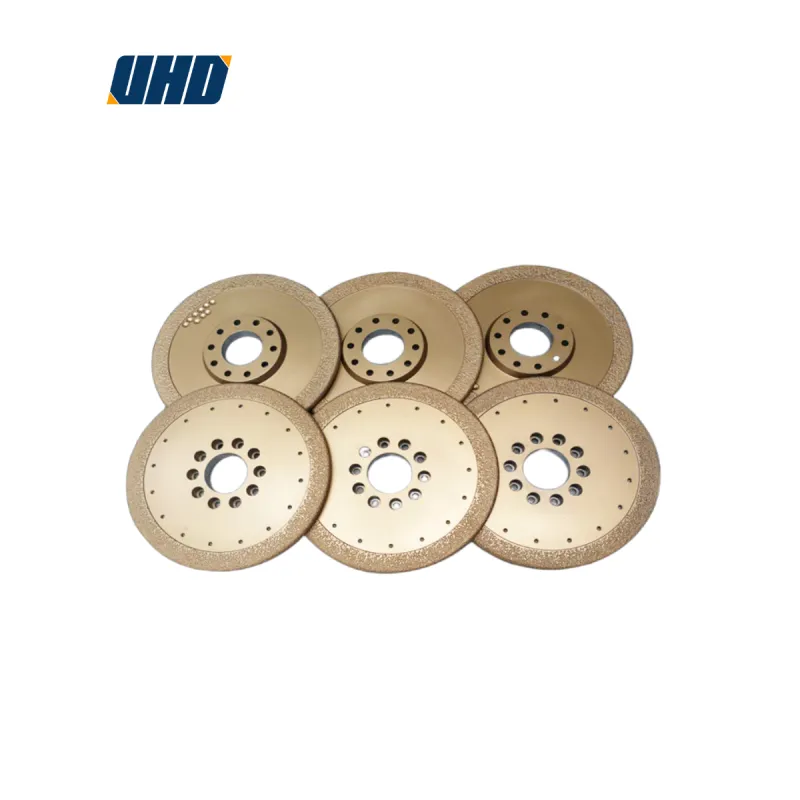
UHD supports multi-specification options and customization for vacuum brazed diamond grinding wheels and related cutting abrasives, helping you fit the tool to your process rather than forcing process compromises.
If you share your material, operation, and equipment constraints, UHD can recommend a starting specification and refine it through iterative feedback.
UHD Ultrahard Tools Co., Ltd develops and manufactures superhard tools with emphasis on industrial reliability. For vacuum brazed diamond tools, UHD applies advanced vacuum brazing and carefully selected diamond raw materials to support sharpness and wear resistance in demanding cutting & grinding conditions.
To speed up selection and avoid misquotes, prepare the following:
UHD uses these inputs to propose a vacuum brazed diamond abrasive specification aligned to your industrial cutting and grinding objectives.
UHD’s vacuum brazed diamond grinding wheel for ductile iron machining is engineered for industrial precision processing. It is designed to support strong cutting action and high wear resistance, helping reduce tool replacement frequency and support cleaner production through dust-optimized design choices.
Best-fit scenario
Ductile iron and similar materials where stable sharpness and wear resistance are key.
Value focus
Efficiency, durability, and process stability for industrial cutting & grinding lines.
Service
Multi-spec options and customization with technical support through evaluation.
UHD focuses on providing performance-matched superhard tool solutions for industrial users in metal processing and stone processing. Selection outcomes depend on material, process parameters, and equipment conditions; specifications should be confirmed through technical review and practical trials.
 163
|
 UHD Ultrahard Tools Co., Ltd
vacuum brazed diamond
diamond cutting abrasives
cutting efficiency
abrasive selection guide
210
|
UHD Ultrahard Tools Co., Ltd
vacuum brazed diamond cutting abrasive
superhard tools
diamond abrasive
metalworking and stone processing
333
|
UHD Ultrahard Tools Co., Ltd
ultrahard tools purchasing
diamond tools procurement
supplier evaluation
process matching
407
|
UHD Ultrahard Tools Co., Ltd
ultrahard material tools purchasing
product and process matching
custom tool support
supplier evaluation
193
|
UHD Ultrahard Tools Co., Ltd
ultrahard material tools purchasing
procurement mistakes
tool life and stability
supplier evaluation and customization