

In industrial machining and fabrication, ultrahard tooling decisions are often made by comparing a few parameters—grit size, bond type, segment geometry, hardness, or a single “wear resistance” claim. Yet many procurement and production teams have learned that spec-only comparisons do not reliably predict on-site results. The industry is therefore shifting toward scenario-based solutions: selecting ultrahard tools by linking process, workpiece material, and machining goals to expected performance and total cost outcomes.
Context for buyers: UHD Ultrahard Tools Co., Ltd (UHD) supports industrial customers with ultrahard material tools—such as diamond tools, abrasives, and customized brazed diamond abrasives—where real performance depends heavily on application conditions.
Ultrahard tools operate at the intersection of tribology, heat generation, chip evacuation, and workpiece variability. A “better” spec on paper can underperform if the operating scenario changes. Common reasons include:
A scenario-based solution is a structured way to match ultrahard tools to real operating conditions instead of selecting by one or two headline specs. It aligns tool selection with the application context so that purchasing decisions are tied to measurable production outcomes.
In B2B industrial procurement, a tool is rarely “good” or “bad” in isolation—it is effective or ineffective in a scenario. Scenario-based evaluation creates a shared language between procurement, manufacturing engineers, and operators.
| Evaluation approach | Typical focus | What it improves |
|---|---|---|
| Spec-first | Single parameters and catalog comparisons | Fast shortlisting—may miss fit to real conditions |
| Scenario-based | Process + material + machine + goal alignment | Predictability, cost-per-part clarity, and smoother ramp-up |
| Lifecycle-oriented | Repeatability, training, inspection, and supply assurance | Reduced variability, fewer disruptions, better cross-team collaboration |
Practical takeaway: The most useful question is no longer “Which tool has the best spec?” but “Which tool is optimized for our material, process window, and production targets?”
To enable a scenario-based solution, define the application with a concise, repeatable brief. Procurement can use it for sourcing and quote comparison, and engineering can use it for selection and trial planning.
Note: If some inputs are unknown, the scenario can still be defined using the best available shop-floor knowledge (e.g., observed wear mode, temperature issues, vibration marks, or finish defects). The goal is clarity—not perfection.
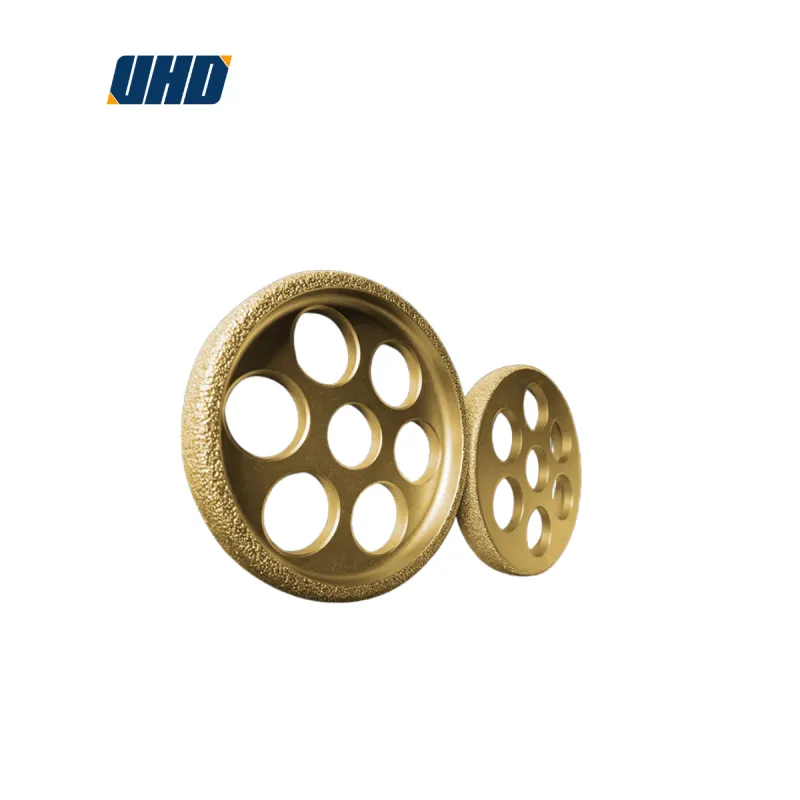
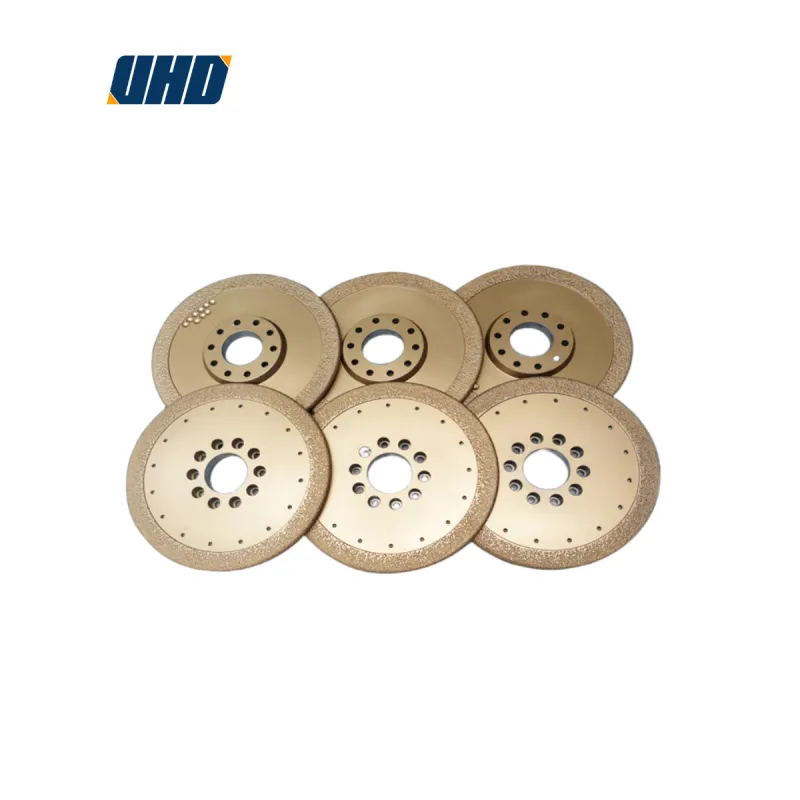
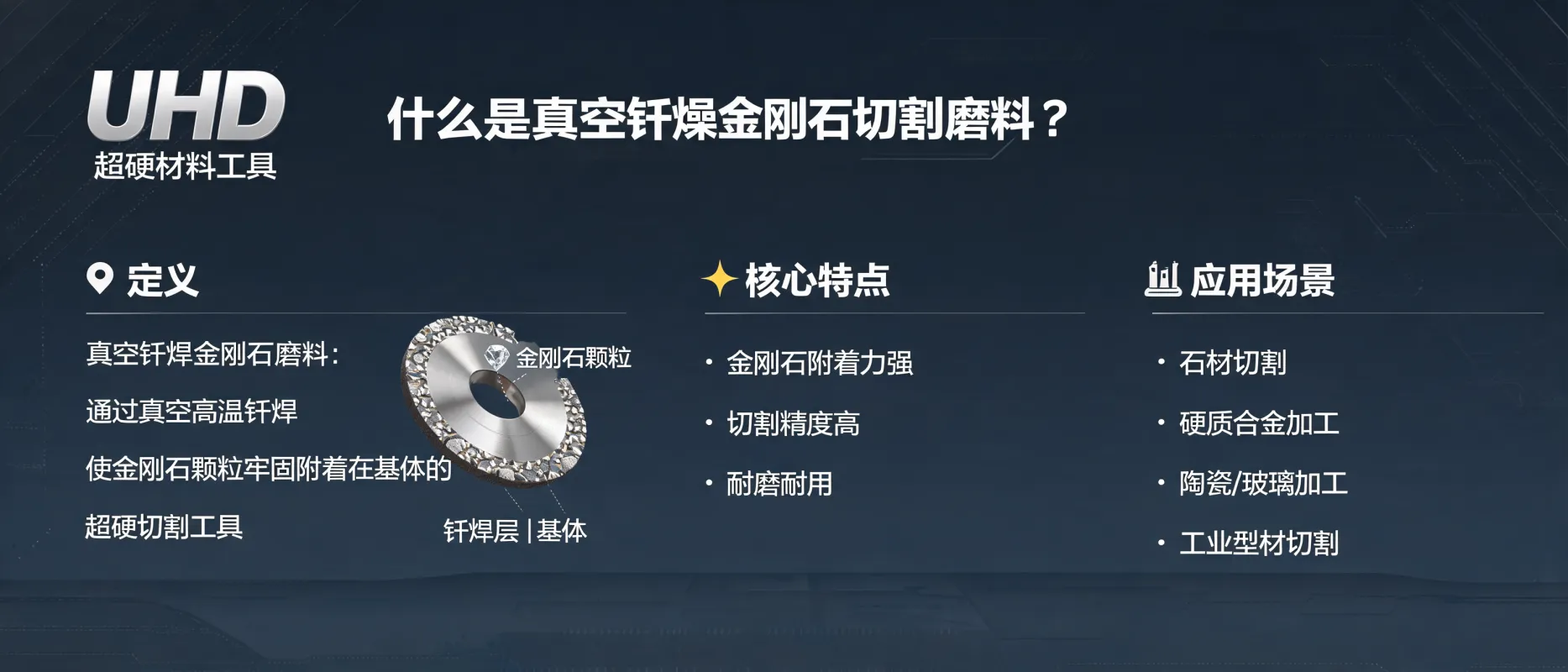
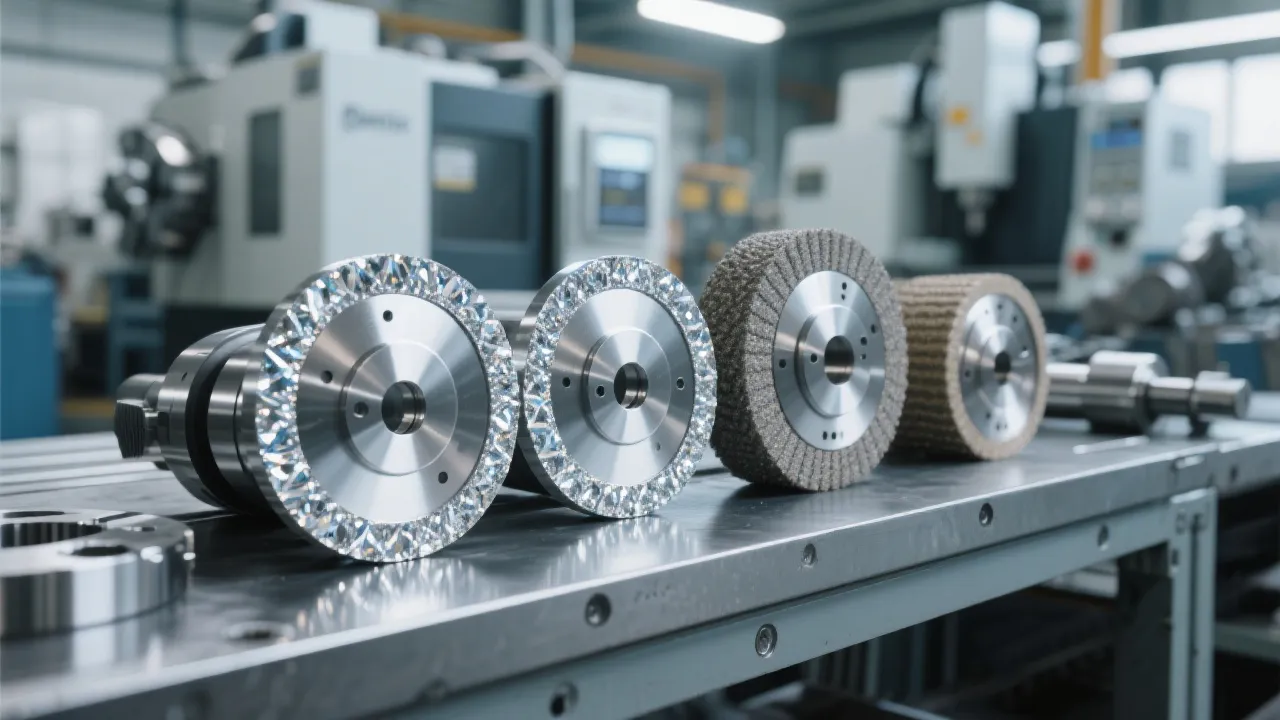
As a high-tech enterprise focused on ultrahard material tools, UHD Ultrahard Tools Co., Ltd works with industrial customers to translate application scenarios into practical tooling options and usage guidance. UHD’s portfolio includes diamond tools, abrasives, and customized brazed diamond abrasives, supporting both metalworking and stone-processing applications where scenario fit is critical.
Matching tool category and configuration to process requirements and workpiece material behavior—so selection is driven by use conditions rather than isolated parameters.
Leveraging UHD’s engineering capability and collaboration with academic partners (e.g., Henan University of Technology) to support ongoing development and application-focused improvement within the ultrahard tooling domain.
A structured foreign trade and B2B service workflow to support industrial buyers with clear communication, consistent documentation, and market-specific requirements across global channels.
The shift from spec-only comparison to scenario-based solutions reflects a practical reality: in ultrahard tooling, performance is created by the tool + process + material + goals working as one system. When that system is defined clearly, selection becomes easier to justify, easier to implement, and more repeatable in daily production.
If you want to evaluate an ultrahard tool for a specific machining condition, prepare a short scenario brief (material, process, machine constraints, and target outcome). UHD can then align suitable ultrahard tooling options—such as diamond tools, abrasives, or customized brazed diamond abrasives—to your application context.

.png?x-oss-process=image/resize,h_800,m_lfit/format,webp)
 117
|
117
|
 UHD Ultrahard Tools Co., Ltd
vacuum brazed diamond cutting abrasives
ultrahard material tools
applications in metalworking and stone processing
definition and application boundaries
374
|
UHD Ultrahard Tools Co., Ltd
vacuum brazed diamond cutting abrasive
ultrahard tools
metalworking cutting and grinding
stone processing abrasives
75
|
gray cast iron grinding wheel selection
vacuum brazed diamond grinding wheel
low dust grinding gray cast iron
diamond wheel grit size selection
wear resistant grinding wheel for cast iron
182
|
UHD Ultrahard Tools Co., Ltd
vacuum brazed diamond tools
ultrahard material tools
metalworking
stone processing
460
|
gray cast iron grinding wheel selection
vacuum brazed diamond grinding wheel
diamond wheel grit size for cast iron
low dust cast iron grinding
CE compliance grinding tools
UHD Ultrahard Tools Co., Ltd
vacuum brazed diamond cutting abrasives
ultrahard material tools
applications in metalworking and stone processing
definition and application boundaries
374
|
UHD Ultrahard Tools Co., Ltd
vacuum brazed diamond cutting abrasive
ultrahard tools
metalworking cutting and grinding
stone processing abrasives
75
|
gray cast iron grinding wheel selection
vacuum brazed diamond grinding wheel
low dust grinding gray cast iron
diamond wheel grit size selection
wear resistant grinding wheel for cast iron
182
|
UHD Ultrahard Tools Co., Ltd
vacuum brazed diamond tools
ultrahard material tools
metalworking
stone processing
460
|
gray cast iron grinding wheel selection
vacuum brazed diamond grinding wheel
diamond wheel grit size for cast iron
low dust cast iron grinding
CE compliance grinding tools







.png?x-oss-process=image/resize,h_100,m_lfit/format,webp)
.png?x-oss-process=image/resize,h_100,m_lfit/format,webp)
.png?x-oss-process=image/resize,h_100,m_lfit/format,webp)