Selecting and Operating an 180mm Brazed Diamond Grinding Disc for Stainless Steel: A Practical Evaluation Guide
UHD Ultrahard Tools Co., Ltd
2026-10-03
Industry Guide
UHD Ultrahard Tools Co., Ltd shares a practical guide for selecting and using an 180mm brazed diamond grinding disc in stainless steel applications—covering workpiece conditions, equipment factors, wear recognition, and operating practices to balance efficiency, surface quality, and service life.

Stainless steel grinding can quickly become a trade-off between removal rate, surface quality, and disc life—especially when the tool choice or operating rhythm is not matched to the workpiece and machine. This page from UHD Ultrahard Tools Co., Ltd provides a field-oriented evaluation guide for selecting and operating an 180mm brazed diamond grinding disc for stainless steel, with practical checkpoints you can apply on-site.
Applicable scope: This guidance focuses on selection factors (workpiece condition, target removal/finish, machine capability, duty cycle, disc strength and wear demand) and operating checks (installation inspection, pressure control, process rhythm, abnormal wear identification, and post-job cleaning). For any RPM, feed, cooling, and safety parameters, always follow product instructions, machine specifications, and site safety rules.
Product Context: 180mm High-Wear Brazed Diamond Grinding Disc
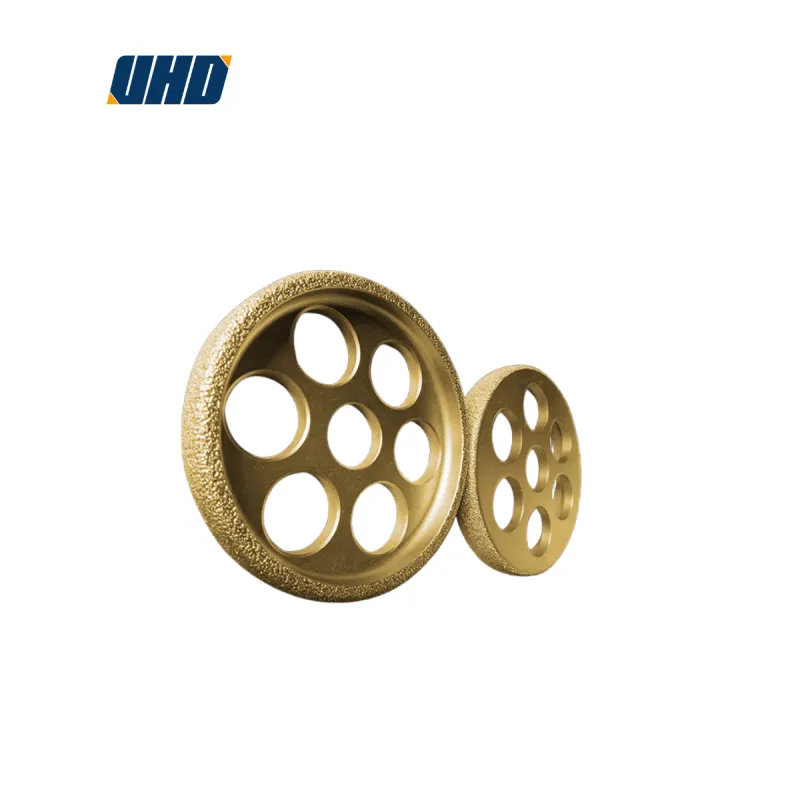
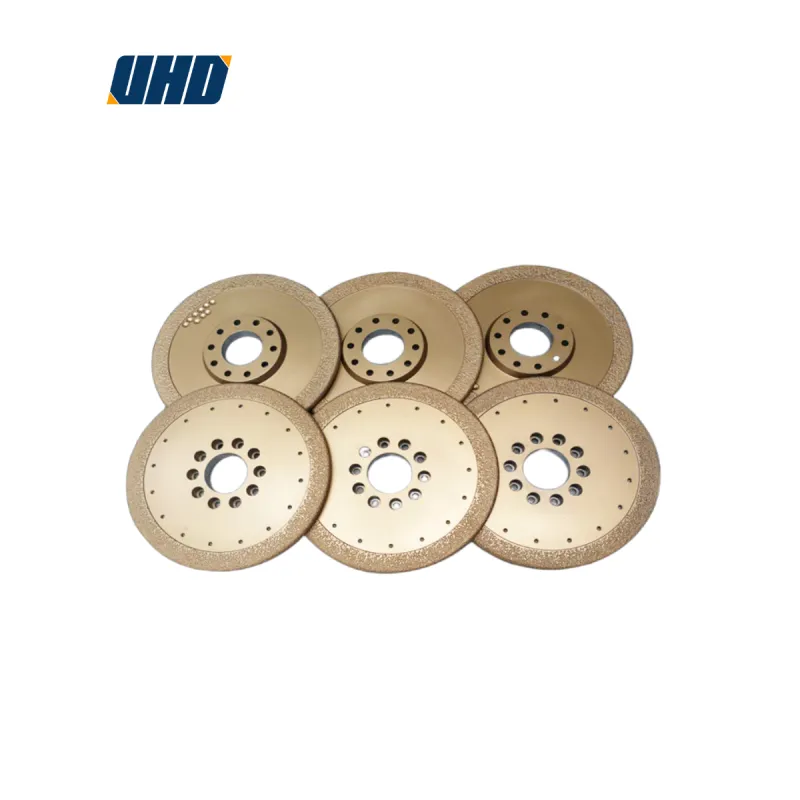
UHD’s 180mm high-wear brazed diamond grinding disc is designed for stainless steel grinding scenarios where stable structure and wear resistance are important. The disc uses a turned (machined) base combined with a brazing process to achieve a rigid build intended for efficient grinding on stainless steel.
- High-strength structure: brazed construction + turned base to support load and rigidity.
- Efficiency-oriented: intended to help achieve faster material removal in stainless steel grinding tasks.
- High wear resistance: designed to extend service life and reduce replacement frequency.
- Compliance claims: stated as CE-certified within the provided product information.
- Support: UHD provides after-sales service as part of the offering.
Tip for evaluation: confirm your machine’s guarding, spindle condition, and disc mounting method before testing any new disc on stainless steel.

Visual reference: 180mm brazed diamond grinding disc use context (stainless steel grinding).
1) Selection Checklist: Is an 180mm Brazed Diamond Disc Suitable for Your Stainless Steel Job?
Use the following checkpoints to determine whether an 180mm brazed diamond grinding disc matches your stainless steel application. Keeping these factors consistent helps you compare discs more objectively during trials.
Workpiece condition (stainless steel)
- Material state: plate, tube, weld bead area, cast/forged section, or rework surface.
- Surface contamination: oxide scale, paint/coating residues, or embedded particles that can affect wear and finish.
- Heat sensitivity and discoloration risk: define acceptance criteria for color/thermal marks before choosing an aggressive removal plan.
Target outcome: removal vs. finish
- Clarify whether you need rapid stock removal, weld blending, or surface preparation before subsequent processes.
- Define the acceptable surface texture range on stainless steel (shop standard) so “good” is measurable during trials.
Equipment factors (machine capability)
- Machine type and stability: handheld grinder vs. fixed station; vibration directly impacts wear behavior and surface consistency.
- Mounting compatibility: confirm disc size (180mm) matches the guard and mounting system.
- Duty cycle: continuous production vs. intermittent work—thermal load and operator rhythm differ significantly.
Disc strength and wear demand
- If your stainless steel work includes high-contact-pressure operations (e.g., weld bead leveling), prioritize structural rigidity and wear resistance.
- If finish sensitivity is higher than removal speed, plan for lighter passes and tighter process control rather than pushing load.
2) Operating Checks: Practical Use Guidance for Stainless Steel Grinding
Even with the right disc, performance depends on installation quality and consistent operating habits. The following checks help reduce premature wear and stabilize stainless steel surface results.
- Pre-install inspection: verify the disc is intact, the base is not deformed, and mating surfaces are clean. Confirm compatibility with the machine’s guard and mounting hardware.
- Mounting discipline: mount firmly and concentrically. Poor seating or runout increases vibration, which accelerates wear and degrades finish.
- Pressure control: apply stable pressure rather than “pulsing” force. Excessive pressure can increase heat, affect surface appearance, and raise abnormal wear risk.
- Process rhythm: keep consistent contact time and movement; avoid staying in one spot on stainless steel for too long to reduce thermal marks and uneven removal.
- Monitor wear behavior: stop and inspect if you notice sudden efficiency loss, unusual sound/vibration, or unexpected surface defects. These may indicate abnormal wear or installation issues.
- Post-job cleaning: clean the disc and surrounding area after use to reduce contamination carryover into the next stainless steel batch and to support stable repeatability.
Safety note: For any RPM limits, feeds, cooling methods, and safe operating parameters, follow the disc documentation, machine manual, and your site safety procedures. Do not infer settings from general guidance.
If your process requires specific parameter windows, UHD can support with product-level clarification based on your equipment type and usage scenario, within the boundaries of applicable standards and documentation.
3) Recognizing Wear and Evaluating Service Life (Field-Oriented)
For stainless steel operations, “end-of-life” is best judged by a combination of removal rate stability, surface consistency, and abnormal behavior signals—not only by visual appearance.
| What you observe |
What it may indicate |
Practical check |
| Removal rate drops noticeably |
Wear state change, loading/contamination, or process inconsistency |
Confirm mounting/runout, review pressure and dwell time, check for contamination |
| Surface finish becomes unstable batch-to-batch |
Vibration, inconsistent technique, or disc condition variability |
Inspect spindle/guard stability, standardize operator pass pattern |
| Unusual vibration / sound |
Installation issue, damage, or abnormal wear |
Stop safely, check disc seating and machine condition before continuing |
| Heat marks or discoloration increases |
Excessive pressure/dwell time, insufficient process control |
Reduce dwell, stabilize movement rhythm, reassess whether your target finish is compatible with removal plan |
4) Typical Stainless Steel Use Scenarios (B2B)
Small and medium workshops
When equipment varies and jobs are diverse, focus on selection discipline (workpiece + target outcome + machine capability) and use a consistent operating rhythm to keep results repeatable.
Industrial manufacturers with duty-cycle requirements
For continuous or high-frequency stainless steel grinding, wear recognition and standardized checks (installation, pressure, and cleaning) can reduce variability across shifts and help manage consumable planning.
About UHD: Manufacturing Focus and Support
UHD Ultrahard Tools Co., Ltd is a high-tech enterprise focused on R&D, production, and sales of ultrahard material tools, providing performance-oriented carbide and diamond tool solutions for industrial markets. UHD’s offering includes diamond tools, abrasives, and customized brazed diamond abrasives, supported by a B2B export service system for global buyers.
If you are evaluating an
180mm brazed diamond grinding disc for stainless steel, prepare your workpiece description (material condition, target removal/finish), machine type, and duty cycle. This allows a clearer, faster suitability discussion and a more reliable on-site trial plan.

 67
|
 UHD Ultrahard Tools Co., Ltd brazed diamond grinding wheel 180mm diamond grinding disc stainless steel grinding wheel high wear resistance grinding wheel