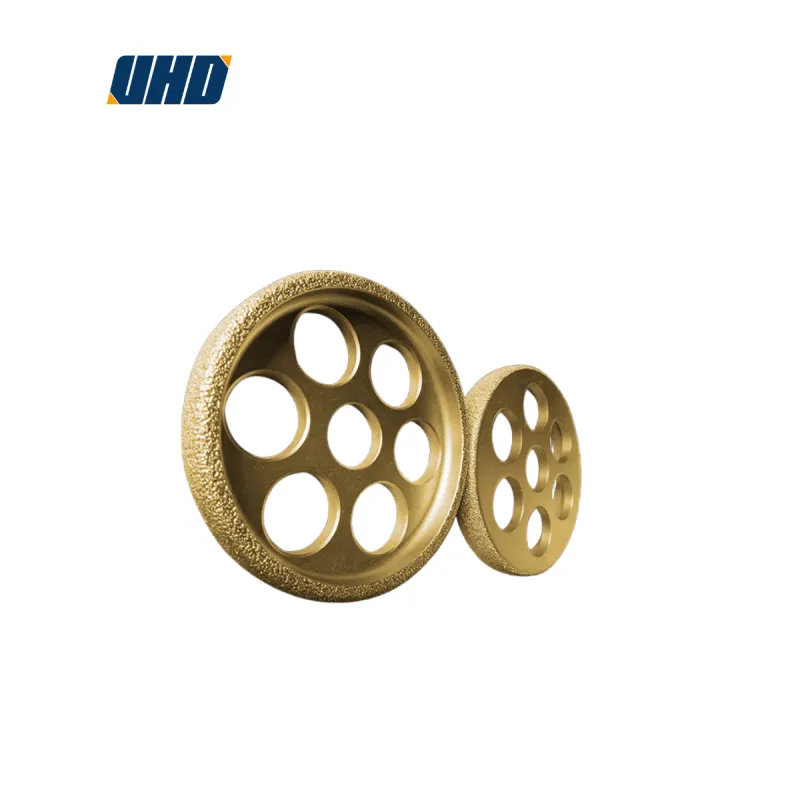
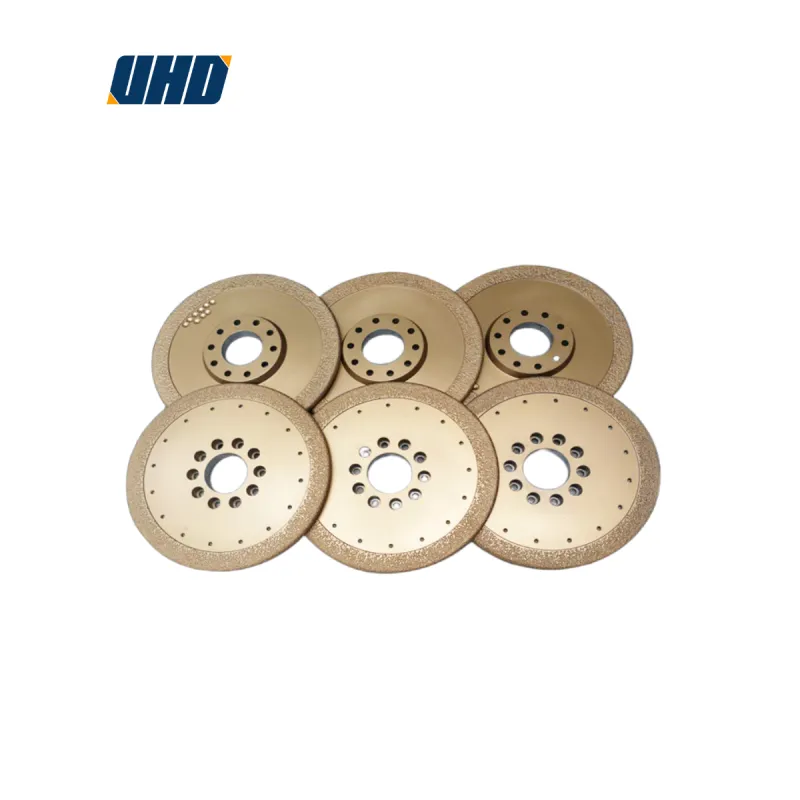
Stainless steel is tough, heat-sensitive in grinding, and often demands stable material removal plus consistent surface finish. This page by UHD Ultrahard Tools Co., Ltd (UHD) outlines a field-oriented selection-and-usage process for brazed diamond grinding tools, using a 180mm high-wear-resistance brazed diamond grinding disc as a reference scenario.
The intent is to help B2B users evaluate tools by work conditions → machine conditions → tool structure → operating method → result evaluation, so decisions are made on total performance and cost per part—not on a single parameter.
Before comparing tool models, align on what “good” looks like for your stainless steel job. Different targets can require different grit behavior, pressure strategy, and replacement timing.
Selection hint: If your bottleneck is frequent tool changes or unstable removal rate, prioritize diamond grit retention and wear pattern stability over initial purchase price.
Brazed diamond grinding tools are sensitive to operating conditions. Validate the basics to avoid underperformance or abnormal wear that looks like a “tool problem” but is actually a setup problem.
For stainless steel grinding, tool structure strongly affects efficiency, surface finish, wear life, and replacement frequency. UHD’s reference disc uses a turned tool body with a high-tech brazing process intended to provide a strong structure and reliable diamond grit holding.
Note: Always follow your facility’s safety procedures and the tool/machine operating instructions. Site conditions vary; verify parameters through controlled trials rather than relying on assumptions.
The most useful on-site habit is to distinguish “normal wear” from “abnormal wear.” Early recognition helps keep surface finish stable and prevents unnecessary tool replacement.
Check pressure spikes, heat build-up, and whether the grinding rhythm changed versus baseline jobs.
Inspect mounting stability/runout, workpiece rigidity, and contact angle control.
Look for localized overheating or uneven contact that can accelerate grit loss.
Re-check job-to-job consistency and compare cost-per-part instead of single-run impressions.
Why records matter: When comparing brazed diamond grinding discs, stable notes help isolate whether changes come from the tool, the machine, or the operator method.
UHD recommends evaluating total cost per part using a consistent baseline. For stainless steel grinding, the purchase price alone often fails to reflect downtime, rework, and replacement frequency.
UHD Ultrahard Tools Co., Ltd develops and manufactures ultrahard material tools for industrial markets, including diamond tools, abrasives, and customized brazed diamond abrasives. With an R&D-driven approach and cooperation with universities such as Henan University of Technology, UHD supports customers with product selection aligned to specific processes and working conditions.
If you are assessing a 180mm brazed diamond grinding disc for stainless steel—or building a standardized grinding specification—UHD can support evaluation based on your work target, machine conditions, tool structure, and maintenance routine, so the result can be verified on your line.
 452
|
 UHD Ultrahard Tools Co., Ltd ultrahard material tools diamond tools abrasives and grinding tools vacuum brazed diamond tools
354
|
UHD Ultrahard Tools Co., Ltd ultrahard tools diamond tools brazed diamond abrasives metal and stone processing
111
|
UHD Ultrahard Tools Co., Ltd brazed diamond grinding wheel vacuum brazed diamond wheel ductile iron machining grinding wheel custom diamond grinding wheels
239
|
UHD Ultrahard Tools Co., Ltd superhard material tools diamond tools vacuum brazed diamond abrasives metal and stone processing abrasives
67
|
UHD Ultrahard Tools Co., Ltd brazed diamond grinding wheel 180mm diamond grinding disc stainless steel grinding wheel high wear resistance grinding wheel