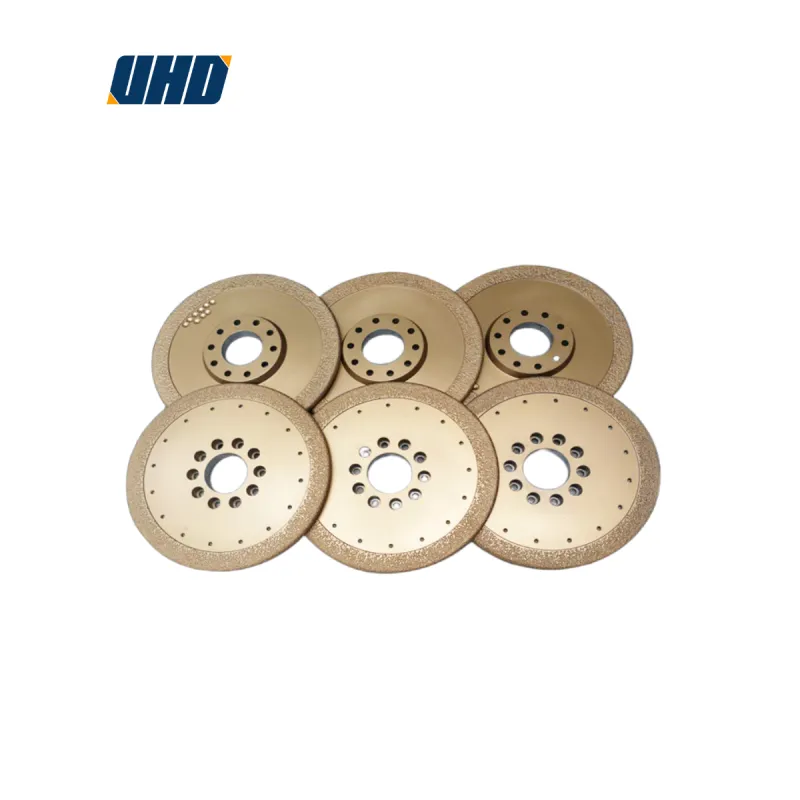
Stainless steel grinding often comes with a tough combination of work-hardening tendency, heat buildup, and rapid tool wear. This page provides a practical, shop-floor oriented guide to help you choose and use brazed diamond grinding tools for stainless steel—from process matching and installation checks to wear pattern diagnosis, cleaning, and total cost evaluation.
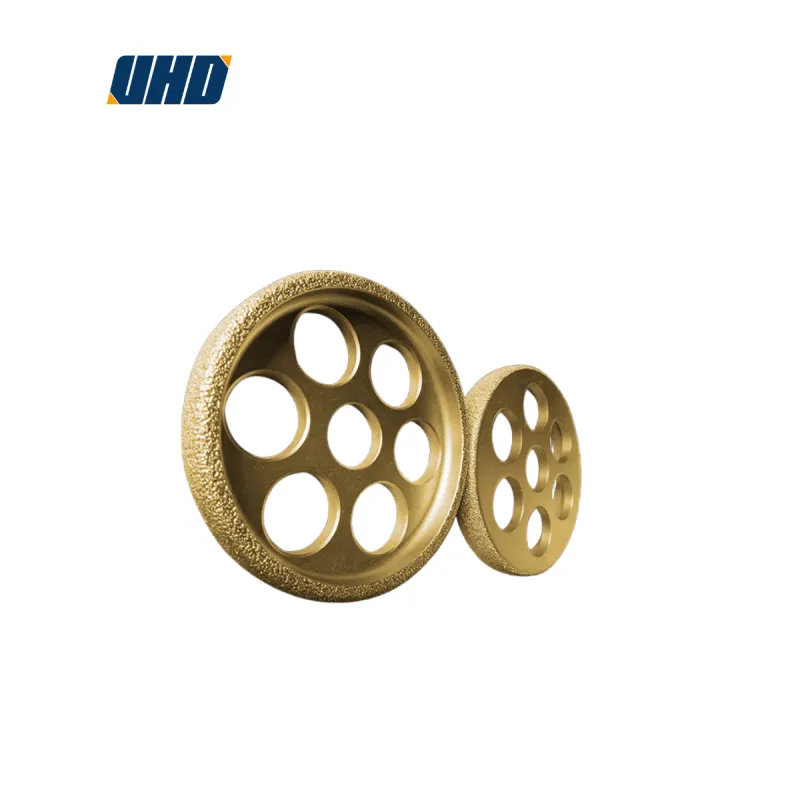
Reference product for discussion: UHD Ultrahard Tools Co., Ltd (UHD) — 180mm high-wear brazed diamond grinding wheel featuring a turned base + brazed diamond abrasive structure. Parameters such as RPM, feed/pressure, coolant method, and safety limits must follow the product manual, machine specifications, and on-site safety rules.
Start with process conditions—then map them to tool structure and wear resistance. In stainless steel applications, selection mistakes often show up as early glazing, poor cutting feel, or overheating-related discoloration and distortion.
For stainless steel processing, tool stability directly affects surface consistency and unexpected wear. UHD’s reference wheel discussed here uses a turned base combined with a high-tech brazing process, designed to enhance structural strength and support efficient grinding in demanding shop conditions.
Before the first pass on stainless steel, confirm the wheel and setup are ready. These checks reduce avoidable issues such as abnormal wear, excessive heat, and unstable grinding marks.
Keep process settings within approved limits. For specific RPM/pressure/coolant guidance, always follow the product manual, your machine specifications, and on-site safety rules.
Stainless steel can amplify heat and wear when pressure fluctuates. Aim for consistent engagement, avoid sudden impacts, and keep the grinding action stable to reduce uneven wear patterns.
A drop in grinding efficiency may indicate loading, incorrect contact conditions, or early wear. Track cycle time changes and surface behavior to catch problems before they become tool-damaging.
Excessive heat affects both the workpiece and tool. Use the cooling and safety practices required by your site and equipment, and avoid prolonged high-pressure dwell on a single spot.
Wear is expected in grinding—abnormal wear is a diagnostic signal. Use the table below to standardize on-site checks and decide whether adjustments are needed.
After each stainless grinding task, apply a repeatable cleaning and handling routine. This helps maintain consistent cutting behavior and reduces avoidable issues on the next setup.
A stainless steel grinding tool is cost-effective when it supports stable throughput and predictable tool life. When comparing options, evaluate total cost with a consistent structure:
UHD Ultrahard Tools Co., Ltd (UHD) is a high-tech enterprise focused on the R&D, manufacturing, and sales of ultrahard material tools, providing performance-oriented solutions for industrial users. UHD’s product portfolio covers diamond tools, abrasives, and custom brazed diamond abrasives, serving metalworking and stone processing scenarios with application-focused positioning.
If you are evaluating a 180mm brazed diamond grinding wheel for stainless steel, UHD can support selection alignment based on your process goals, equipment conditions, and duty cycle—helping you compare options using measurable checks such as stability, wear behavior, and total cost logic.
Always verify compatibility with your machine and application. Operating limits and safety practices must follow the wheel’s documentation and your site procedures—especially for stainless steel where heat and pressure sensitivity can be higher.
 111
|
 UHD Ultrahard Tools Co., Ltd brazed diamond grinding wheel vacuum brazed diamond wheel ductile iron machining grinding wheel custom diamond grinding wheels
40
|
UHD Ultrahard Tools Co., Ltd superhard material tools diamond tools vacuum brazed diamond custom tool solutions
314
|
UHD Ultrahard Tools Co., Ltd brazed diamond grinding disc stainless steel grinding wheel high wear resistance grinding disc industrial metal processing tools
200
|
UHD Ultrahard Tools Co., Ltd ultrahard material tooling solution diamond tools vacuum-brazed diamond cutting abrasives metal and stone processing
318
|
UHD Ultrahard Tools Co., Ltd vacuum brazed diamond cutting abrasives brazed diamond grinding wheel superhard material tools metalworking and stone processing