How to Select the Right Tool for Stainless Steel Grinding: Job Checks and Use Tips for UHD 180mm Brazed Diamond Disc
UHD Ultrahard Tools Co., Ltd
2026-10-11
Industry Guide
Learn how to choose and use a grinding tool for stainless steel with UHD Ultrahard Tools Co., Ltd’s 180mm brazed diamond grinding disc as a reference. Covers job-condition checks, machine and mounting compatibility, performance verification, and safe operation & maintenance to reduce heat buildup, loading, and unstable surface finish.
Stainless steel grinding can quickly become inefficient when heat buildup, loading (chip adhesion), and unstable surface finish appear. This page provides a practical selection-and-use workflow using the UHD 180mm brazed diamond grinding disc as a reference product—so engineers and operators can verify fit, trial behavior, and safe operation before standardizing the job.
Reference manufacturer: UHD Ultrahard Tools Co., Ltd (UHD) — a high-tech enterprise focused on ultrahard material tools R&D, manufacturing, and B2B supply.
Who this guide helps
- Manufacturing engineers defining process windows
- Workshop supervisors standardizing tool usage
- Machine operators troubleshooting loading/heat
Use boundary: operating parameters must follow the product manual and machine specifications. This page avoids unverified claims on output rate or service life.
Reference Tool Overview: UHD 180mm Brazed Diamond Grinding Disc (for Stainless Steel)
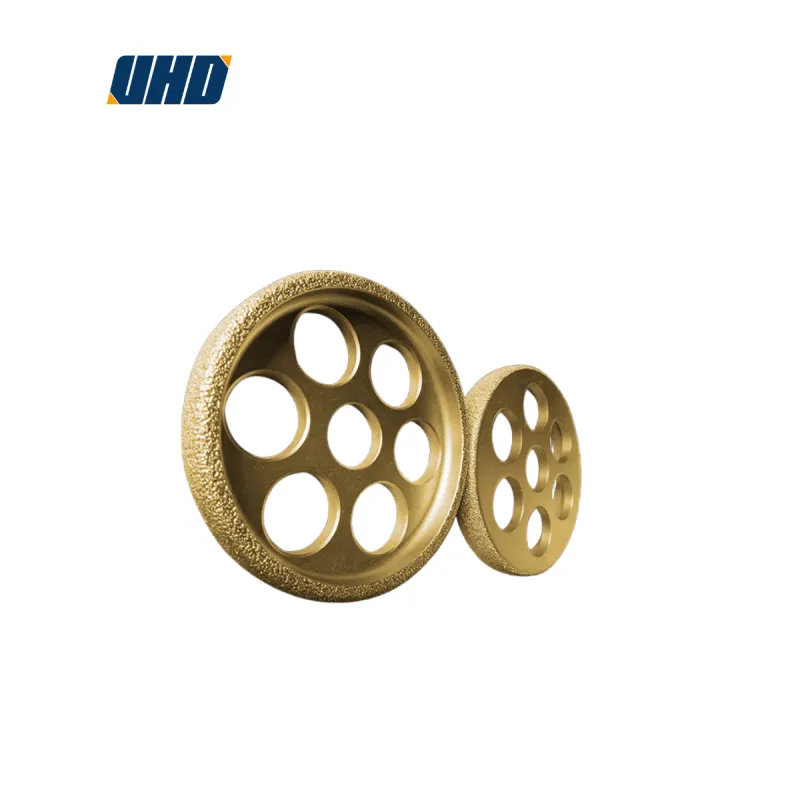
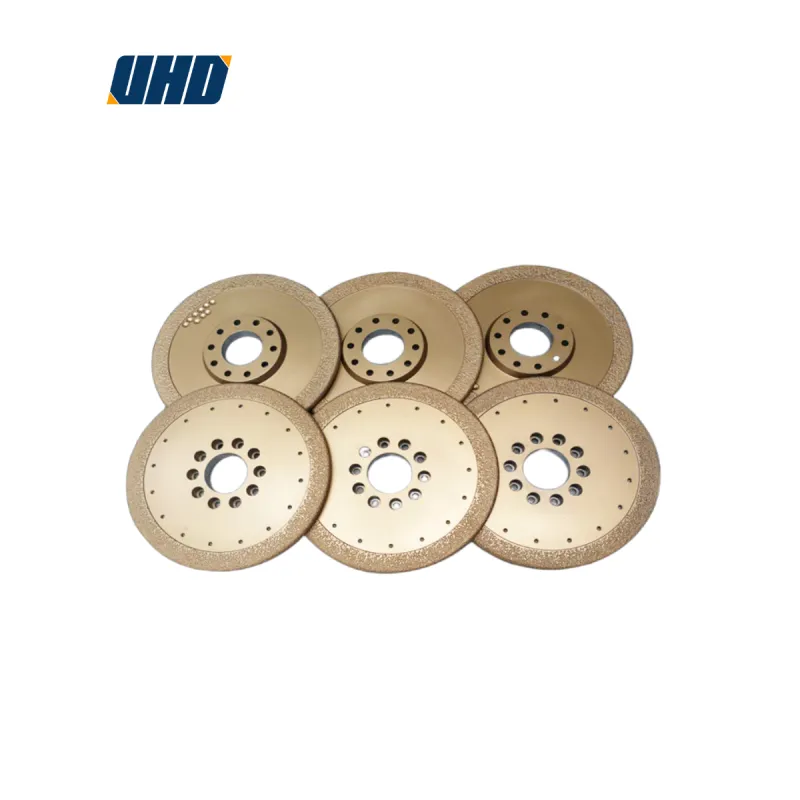
UHD offers a 180mm high-wear-resistance brazed diamond grinding disc designed as a robust choice for stainless steel grinding applications. The disc uses a turned steel body combined with a brazing process to bond diamond grains, supporting stable grinding behavior in demanding duty cycles.
- Structure note: turned body supports rigidity; brazed diamond grain bonding supports cutting action and stability
- Positioning: stainless steel grinding where heat/loading and finish consistency must be controlled
- Compliance: product is stated as passing CE and other certifications (as applicable per shipment documentation)
- Support: UHD provides after-sales guidance for installation and use
Product image (reference)
UHD 180mm brazed diamond grinding disc
Selection Workflow for Stainless Steel Grinding (On-Site Checks)
Step 1 — Confirm job conditions (material & finish target)
- Stainless steel grade and its typical behavior (work hardening risk, tendency to heat)
- Operation type: deburring, weld blending, stock removal, or surface leveling
- Target surface condition: consistent scratch pattern vs. aggressive removal
- Duty cycle: continuous production or intermittent work (affects thermal management)
Step 2 — Verify machine and mounting compatibility
- Machine type: grinder model, spindle type, guard configuration, and available power
- Mounting interface: arbor size/flange fit; ensure the disc seats flat without wobble
- Speed compliance: match allowable RPM to machine settings and label/manual requirements
- Workpiece constraints: access angle, contact area, and whether edges or flat surfaces dominate
Practical tip: if you see vibration or inconsistent tracking during a dry run, resolve mounting/fixture issues before evaluating abrasive behavior.
Step 3 — Choose disc specification for the job window
When using the UHD 180mm brazed diamond grinding disc as a reference, selection should consider grit specification, effective grinding area, machine condition, and duty cycle. Avoid “one-grit-for-all” setups—especially for stainless steel, where heat and loading can dominate performance.
- More aggressive stock removal: prioritize stable cut and chip evacuation; confirm thermal behavior during trials
- Finish consistency: prioritize predictable scratch pattern; reduce variables in pressure and contact area
- Small contact area tasks: manage pressure carefully to avoid localized overheating
Step 4 — Validate by trial use (behavior verification)
- Heat behavior: watch for rapid discoloration and excessive temperature rise; adjust pressure and contact time
- Loading: check for metal adhesion that smears and reduces cut; standardize cleaning intervals
- Finish stability: confirm whether scratch pattern and surface uniformity stay consistent from first pass to later passes
- Machine response: ensure no abnormal vibration/noise; stop if instability occurs
Safe Operation & Maintenance (to Reduce Heat, Loading, and Unstable Finish)
Installation inspection (before the first cut)
- Confirm the disc is intact; do not use if cracks, deformation, or abnormal wear is found
- Check flange cleanliness and seating; avoid trapped debris that can cause runout
- Verify guards, PPE, and machine condition per site safety rules
Pressure & contact control (during grinding)
- Use stable, controlled pressure—avoid “forcing” the disc, which can increase heat and worsen finish
- Keep a consistent contact angle and contact area to improve repeatability
- If surface finish becomes inconsistent, pause and inspect loading and mounting stability
Abnormal stop checks (when something changes)
- Stop operation and let the system cool if overheating is suspected
- Inspect for loading/metal adhesion; clean as recommended by site practice and product guidance
- Re-check flange seating and runout if vibration or tracking instability appears
- Resume with conservative settings and re-validate behavior before full production
Post-job cleaning & storage
- Remove debris and keep the disc surface clean to reduce loading in the next shift
- Store in a dry, protected area to prevent corrosion and accidental impact damage
Why the UHD reference matters: The combination of a turned steel body and brazed diamond grain bonding is directly related to stability in stainless steel grinding. Tool selection should always connect structure to the actual job window—material behavior, machine condition, and duty cycle.
Quick Decision Table (Use as a Workshop Checklist)
| Checkpoint |
What to verify on-site |
Why it matters (stainless steel) |
| Material & goal |
Grade, operation type, target finish consistency |
Misaligned goals often increase heat and rework |
| Machine fit |
Spindle/flange, guard, allowable speed, stability |
Runout and vibration can cause unstable finish |
| Disc selection |
Grit/spec choice aligned to duty cycle and contact area |
Wrong setup can accelerate loading or overheating |
| Trial validation |
Heat, loading, finish stability, abnormal noise |
Confirm real behavior before full production runs |
| Maintenance |
Cleaning routines, post-job inspection, storage |
Reduces repeated loading and performance drift |
Working with UHD (B2B Supply & Technical Support)
UHD Ultrahard Tools Co., Ltd supports industrial buyers with ultrahard tooling development and supply, including diamond tools and customized brazed diamond abrasives. If you are evaluating the 180mm brazed diamond grinding disc for stainless steel grinding, UHD can assist with application alignment—such as confirming your machine/mounting constraints and clarifying selection considerations (grit specification, grinding area, and duty cycle).
What to prepare for inquiry
- Stainless steel grade and application (deburr/blend/level)
- Machine model, spindle/flange details, RPM range
- Target finish and current issues (heat/loading/finish)
What UHD can support
- Tool selection logic aligned to job conditions
- Use guidance: installation checks, pressure control, abnormal stop checks
- After-sales service coordination for B2B buyers
UHD’s brand approach—
Quality builds the brand—is reflected in product positioning and process-aligned selection rather than unverified performance promises.