
In stone fabrication, cutting performance is not only about speed—it’s about repeatability, stable edge quality, and predictable tool behavior across batches, operators, and machines. This page breaks down a practical stone-processing workflow to show how ultrahard material tools can improve cutting efficiency and strengthen machining consistency, supporting reliable project delivery for industrial buyers.
Context: Stone processing application case breakdown | Focus: tool selection logic, process stability, operator experience | Brand: UHD Ultrahard Tools Co., Ltd (UHD)
Below is a step-by-step breakdown of how UHD approaches tool application in stone cutting and machining. The goal is not to claim universal results—stone varies widely—but to provide a clear, repeatable application logic that improves the chance of stable performance.
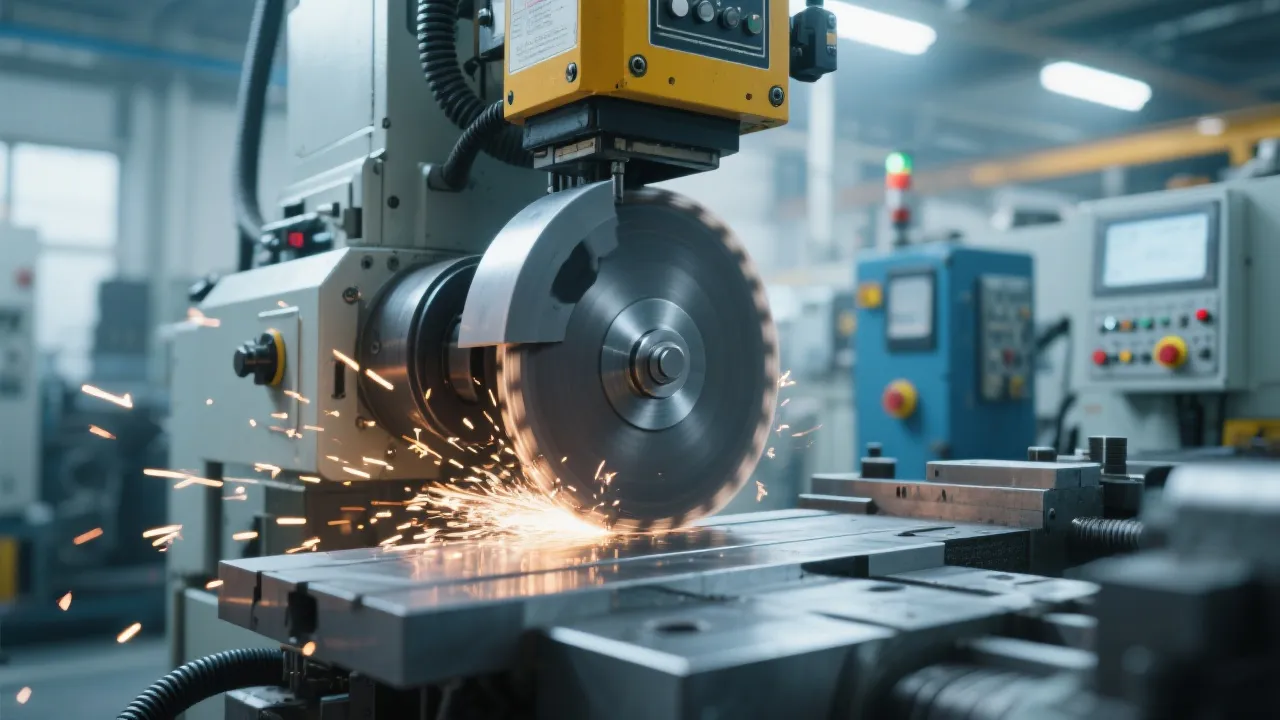
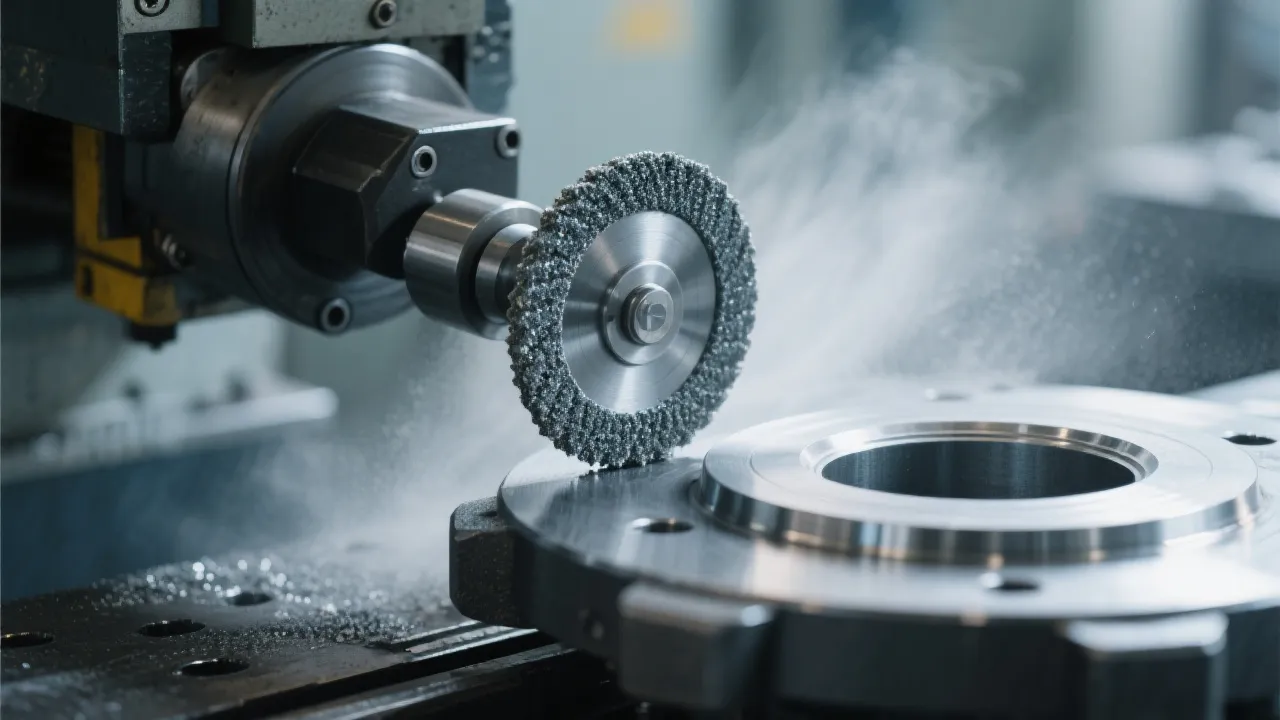
In production, variability often rises as tools wear. Ultrahard material tools are commonly used to help maintain a stable cutting condition for longer, reducing frequent adjustments and supporting steady throughput.
Consistent edge integrity and controlled chipping can improve downstream efficiency—less time spent correcting edges, fewer rejected pieces, and more predictable assembly or polishing steps.
When tool behavior is predictable, operators can follow a consistent setup routine. This supports training, reduces trial-and-error, and improves shift consistency—an important factor for buyers managing delivery schedules.
Note: Actual performance depends on stone type, machine rigidity, cooling/dust-control conditions, and operating parameters. A structured evaluation is recommended before full-scale rollout.
If you are comparing ultrahard tooling options for stone processing, the checklist below helps align expectations between procurement, production, and quality teams.
UHD Ultrahard Tools Co., Ltd focuses on the R&D, manufacturing, and B2B supply of ultrahard material tools, including diamond tooling solutions used in metalworking and stone processing. With a quality-first approach and engineering collaboration, UHD helps buyers move from “tool selection” to a more complete application-and-delivery workflow.
Align on operation goals, stone type, machine conditions, and acceptance criteria to reduce mismatches and shorten evaluation cycles.
UHD maintains collaboration with academic partners (e.g., Henan University of Technology) to support ongoing development of ultrahard tool solutions.
International trade workflows and platform-based communication help ensure specification clarity, consistent quality expectations, and smoother cross-border procurement.
If you are evaluating ultrahard material tools for stone cutting and want a clearer path to stable efficiency and consistency, UHD can support a structured discussion around your application scenario and tooling requirements.

.png?x-oss-process=image/resize,h_800,m_lfit/format,webp)
 464
|
464
|
 UHD Ultrahard Tools Co., Ltd
ultrahard tools purchasing
hardness misconception
tool selection criteria
industrial buyer
186
|
UHD Ultrahard Tools Co., Ltd
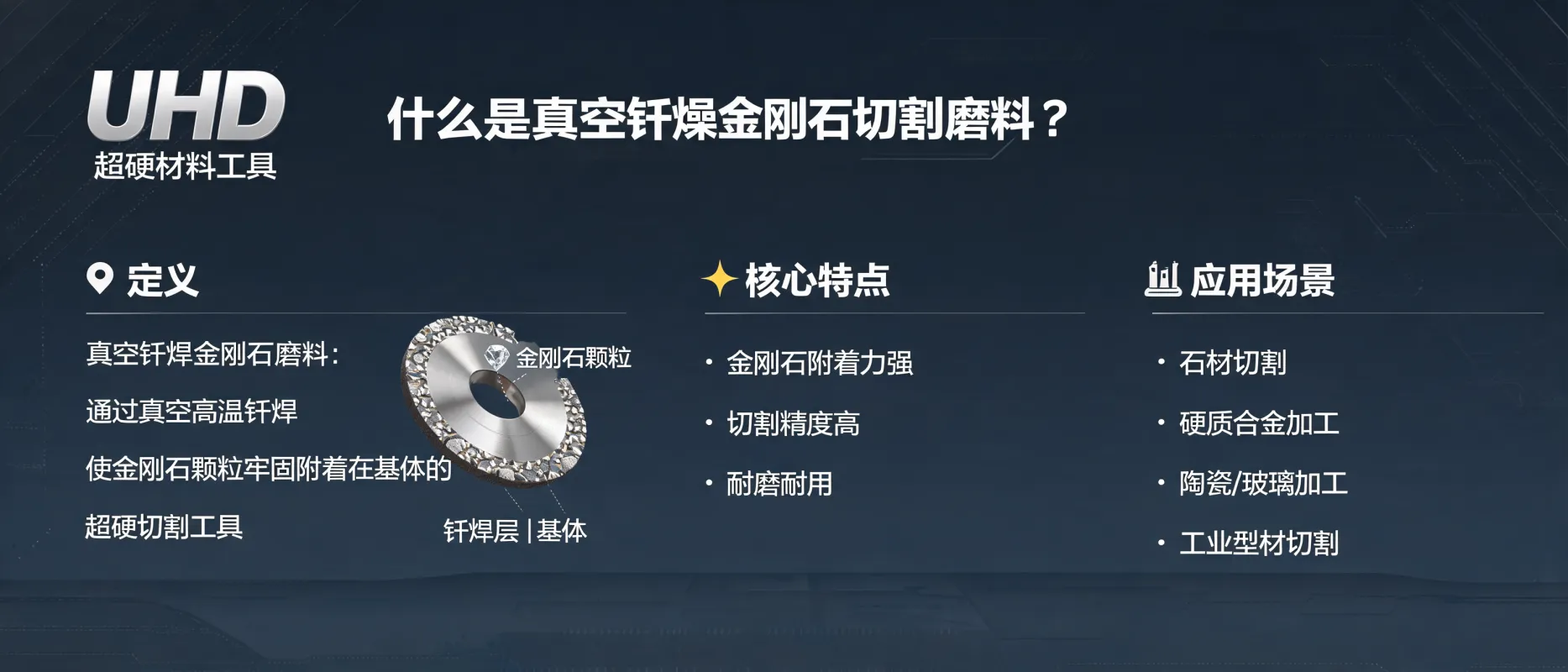
vacuum brazed diamond cutting abrasives
industrial abrasive selection guide
cutting efficiency and durability
abrasive purchasing decision
52
|
diamond grinding wheels
EN 13465 dust limit
mechanical processing safety
CE certified grinding tools
industrial abrasive standards
208
|
gray cast iron grinding disc size
diamond grinding wheel diameter 100-180mm
100mm 125mm diamond disc for internal grinding
150mm 180mm diamond disc for deburring
grinding efficiency cast iron optimization
75
|
gray cast iron grinding wheel selection
vacuum brazed diamond grinding wheel
low dust grinding gray cast iron
diamond wheel grit size selection
wear resistant grinding wheel for cast iron
UHD Ultrahard Tools Co., Ltd
ultrahard tools purchasing
hardness misconception
tool selection criteria
industrial buyer
186
|
UHD Ultrahard Tools Co., Ltd
vacuum brazed diamond cutting abrasives
industrial abrasive selection guide
cutting efficiency and durability
abrasive purchasing decision
52
|
diamond grinding wheels
EN 13465 dust limit
mechanical processing safety
CE certified grinding tools
industrial abrasive standards
208
|
gray cast iron grinding disc size
diamond grinding wheel diameter 100-180mm
100mm 125mm diamond disc for internal grinding
150mm 180mm diamond disc for deburring
grinding efficiency cast iron optimization
75
|
gray cast iron grinding wheel selection
vacuum brazed diamond grinding wheel
low dust grinding gray cast iron
diamond wheel grit size selection
wear resistant grinding wheel for cast iron






.png?x-oss-process=image/resize,h_100,m_lfit/format,webp)
.png?x-oss-process=image/resize,h_100,m_lfit/format,webp)
.png?x-oss-process=image/resize,h_100,m_lfit/format,webp)