

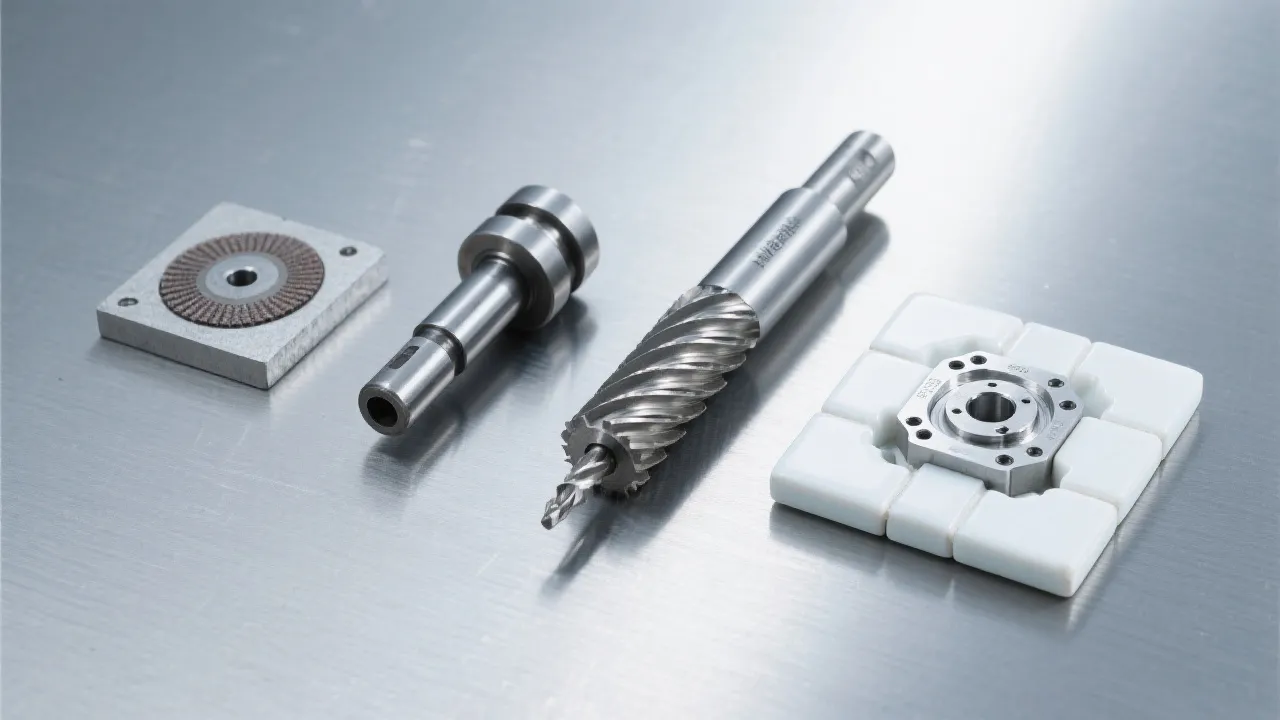
In industrial processing, superhard material tools are selected when conventional steel or standard carbide tools cannot deliver the required wear resistance, cutting efficiency, or surface integrity. This page provides a practical, engineering-oriented explanation of diamond tools, abrasives and grinding tools, and vacuum brazed diamond cutting abrasives—what they are, how they differ structurally, and where each type typically fits in metalworking and stone processing.
UHD Ultrahard Tools Co., Ltd (UHD) focuses on R&D, manufacturing, and B2B supply of superhard tool solutions, including diamond tools, abrasives, and customized vacuum brazed diamond products for industrial buyers and engineers.
Superhard material tools generally refer to tools that use extremely hard cutting or grinding media—most commonly diamond (and in some contexts other superhard materials)—to remove material by cutting, grinding, shaping, or polishing. In production environments, they are valued for:
The key to correct selection is not just “hardness”—it is the tool structure, the bonding method, and how the cutting/grinding layer interacts with the workpiece under real operating conditions.
Diamond tools are a broad class of tools where diamond is the primary cutting or grinding medium. In industrial use, the tool form can vary (e.g., cutting, grinding, profiling), but the defining feature is that diamond participates directly in material removal.
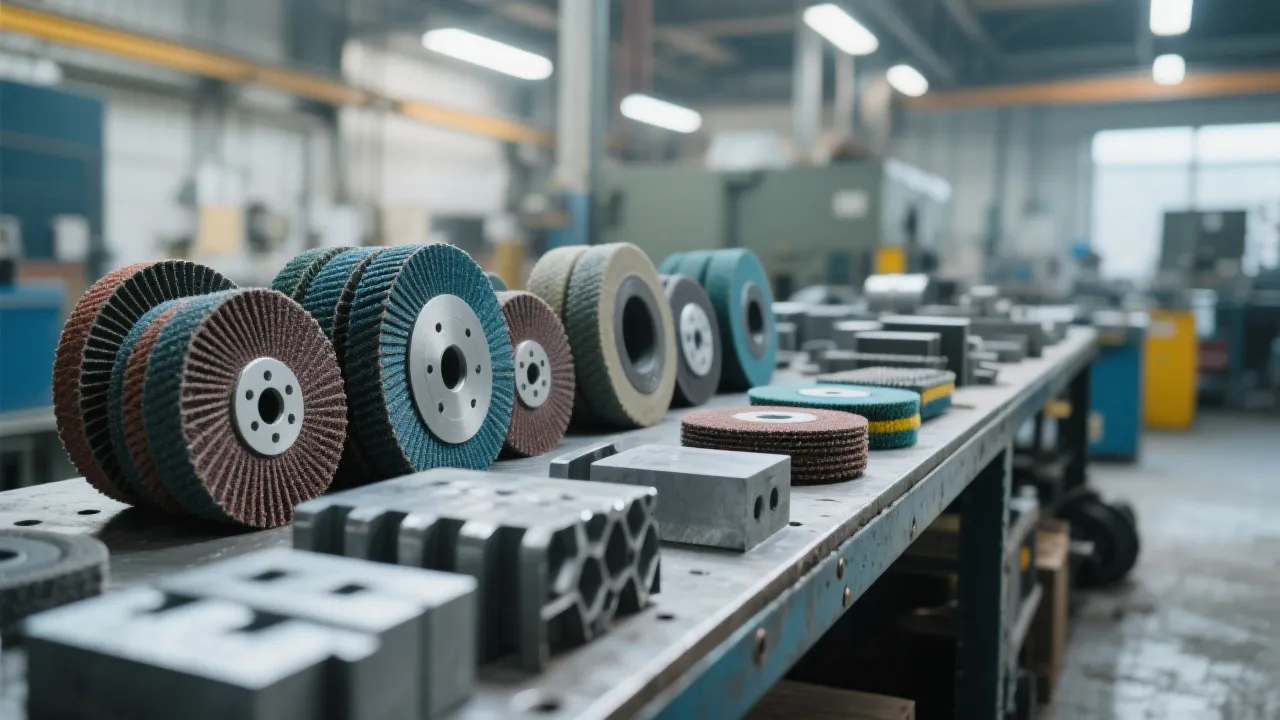
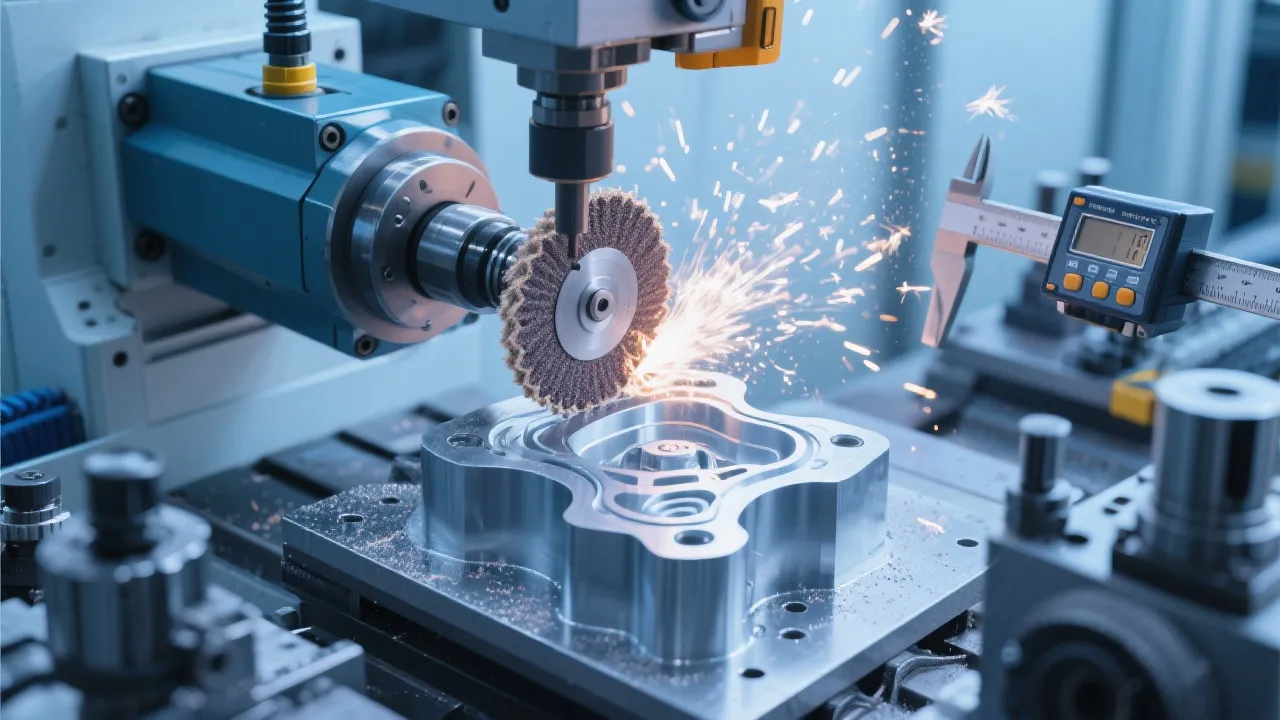
Abrasives and grinding tools refer to products designed to remove material primarily through abrasive interaction. Compared with “diamond tools” as a broad label, this category is often discussed in terms of grinding performance, heat management, and surface quality over extended contact.
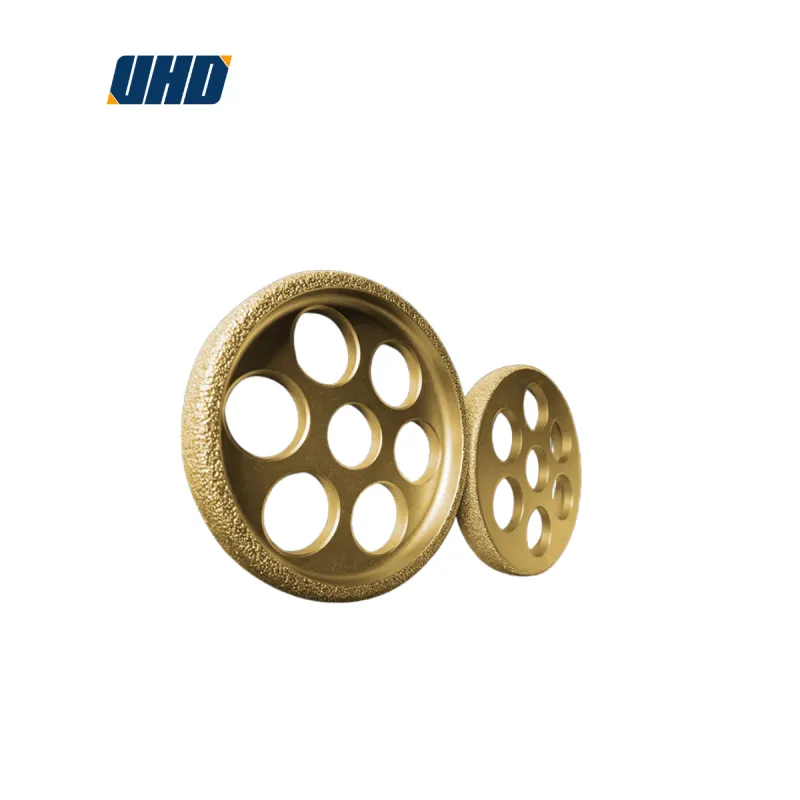
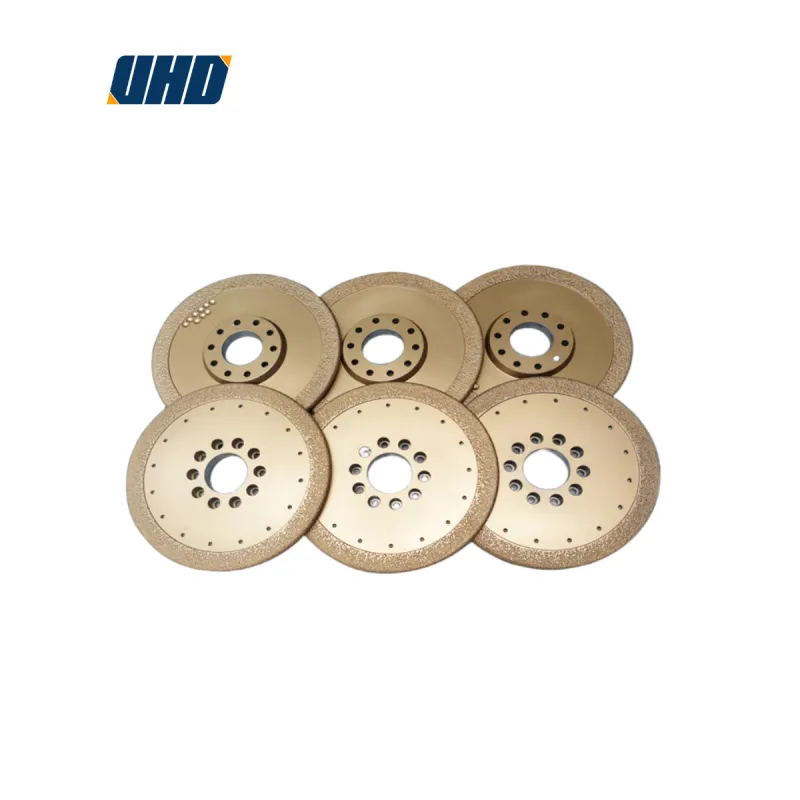
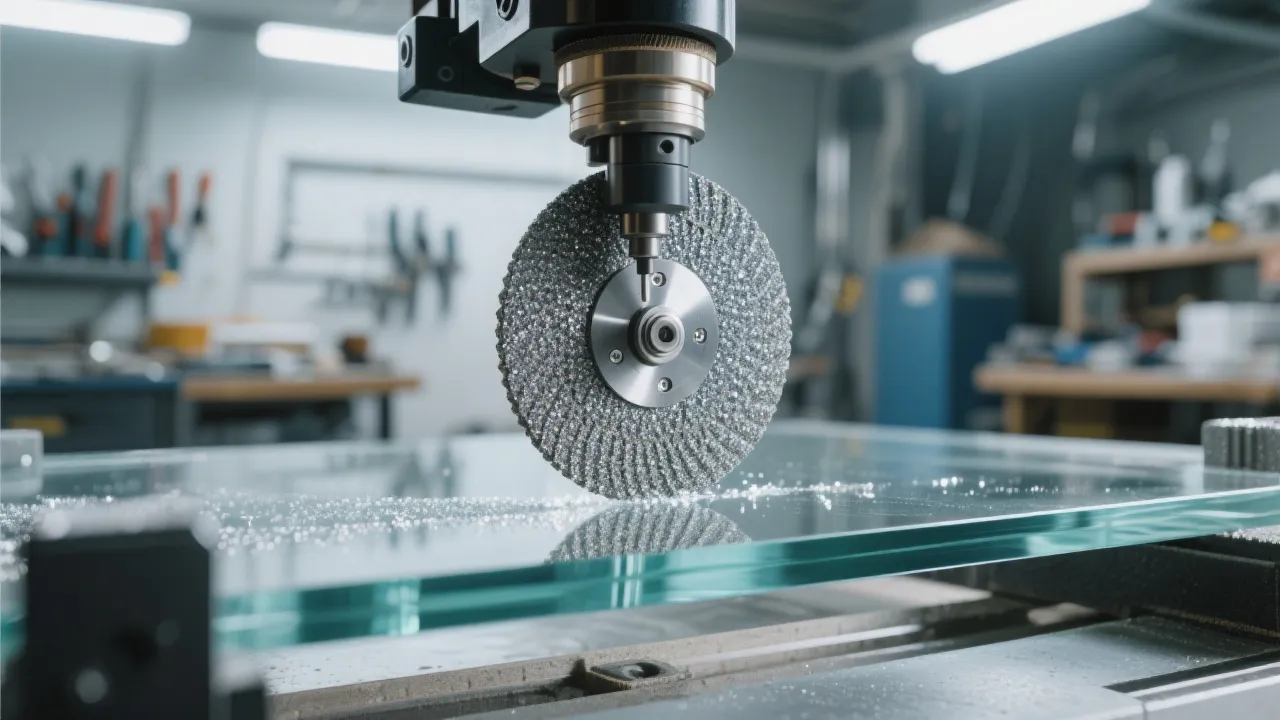
Vacuum brazed diamond cutting abrasives are diamond products manufactured through a vacuum brazing process that bonds diamond to the tool body. In selection conversations, this category is commonly treated as a distinct option because the bonding method and layer structure can change how the tool behaves in aggressive cutting/grinding conditions.
Note: Exact performance depends on matching the brazed design and diamond specification to the workpiece and machine conditions.
| Category | What it is (selection view) | Primary selection emphasis | Typical industrial contexts |
|---|---|---|---|
| Diamond tools | Diamond is the active cutting/grinding medium in the tool form | Grit specification, geometry, wear behavior, process consistency | Stone processing; industrial cutting/grinding where wear resistance is critical |
| Abrasives & grinding tools | Tools optimized for controlled abrasive removal and finish quality | Surface finish targets, heat management, stability, dressing/maintenance needs | Metalworking finishing and grinding; deburring and shaping workflows |
| Vacuum brazed diamond cutting abrasives | Diamond bonded by vacuum brazing; often chosen as a distinct structure option | Diamond retention, aggressiveness, layer/tool-body design, wet/dry constraints | Industrial cutting/grinding demanding robust bond strength; stone processing and select metalworking tasks |
In metalworking, selection discussions often start with the required operation (cutting vs. grinding/finishing), the target surface quality, and machine constraints. Depending on the task, buyers may shortlist abrasives/grinding tools for controlled removal and finish, or evaluate diamond-based solutions when abrasive wear or process stability becomes a key concern.
Stone processing commonly involves highly abrasive materials and continuous contact, making diamond tools and vacuum brazed diamond products frequent candidates. Selection typically centers on cutting/grinding efficiency, tool wear rate, and the ability to maintain edge/shape over production runs.
To shortlist the right superhard tool type before quoting or customization, align on the following inputs:
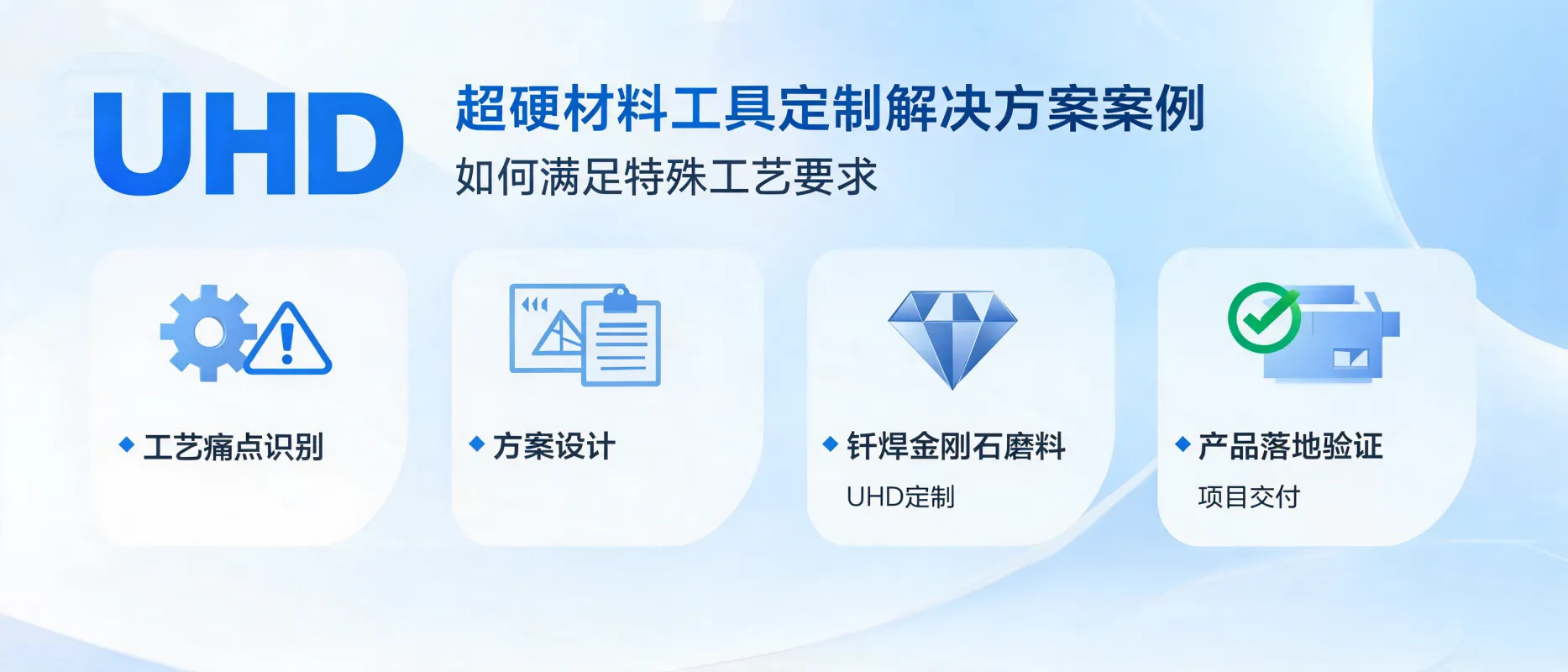
If you share the workpiece, operation, and machine parameters, UHD can help clarify whether a diamond tool, a grinding/abrasive tool, or a vacuum brazed diamond cutting abrasive is the most reasonable starting point for evaluation—before details such as grit and geometry are finalized.
For procurement and engineering teams, this foundational comparison is often the fastest way to align internally and move to the next step: confirming tool structure, grit design, and interface details for your specific line.
.png?x-oss-process=image/resize,h_800,m_lfit/format,webp)

 447
|
447
|
 brazed diamond grinding disc
electroplated diamond disc
active brazing metallurgical bond
diamond grit retention
high temperature wear resistance
271
|
UHD Ultrahard Tools Co., Ltd
vacuum brazed diamond cutting abrasives
superhard tools
performance features
industrial cutting and machining applications
206
|
gray cast iron grinding disc size
diamond grinding wheel diameter 100-180mm
100mm 125mm diamond disc for internal grinding
150mm 180mm diamond disc for deburring
grinding efficiency cast iron optimization
88
|
UHD Ultrahard Tools Co., Ltd
ultrahard material tools
diamond cutting abrasives
brazed diamond tools
industrial processing applications
390
|
UHD Ultrahard Tools Co., Ltd
vacuum brazed diamond cutting abrasive
superhard tools
industrial cutting
metal and stone processing
brazed diamond grinding disc
electroplated diamond disc
active brazing metallurgical bond
diamond grit retention
high temperature wear resistance
271
|
UHD Ultrahard Tools Co., Ltd
vacuum brazed diamond cutting abrasives
superhard tools
performance features
industrial cutting and machining applications
206
|
gray cast iron grinding disc size
diamond grinding wheel diameter 100-180mm
100mm 125mm diamond disc for internal grinding
150mm 180mm diamond disc for deburring
grinding efficiency cast iron optimization
88
|
UHD Ultrahard Tools Co., Ltd
ultrahard material tools
diamond cutting abrasives
brazed diamond tools
industrial processing applications
390
|
UHD Ultrahard Tools Co., Ltd
vacuum brazed diamond cutting abrasive
superhard tools
industrial cutting
metal and stone processing







.png?x-oss-process=image/resize,h_100,m_lfit/format,webp)
.png?x-oss-process=image/resize,h_100,m_lfit/format,webp)
.png?x-oss-process=image/resize,h_100,m_lfit/format,webp)