

Ultrahard material tools are industrial tools made with extremely hard cutting or grinding media—most commonly diamond—to enable efficient processing of high-hardness, high-wear materials. In practice, buyers evaluate these tools not only by “type” (cutting vs. grinding), but by application boundaries: the material group, the process mode, the required finish, and the acceptable wear/heat behavior.
This page provides a clear, buyer-friendly overview of the main categories covered by UHD Ultrahard Tools Co., Ltd: diamond tools, abrasives and grinding tools, and vacuum brazed diamond cutting abrasives, with typical use cases in metalworking and stone processing.
Clarifying these boundaries early reduces trial cost and helps B2B buyers match the right tool structure to the real process.
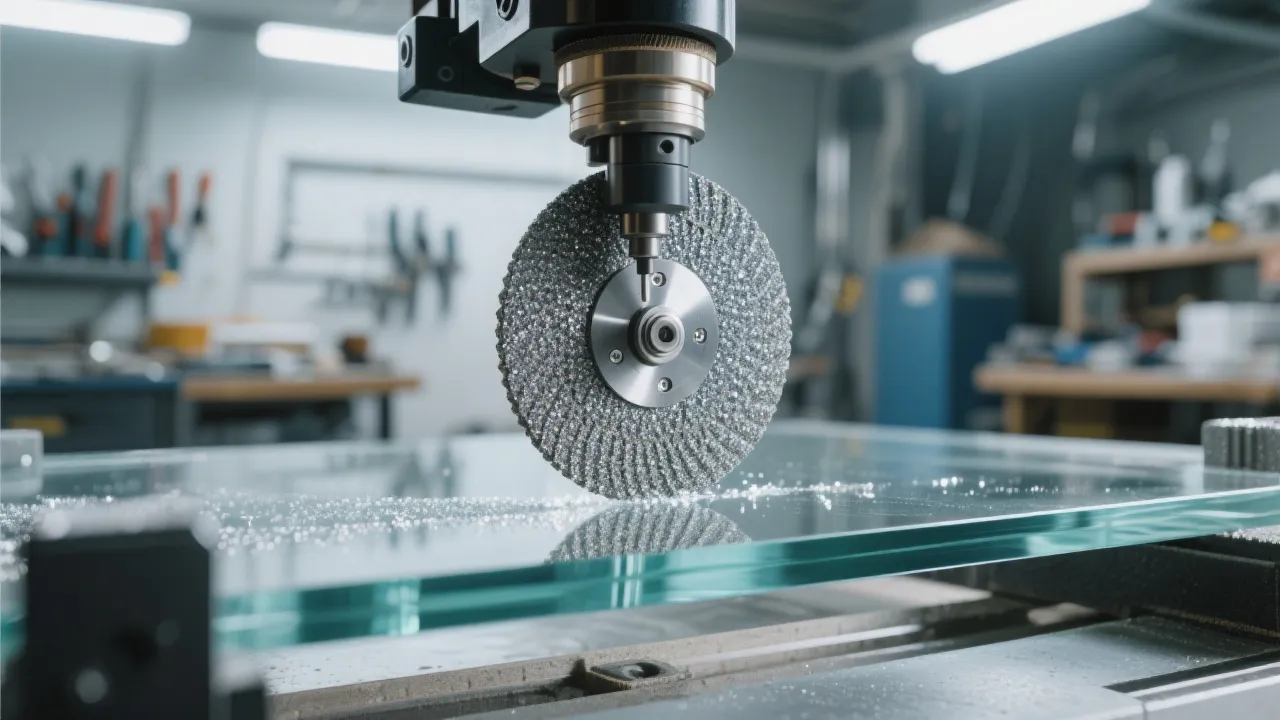
Diamond tools use diamond as the functional cutting or grinding phase to handle demanding wear conditions. They are commonly selected when conventional abrasives cannot provide stable performance or consistency in hard, abrasive, or brittle materials.
Typical boundary cues:
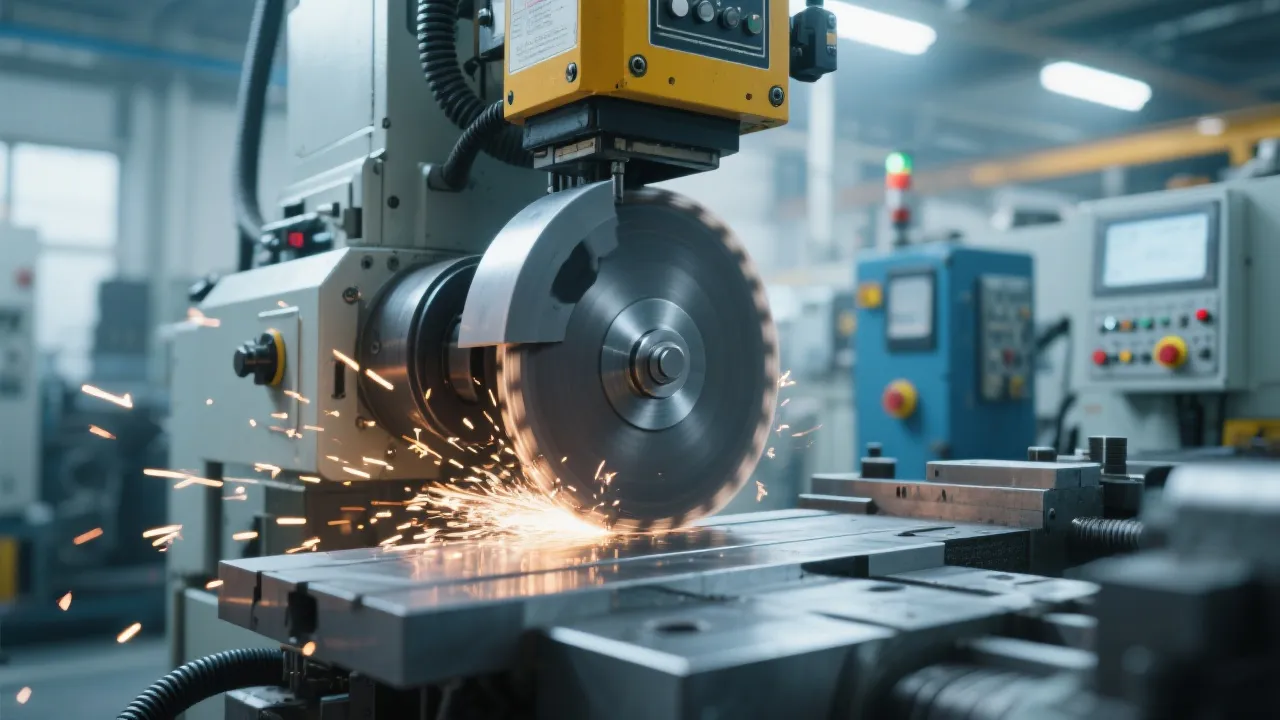
Abrasives and grinding tools are designed for controlled material removal and surface conditioning. They are often chosen for operations where finish quality, controllability, and process repeatability are key—such as shaping, deburring, edge treatment, and surface preparation.
Typical boundary cues:
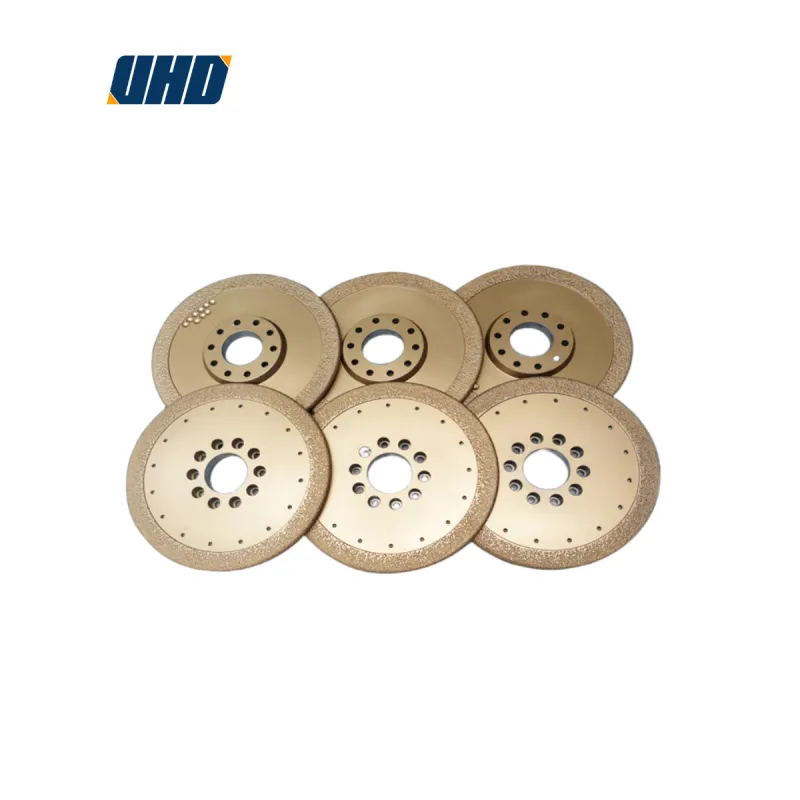
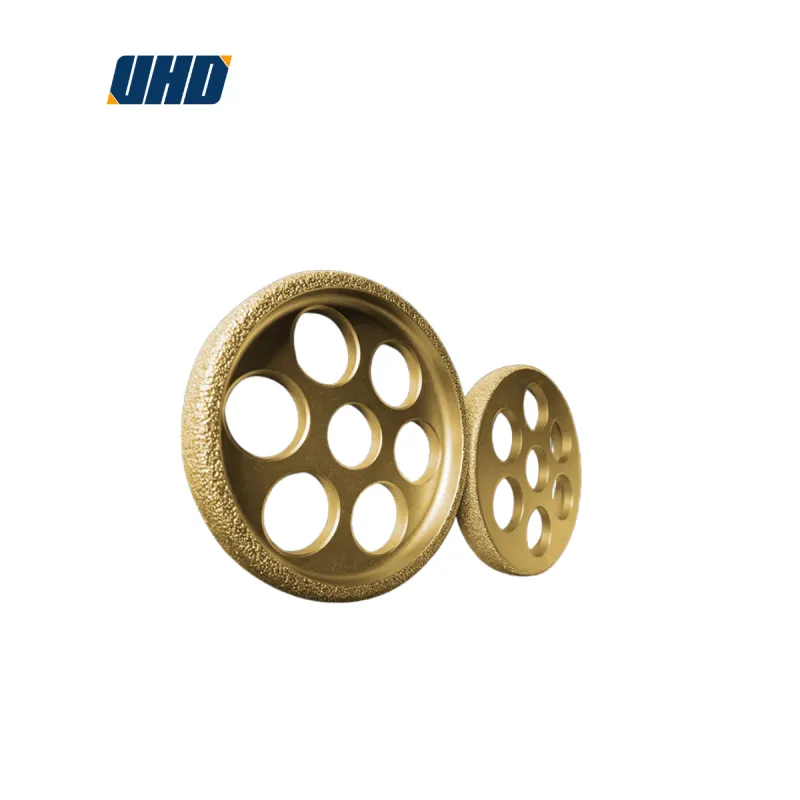
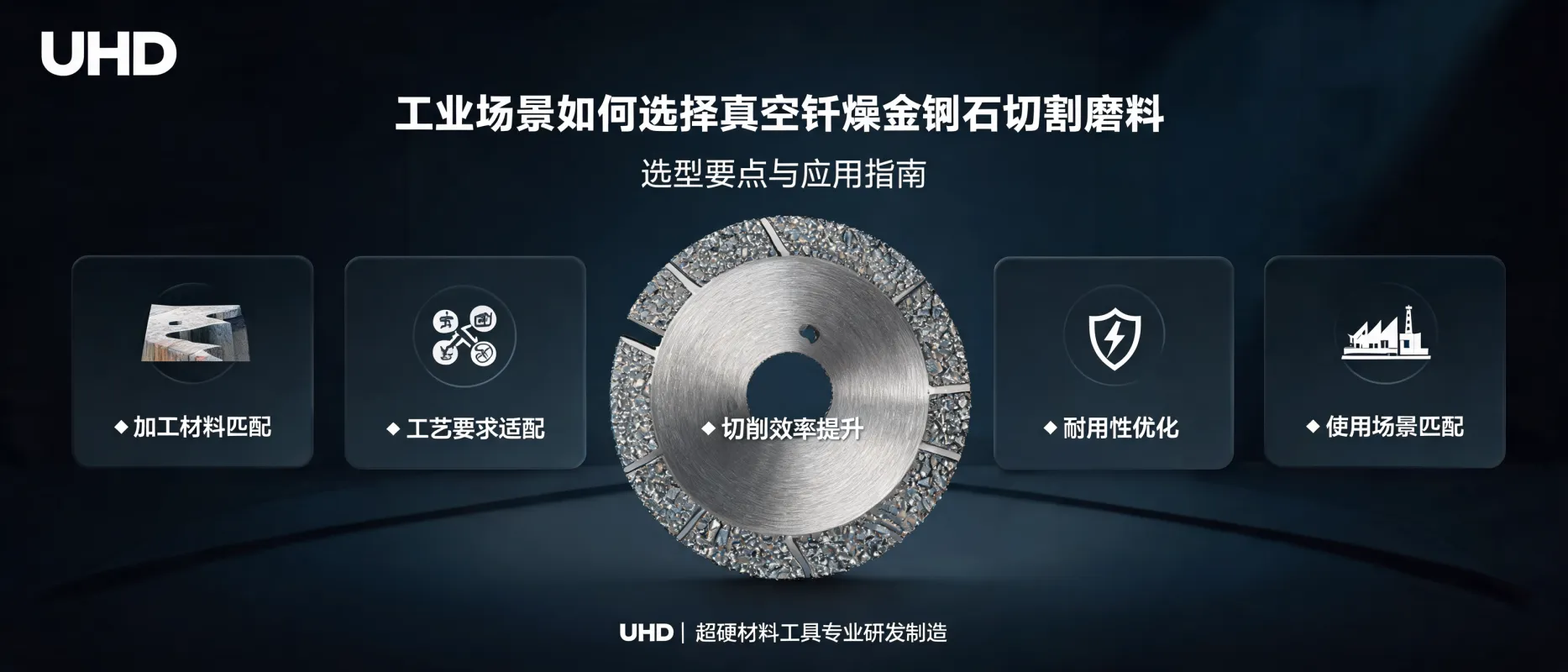
Vacuum brazed diamond products use vacuum brazing to bond diamond grains to the tool body, aiming to deliver reliable grain retention under demanding cutting or grinding loads. This structure is often evaluated by buyers who need stable performance under aggressive conditions and predictable tool behavior.
Typical boundary cues:
Ultrahard material tools are widely used across industries, but selection logic differs by workpiece behavior. The table below summarizes boundary thinking for the two typical scenarios referenced on this page—metalworking and stone processing—so procurement and engineering teams can align on requirements before sampling.
| Boundary item | Metalworking (typical considerations) | Stone processing (typical considerations) |
|---|---|---|
| Material behavior | Heat generation, chip formation, risk of loading; requires stable cutting/grinding action. | Brittleness and abrasiveness; dust management; edge chipping control. |
| Primary process goals | Productivity and consistency; balance between removal rate and thermal impact. | Clean cutting and surface/edge quality; stable wear under abrasive contact. |
| Tool selection focus | Tool structure and operating window (speed/feed/coolant) matched to the metal type and operation. | Tool geometry and abrasive action suited to stone type and finish requirement; dry/wet method alignment. |
| Common decision checks | Heat control, loading resistance, desired finish, machine compatibility. | Dust control, edge integrity, finish level, stable wear behavior. |
For B2B purchasing, “best tool” is defined by fit to boundary conditions. Sharing the workpiece, process step, and operating parameters enables faster, more accurate matching.
UHD Ultrahard Tools Co., Ltd (Henan UHD Ultrahard Tools) is a high-tech enterprise focused on the R&D, manufacturing, and sales of ultrahard material tools. UHD’s portfolio covers diamond tools, abrasives and grinding tools, and custom vacuum brazed diamond cutting abrasives, supporting industrial buyers across typical scenarios such as metalworking and stone processing.
With an innovation-driven and quality-first approach, UHD works to provide practical tool solutions aligned to specific process requirements—helping customers select tools based on real application boundaries rather than generic categories.
UHD supports B2B collaboration through structured product positioning and technical communication, helping global buyers evaluate suitable ultrahard material tool options for their production conditions.
Actual performance depends on material properties, machine capability, and operating parameters. For consistent results, confirm process boundaries and conduct controlled trials before large-scale adoption.
.png?x-oss-process=image/resize,h_800,m_lfit/format,webp)

 63
|
63
|
 UHD Ultrahard Tools Co., Ltd
vacuum brazed diamond cutting abrasive
ultrahard tools
cutting efficiency
industrial processing applications
374
|
UHD Ultrahard Tools Co., Ltd
custom ultrahard tooling solution
brazed diamond abrasive tools
process pain points
project delivery and validation
65
|
curved profile design
diamond grinding wheel impact resistance
FEA stress distribution
coolant flow optimization
thermal management in grinding
271
|
UHD Ultrahard Tools Co., Ltd
vacuum brazed diamond cutting abrasives
superhard tools
performance features
industrial cutting and machining applications
35
|
brazed diamond grinding wheel
diamond wheel brazing process
stainless steel grinding solution
brazing filler alloy selection
diamond grit retention strength
UHD Ultrahard Tools Co., Ltd
vacuum brazed diamond cutting abrasive
ultrahard tools
cutting efficiency
industrial processing applications
374
|
UHD Ultrahard Tools Co., Ltd
custom ultrahard tooling solution
brazed diamond abrasive tools
process pain points
project delivery and validation
65
|
curved profile design
diamond grinding wheel impact resistance
FEA stress distribution
coolant flow optimization
thermal management in grinding
271
|
UHD Ultrahard Tools Co., Ltd
vacuum brazed diamond cutting abrasives
superhard tools
performance features
industrial cutting and machining applications
35
|
brazed diamond grinding wheel
diamond wheel brazing process
stainless steel grinding solution
brazing filler alloy selection
diamond grit retention strength





.png?x-oss-process=image/resize,h_100,m_lfit/format,webp)
.png?x-oss-process=image/resize,h_100,m_lfit/format,webp)
.png?x-oss-process=image/resize,h_100,m_lfit/format,webp)