
Buying ultrahard material tools (e.g., diamond tools, brazed diamond abrasives, and related solutions) is rarely a “one-size-fits-all” decision. Small mismatches in application conditions, workpiece material, specifications, or acceptance criteria can lead to premature wear, unstable performance, or unnecessary rework.
UHD Ultrahard Tools Co., Ltd prepared this practical 5-point pre-purchase checklist to help procurement teams and engineers clarify requirements, reduce selection risk, and create accurate RFQs for industrial purchasing.
Start with the actual operating environment. Ultrahard tools are highly sensitive to process setup—clear application inputs help select the right tool structure and manufacturing approach.
Tip: If your process window is not fixed yet, share the target throughput and constraints (noise, dust control, coolant restrictions, or operator limitations). It helps narrow options early.
Ultrahard tool selection depends heavily on what you are machining. Material grade and hardness influence abrasive selection, bond approach, and expected wear behavior.
Even when the application is correct, specification mismatch can cause fitment issues or unstable cutting/grinding. Define the tool interface and critical dimensions clearly.
Agree upfront on how “qualified” is defined. This reduces back-and-forth, protects both buyer and supplier, and supports consistent batch acceptance.
Practical note: If you are switching from a current supplier, define what “improvement” means (e.g., fewer burns, more stable finish, reduced rework) rather than only asking for “better quality.”
Delivery details can be as critical as tool selection—especially for production lines with fixed schedules. Clarify timing and documentation needs early.
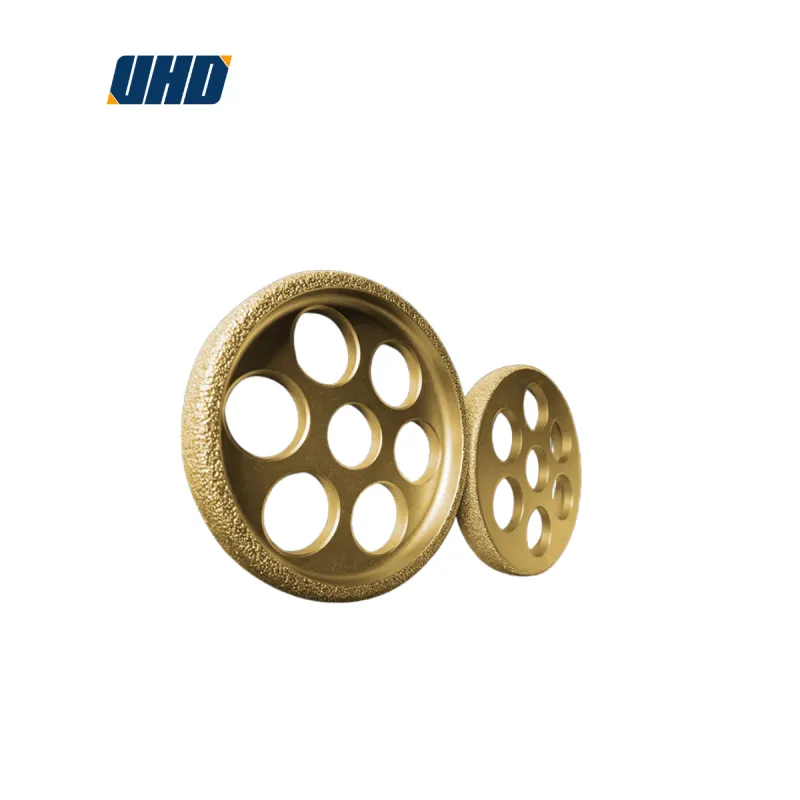
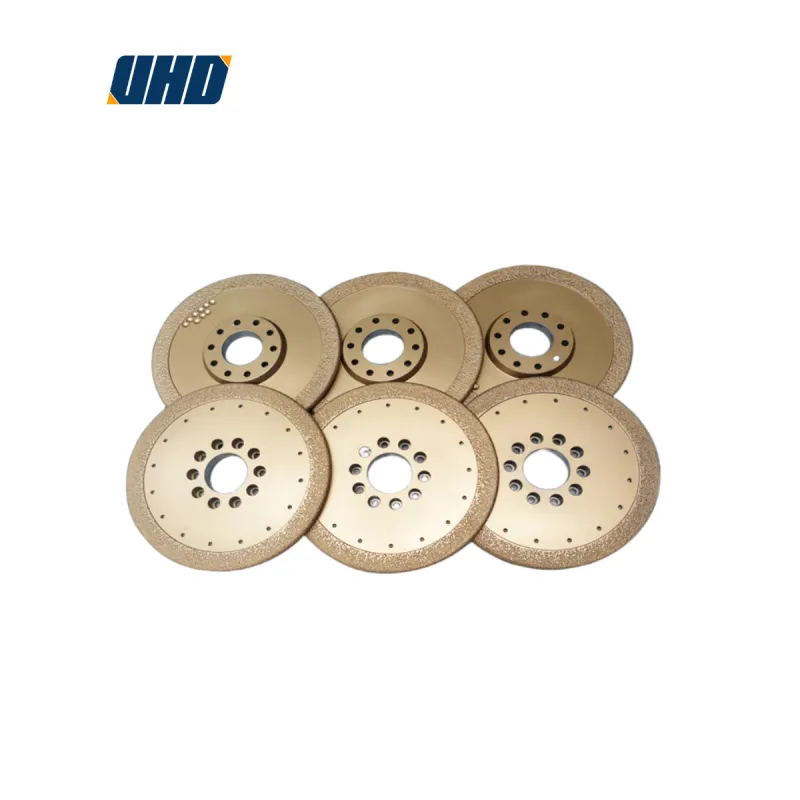
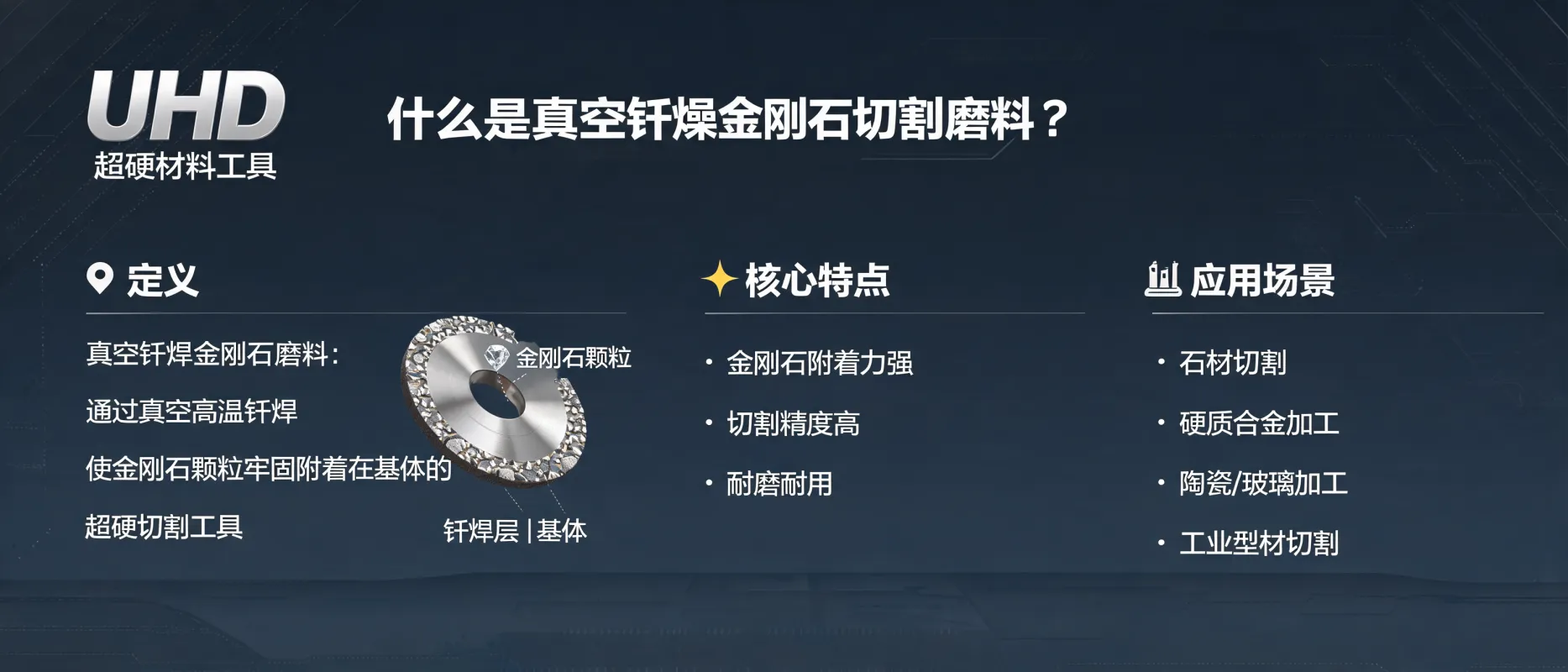
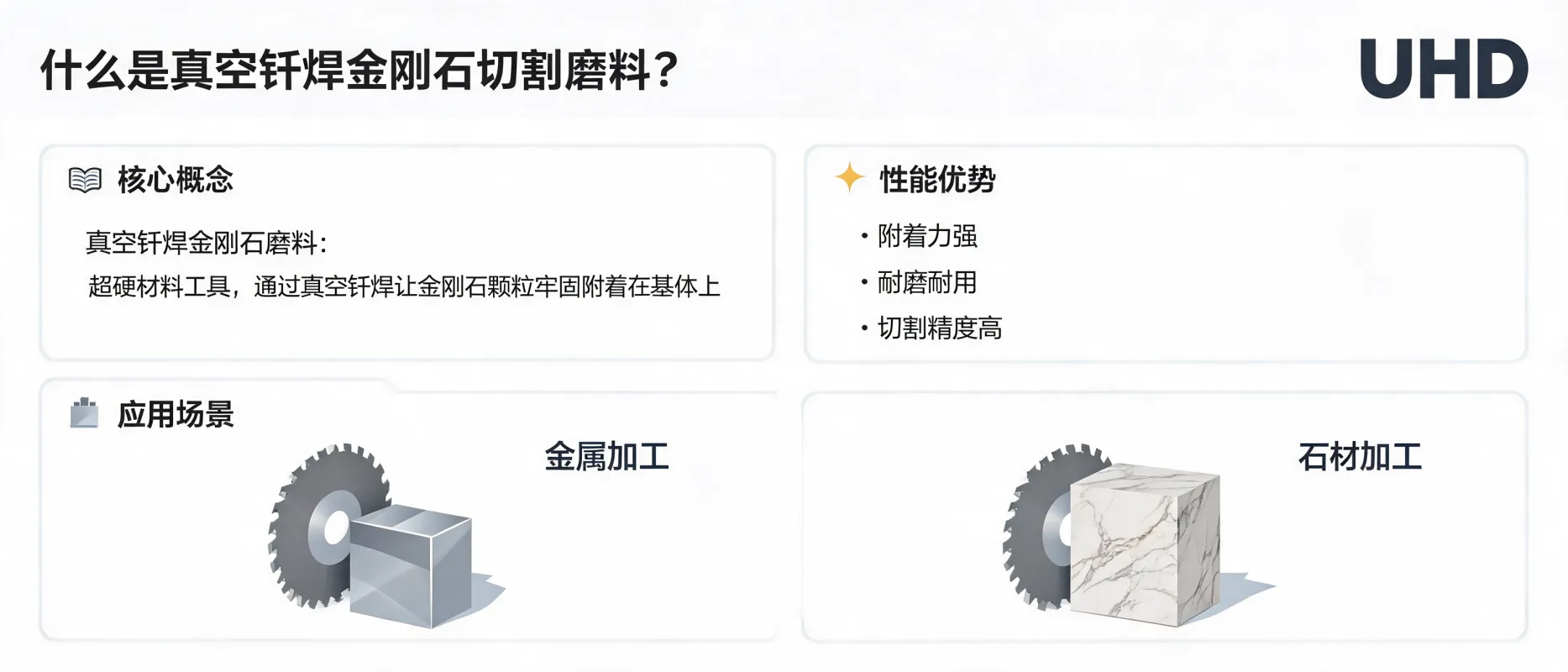
UHD (Henan UHD Ultrahard Tools Co., Ltd) focuses on R&D, manufacturing, and B2B supply of ultrahard material tools, including diamond tools, abrasives, and custom brazed diamond abrasives used in metalworking and stone processing. We emphasize market-fit product positioning and aim to provide solutions aligned with specific process requirements.
Backed by ongoing technical development and cooperation with universities (such as Henan University of Technology), UHD supports buyers with practical requirement clarification and reliable export-oriented service workflows.
We align on process conditions, workpiece material, and specifications to reduce ambiguity before quoting.
Clear quality expectations and delivery terms help support stable procurement and receiving.
Established B2B export service processes to support cross-border purchasing and documentation needs.
If you want a faster, more accurate quotation, send your RFQ using the checklist above (application conditions, material/hardness, specifications/tolerances, quality/inspection, and delivery terms). UHD will review the information and respond based on the defined requirements.
.png?x-oss-process=image/resize,h_800,m_lfit/format,webp)

 458
|
458
|
 UHD Ultrahard Tools Co., Ltd
custom brazed diamond tools
industrial application case study
solution matching
application results
464
|
UHD Ultrahard Tools Co., Ltd
ultrahard tools purchasing
hardness misconception
tool selection criteria
industrial buyer
298
|
gray iron diamond grinding disc size
100-180mm grinding wheel selection
small vs large diameter grinding disc
flat vs curved grinding disc
gray cast iron deburring efficiency
467
|
UHD Ultrahard Tools Co., Ltd
superhard material tools
diamond tools
abrasives and grinding tools
vacuum brazed diamond
202
|
UHD Ultrahard Tools Co., Ltd
scenario-based solutions
ultrahard tools
industrial tool procurement
tool specifications
UHD Ultrahard Tools Co., Ltd
custom brazed diamond tools
industrial application case study
solution matching
application results
464
|
UHD Ultrahard Tools Co., Ltd
ultrahard tools purchasing
hardness misconception
tool selection criteria
industrial buyer
298
|
gray iron diamond grinding disc size
100-180mm grinding wheel selection
small vs large diameter grinding disc
flat vs curved grinding disc
gray cast iron deburring efficiency
467
|
UHD Ultrahard Tools Co., Ltd
superhard material tools
diamond tools
abrasives and grinding tools
vacuum brazed diamond
202
|
UHD Ultrahard Tools Co., Ltd
scenario-based solutions
ultrahard tools
industrial tool procurement
tool specifications






.png?x-oss-process=image/resize,h_100,m_lfit/format,webp)
.png?x-oss-process=image/resize,h_100,m_lfit/format,webp)
.png?x-oss-process=image/resize,h_100,m_lfit/format,webp)