Purchasing ultrahard material tools for industrial use is rarely a “one-size-fits-all” decision. Tool performance and total cost are strongly influenced by whether the tool matches the workpiece material, the processing method, and the supplier’s ability to provide stable quality, reliable delivery, and clear technical communication.
As a B2B manufacturer focused on ultrahard tools and solutions, UHD Ultrahard Tools Co., Ltd summarizes the practical checkpoints industrial buyers can use to evaluate products and suppliers—especially for international trade.
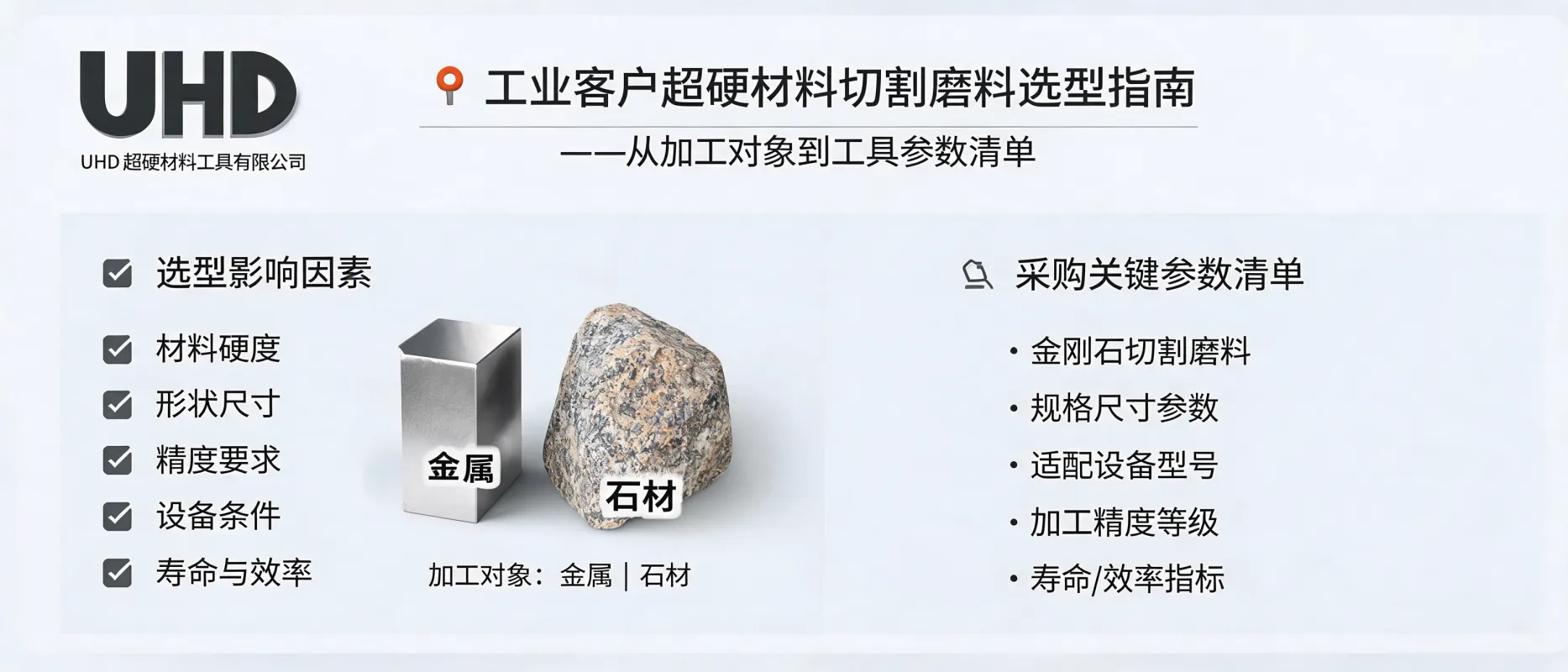
Ultrahard tooling performance depends on how the tool interacts with the workpiece under heat, pressure, and abrasion. Industrial buyers should confirm the supplier understands the target material and its machining challenges (hardness, toughness, thermal sensitivity, chip behavior, surface integrity requirements).
If a quotation is provided without asking about your material, cooling condition, and quality targets, you may not be getting a properly matched ultrahard tool recommendation.
Even with the right tool category, outcomes vary based on whether specifications are aligned with the real process—machine capability, feed/speed window, removal rate targets, and surface finish requirements. This “product and process matching” is a core evaluation point for industrial procurement.
A practical procurement approach is to evaluate tools based on process stability and consistency rather than single-sample performance.
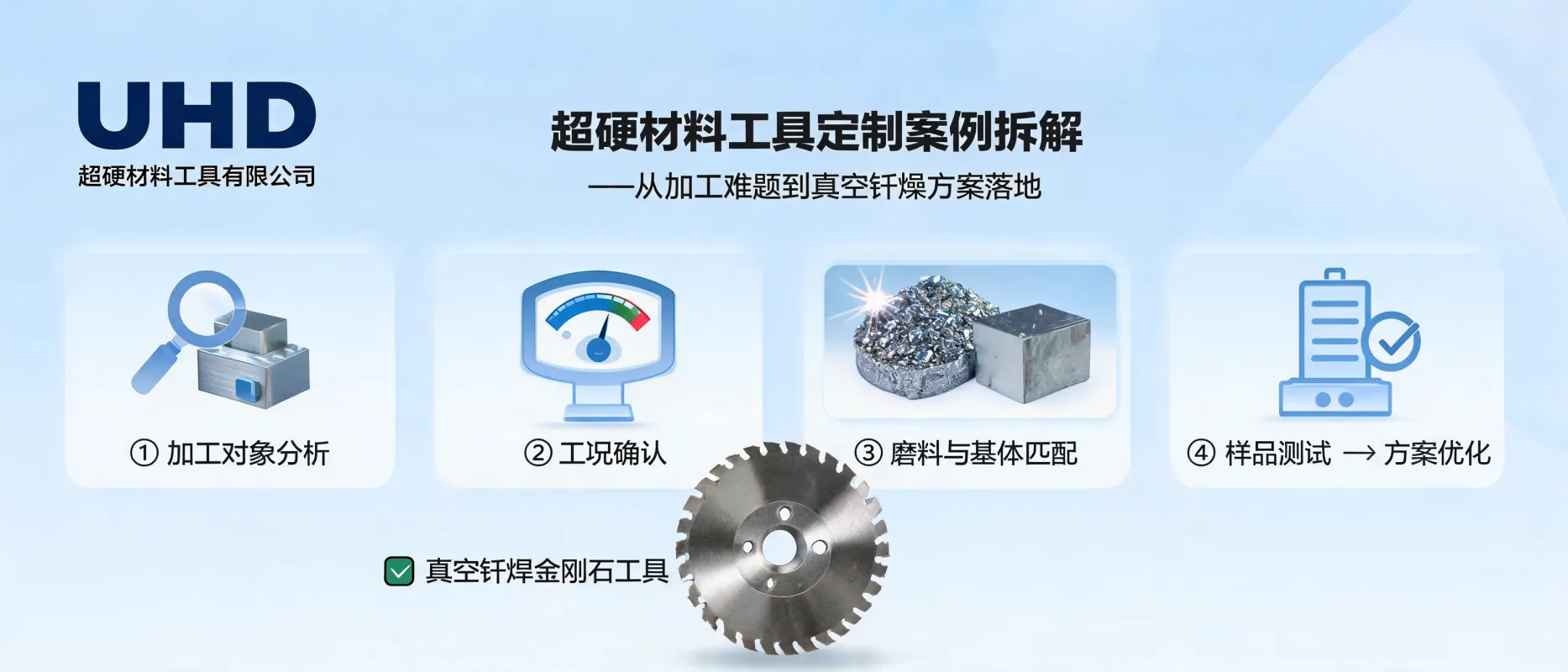
Industrial applications often require non-standard dimensions, mounting interfaces, or tool structures. A supplier’s ability to support custom tools—and to communicate clearly during specification confirmation—can significantly reduce hidden costs from rework, delays, and parameter trial cycles.
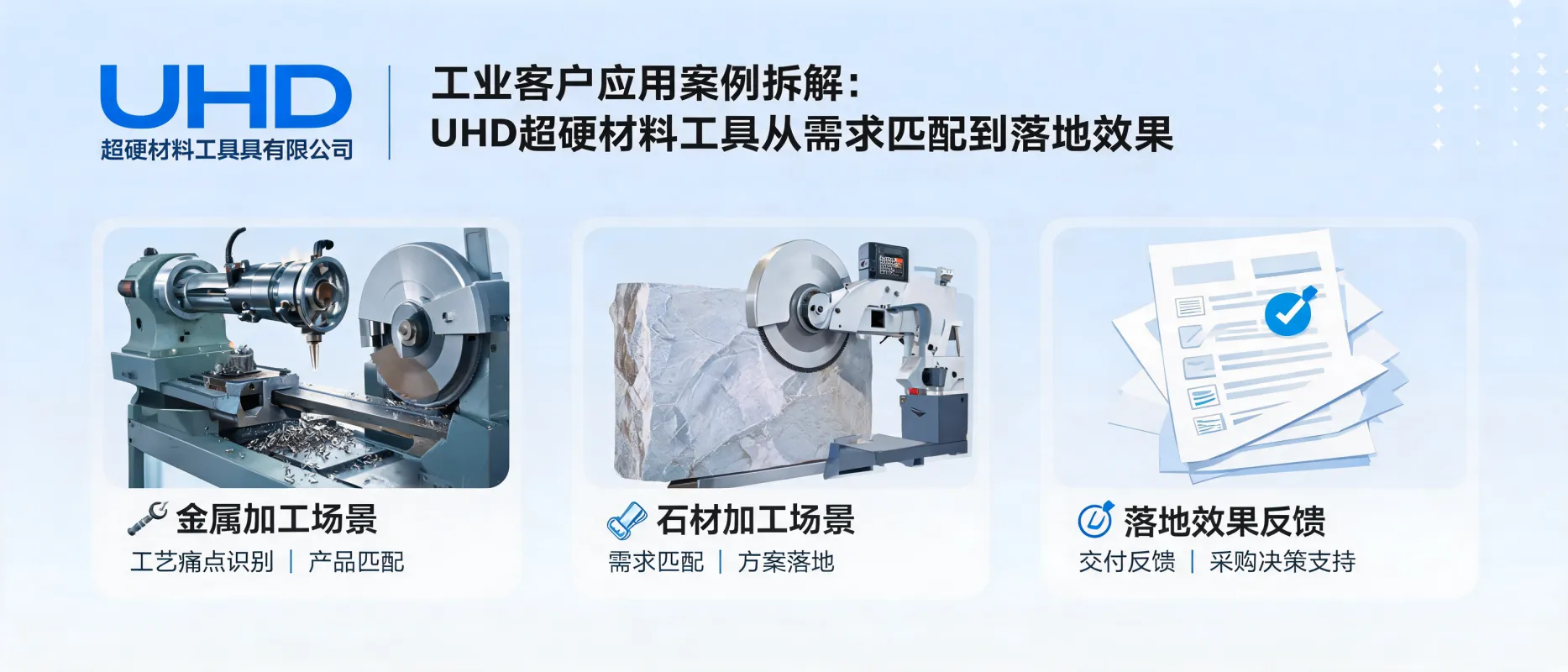
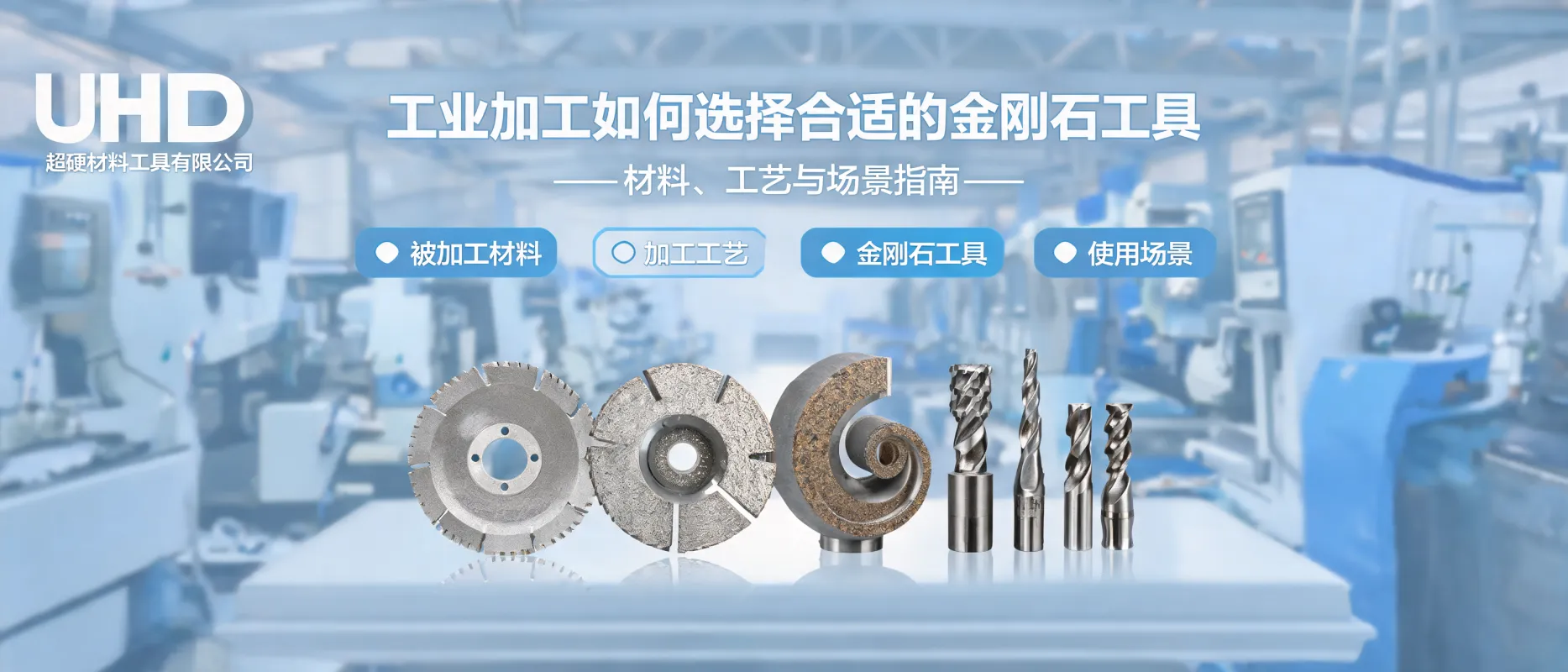
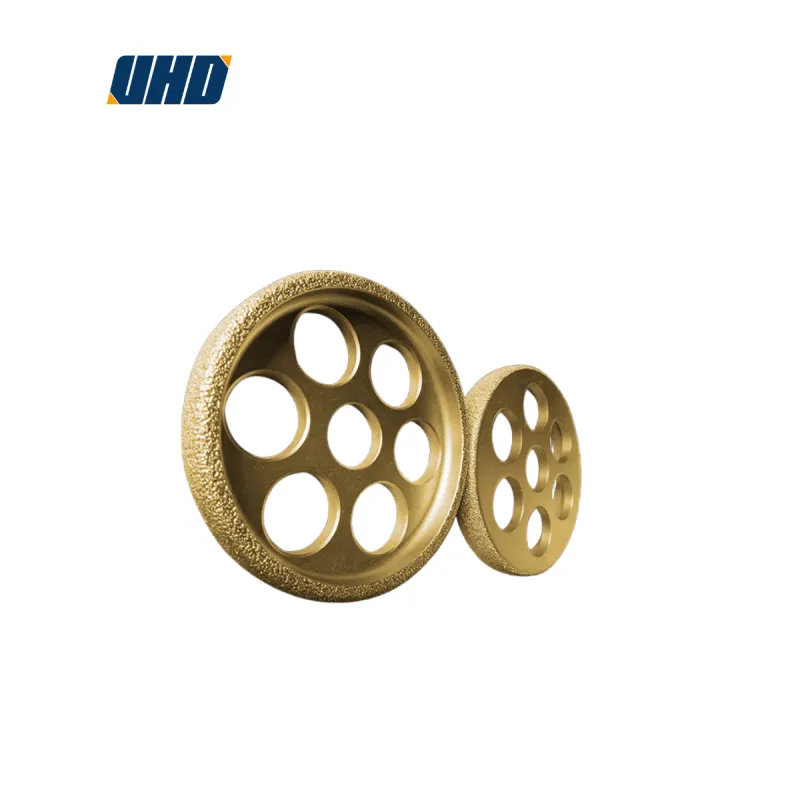
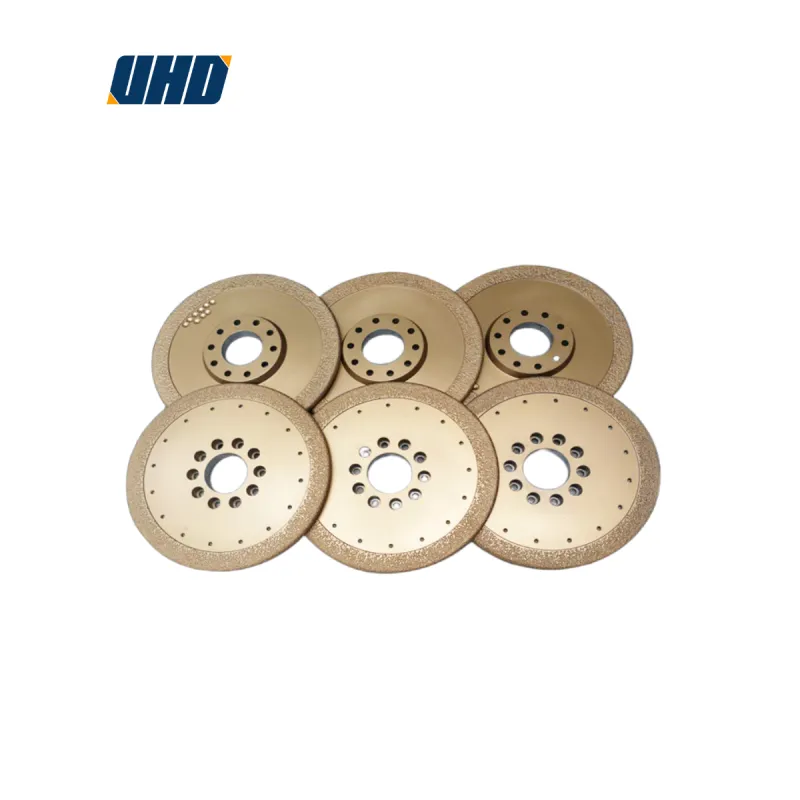
UHD’s product portfolio includes diamond tools, abrasives, and custom vacuum brazed diamond abrasives, designed to support targeted process requirements in metalworking and stone processing.
For industrial procurement, the key is not only whether a tool works, but whether it performs consistently across batches—and whether delivery can support production planning. When evaluating ultrahard material tools purchasing options, focus on the supplier’s quality control mindset and communication discipline.
In cross-border B2B trade, supplier evaluation should include how efficiently the team communicates and how accurately technical details are translated into production-ready specifications. A reliable partner reduces misunderstandings and accelerates iteration.
UHD supports international B2B cooperation through established export-oriented workflows and communication channels, aiming to keep technical and commercial coordination efficient across regions and time zones.
UHD Ultrahard Tools Co., Ltd (Henan UHD Ultrahard Tools) is a high-tech enterprise specializing in the R&D, manufacturing, and sales of ultrahard material tools. Guided by a quality-first and innovation-driven approach, UHD provides industrial buyers with application-oriented tool solutions across metalworking and stone processing.
If you are evaluating suppliers or preparing an RFQ for ultrahard material tools, UHD can support specification confirmation and customization discussions to help align tool selection with your material and process conditions.

 407
|
 UHD Ultrahard Tools Co., Ltd
vacuum brazed diamond abrasives
diamond grit bonding
tool manufacturing
metal and stone processing
305
|
UHD Ultrahard Tools Co., Ltd
industrial application case
ultrahard material tools
requirement matching
solution implementation
413
|
UHD Ultrahard Tools Co., Ltd
diamond tool selection
metal processing
stone processing
procurement evaluation
417
|
UHD Ultrahard Tools Co., Ltd
ultrahard tools for metalworking
metalworking tool selection
vacuum brazed diamond abrasives
diamond tools and abrasives
311
|
UHD Ultrahard Tools Co., Ltd
ultrahard material solutions
custom diamond tools
machining scenario matching
technical service for industrial tooling