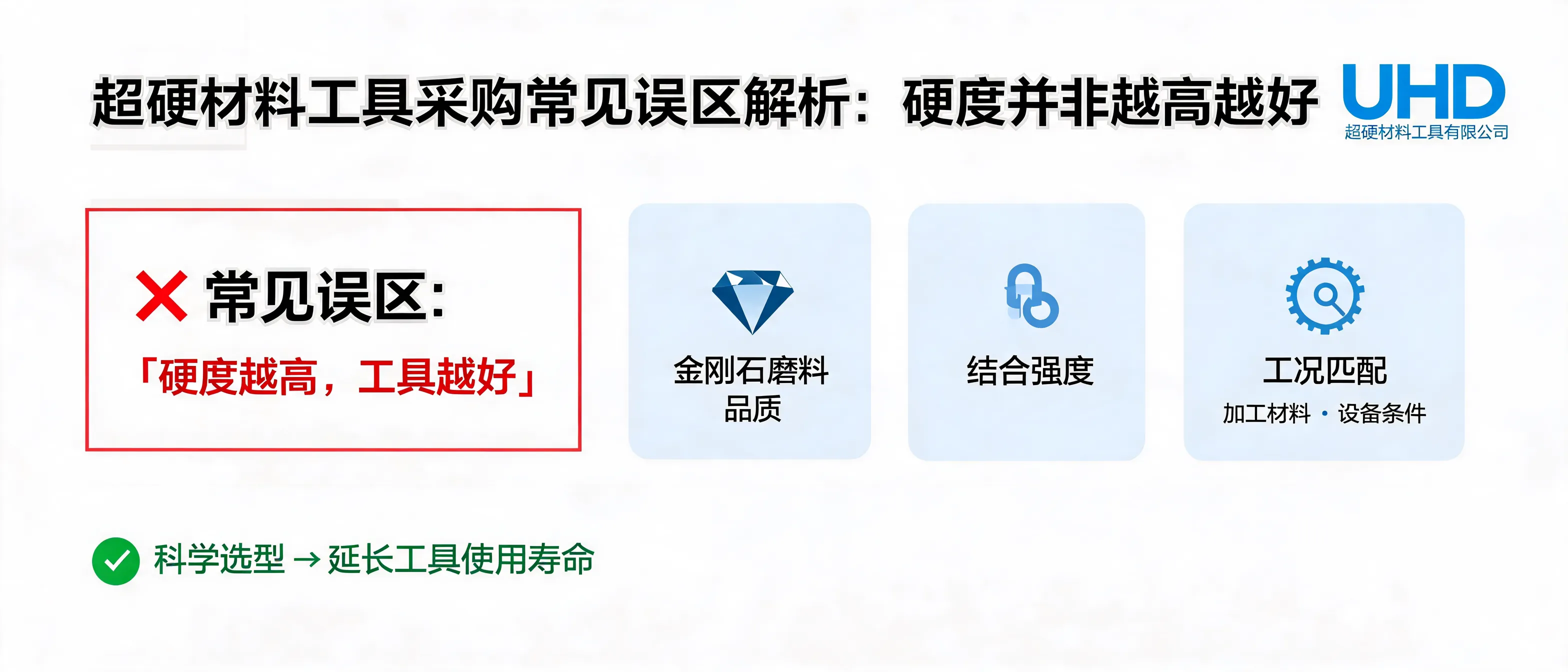
Industrial buyers often hear a simple rule when sourcing ultrahard tools: “choose the hardest tool for the longest life.” In real production, that rule frequently leads to unstable results, unexpected wear, poor surface finish, or higher total cost.
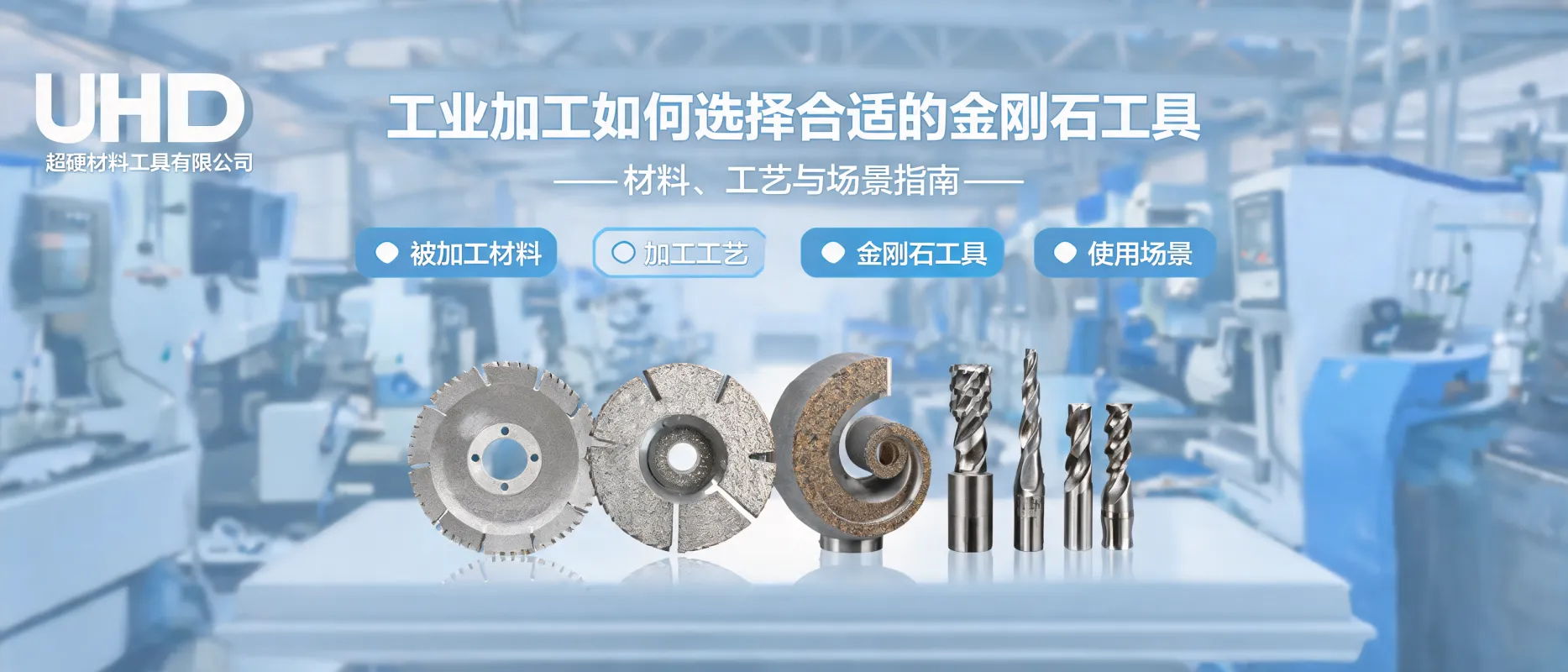
As a manufacturer focused on ultrahard material tools, UHD Ultrahard Tools Co., Ltd shares practical procurement myths and a clearer way to evaluate performance—by matching tool hardness with diamond abrasive quality, bond strength, workpiece material, machine & process conditions, and the expected tool life.
Ultrahard tool performance is not determined by a single parameter. Higher hardness can increase wear resistance, but it may also reduce toughness, chip evacuation stability, or compatibility with certain materials and machine conditions.
A more reliable procurement approach is application matching: selecting an ultrahard tool specification that fits the real cutting/grinding scenario instead of optimizing hardness alone.
Tool life depends on the combined fit of hardness, abrasive quality, bond strength, and operating conditions. If chip removal, heat, or vibration is not controlled, a harder tool may fail earlier through chipping, glazing, or unstable wear.
Diamond abrasive quality (consistency, shape, toughness, and grade stability) influences cutting efficiency and wear mode. Two tools with similar hardness can behave very differently if the abrasive quality differs.
Excessive bond strength can reduce self-sharpening and cause loading or glazing, especially in certain grinding/cutting conditions. The bond must hold abrasives securely while still allowing controlled exposure of fresh cutting edges.
The workpiece material (hardness, abrasiveness, thermal conductivity, and structure) changes the optimal combination of hardness, abrasive, and bond. Application matching should begin with material identification and the actual removal mechanism required.
Machine rigidity, spindle power, coolant supply, feed/speed stability, and fixture quality directly affect heat and vibration. A tool chosen without considering machine and process conditions can show premature wear or inconsistent results—regardless of hardness.
Procurement decisions should include expected tool life, changeover time, scrap risk, and productivity impact. A better-matched tool may reduce total cost by improving stability and reducing rework—even if unit price is higher.
When comparing ultrahard tools or diamond abrasive tools, use a multi-parameter checklist. This helps avoid single-factor decisions and improves application matching.
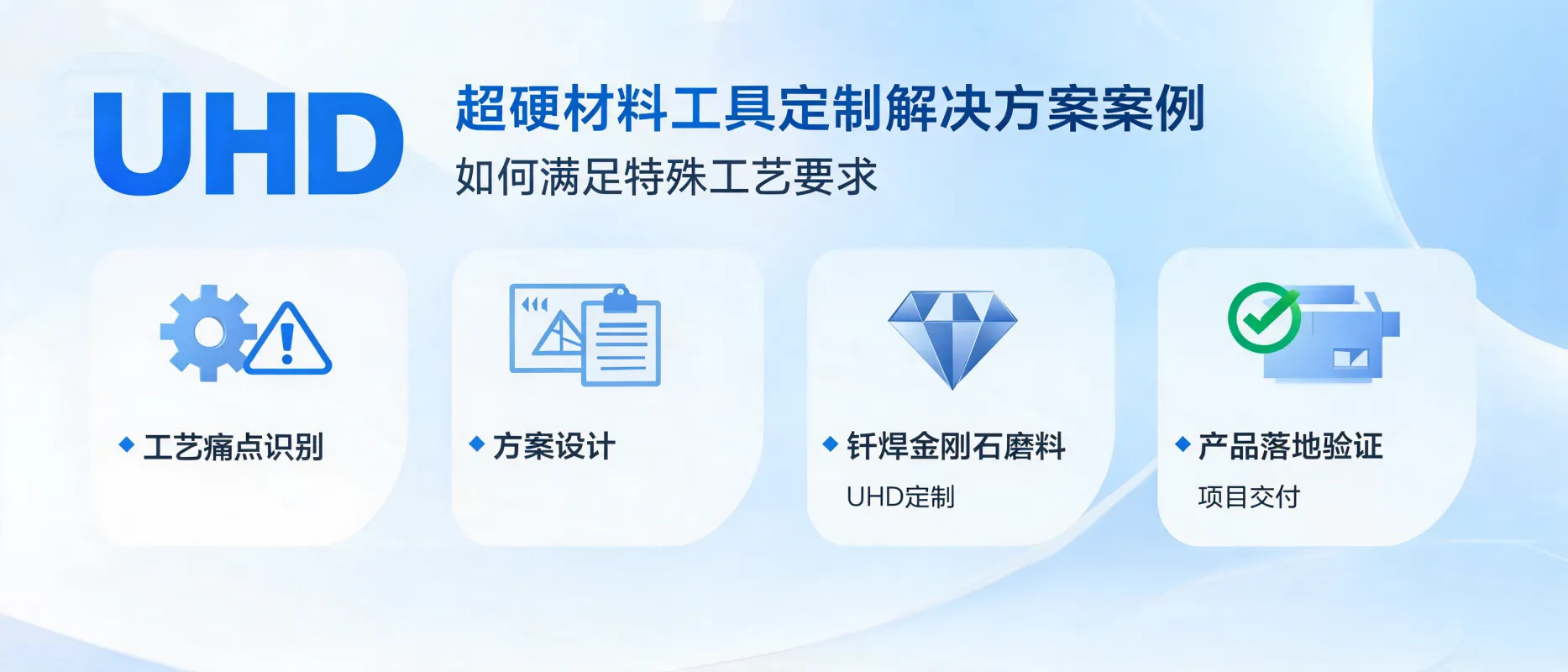
UHD Ultrahard Tools Co., Ltd focuses on R&D, manufacturing, and global B2B supply of ultrahard material tools, including diamond tools, abrasives, and customized brazed diamond abrasives. Our goal is to help customers select specifications that match real process requirements—especially when hardness alone is not a reliable indicator.
Aligns tool hardness, abrasive quality, and bond strength with the workpiece material and process goals.
Ongoing ultrahard tool research with academic collaboration supports more robust product iterations and process fit.
A structured foreign trade workflow supports stable communication, documentation, and market-specific requirements.
Procurement tip: When comparing quotes, ask for the intended application window (workpiece material + machine condition + process mode) rather than only hardness or grade names. This reduces mismatch risk and improves processing stability.
If you are evaluating ultrahard tools for metal or stone processing, preparing the details below helps shorten the selection cycle and improves application matching:
UHD’s “quality builds the brand” philosophy supports long-term, stable cooperation—through disciplined manufacturing and engineering-focused communication around hardness, diamond abrasive quality, bond strength, and real application conditions.
.png?x-oss-process=image/resize,h_800,m_lfit/format,webp)
 411
|
411
|
 UHD Ultrahard Tools Co., Ltd
vacuum brazed diamond cutting abrasive
ultrahard tools
product definition
B2B selection
221
|
UHD Ultrahard Tools Co., Ltd
ultrahard material tools procurement
tool selection mistakes
working condition matching
tool life evaluation
413
|
UHD Ultrahard Tools Co., Ltd
diamond tool selection
metal processing
stone processing
procurement evaluation
132
|
UHD Ultrahard Tools Co., Ltd
ultrahard material tools
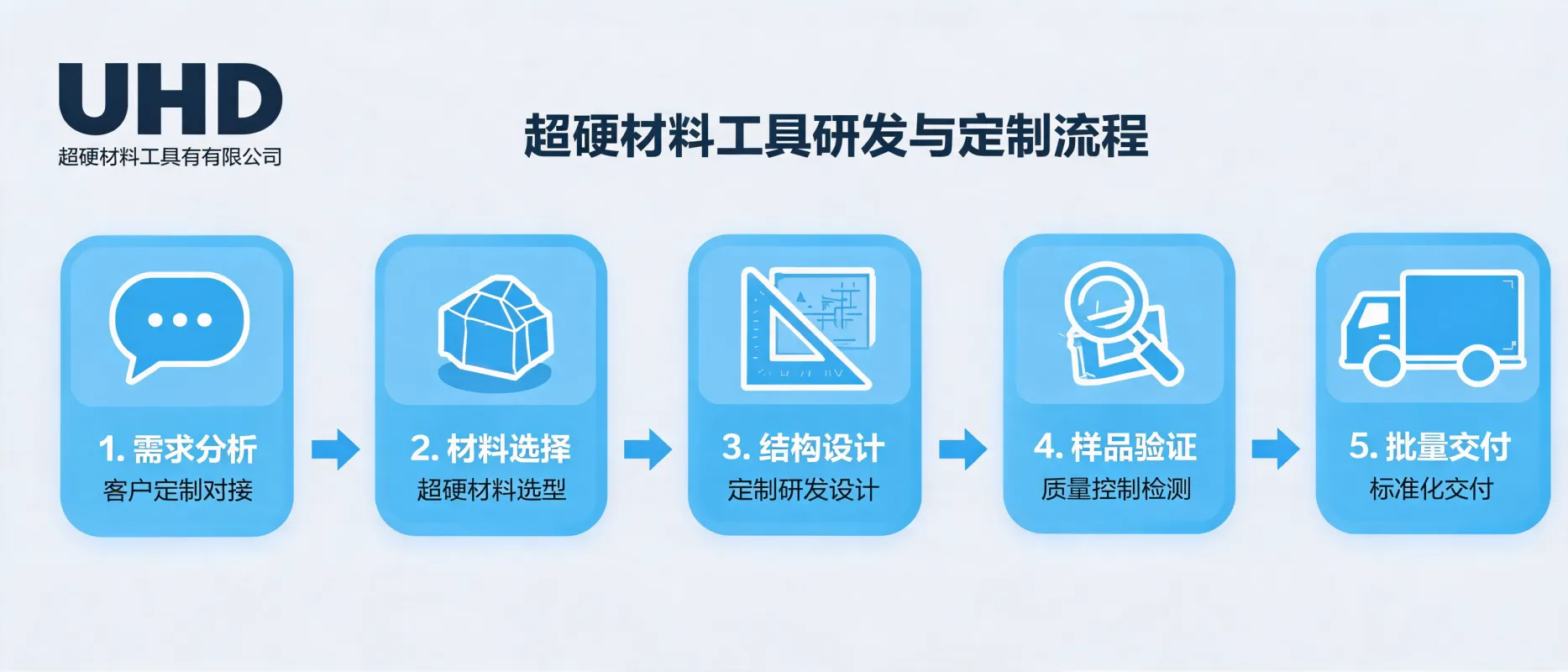
R&D workflow
custom tool development
sample validation and quality control
42
|
UHD Ultrahard Tools Co., Ltd
vacuum brazed diamond cutting abrasives
diamond cutting abrasives
brazed diamond tools
tool customization
UHD Ultrahard Tools Co., Ltd
vacuum brazed diamond cutting abrasive
ultrahard tools
product definition
B2B selection
221
|
UHD Ultrahard Tools Co., Ltd
ultrahard material tools procurement
tool selection mistakes
working condition matching
tool life evaluation
413
|
UHD Ultrahard Tools Co., Ltd
diamond tool selection
metal processing
stone processing
procurement evaluation
132
|
UHD Ultrahard Tools Co., Ltd
ultrahard material tools
R&D workflow
custom tool development
sample validation and quality control
42
|
UHD Ultrahard Tools Co., Ltd
vacuum brazed diamond cutting abrasives
diamond cutting abrasives
brazed diamond tools
tool customization



.png?x-oss-process=image/resize,h_100,m_lfit/format,webp)
.png?x-oss-process=image/resize,h_100,m_lfit/format,webp)
.png?x-oss-process=image/resize,h_100,m_lfit/format,webp)