

Selecting the right ultrahard material tools for metalworking and stone processing is not just about “harder is better”—it’s about matching the tool’s cutting/abrasive mechanism to your workpiece, process window, and stability requirements.
This practical guide is provided by UHD Ultrahard Tools Co., Ltd (UHD)—a B2B manufacturer focused on diamond tools, abrasives, and vacuum brazed diamond abrasives—to help purchasing teams and process engineers build an actionable selection framework.
Use the sections below as a checklist during RFQ, trial planning, and line ramp-up.
If you already have a tool specification, you can validate it against the stability and wear-life considerations to reduce unplanned downtime.
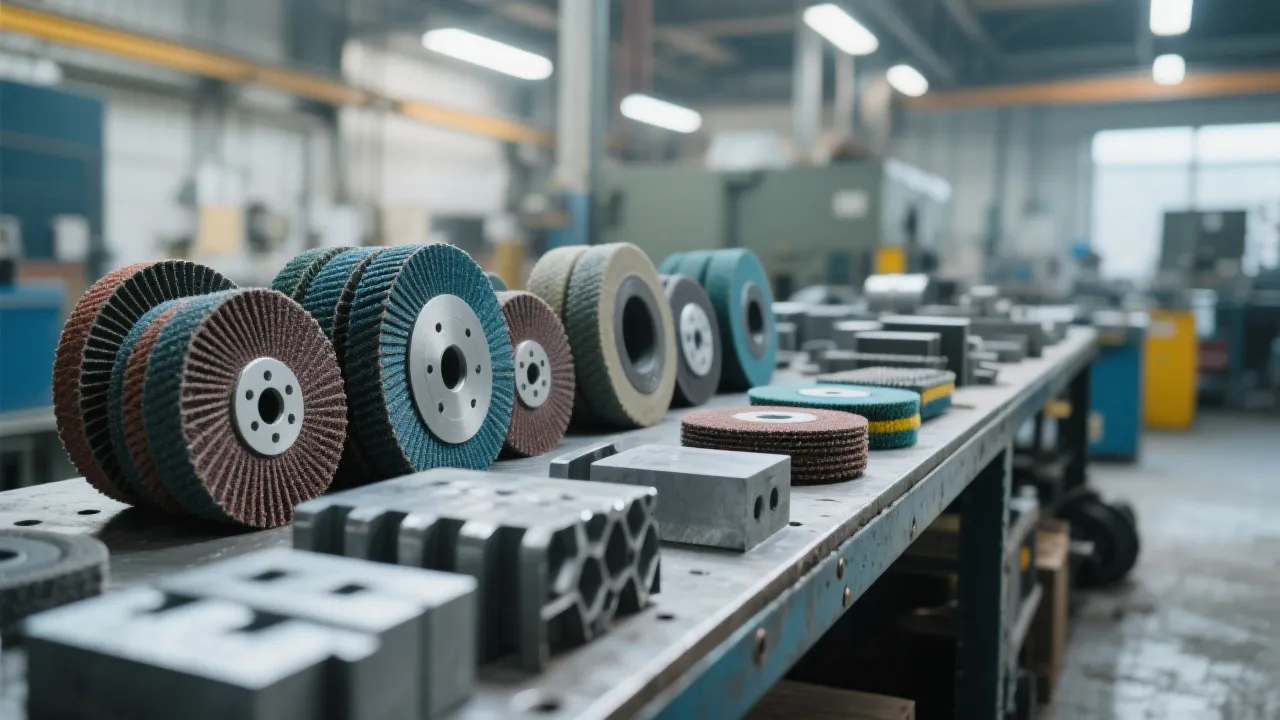
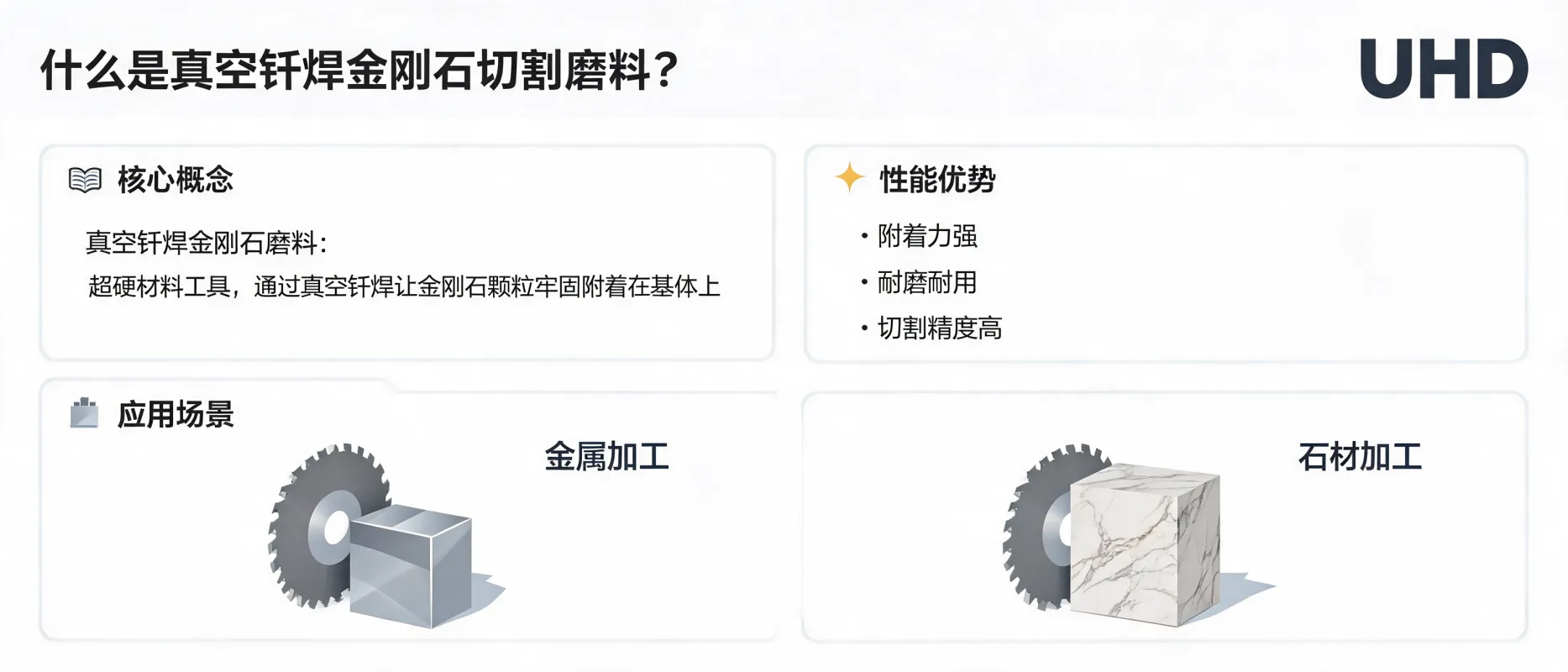
Ultrahard tools are chosen around how the workpiece behaves under cutting or grinding: hardness, abrasiveness, thermal conductivity, and surface integrity requirements. For most industrial evaluations, the fastest way to avoid mis-selection is to classify the workpiece and confirm the dominant wear mode (abrasive wear, edge chipping, glazing, heat damage).
| Workpiece category | Typical processing focus | Selection implications (what to confirm) |
|---|---|---|
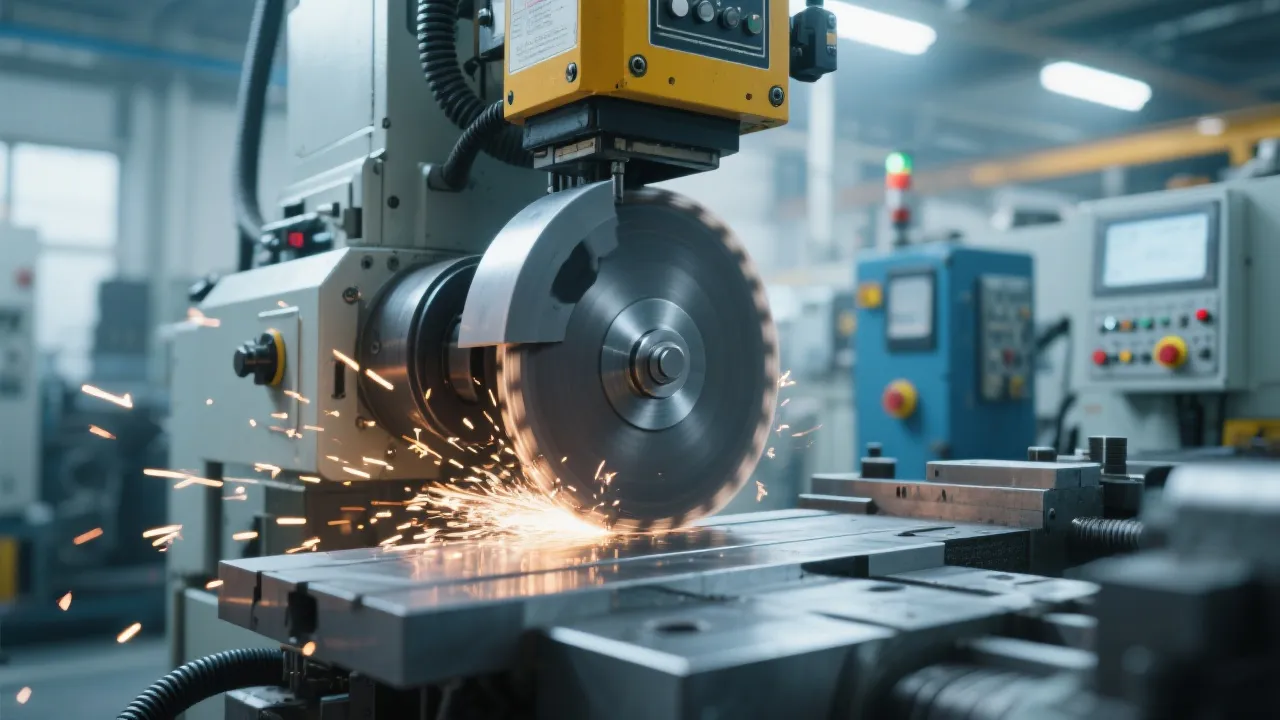
| Metals (metalworking) | Heat control, burr/edge integrity, stable material removal | Confirm process type (cutting vs grinding), coolant/dry limits, and stability at target feed/speed |
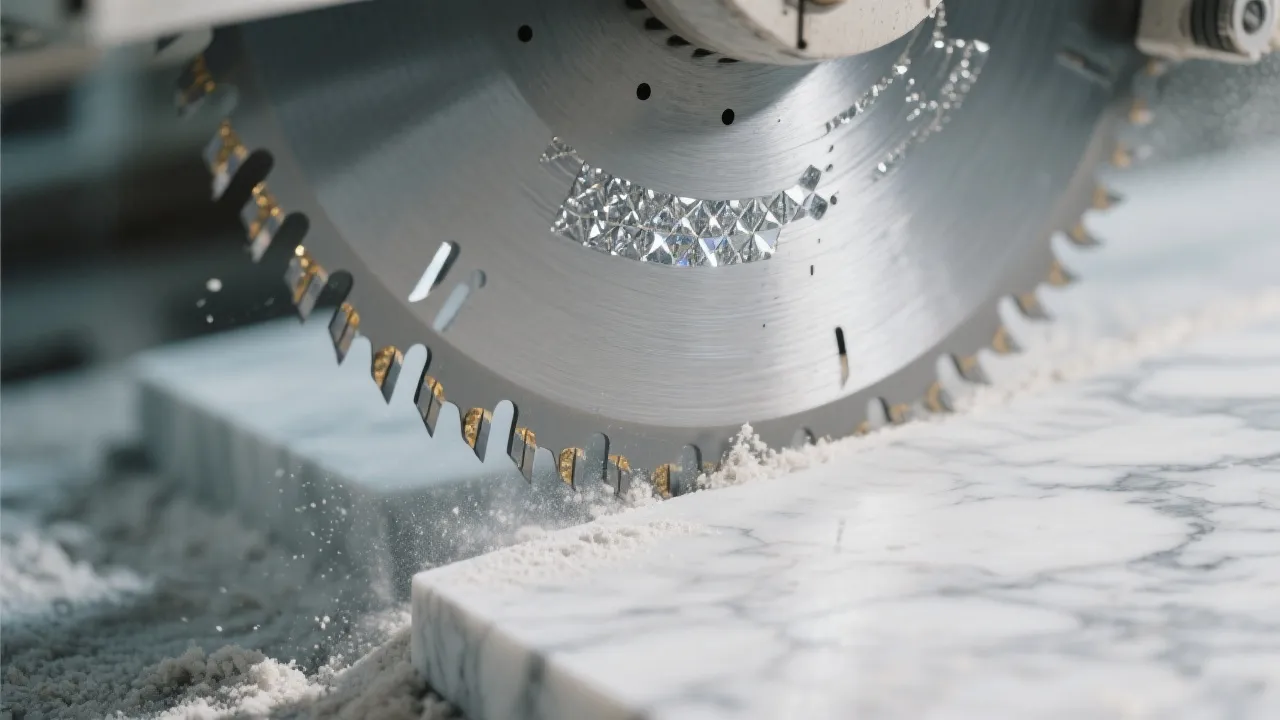
| Stone (stone processing) | Abrasive wear resistance, chipping control, finish consistency | Confirm stone type/abrasiveness, edge chipping risk, and dust/wet process constraints |
| Mixed-material or variable lots | Consistency and tolerance to variability | Prioritize operational stability and predictable wear over peak removal rate |
Practical tip: if your workpiece varies by supplier or quarry lot, treat “stability under variation” as a first-class requirement—not a secondary preference.
Tool selection becomes straightforward when the process is defined in terms that both engineering and procurement can verify. For metalworking and stone processing, the following requirements should be written into your internal spec or RFQ.
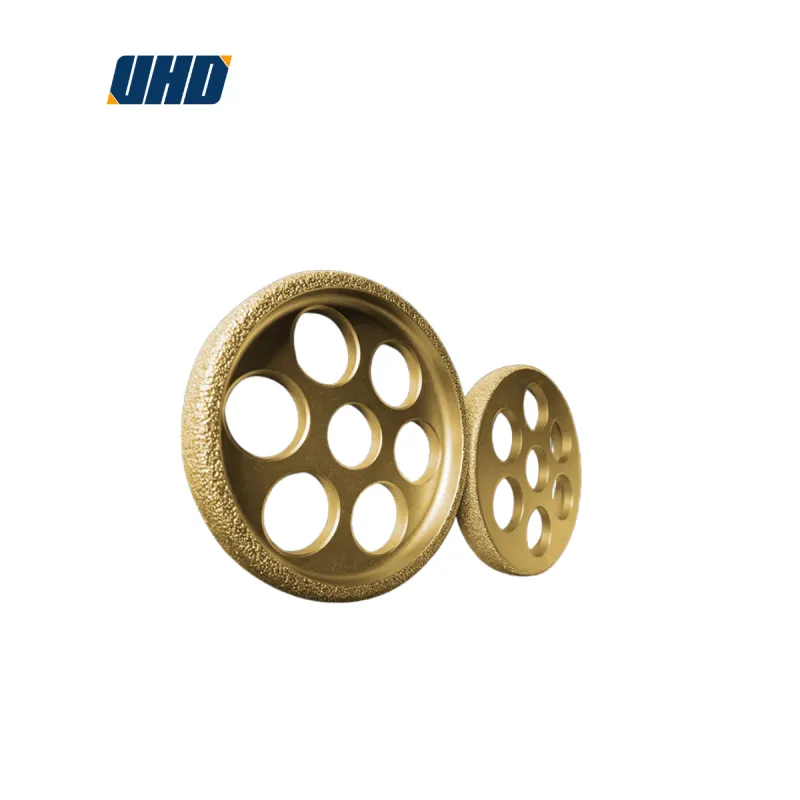
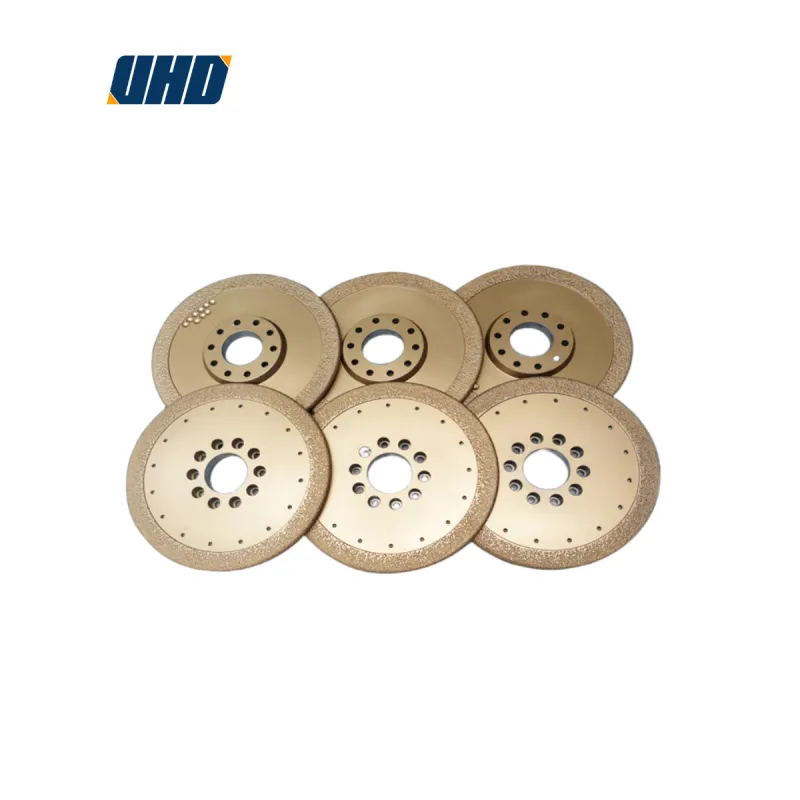
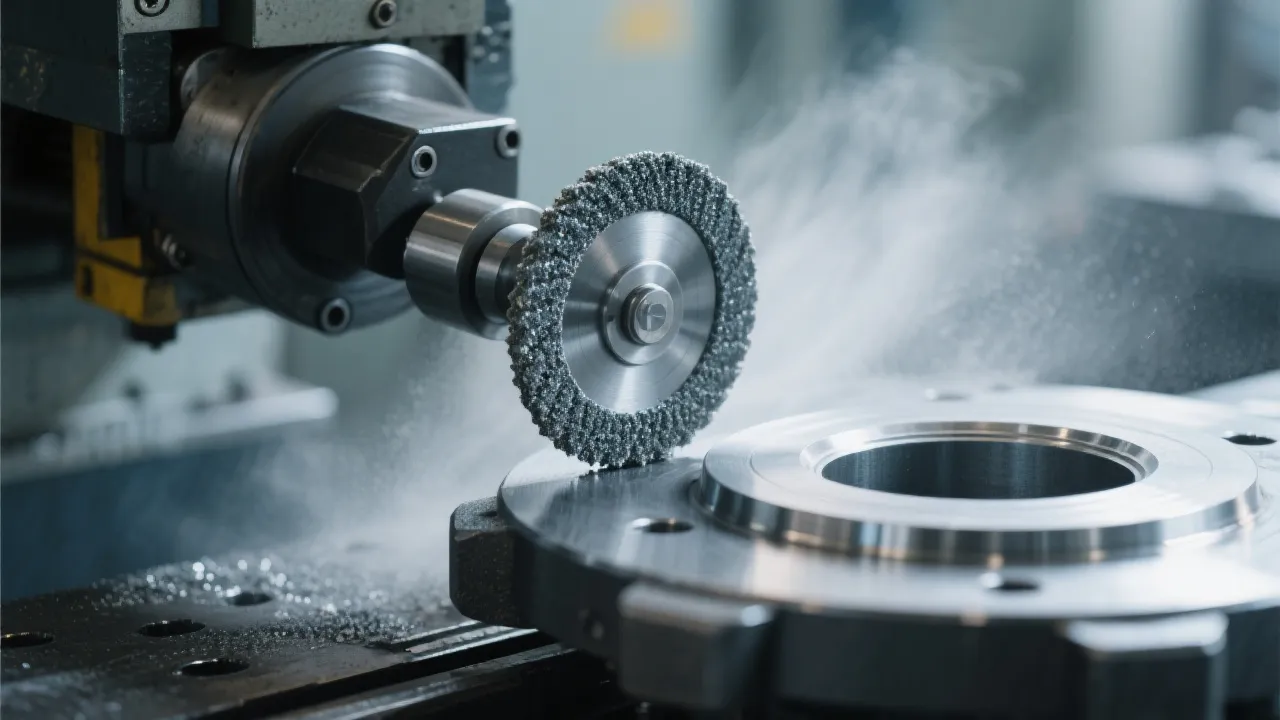
UHD’s portfolio includes diamond tools and vacuum brazed diamond abrasives. Selection depends on how you need the abrasive grains to behave in your process window.
In ultrahard tool selection, higher wear resistance does not automatically mean higher productivity. A tool can be “durable” but inefficient if it loads up, runs too hot, or becomes unstable at your target parameters. The right selection aligns wear behavior with removal efficiency.
A stable, repeatable process is often the fastest route to lower total cost—because it reduces scrap risk, parameter guessing, and unplanned tool changes.
Operational stability means the tool behaves predictably across shifts, operators, and normal workpiece variation. For B2B industrial purchasing, stability is frequently the deciding factor when comparing similar ultrahard solutions.
Machine fit: tool mounting, runout tolerance, rigidity match
Thermal window: heat buildup, coolant compatibility, dry/wet limits
Consistency: wear progression, finish drift, vibration tendency
Maintainability: dressing/cleaning needs, changeover time, operator sensitivity
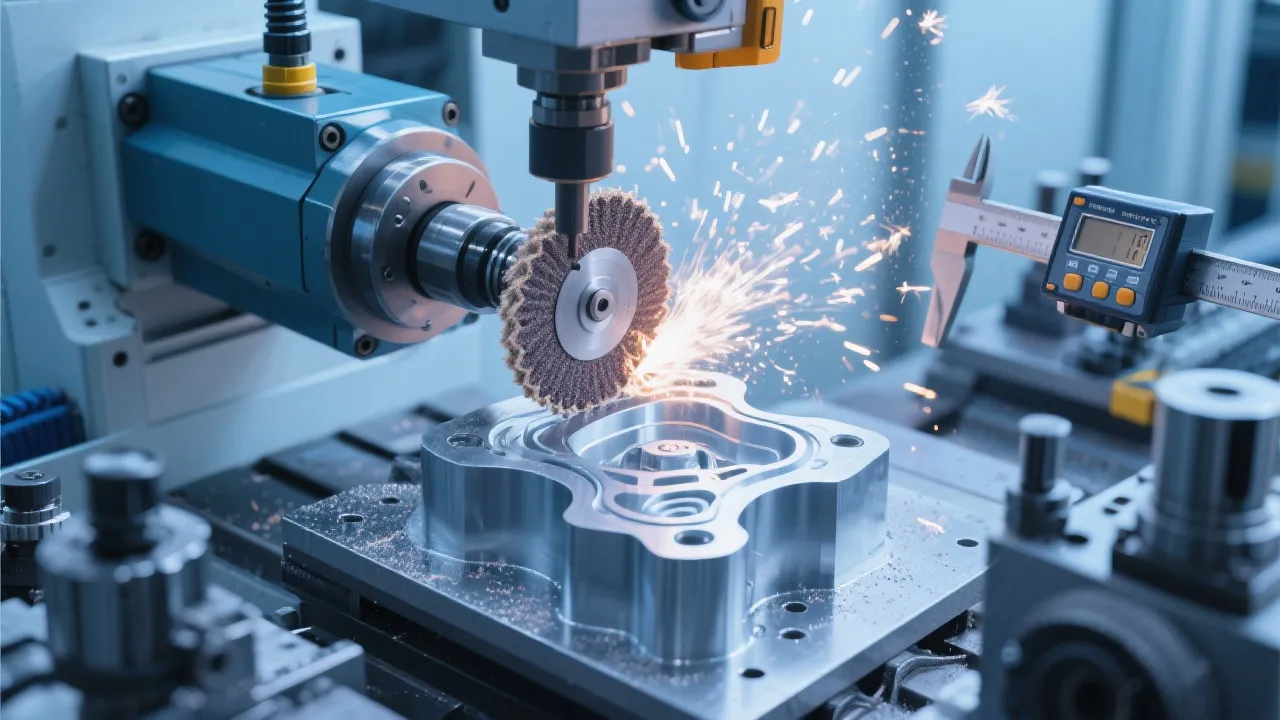
A repeatable workflow shortens iteration cycles and makes supplier communication clearer. UHD typically recommends aligning technical inputs first, then validating with controlled trials.
UHD Ultrahard Tools Co., Ltd focuses on the R&D, manufacturing, and sales of ultrahard material tools, with offerings that include diamond tools, abrasives, and custom vacuum brazed diamond abrasives for industrial applications such as metalworking and stone processing.
If you need help translating your process requirements into a clear tool specification, UHD can support technical communication and selection discussions for B2B purchasing and engineering teams—so the selected ultrahard tool matches your material, process window, and stability goals.

.png?x-oss-process=image/resize,h_800,m_lfit/format,webp)
 374
|
374
|
 UHD Ultrahard Tools Co., Ltd
vacuum brazed diamond cutting abrasive
ultrahard tools
metalworking cutting and grinding
stone processing abrasives
297
|
gray iron diamond grinding disc size
100-180mm grinding wheel selection
small vs large diameter grinding disc
flat vs curved grinding disc
gray cast iron deburring efficiency
65
|
curved profile design
diamond grinding wheel impact resistance
FEA stress distribution
coolant flow optimization
thermal management in grinding
392
|
UHD Ultrahard Tools Co., Ltd
vacuum brazed diamond cutting abrasive
superhard tools
definition and applications
industrial tool selection
82
|
brazed diamond grinding wheel
stainless steel grinding
diamond wheel maintenance
grinding wheel longevity
stainless steel研磨技巧
UHD Ultrahard Tools Co., Ltd
vacuum brazed diamond cutting abrasive
ultrahard tools
metalworking cutting and grinding
stone processing abrasives
297
|
gray iron diamond grinding disc size
100-180mm grinding wheel selection
small vs large diameter grinding disc
flat vs curved grinding disc
gray cast iron deburring efficiency
65
|
curved profile design
diamond grinding wheel impact resistance
FEA stress distribution
coolant flow optimization
thermal management in grinding
392
|
UHD Ultrahard Tools Co., Ltd
vacuum brazed diamond cutting abrasive
superhard tools
definition and applications
industrial tool selection
82
|
brazed diamond grinding wheel
stainless steel grinding
diamond wheel maintenance
grinding wheel longevity
stainless steel研磨技巧




.png?x-oss-process=image/resize,h_100,m_lfit/format,webp)
.png?x-oss-process=image/resize,h_100,m_lfit/format,webp)
.png?x-oss-process=image/resize,h_100,m_lfit/format,webp)