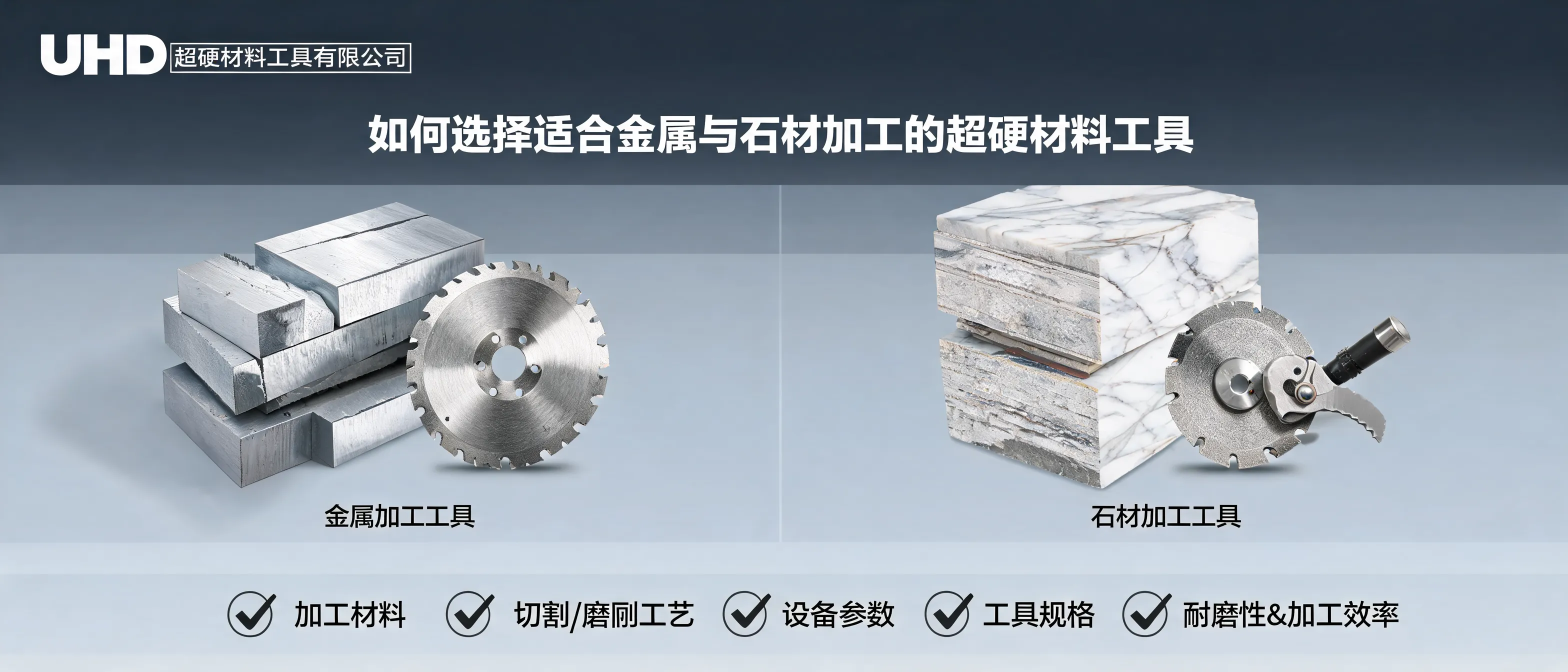
Selecting the right ultrahard tools is a practical engineering decision—not just a purchasing choice. In metalworking and stone processing, mismatched tool specifications can lead to premature wear, unstable quality, downtime, and unnecessary tooling cost.
UHD Ultrahard Tools Co., Ltd shares a buyer-oriented selection workflow based on workpiece material, cutting vs. grinding process, machine parameters, tool specification matching, wear resistance expectations, and productivity targets—helping B2B teams reduce mismatch-related losses and standardize sourcing decisions.
Tool selection should begin with a clear definition of the material being processed and its machining characteristics. Even within “metal” or “stone,” hardness, toughness, abrasiveness, thermal conductivity, and surface condition can change the optimal tool choice.
“Ultrahard” includes multiple product forms and application logics. Selection improves when you clearly categorize your operation:
For B2B sourcing: document the operation category first (cutting vs. grinding), then lock the tool form and only after that finalize grit/spec and size. This reduces “wrong tool, right material” mistakes.
A tool that performs well on one machine may underperform on another if power, speed, rigidity, and cooling differ. Confirm these parameters early to avoid unstable wear patterns and unexpected failures.
Selection is a specification-matching exercise. For most ultrahard tools, the biggest drivers are tool geometry (size/shape/contact area) and abrasive specification (e.g., grit level for cutting or grinding behavior).
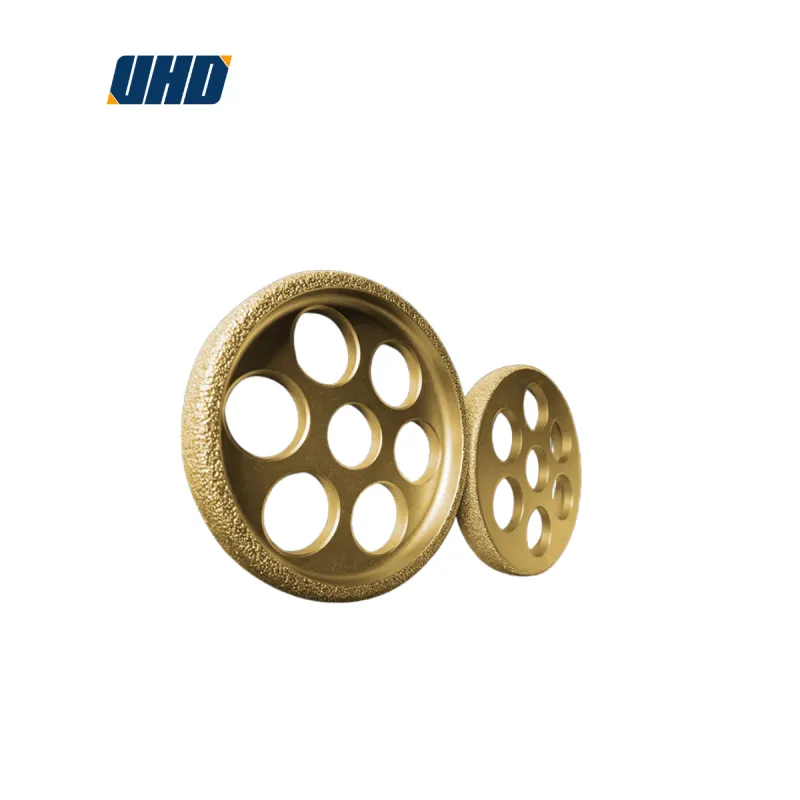
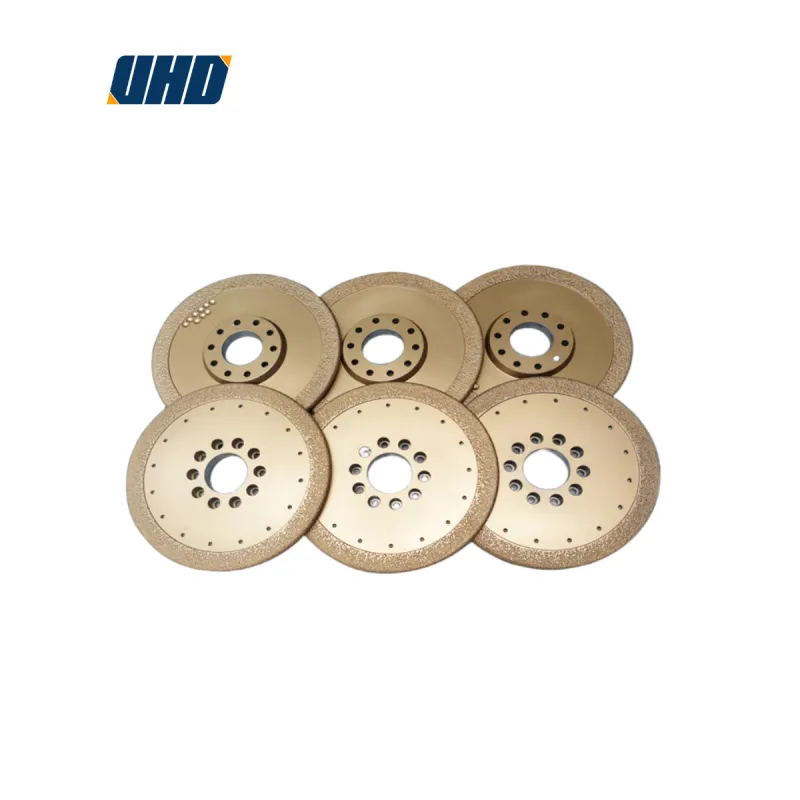
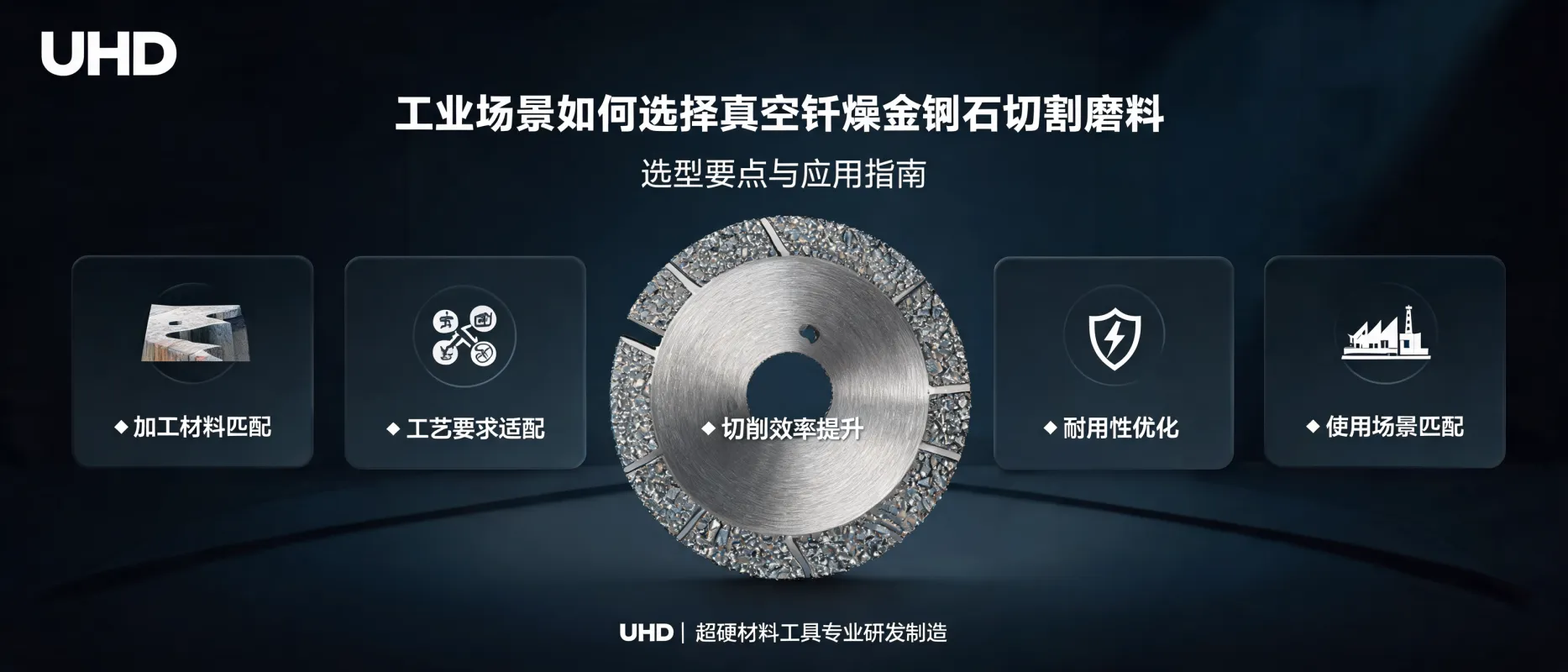
Note: UHD supports vacuum brazed diamond cutting abrasives and related ultrahard tooling. Specification details should be confirmed against your workpiece, machine window, and target finish to avoid over- or under-selection.
Wear resistance is important, but it should be evaluated alongside throughput and process stability. A tool that lasts longer is not always the best choice if it lowers efficiency or causes quality drift.
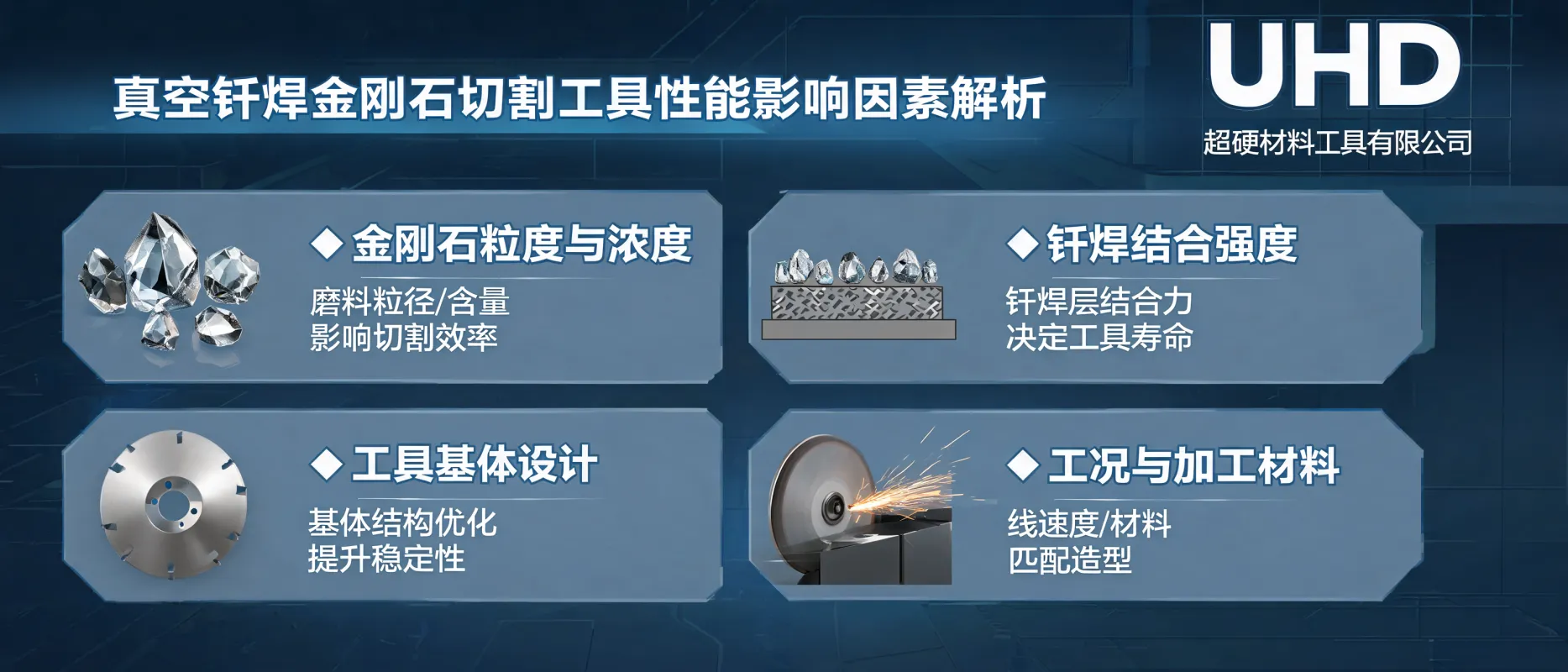
Diamond tools are widely used in both stone processing and selected metalworking scenarios. For vacuum brazed diamond tools, selection should focus on matching the abrasive exposure behavior and operating window to your application to maintain consistent cutting/grinding performance.
As a high-tech enterprise focused on R&D, manufacturing, and global B2B supply of ultrahard material tools, UHD Ultrahard Tools Co., Ltd supports buyers with practical specification alignment for metalworking and stone processing—covering diamond tools, abrasives, and custom vacuum brazed diamond cutting abrasives.
With clear inputs, your team can build a repeatable tool selection standard that improves consistency across projects and purchasing cycles—without overbuying or relying on trial-and-error.
.png?x-oss-process=image/resize,h_800,m_lfit/format,webp)
 502
|
502
|
 UHD Ultrahard Tools Co., Ltd
ultrahard material tool selection
diamond tools for metalworking
stone processing tool selection
vacuum brazed diamond abrasives
390
|
UHD Ultrahard Tools Co., Ltd
vacuum brazed diamond cutting abrasive
superhard tools
industrial cutting
metal and stone processing
293
|
UHD Ultrahard Tools Co., Ltd
ultrahard material tools procurement
pre-purchase checklist
application condition verification
specification and quality requirements
498
|
UHD Ultrahard Tools Co., Ltd
vacuum brazing process
vacuum brazed diamond tools
high-intensity working conditions
diamond grit bonding strength
305
|
UHD Ultrahard Tools Co., Ltd
industrial application case
ultrahard material tools
requirement matching
solution implementation
UHD Ultrahard Tools Co., Ltd
ultrahard material tool selection
diamond tools for metalworking
stone processing tool selection
vacuum brazed diamond abrasives
390
|
UHD Ultrahard Tools Co., Ltd
vacuum brazed diamond cutting abrasive
superhard tools
industrial cutting
metal and stone processing
293
|
UHD Ultrahard Tools Co., Ltd
ultrahard material tools procurement
pre-purchase checklist
application condition verification
specification and quality requirements
498
|
UHD Ultrahard Tools Co., Ltd
vacuum brazing process
vacuum brazed diamond tools
high-intensity working conditions
diamond grit bonding strength
305
|
UHD Ultrahard Tools Co., Ltd
industrial application case
ultrahard material tools
requirement matching
solution implementation




.png?x-oss-process=image/resize,h_100,m_lfit/format,webp)
.png?x-oss-process=image/resize,h_100,m_lfit/format,webp)
.png?x-oss-process=image/resize,h_100,m_lfit/format,webp)