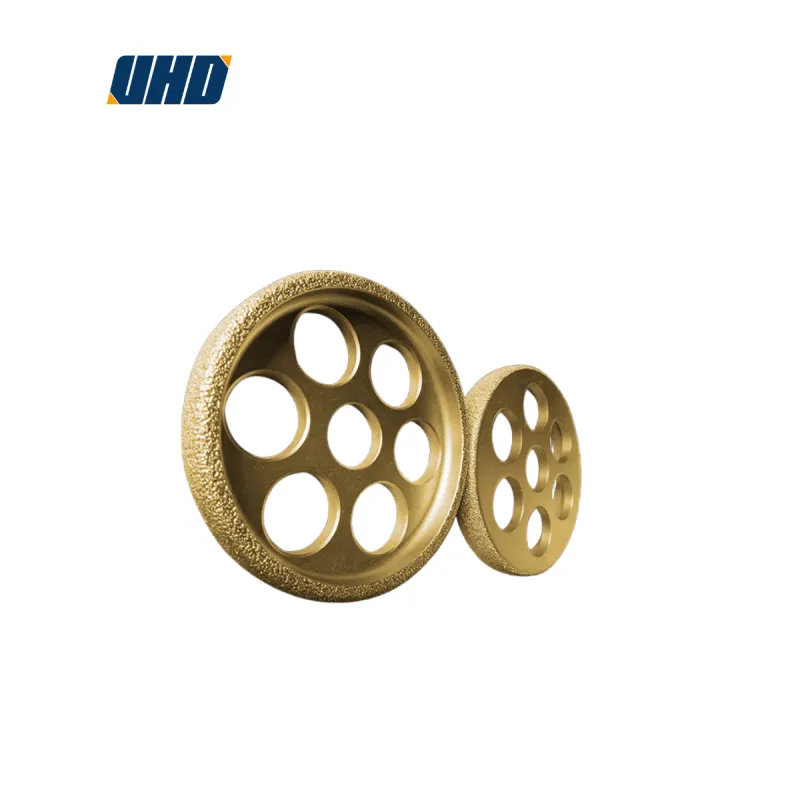
An ultrahard material tooling solution is a structured way to select and apply tools made with ultrahard materials—most commonly diamond tools, abrasives, and vacuum-brazed diamond cutting abrasives—so that industrial users can achieve stable cutting/grinding performance across different metalworking and stone processing scenarios.
UHD Ultrahard Tools Co., Ltd (UHD) is a high-tech enterprise focused on R&D, manufacturing, and sales of ultrahard tooling. We support B2B customers with solution-oriented selection guidance, customization-focused technical service, and a quality-first production mindset—built on long-term cooperation with research partners such as Henan University of Technology.
Instead of choosing a single tool model in isolation, an ultrahard tooling solution aligns workpiece material, process requirements, and operating conditions to the right tool category and construction. This improves predictability in:
Diamond tools are commonly applied where high hardness and wear resistance are required—especially in stone processing and select metalworking operations.
Abrasives support controlled material removal and surface preparation. Selection typically depends on workpiece characteristics and desired surface finish.
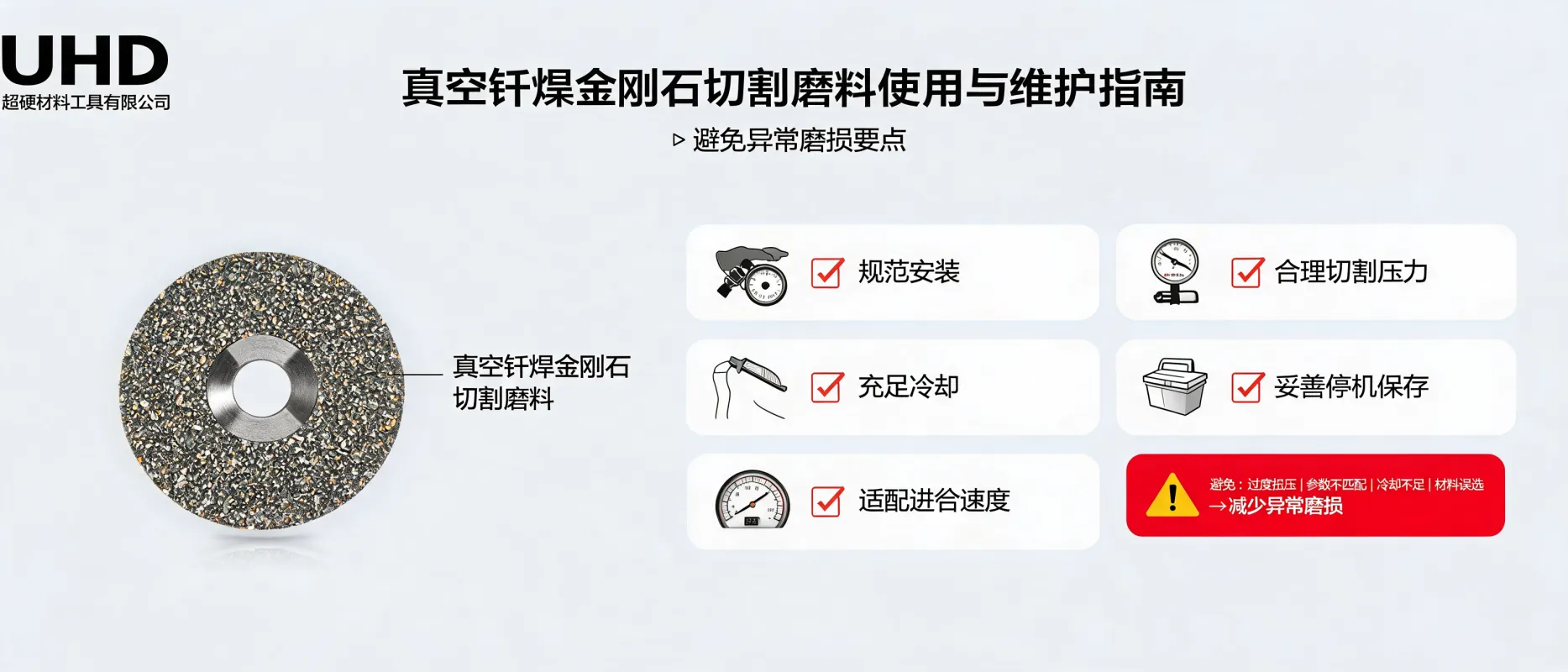
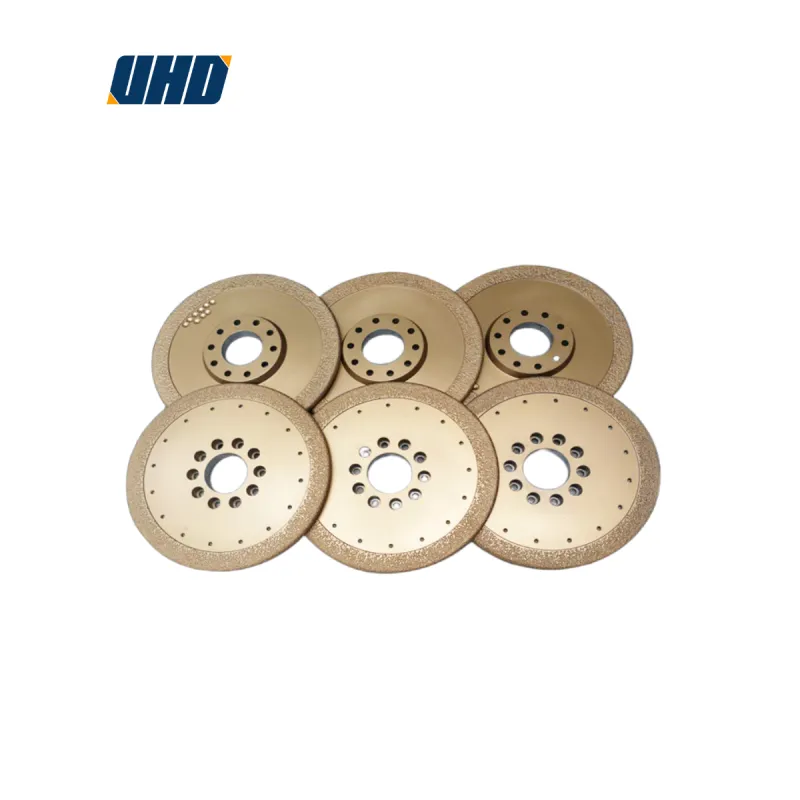
Vacuum brazing bonds diamond abrasives to the tool body for strong retention—often used where higher load and heat resistance are important.
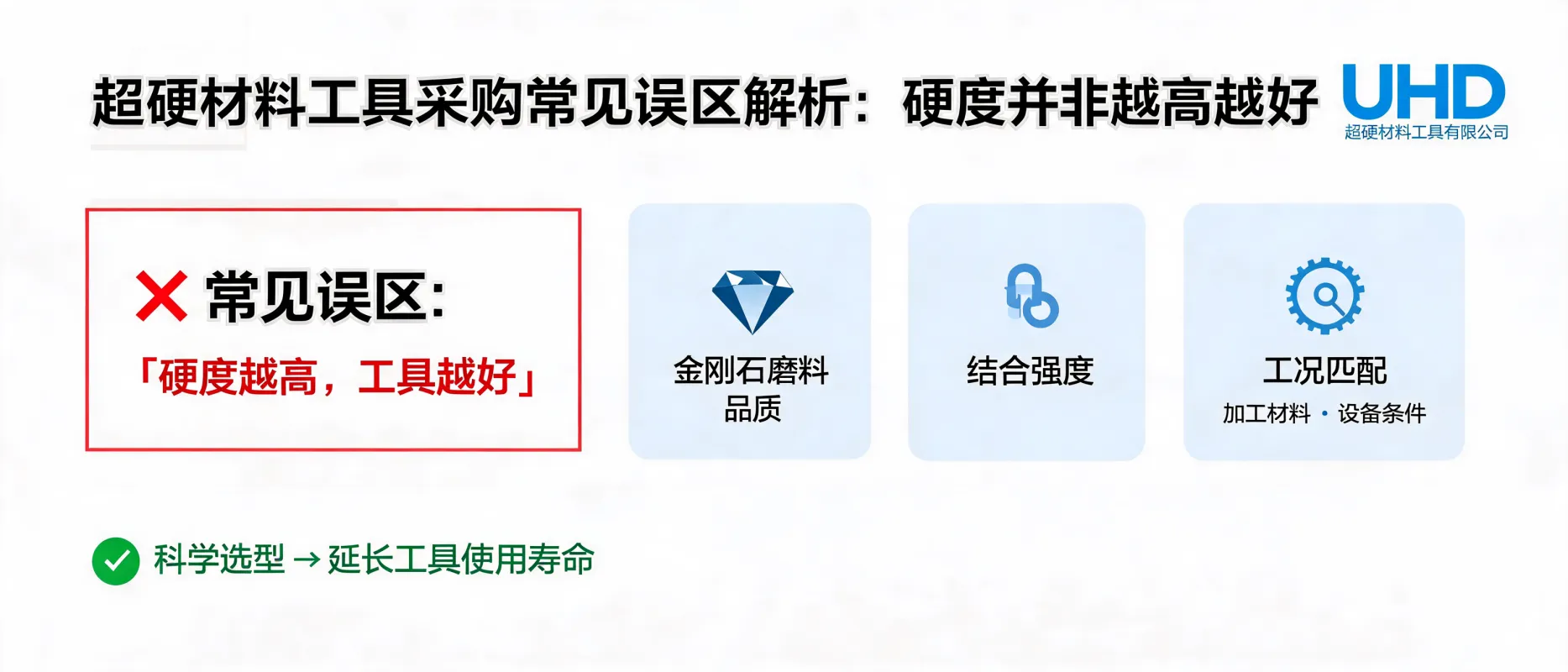
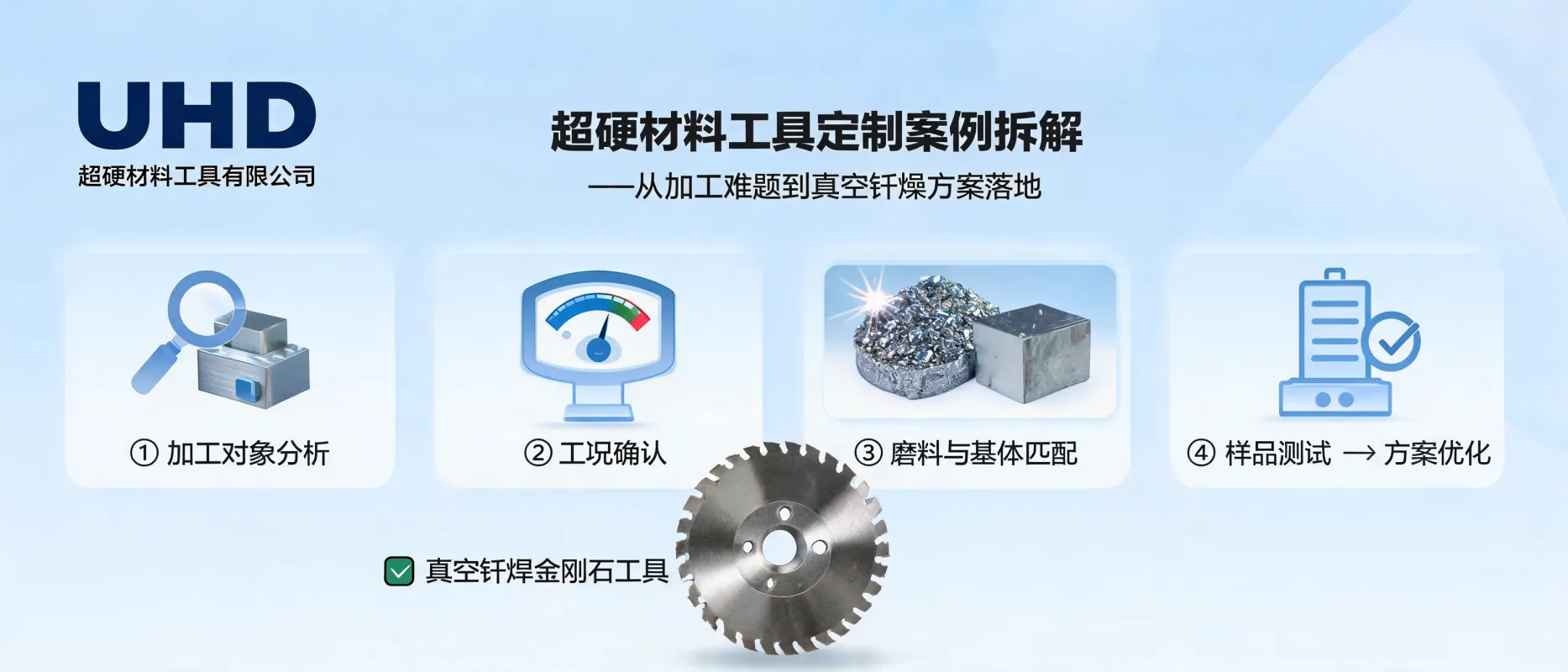
UHD’s selection guidance for ultrahard material tooling solutions focuses on three decision layers. This helps teams align tool choice with real production constraints—without trial-and-error cycles.
Recommendations are made based on your stated materials, processes, and conditions. UHD avoids blanket “one-size-fits-all” claims and focuses on a clear match between tool design intent and application reality.
In metalworking, tooling decisions often hinge on heat load, stability, and consistent performance across production runs. UHD can help identify suitable ultrahard tool types for the specific operation and machine constraints.
Stone processing typically requires stable cutting and controlled surface finishing on materials with varying abrasiveness. UHD supports selection among diamond tools, abrasives, and vacuum-brazed diamond cutting abrasives based on the processing stage.
UHD maintains close collaboration with universities such as Henan University of Technology to support ongoing development of ultrahard material cutting tools and application methods.
UHD operates a structured B2B export service workflow and communicates with global buyers through mainstream international trade platforms, supporting documentation needs and market-specific expectations.
Brand positioning: “Quality builds the brand.” UHD’s approach is to make tool selection, manufacturing, and service traceable and requirement-driven—so industrial customers can standardize procurement and application decisions.
If you are evaluating diamond tools, abrasives, or vacuum-brazed diamond cutting abrasives for metal and stone processing, UHD can help you narrow options based on your material, process step, and operating scenario.
Note: Final tool suitability depends on your specific materials, parameters, and operating environment. UHD’s guidance is provided to support informed selection and procurement decisions.

 221
|
 UHD Ultrahard Tools Co., Ltd
ultrahard material tools procurement
tool selection mistakes
working condition matching
tool life evaluation
207
|
UHD Ultrahard Tools Co., Ltd
diamond tool selection
industrial machining tools
cutting tools
grinding tools
293
|
UHD Ultrahard Tools Co., Ltd
ultrahard material tools procurement
pre-purchase checklist
application condition verification
specification and quality requirements
55
|
UHD Ultrahard Tools Co., Ltd
vacuum brazed diamond abrasive selection
diamond cutting abrasive
cutting and grinding process parameters
tool life and machining efficiency
267
|
UHD Ultrahard Tools Co., Ltd
custom brazed diamond abrasives
industrial machining case study
parameter matching
solution design