Home > News > Ultrahard Tool Buying Myths: 3 Common Misconceptions in Industrial Purchasing | UHD Ultrahard Tools Co., Ltd

Ultrahard Tools Aren’t “The Harder, The Better”: 3 Purchasing Misconceptions

UHD Ultrahard Tools Co., Ltd
2026-06-18
Misconception Correction
UHD Ultrahard Tools Co., Ltd explains three common misconceptions in ultrahard tool purchasing—focusing only on hardness, unit price, or generic models—and offers practical selection criteria to reduce application mismatches and sourcing risk for industrial buyers.
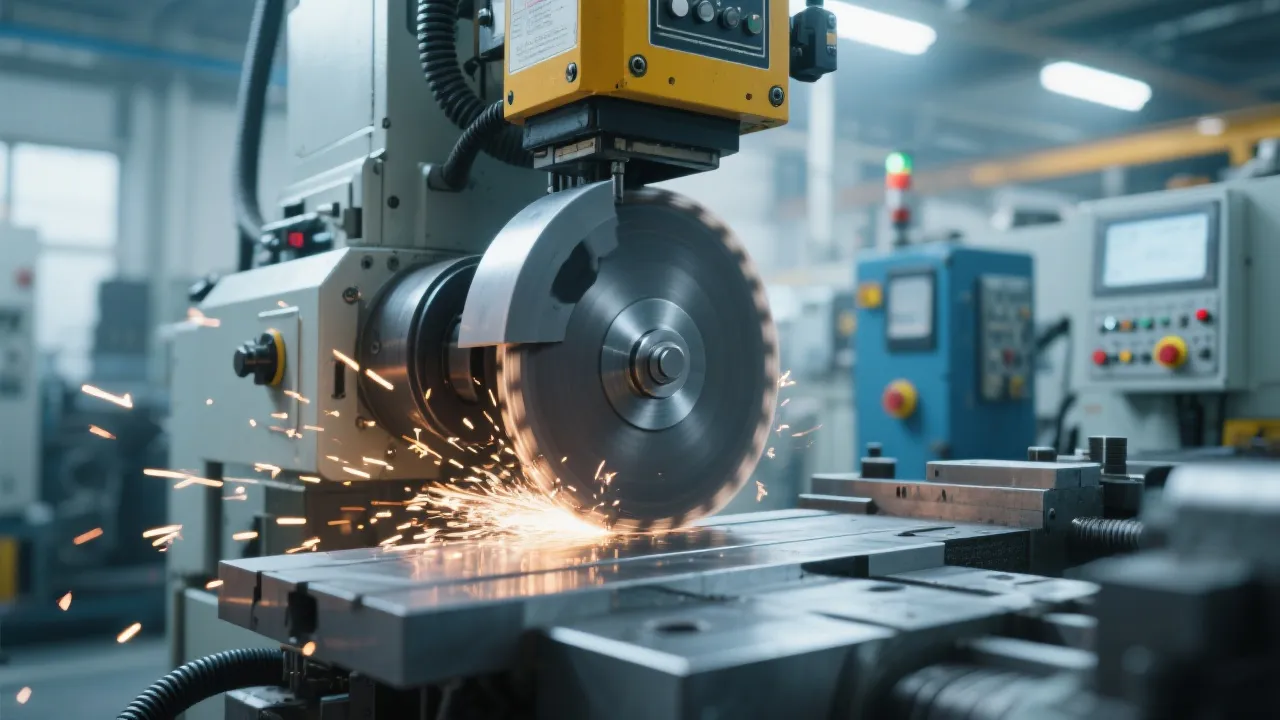
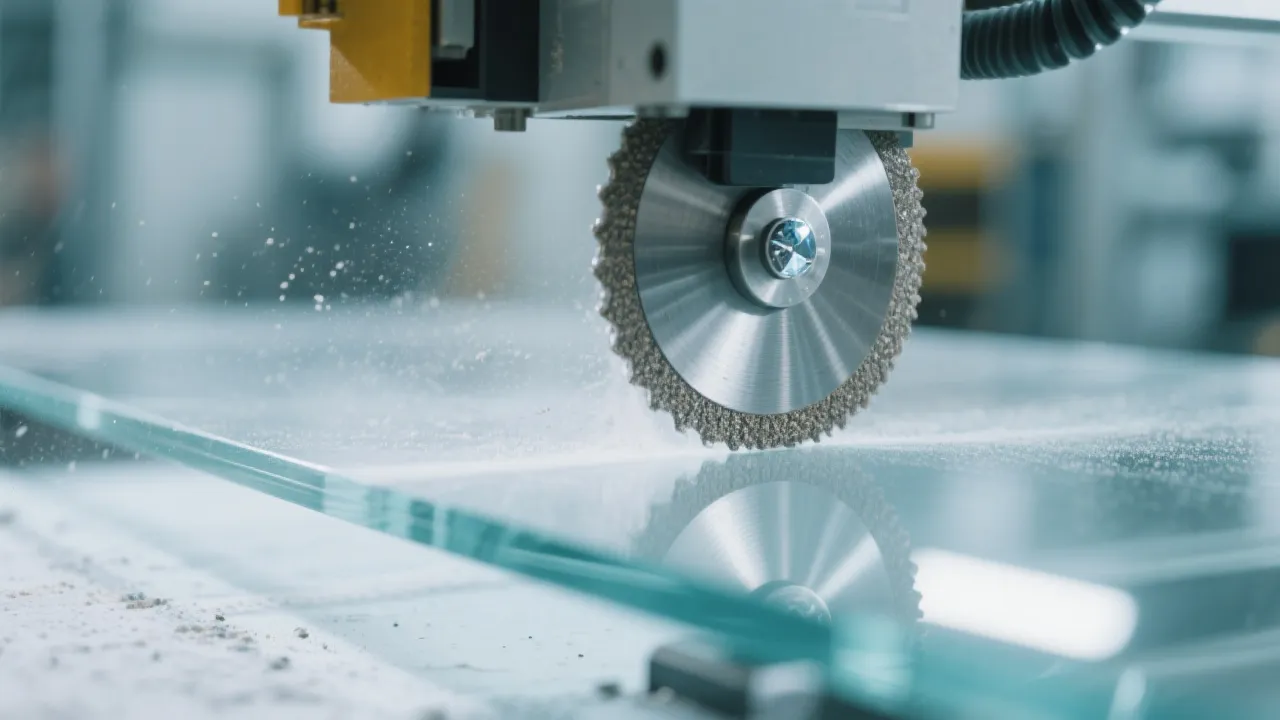
Industrial buyer comparing ultrahard tool options by hardness, service life, and application fit in a procurement review

In industrial sourcing, ultrahard tools are often evaluated with quick shortcuts—especially when procurement teams must compare multiple suppliers and specs fast. However, “harder” does not automatically mean “better” in real production. Application fit, operating conditions, and total cost over service life matter more than a single headline number.

As a B2B manufacturer focused on ultrahard material tools, UHD Ultrahard Tools Co., Ltd summarizes three common purchasing misconceptions and practical selection criteria that help reduce application mismatches and sourcing risk.

Misconception 1: “The higher the hardness, the better the tool.”

Hardness is important, but focusing on hardness alone can hide the real reasons tools fail in production: heat, vibration, unstable clamping, incorrect speed/feed, incompatible coolant, or workpiece variability. In many processes, the “best” ultrahard tool is the one that stays stable under your specific operating conditions—not the one with the highest nominal hardness.

What hardness does NOT tell you

  • Thermal load tolerance at your cutting/grinding speed
  • Chipping risk under vibration or interrupted contact
  • Bonding stability (e.g., brazed layer reliability) under cyclic stress
  • Compatibility with coolant/lubrication and debris evacuation

What to evaluate instead (application-fit checklist)

  • Workpiece material (metal/stone type, hardness range, abrasiveness)
  • Process (cutting, grinding, profiling; continuous vs. intermittent)
  • Speed/heat (RPM, surface speed, heat generation and dissipation)
  • Coolant (dry/wet, coolant type, delivery method)
  • Stability (runout, fixturing, machine vibration, operator practice)
Practical rule: ultrahard tools should be chosen by operating conditions + application fit—hardness is only one factor in a stable process window.

Misconception 2: “Compare unit price and choose the cheapest.”

Unit price is easy to compare; production cost is not. In ultrahard tool procurement, the real cost often comes from wear rate, tool-change downtime, rework, scrap, and process instability. A low-priced tool that wears quickly or causes inconsistent results can be more expensive across its service life.

Use “total cost over service life” as your purchasing baseline

Cost driver What to check How it shows up on the shop floor
Wear rate / service life Expected wear pattern under your conditions; consistency across batches Frequent tool changes, drifting dimensions/surface finish
Downtime Changeover time; stability after tool replacement Lost output, rescheduling, line stoppage
Quality losses Defect modes (chipping, burning, poor edge retention) Rework, scrap, unstable surface finish
Process stability Sensitivity to vibration/heat/coolant changes Inconsistent output even when the unit price looks attractive
Sourcing risk Lead time, communication clarity, after-sales support readiness Delays, incorrect specs, slow issue resolution

Note: The goal is not “most expensive” or “cheapest,” but the lowest total cost with stable, repeatable performance in your application.

Misconception 3: “Generic models work for most jobs.”

Standard tools are a good starting point, but ultrahard tool performance is highly sensitive to geometry, abrasive/bond design, and the interface between tool and process. When an application has special constraints—tight tolerances, difficult materials, thermal buildup, or unique machine parameters—generic models can lead to poor fit and inconsistent results.

When standard models are usually sufficient

  • Stable, proven process window and repeatable materials
  • Common geometry requirements and moderate thermal load
  • Low variation in machine condition and operator practice

When application-fit / customized options should be considered

  • Intermittent contact, vibration, or edge chipping issues
  • Heat-related failure (burning, glazing, premature wear)
  • High scrap/rework risk due to finish or dimensional inconsistency
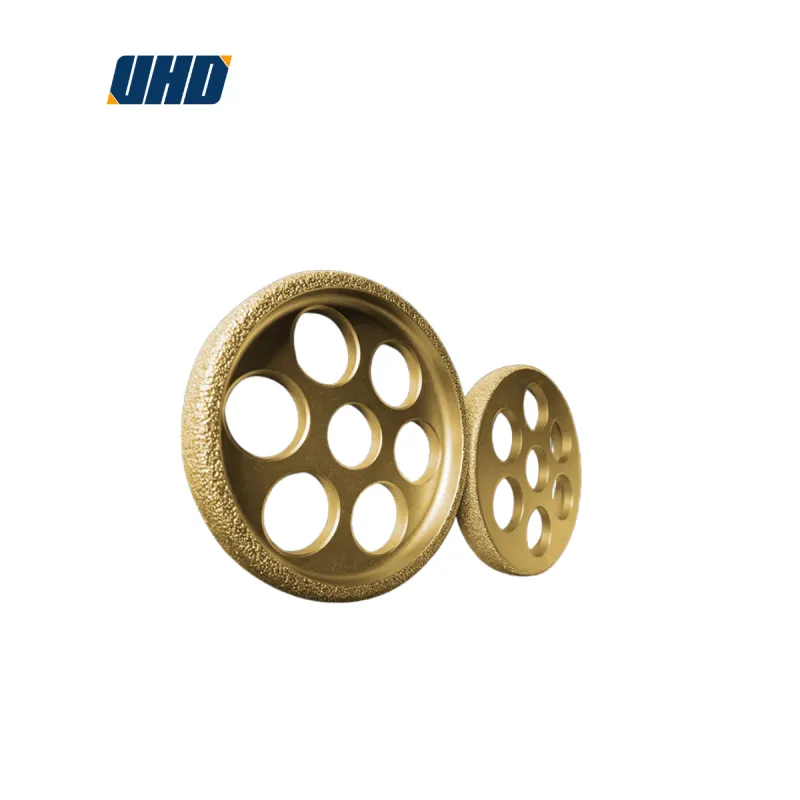
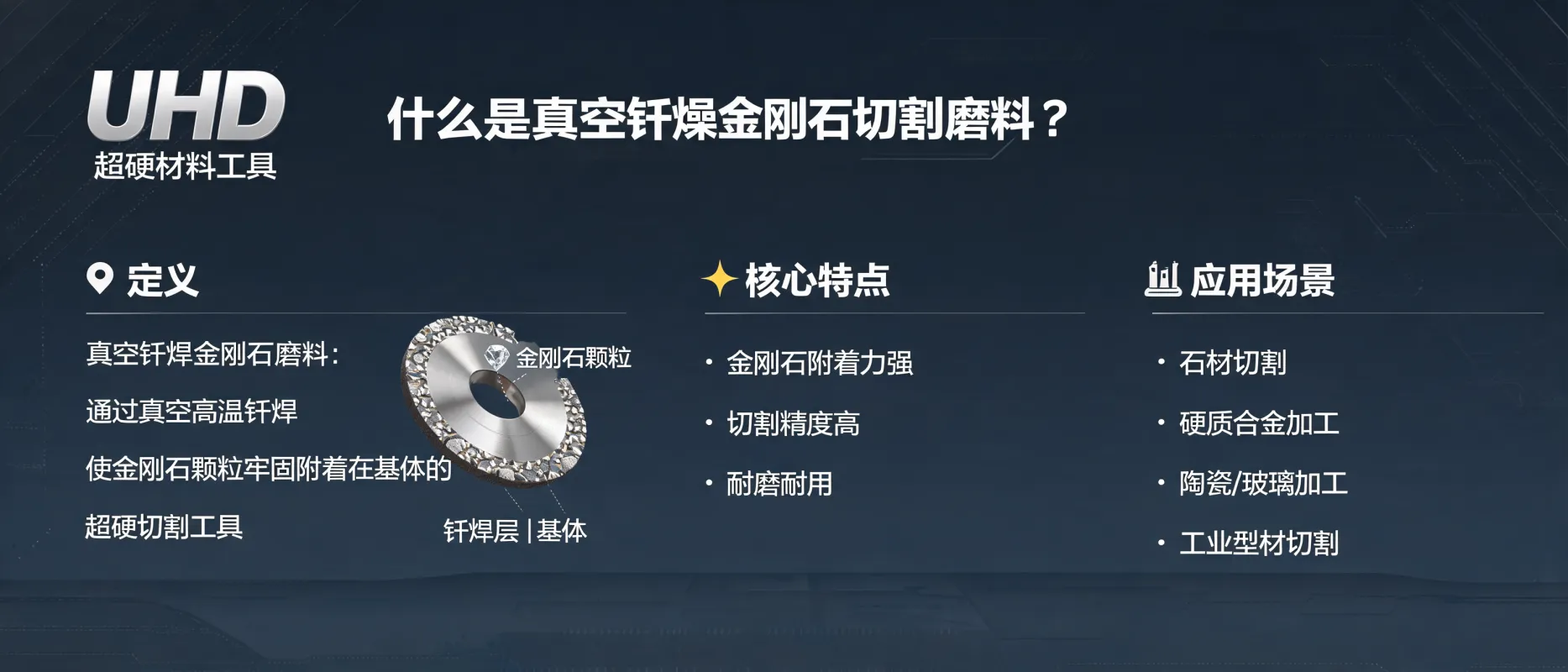
  • Special requirements for brazed diamond abrasives or tool form factors

A practical selection approach used by industrial buyers

  1. Define the application: workpiece, process goal, required finish/tolerance, and constraints.
  2. Document operating conditions: speed/heat, coolant, vibration/runout, machine power, and clamping stability.
  3. Choose a suitable model path: standard tool first, then adjust geometry/bond/abrasive design if mismatch appears.
  4. Evaluate total cost: service life, downtime, rework, and sourcing/lead-time risk—not unit price alone.

How UHD supports practical, lower-risk sourcing

UHD Ultrahard Tools Co., Ltd focuses on R&D, manufacturing, and B2B supply of ultrahard material tools—including diamond tools, abrasives, and customized brazed diamond abrasives—serving metalworking and stone-processing scenarios. We collaborate with research partners such as Henan University of Technology to strengthen product development and application understanding.

What you can expect in communication

  • Clear confirmation of application requirements before recommending a tool path
  • Discussion centered on operating conditions and mismatch prevention
  • B2B export service workflow aligned with industrial purchasing needs

Information that helps reduce mismatch

  • Workpiece material and typical hardness/abrasiveness range (if available)
  • Process type (cutting/grinding), target output, and surface/accuracy expectations
  • Machine parameters: RPM, power, coolant, and stability notes (runout/vibration)
  • Current pain points: wear, chipping, burning, downtime, or quality variation

Purchasing reminder: When comparing ultrahard tools, prioritize application fit (operating conditions), total cost over service life (wear + downtime + rework), and model suitability (standard vs. application-fit/customized options). This approach typically reduces sourcing mistakes and improves real-world performance consistency.

If you are reviewing ultrahard tool options for a specific production line, align the specification discussion around your process conditions first—then compare solutions by stability and service-life cost. UHD is ready to support industrial buyers with a practical, application-driven selection conversation.

Name *
Email *
Message*

Recommended Products

Related Reading

UHD | How EN 13465 Dust Limits Shape Diamond Wheel Choice in Safe Machining

2026-03-05 | https://shmuker.oss-accelerate.aliyuncs.com/tmp/temporary/60ec5bd7f8d5a86c84ef79f2/60ec5bdcf8d5a86c84ef7a9a/20240305161110/eye.png 52 | https://shmuker.oss-accelerate.aliyuncs.com/tmp/temporary/60ec5bd7f8d5a86c84ef79f2/60ec5bdcf8d5a86c84ef7a9a/20240305160636/lable.png diamond grinding wheels EN 13465 dust limit mechanical processing safety CE certified grinding tools industrial abrasive standards

Vacuum Brazed Diamond Cutting Abrasive: Definition, Key Features, and Where It Fits

2026-05-31 | https://shmuker.oss-accelerate.aliyuncs.com/tmp/temporary/60ec5bd7f8d5a86c84ef79f2/60ec5bdcf8d5a86c84ef7a9a/20240305161110/eye.png 392 | https://shmuker.oss-accelerate.aliyuncs.com/tmp/temporary/60ec5bd7f8d5a86c84ef79f2/60ec5bdcf8d5a86c84ef7a9a/20240305160636/lable.png UHD Ultrahard Tools Co., Ltd vacuum brazed diamond cutting abrasive superhard tools definition and applications industrial tool selection

How to Choose Ultrahard Tools for Industrial Machining: Diamond Tools, Abrasives, and Vacuum Brazed Solutions

2026-05-22 | https://shmuker.oss-accelerate.aliyuncs.com/tmp/temporary/60ec5bd7f8d5a86c84ef79f2/60ec5bdcf8d5a86c84ef7a9a/20240305161110/eye.png 102 | https://shmuker.oss-accelerate.aliyuncs.com/tmp/temporary/60ec5bd7f8d5a86c84ef79f2/60ec5bdcf8d5a86c84ef7a9a/20240305160636/lable.png UHD Ultrahard Tools Co., Ltd ultrahard tool selection guide diamond tools abrasives and grinding tools vacuum brazed diamond

Superhard Material Tools 101: Diamond Tools, Abrasives, and Vacuum-Brazed Solutions

2026-05-27 | https://shmuker.oss-accelerate.aliyuncs.com/tmp/temporary/60ec5bd7f8d5a86c84ef79f2/60ec5bdcf8d5a86c84ef7a9a/20240305161110/eye.png 467 | https://shmuker.oss-accelerate.aliyuncs.com/tmp/temporary/60ec5bd7f8d5a86c84ef79f2/60ec5bdcf8d5a86c84ef7a9a/20240305160636/lable.png UHD Ultrahard Tools Co., Ltd superhard material tools diamond tools abrasives and grinding tools vacuum brazed diamond

How to Extend the Life of Brazed Diamond Grinding Wheels | UHD Industrial Solutions

2026-03-05 | https://shmuker.oss-accelerate.aliyuncs.com/tmp/temporary/60ec5bd7f8d5a86c84ef79f2/60ec5bdcf8d5a86c84ef7a9a/20240305161110/eye.png 82 | https://shmuker.oss-accelerate.aliyuncs.com/tmp/temporary/60ec5bd7f8d5a86c84ef79f2/60ec5bdcf8d5a86c84ef7a9a/20240305160636/lable.png brazed diamond grinding wheel stainless steel grinding diamond wheel maintenance grinding wheel longevity stainless steel研磨技巧
Popular articles
营销主题配图_1752547245749.jpg
配图_1779768093356.jpg
配图_1780179947753.jpg
配图_1781472349667.jpg
配图_1779940248815.jpg
营销主题配图_1753252818331.jpg
配图_1780081857658.jpg
营销主题配图_1751964309222.jpg
营销主题配图_1752805813370.jpg
营销主题配图_1753252832747.jpg
Recommended Reading
Contact us
Contact us
https://shmuker.oss-accelerate.aliyuncs.com/tmp/temporary/60ec5bd7f8d5a86c84ef79f2/60ec5bdcf8d5a86c84ef7a9a/thumb-prev.png