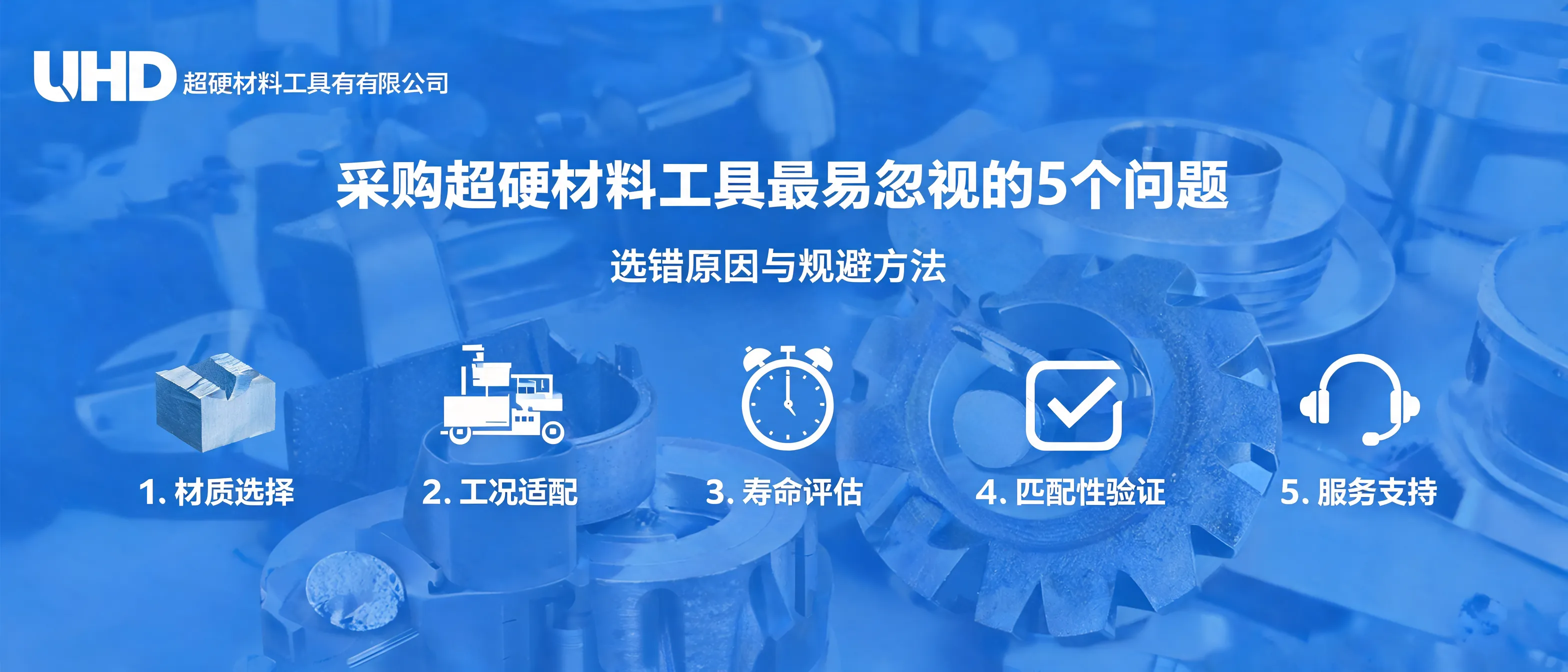
In industrial procurement, ultrahard material tools are often sourced under tight production timelines and complex working conditions. The result is predictable: selection mistakes that do not show up on day one, but later appear as premature wear, unstable performance, unexpected downtime, or rising per-part cost.
UHD Ultrahard Tools Co., Ltd summarizes five commonly overlooked procurement risks—and practical ways to avoid wrong selection—based on the realities of metalworking, stone processing, and other industrial applications where diamond tools, abrasives, and brazed diamond products are used.
A common sourcing pitfall is treating ultrahard tools as interchangeable. In practice, performance depends heavily on selecting the right material system and grade for your target: the workpiece type, required surface quality, removal rate, and cost structure.
Even the right tool type can perform poorly if working conditions are misread. Procurement documents often describe nominal parameters, while the shop floor introduces variability—coolant behavior, machine stability, clamping rigidity, or operator habits.
“Tool life” is frequently evaluated with a single metric—such as hours used or pieces processed—without defining failure mode and quality thresholds. This can distort comparisons between suppliers and cause repeated re-buy of the wrong specification.
| Evaluation item | What to define | Why it matters |
|---|---|---|
| Failure mode | Wear limit, chipping, glazing, burn marks, loss of cutting ability | Different modes imply different material/grade and process adjustments |
| Quality threshold | Surface finish requirement, dimensional tolerance, edge integrity | A tool can “last” longer but fail quality earlier |
| Operating parameters | Speed/feed, pressure, coolant settings, cycle time | Without parameter control, comparisons are not reliable |
| Cost per part (optional) | Tool cost + changeover time + scrap risk | A slightly higher-priced tool may reduce total cost in stable processes |
Practical tip: align on what counts as “end of life” before the trial starts—especially when comparing diamond tools and brazed diamond abrasives across suppliers.
Compatibility is often treated as “it mounts, so it works.” For ultrahard tools, hidden mismatches can show up in vibration, inconsistent cutting action, overheating, or accelerated wear—especially when different machines or consumables are involved.
Ultrahard tool procurement is not only a product decision; it is also a coordination decision. When tool selection is close to the process limit, a lack of technical support or slow feedback can prolong troubleshooting and increase downtime risk.
As a B2B-focused manufacturer and supplier, UHD Ultrahard Tools Co., Ltd emphasizes matching tool selection to the customer’s process context—helping buyers reduce avoidable selection risks through clearer inputs, more consistent evaluation criteria, and better cross-team alignment.
If you are comparing ultrahard material tools (including diamond tools, abrasives, and customized vacuum-brazed diamond products), preparing the following details makes supplier recommendations more accurate and reduces back-and-forth:
With these inputs, industrial buyers can identify procurement risk early and avoid unnecessary cost loss caused by wrong tool selection—before it reaches production.
.png?x-oss-process=image/resize,h_800,m_lfit/format,webp)
 99
|
99
|
 UHD Ultrahard Tools Co., Ltd
superhard material tools
diamond tools
abrasives and grinding tools
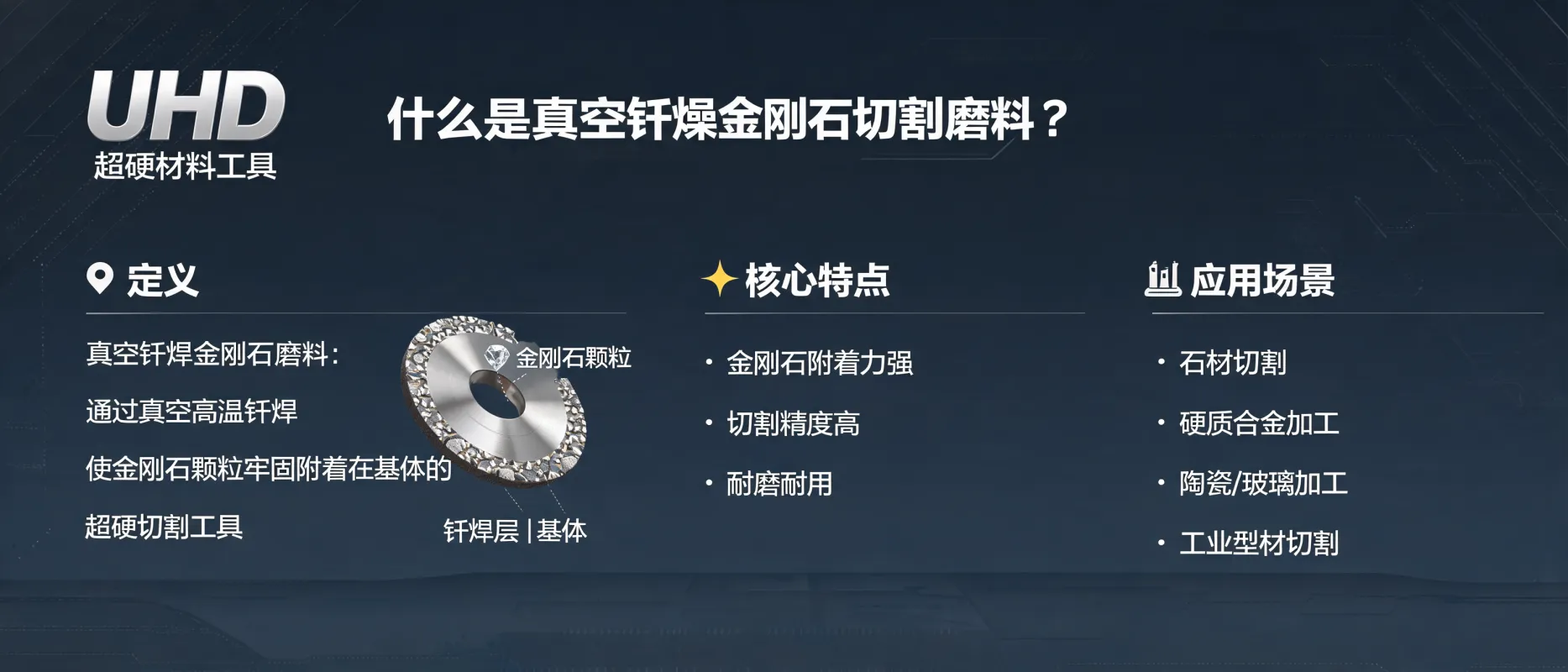
vacuum brazed diamond
439
|
UHD Ultrahard Tools Co., Ltd
ultrahard tooling industry trend
solution-based competition
B2B technical service
custom tooling and brazed diamond abrasives
374
|
UHD Ultrahard Tools Co., Ltd
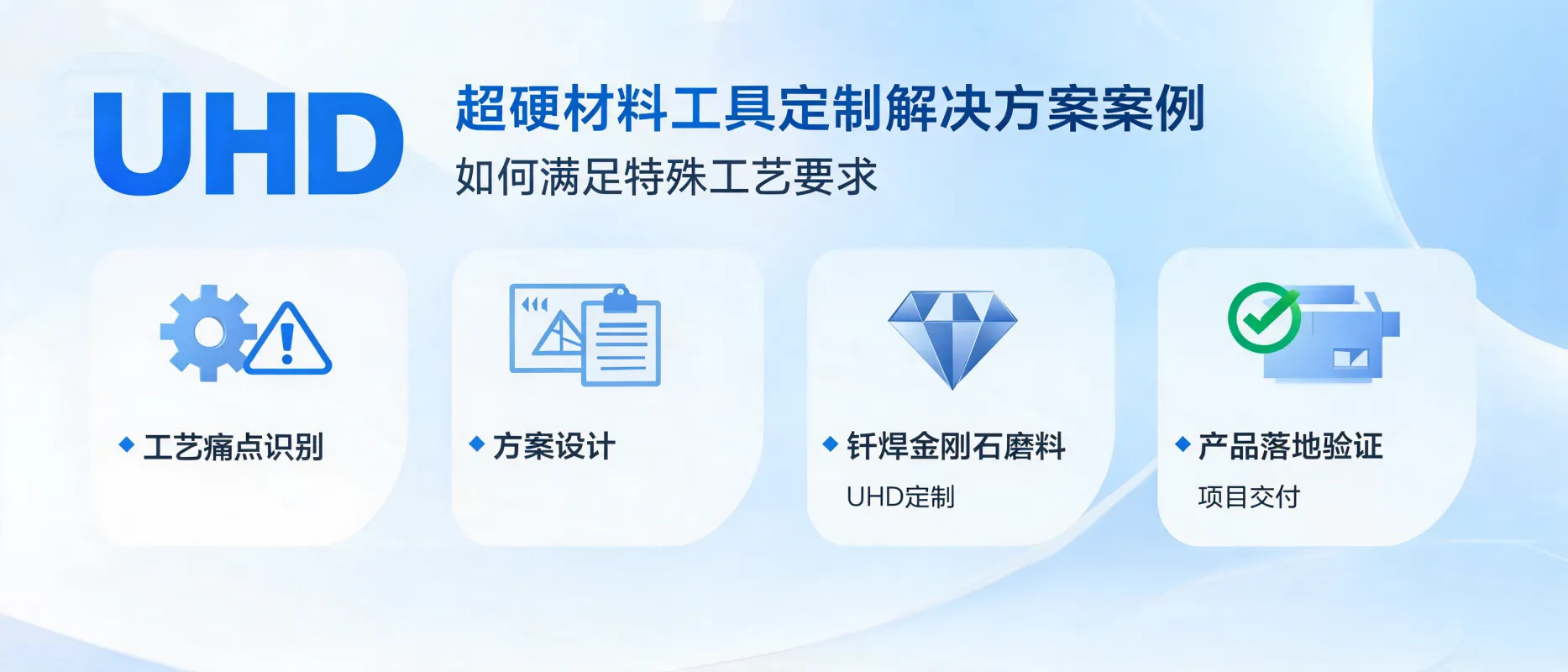
custom ultrahard tooling solution
brazed diamond abrasive tools
process pain points
project delivery and validation
100
|
UHD Ultrahard Tools Co., Ltd
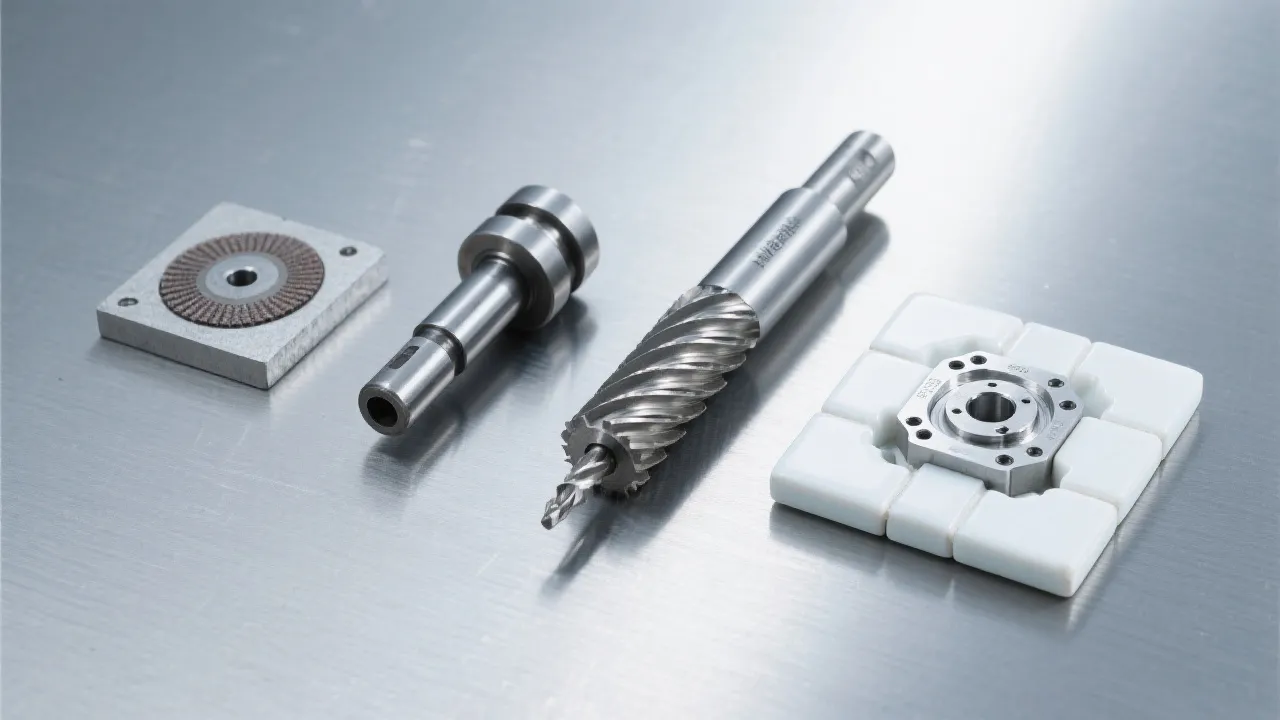
ultrahard material tools
industrial applications
machining stability
tool selection criteria
435
|
UHD Ultrahard Tools Co., Ltd
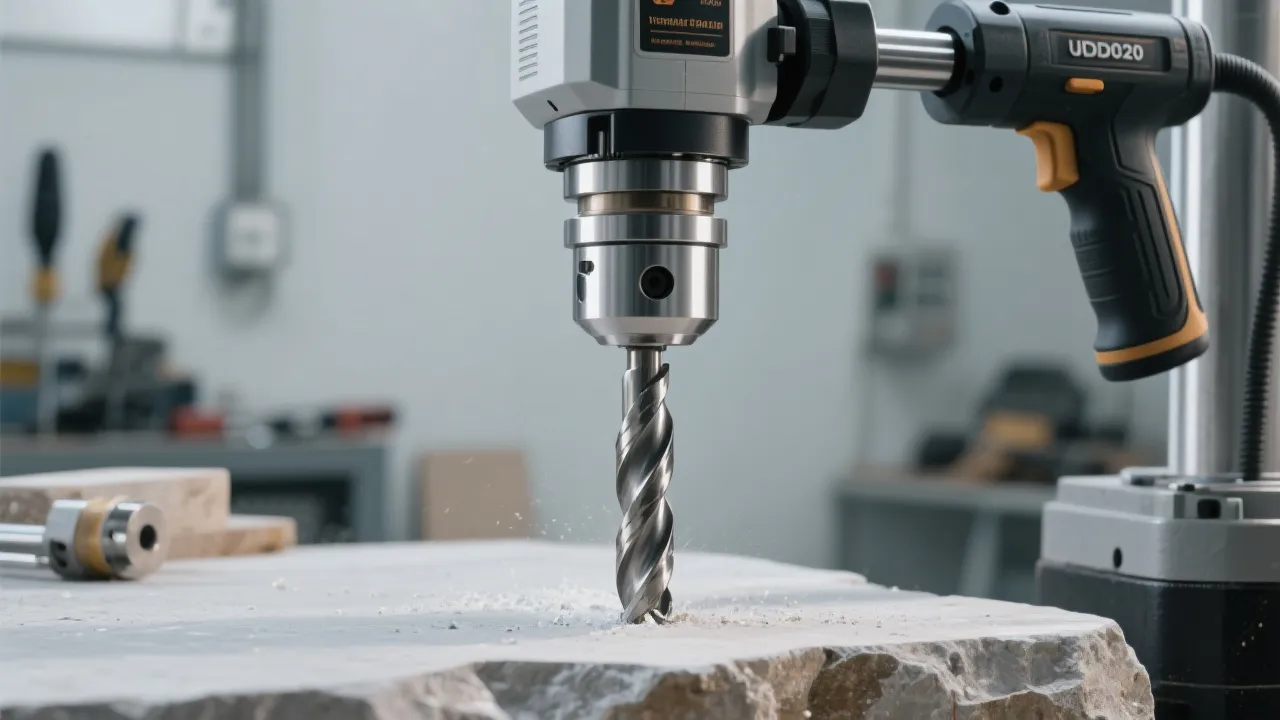
stone processing application case
cutting efficiency improvement
machining consistency
ultrahard material tools
UHD Ultrahard Tools Co., Ltd
superhard material tools
diamond tools
abrasives and grinding tools
vacuum brazed diamond
439
|
UHD Ultrahard Tools Co., Ltd
ultrahard tooling industry trend
solution-based competition
B2B technical service
custom tooling and brazed diamond abrasives
374
|
UHD Ultrahard Tools Co., Ltd
custom ultrahard tooling solution
brazed diamond abrasive tools
process pain points
project delivery and validation
100
|
UHD Ultrahard Tools Co., Ltd
ultrahard material tools
industrial applications
machining stability
tool selection criteria
435
|
UHD Ultrahard Tools Co., Ltd
stone processing application case
cutting efficiency improvement
machining consistency
ultrahard material tools






.png?x-oss-process=image/resize,h_100,m_lfit/format,webp)
.png?x-oss-process=image/resize,h_100,m_lfit/format,webp)
.png?x-oss-process=image/resize,h_100,m_lfit/format,webp)