

Procuring ultrahard material tools (diamond tools, abrasives, brazed diamond solutions, carbide-related applications) is rarely “buy once, done.” Most cost overruns come from trial-and-error, mismatched specifications, and unclear supplier capability.
Based on UHD Ultrahard Tools Co., Ltd’s experience in R&D, manufacturing, and B2B export service, the sections below summarize 5 common mistakes to avoid—and what industrial procurement teams should verify to reduce trial costs and improve decision-making efficiency.
Ultrahard tools can look similar on paper. The common pitfall is choosing based on a general label (e.g., “diamond tool” or “high-performance”) while skipping parameter matching to your actual process. The result is unstable performance, premature wear, or inconsistent finish.
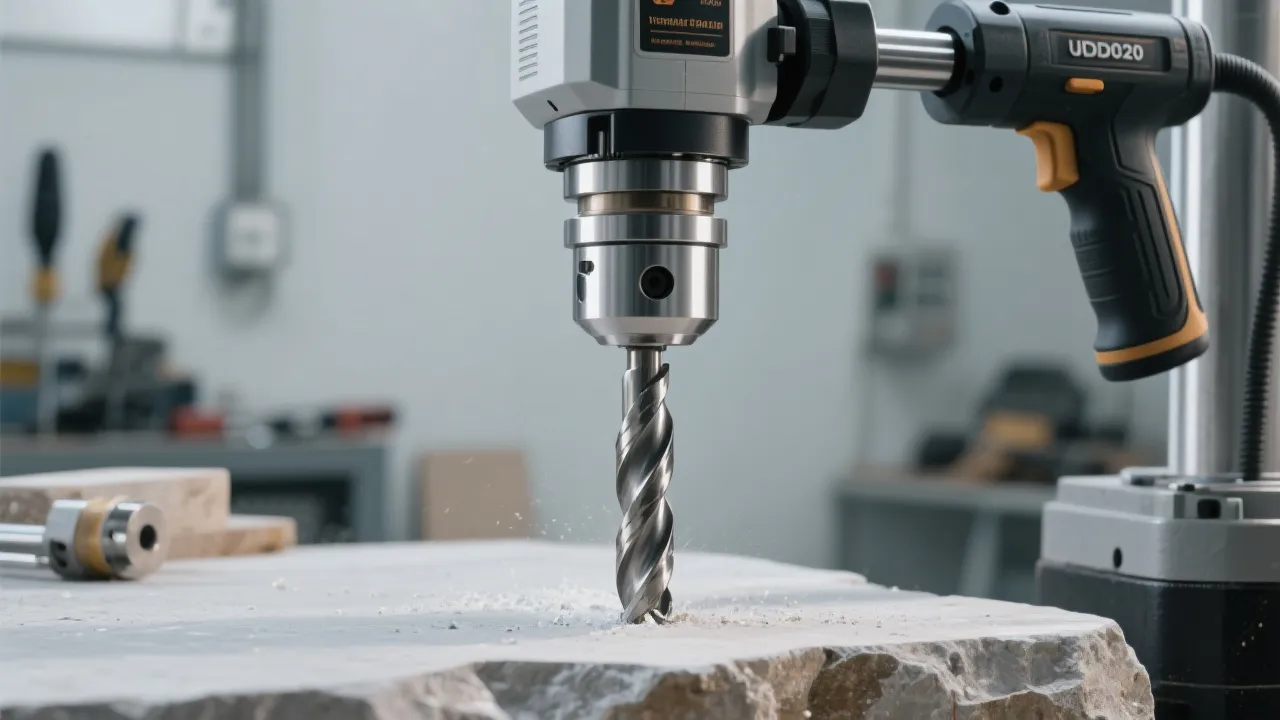
Even with “correct” parameters, performance may fail if the application scenario is not defined. Ultrahard tools are sensitive to heat, impact patterns, and debris removal—conditions that vary greatly between metal加工 and stone加工, and between wet and dry operations.
A supplier can only recommend a stable configuration when the use-case is explicit. Clear scenario inputs shorten sampling loops, reduce rework, and improve procurement decision efficiency without over-promising outcomes.
Two tools with similar appearance may come from different process routes and controls—affecting consistency, bonding reliability, and batch stability. Buyers often compare quotes without confirming process fit to the demanded working condition.
| What to check | Why it matters | How to verify |
|---|---|---|
| Manufacturing route (e.g., brazed diamond solutions where applicable) | Impacts retention, heat behavior, and consistency under load | Ask for process description and typical use-case boundaries |
| Incoming & in-process controls | Reduces batch deviation and unexpected tool behavior | Request QC checkpoints relevant to your spec and acceptance criteria |
| Consistency commitment (lot traceability) | Supports stable production planning and fewer line interruptions | Confirm labeling/traceability practices and replacement policy boundaries |
Procurement note: “Best price” can become the highest cost if the tool forces extra trials, rework, or downtime. Process fit is a core part of supplier capability evaluation.
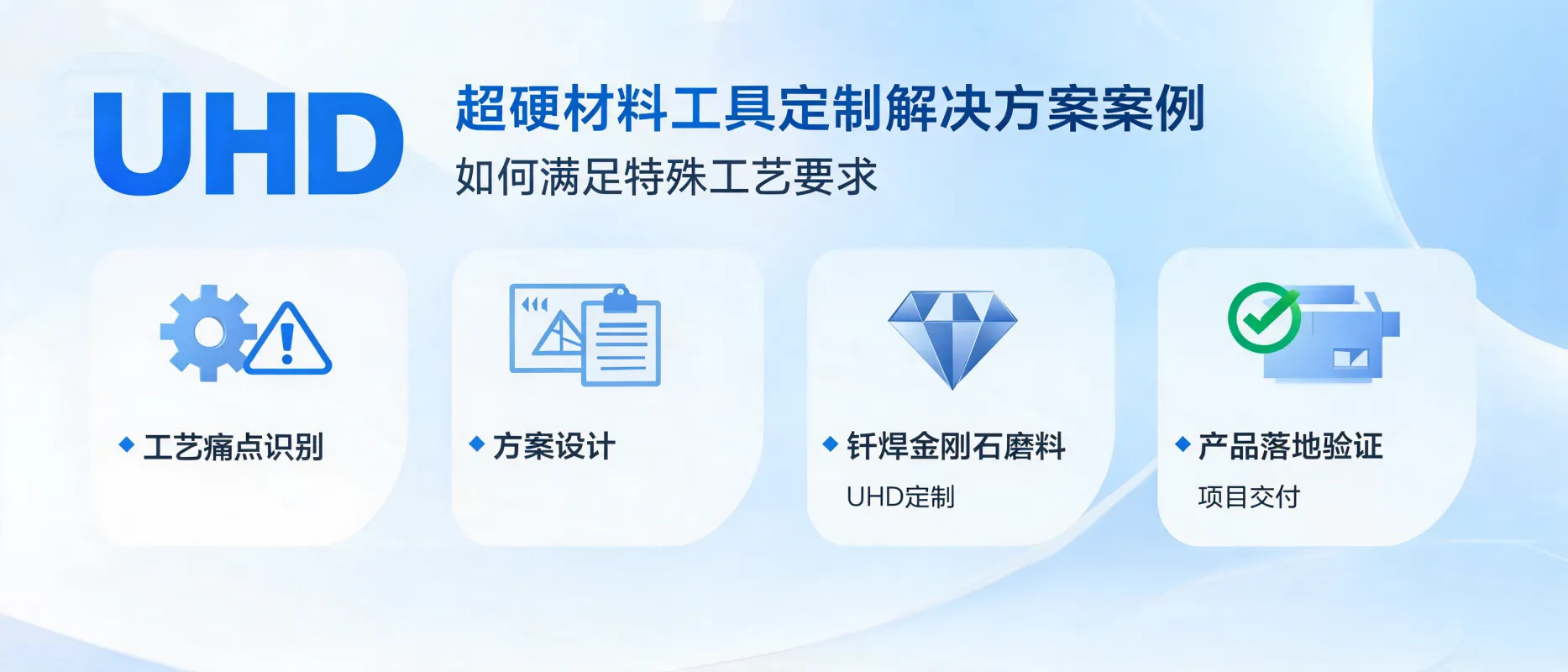
Many buyers need adjustments—dimensions, bonding approach, abrasive configuration, or application-driven design tweaks. A common mistake is to request “custom” changes without confirming whether the supplier has a structured customization workflow and the ability to validate feasibility.
UHD Ultrahard Tools Co., Ltd focuses on ultrahard tooling R&D and manufacturing, and collaborates with research partners such as Henan University of Technology. For B2B buyers, UHD typically aligns specifications to real application inputs and confirms feasibility before scaling.
Industrial procurement is not only about the first shipment. If the supply chain is unstable, or if there is no clear support path for technical feedback, small issues can turn into production disruption. This is a frequent sourcing mistake—especially when purchasing across borders.
Use this structure to help suppliers recommend the right ultrahard material tool configuration and speed up evaluation.
1) Application scenario: workpiece material, operation (cut/grind/drill), wet/dry, continuous/intermittent, machine model/basic capability.
2) Current issue: wear mode, chipping/burning, finish inconsistency, cycle-time limitation, or cost concern.
3) Target outcome: priority ranking (life / finish / speed / stability), acceptance criteria, constraints.
4) Supplier capability questions: process route, QC checkpoints, customization workflow, traceability, lead time & support path.
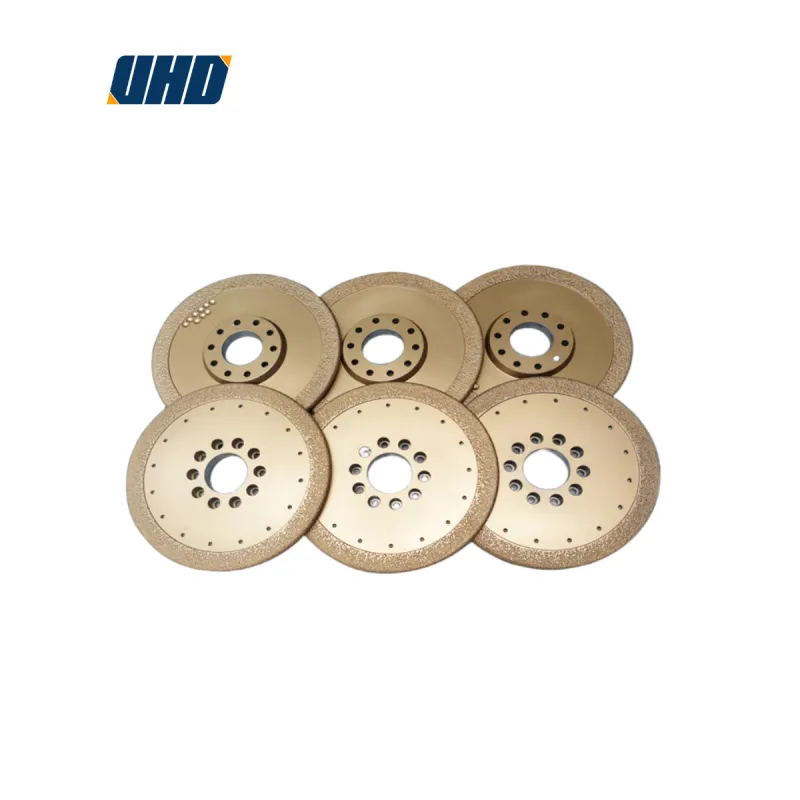
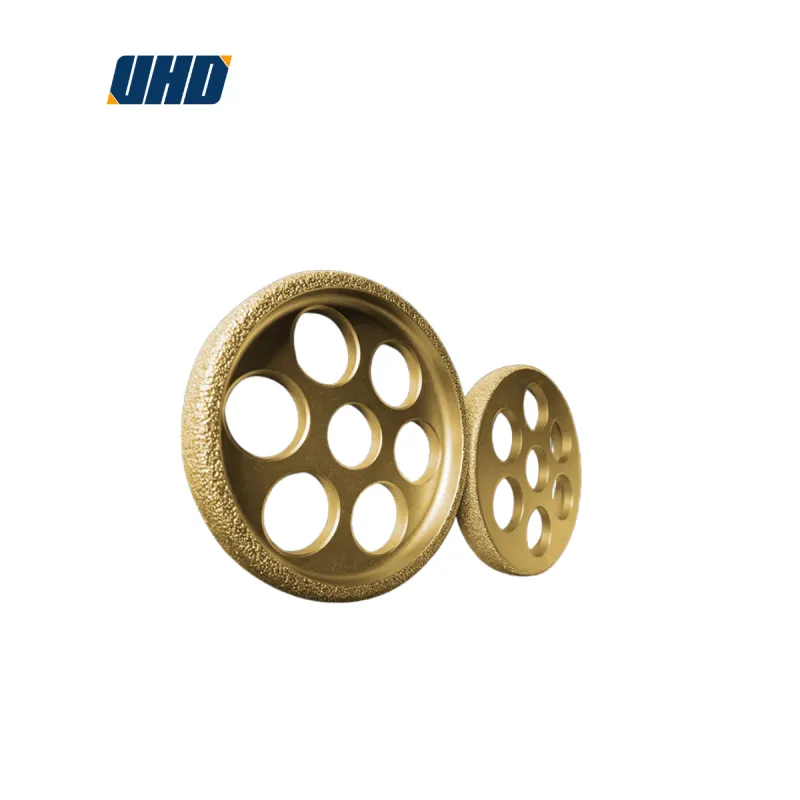
UHD is a high-tech enterprise focused on the development, production, and sales of ultrahard material tools, serving industrial markets with diamond tools, abrasives, and customized brazed diamond abrasive solutions. UHD’s approach emphasizes quality-driven manufacturing and application-oriented selection to help buyers align tools to real process conditions.
If you share your application scenario and required parameters, UHD can support a structured evaluation discussion—covering parameter matching, process fit, supply stability, customization feasibility, and after-sales coordination—so your team can make a clearer, lower-risk procurement decision.
.png?x-oss-process=image/resize,h_800,m_lfit/format,webp)

 117
|
117
|
 UHD Ultrahard Tools Co., Ltd
vacuum brazed diamond cutting abrasives
ultrahard material tools
applications in metalworking and stone processing
definition and application boundaries
374
|
UHD Ultrahard Tools Co., Ltd
custom ultrahard tooling solution
brazed diamond abrasive tools
process pain points
project delivery and validation
447
|
brazed diamond grinding disc
electroplated diamond disc
active brazing metallurgical bond
diamond grit retention
high temperature wear resistance
202
|
UHD Ultrahard Tools Co., Ltd
scenario-based solutions
ultrahard tools
industrial tool procurement
tool specifications
231
|
UHD Ultrahard Tools Co., Ltd
ultrahard material tools
diamond tools
vacuum brazed diamond abrasives
abrasives and grinding tools
UHD Ultrahard Tools Co., Ltd
vacuum brazed diamond cutting abrasives
ultrahard material tools
applications in metalworking and stone processing
definition and application boundaries
374
|
UHD Ultrahard Tools Co., Ltd
custom ultrahard tooling solution
brazed diamond abrasive tools
process pain points
project delivery and validation
447
|
brazed diamond grinding disc
electroplated diamond disc
active brazing metallurgical bond
diamond grit retention
high temperature wear resistance
202
|
UHD Ultrahard Tools Co., Ltd
scenario-based solutions
ultrahard tools
industrial tool procurement
tool specifications
231
|
UHD Ultrahard Tools Co., Ltd
ultrahard material tools
diamond tools
vacuum brazed diamond abrasives
abrasives and grinding tools







.png?x-oss-process=image/resize,h_100,m_lfit/format,webp)
.png?x-oss-process=image/resize,h_100,m_lfit/format,webp)
.png?x-oss-process=image/resize,h_100,m_lfit/format,webp)