

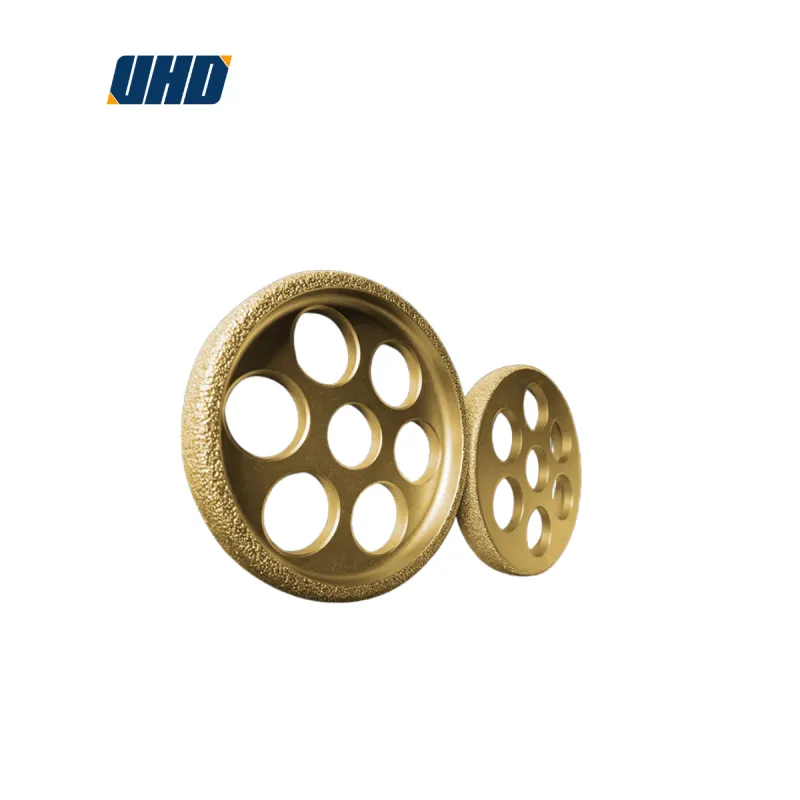
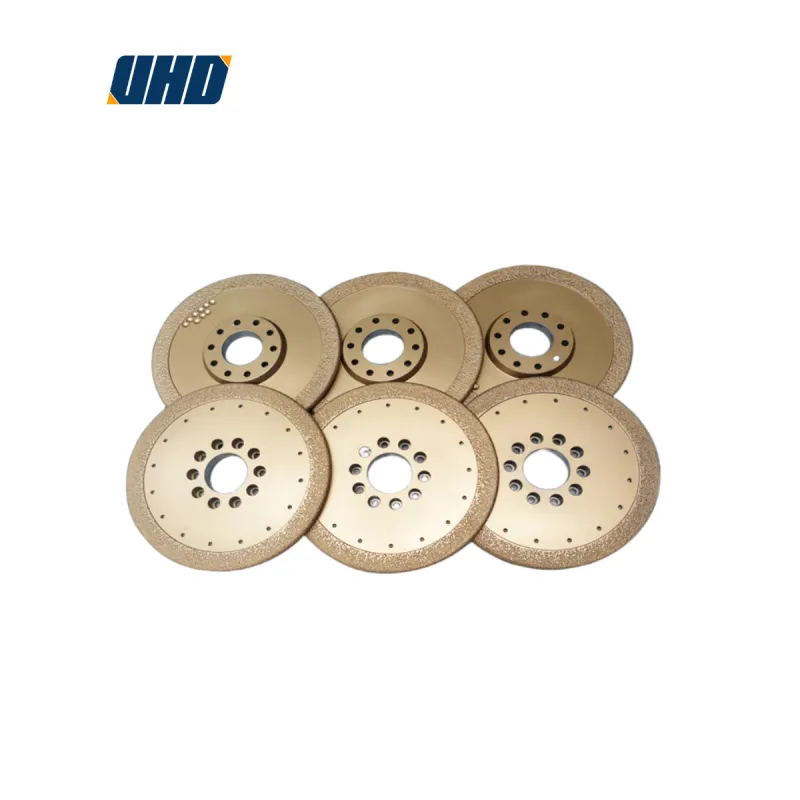
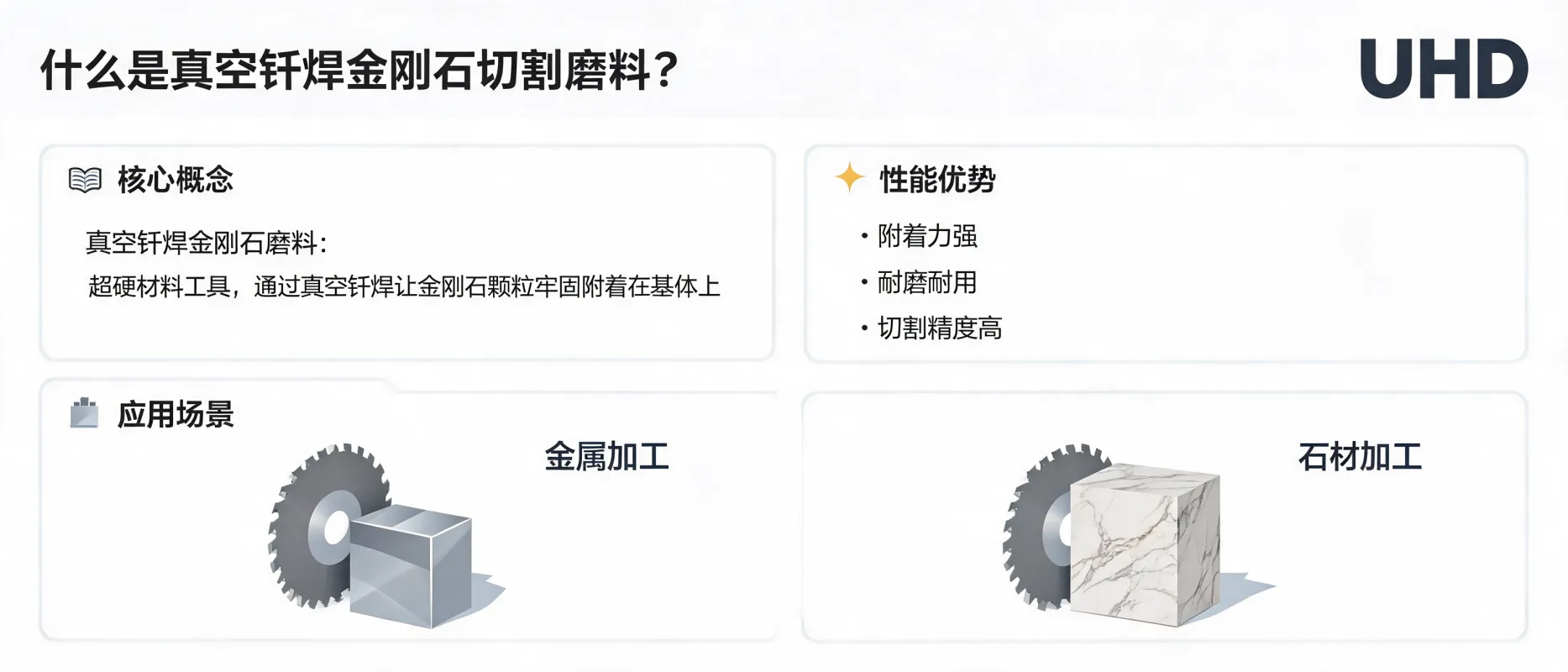
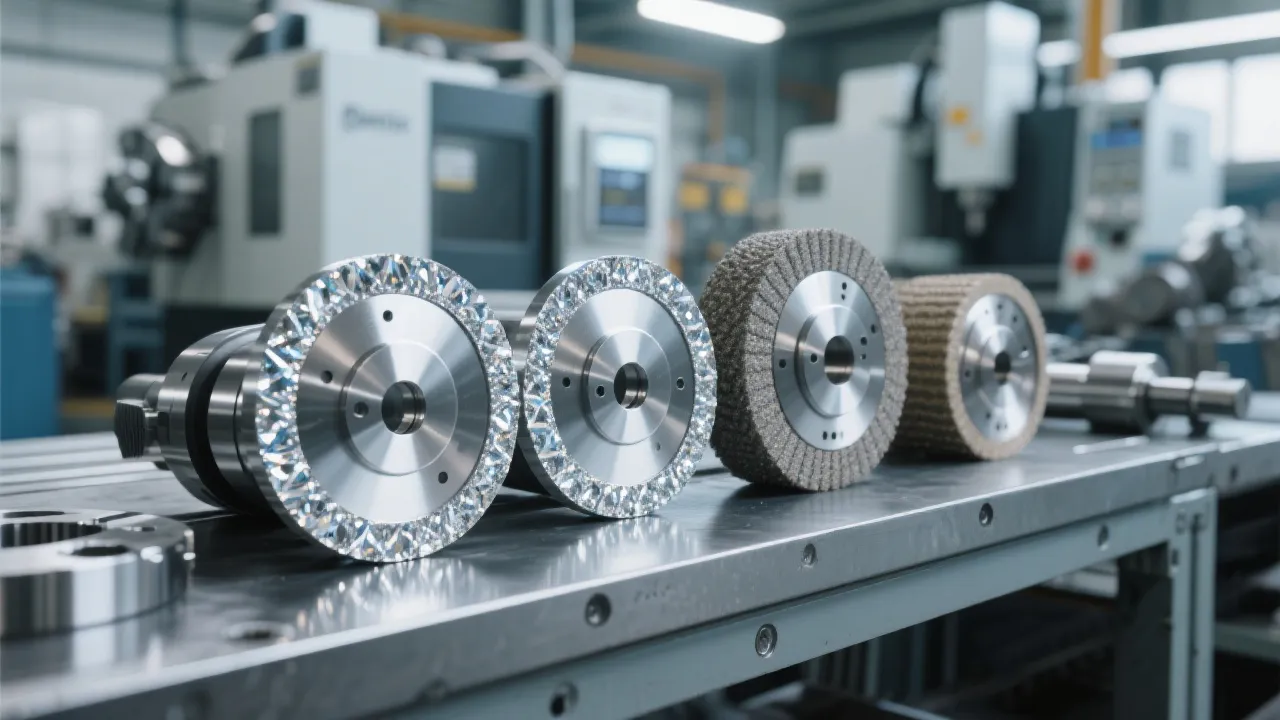
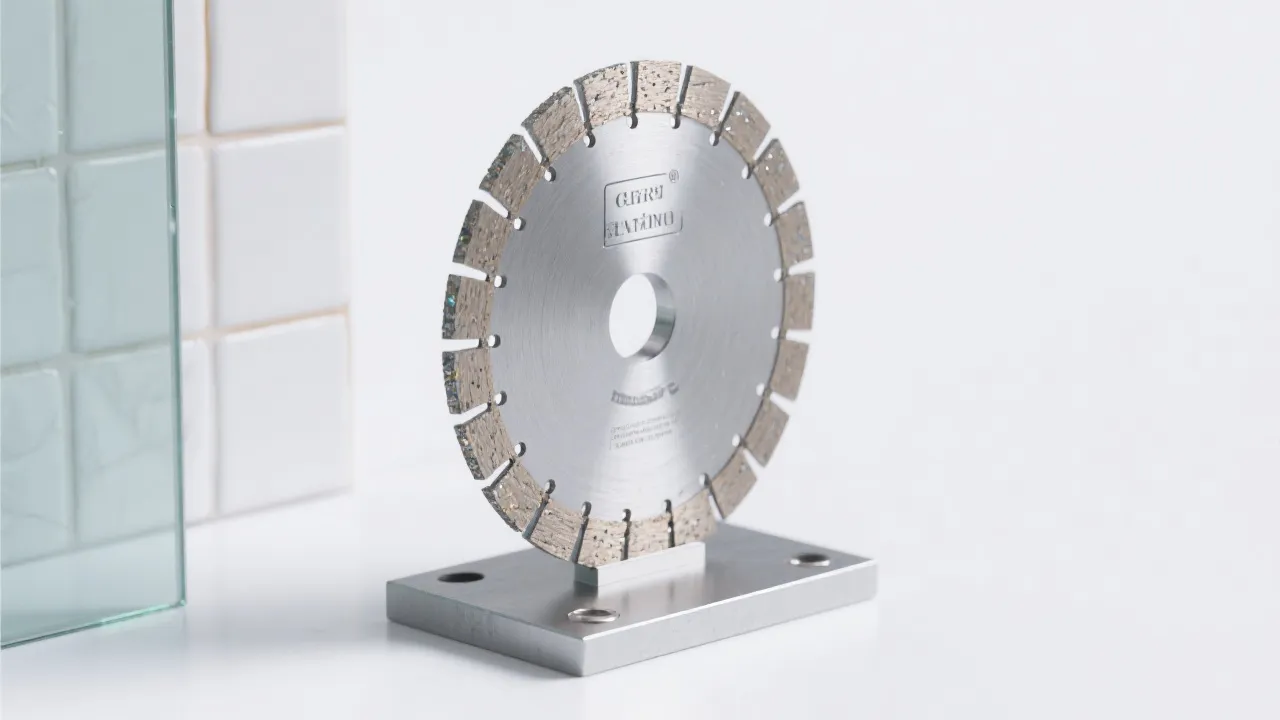
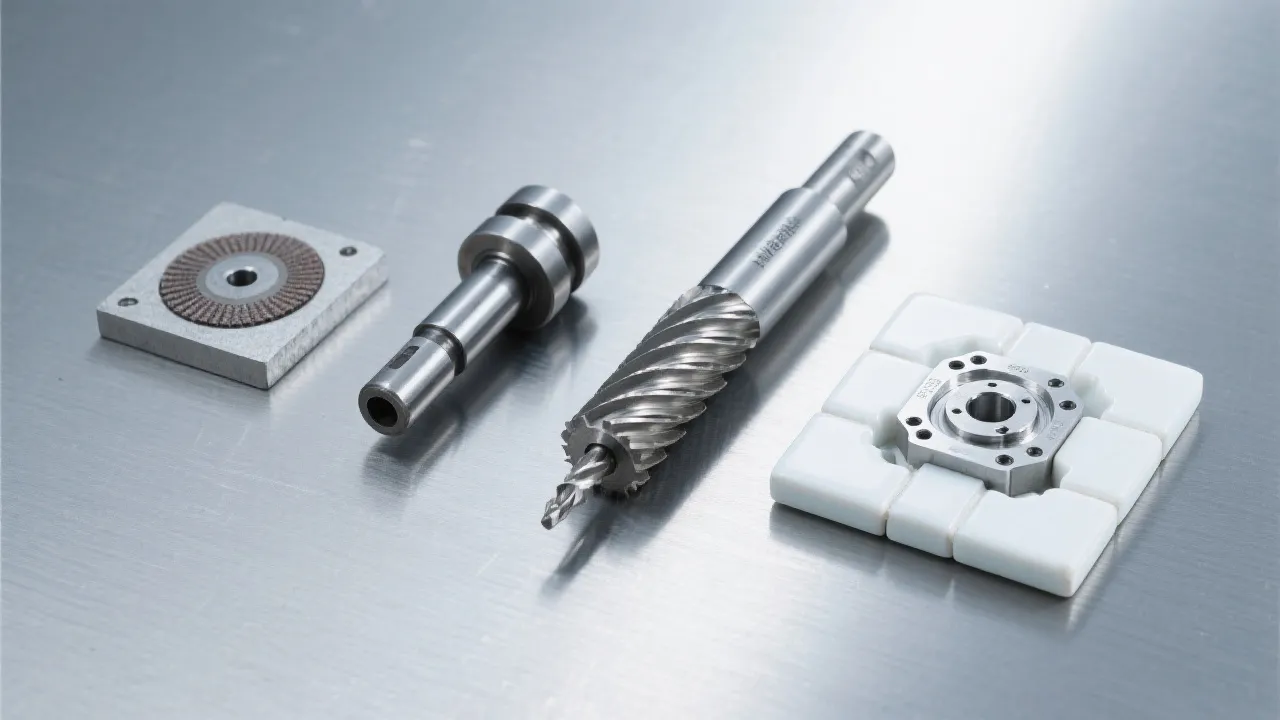
Vacuum brazed diamond abrasives are widely used in industrial cutting and grinding where stable removal and predictable wear are essential. This page from UHD Ultrahard Tools Co., Ltd summarizes practical pre-use inspection and operating essentials—with a focus on installation fit, machine/tool/workpiece compatibility, stable operation, and basic maintenance—to help reduce abnormal wear and improve consistency.
Note: Many abnormal wear issues start with mounting fit (dirty contact faces, burrs, incorrect flange contact) rather than the abrasive itself. A clean, flat interface supports stable operation.
For vacuum brazed diamond abrasives, compatibility is a practical combination of tool form, workpiece material, and machine stability. A mismatch can lead to glazing, excessive heat, chipping, or uneven wear.
| Compatibility Point | What to Confirm | Why It Matters |
|---|---|---|
| Tool-to-machine interface | Bore/thread size, flange type, mounting direction, available guarding | Incorrect fit increases runout and vibration, accelerating abnormal wear |
| Workpiece material | Material type, hardness range, presence of coatings/scale, required surface finish | Different materials load and heat the abrasive differently; mismatch reduces consistency |
| Process mode | Cutting vs. grinding, continuous vs. intermittent contact, dry vs. wet (if applicable) | Determines heat build-up and chip evacuation; affects wear behavior |
| Machine stability | Spindle rigidity, fixture stability, workholding, vibration level | Instability can cause edge chipping and uneven wear patterns |
If you are unsure about compatibility, prepare key information for review (machine model/interface, tool type/size, workpiece material, and your operation mode). UHD can better support selection and guidance when these inputs are clear.
Basic maintenance is not complex, but it must be consistent. Good habits help protect the vacuum brazed diamond abrasive layer and keep installation fit reliable over repeated cycles.
These checks and operating steps are intended for production environments using vacuum brazed diamond abrasives for cutting/grinding tasks where consistent output and controlled wear are important.
As a high-tech manufacturer focused on ultrahard material tooling, UHD Ultrahard Tools Co., Ltd works with industrial customers in B2B supply and application guidance. With clear process inputs (machine interface, workpiece material, and operating mode), we can support selection alignment and practical use recommendations.
Recommended information to prepare for inquiry: abrasive type/size and mounting style, machine spindle/interface details, workpiece material and process objective (cutting or grinding), and any observed symptoms (vibration, loading, uneven wear).
This guidance focuses on practical inspection, installation compatibility, stable operation, and basic maintenance for vacuum brazed diamond abrasives. Always follow your machine’s safety requirements and site operating procedures.

.png?x-oss-process=image/resize,h_800,m_lfit/format,webp)
 374
|
374
|
 UHD Ultrahard Tools Co., Ltd
vacuum brazed diamond cutting abrasive
ultrahard tools
metalworking cutting and grinding
stone processing abrasives
447
|
brazed diamond grinding disc
electroplated diamond disc
active brazing metallurgical bond
diamond grit retention
high temperature wear resistance
271
|
UHD Ultrahard Tools Co., Ltd
vacuum brazed diamond cutting abrasives
superhard tools
performance features
industrial cutting and machining applications
202
|
UHD Ultrahard Tools Co., Ltd
scenario-based solutions
ultrahard tools
industrial tool procurement
tool specifications
460
|
gray cast iron grinding wheel selection
vacuum brazed diamond grinding wheel
diamond wheel grit size for cast iron
low dust cast iron grinding
CE compliance grinding tools
UHD Ultrahard Tools Co., Ltd
vacuum brazed diamond cutting abrasive
ultrahard tools
metalworking cutting and grinding
stone processing abrasives
447
|
brazed diamond grinding disc
electroplated diamond disc
active brazing metallurgical bond
diamond grit retention
high temperature wear resistance
271
|
UHD Ultrahard Tools Co., Ltd
vacuum brazed diamond cutting abrasives
superhard tools
performance features
industrial cutting and machining applications
202
|
UHD Ultrahard Tools Co., Ltd
scenario-based solutions
ultrahard tools
industrial tool procurement
tool specifications
460
|
gray cast iron grinding wheel selection
vacuum brazed diamond grinding wheel
diamond wheel grit size for cast iron
low dust cast iron grinding
CE compliance grinding tools




.png?x-oss-process=image/resize,h_100,m_lfit/format,webp)
.png?x-oss-process=image/resize,h_100,m_lfit/format,webp)
.png?x-oss-process=image/resize,h_100,m_lfit/format,webp)