
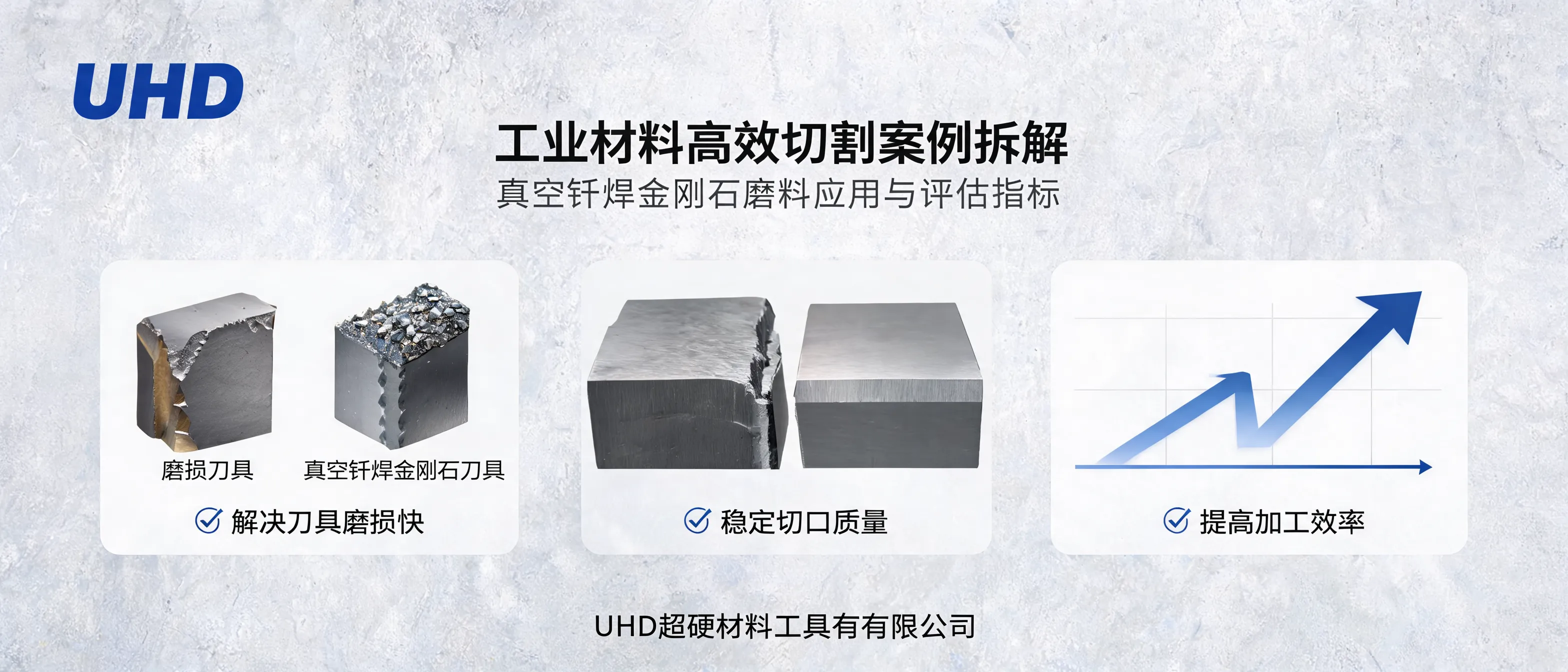
This page provides an application case breakdown for vacuum brazed diamond abrasives used in high-efficiency industrial material cutting. It focuses on how UHD Ultrahard Tools Co., Ltd (UHD) configures abrasive design according to material properties, equipment conditions, and process requirements—to help address common shop-floor challenges such as rapid tool wear, unstable kerf quality, and frequent tool replacement.
As a B2B manufacturer specializing in superhard material tools, UHD supports industrial users with product selection, process matching, and technical communication for practical cutting scenarios in metalworking and stone processing.
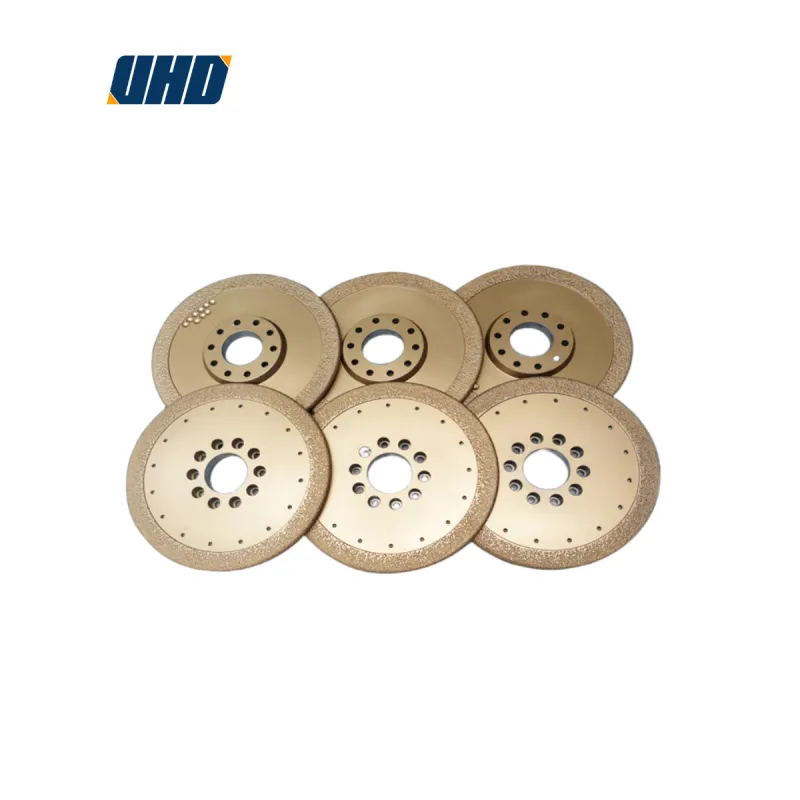
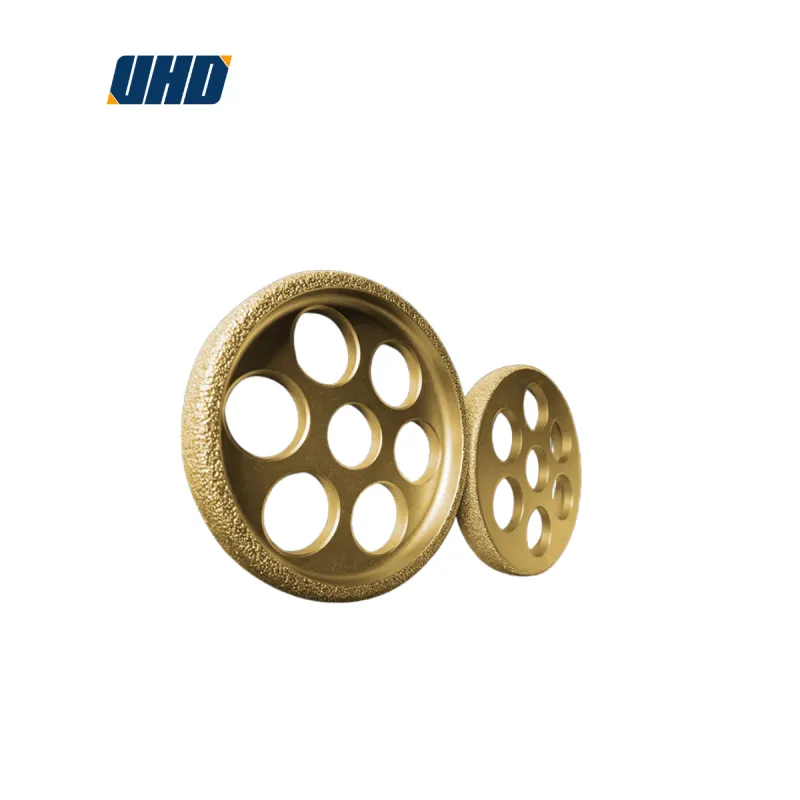
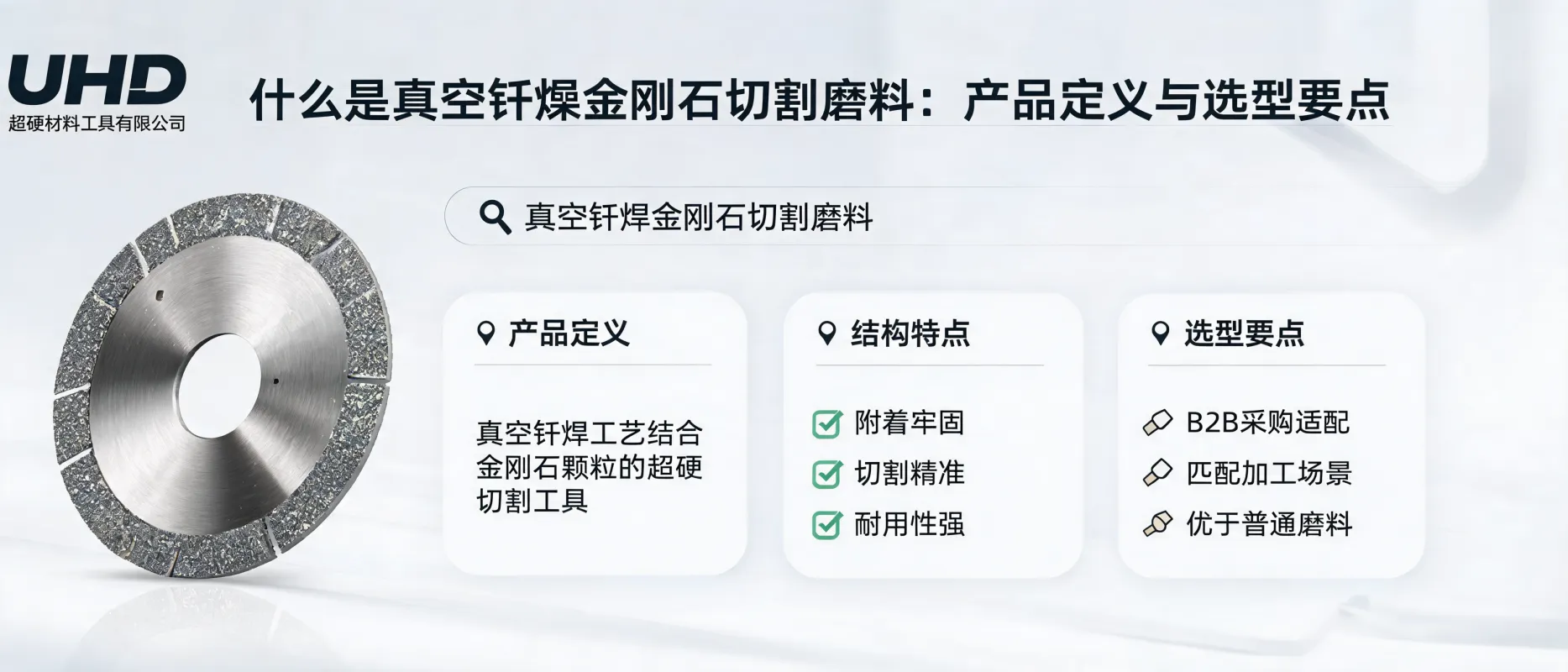
Vacuum brazing creates a strong metallurgical bond between diamond grains and the tool body. In many industrial cutting operations, this bonding approach is selected to support high cutting efficiency while maintaining tool integrity under demanding conditions (hard/abrasive materials, intermittent loads, and long duty cycles).
In industrial material cutting, the “problem” is rarely the abrasive alone. The most common failures happen at the intersection of material behavior, machine capability, and process window. The case discussed on this page highlights these recurring issues:
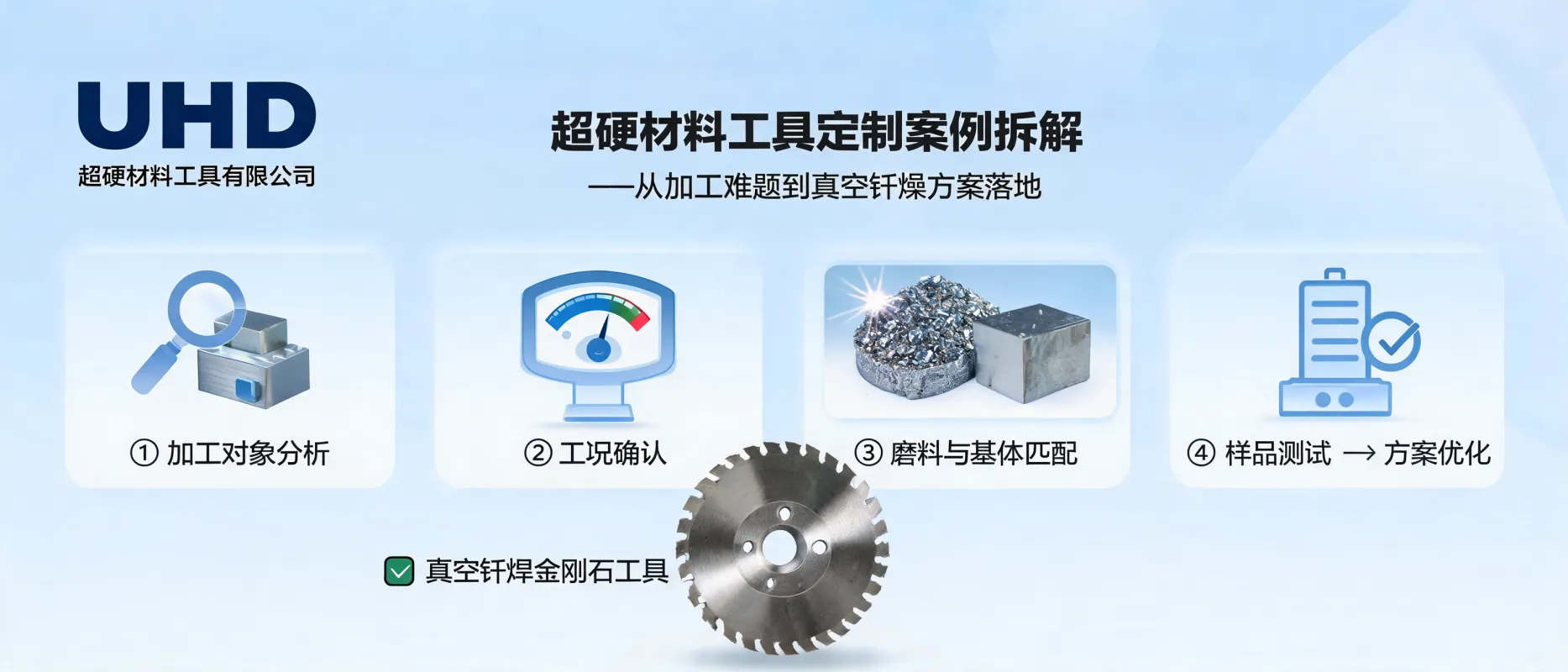
UHD’s configuration method for vacuum brazed diamond abrasives follows a practical matching principle: choose and tune the abrasive/bond structure based on what the material and the machine will actually allow, then confirm the process targets with measurable metrics.
| Input Factor | What UHD Reviews | Why It Matters |
|---|---|---|
| Material properties | Hardness/abrasiveness tendency, cutting behavior, heat sensitivity (as applicable) | Determines grain selection direction and wear-control priorities |
| Machine conditions | Power reserve, spindle speed range, rigidity, runout, allowable vibration | Sets the safe operating window and kerf stability baseline |
| Cooling & debris removal | Wet/dry condition, coolant delivery, chip evacuation, dust control constraints | Impacts heat load, glazing risk, and consistency across long runs |
| Process targets | Priority between throughput, kerf quality, and tool life; acceptable variation range | Aligns selection to measurable outcomes—not assumptions |
Practical note: In UHD’s case analysis, the same abrasive can behave very differently when the spindle speed range, rigidity, or cooling condition changes. Configuration is therefore validated against the actual operating window.
To avoid subjective judgments, the case uses clear evaluation metrics that can be tracked during production. These indicators help compare different configurations and confirm whether the cutting process is stable.
Track wear trend under the same cutting window to judge life stability and abnormal wear.
Observe whether throughput remains consistent during long runs and across batches.
Check kerf width/finish variation to identify vibration, thermal drift, or engagement instability.
Measure tool change frequency to understand downtime drivers and inventory planning.
UHD Ultrahard Tools Co., Ltd develops and supplies superhard material tools, including vacuum brazed diamond abrasives, for industrial customers. The company combines manufacturing capability with application-oriented communication to help align tool configuration with real equipment and process constraints.
If you are evaluating vacuum brazed diamond abrasives for an industrial cutting line and need a configuration aligned with your material, machine window, and kerf quality target, UHD can support you with a practical selection and verification workflow based on measurable performance indicators.
.png?x-oss-process=image/resize,h_800,m_lfit/format,webp)
 331
|
331
|
 UHD Ultrahard Tools Co., Ltd
ultrahard cutting abrasive selection
diamond cutting abrasives
industrial tool procurement
tool parameter checklist
503
|
UHD Ultrahard Tools Co., Ltd
ultrahard material tool selection
diamond tools for metalworking
stone processing tool selection
vacuum brazed diamond abrasives
234
|
UHD Ultrahard Tools Co., Ltd
ultrahard material tools
diamond tools
vacuum brazed diamond abrasives
abrasives and grinding tools
498
|
UHD Ultrahard Tools Co., Ltd
vacuum brazing process
vacuum brazed diamond tools
high-intensity working conditions
diamond grit bonding strength
221
|
UHD Ultrahard Tools Co., Ltd
ultrahard material tools procurement
tool selection mistakes
working condition matching
tool life evaluation
UHD Ultrahard Tools Co., Ltd
ultrahard cutting abrasive selection
diamond cutting abrasives
industrial tool procurement
tool parameter checklist
503
|
UHD Ultrahard Tools Co., Ltd
ultrahard material tool selection
diamond tools for metalworking
stone processing tool selection
vacuum brazed diamond abrasives
234
|
UHD Ultrahard Tools Co., Ltd
ultrahard material tools
diamond tools
vacuum brazed diamond abrasives
abrasives and grinding tools
498
|
UHD Ultrahard Tools Co., Ltd
vacuum brazing process
vacuum brazed diamond tools
high-intensity working conditions
diamond grit bonding strength
221
|
UHD Ultrahard Tools Co., Ltd
ultrahard material tools procurement
tool selection mistakes
working condition matching
tool life evaluation





.png?x-oss-process=image/resize,h_100,m_lfit/format,webp)
.png?x-oss-process=image/resize,h_100,m_lfit/format,webp)
.png?x-oss-process=image/resize,h_100,m_lfit/format,webp)
