
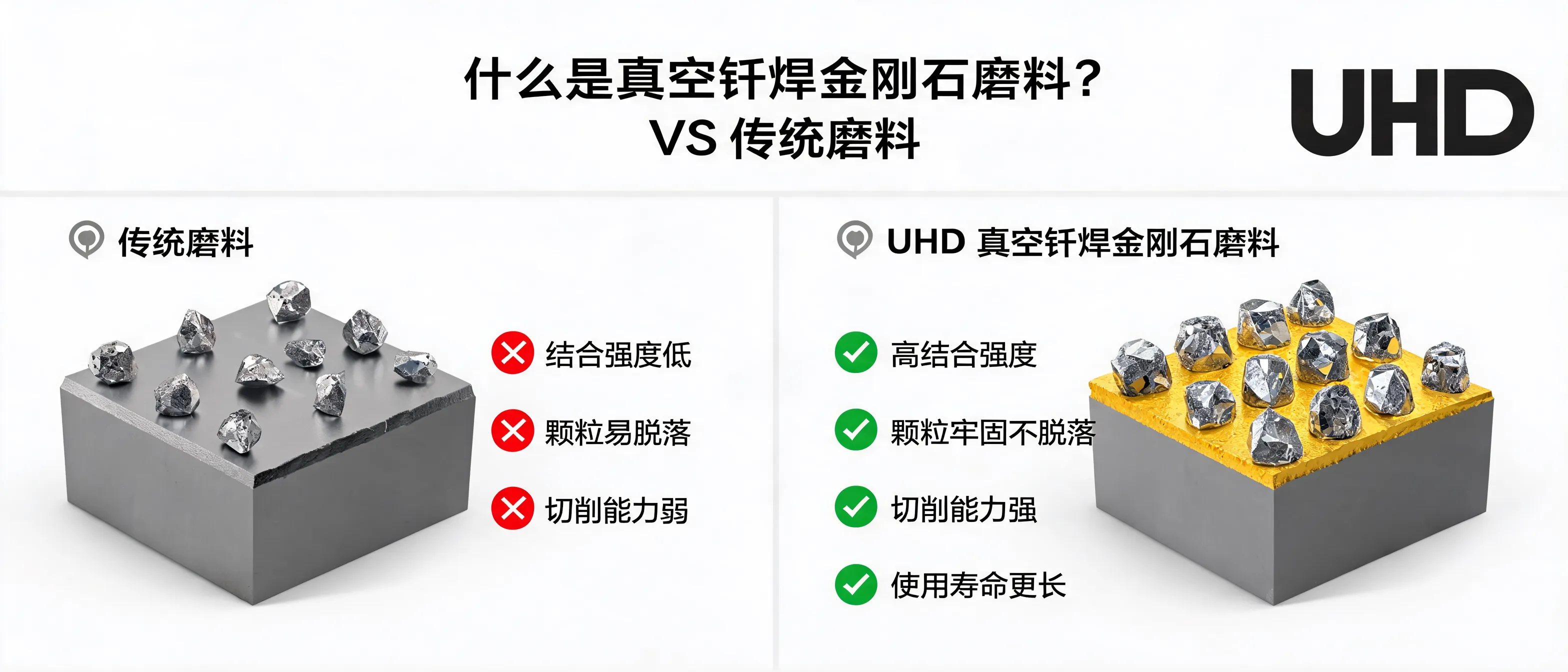
Vacuum brazed diamond abrasives are widely discussed in metalworking and stone processing, yet the term is often used loosely—leading to confusion during specification, sourcing, and technical evaluation. This page explains what vacuum brazed diamond abrasives are, how their structure works, and the key differences vs. conventional abrasives in bonding strength, cutting performance, and typical industrial use scenarios.
Presented by UHD Ultrahard Tools Co., Ltd (UHD)—a high-tech enterprise focused on R&D, manufacturing, and B2B supply of ultrahard material tools, including vacuum brazed diamond abrasives and related diamond tooling solutions.
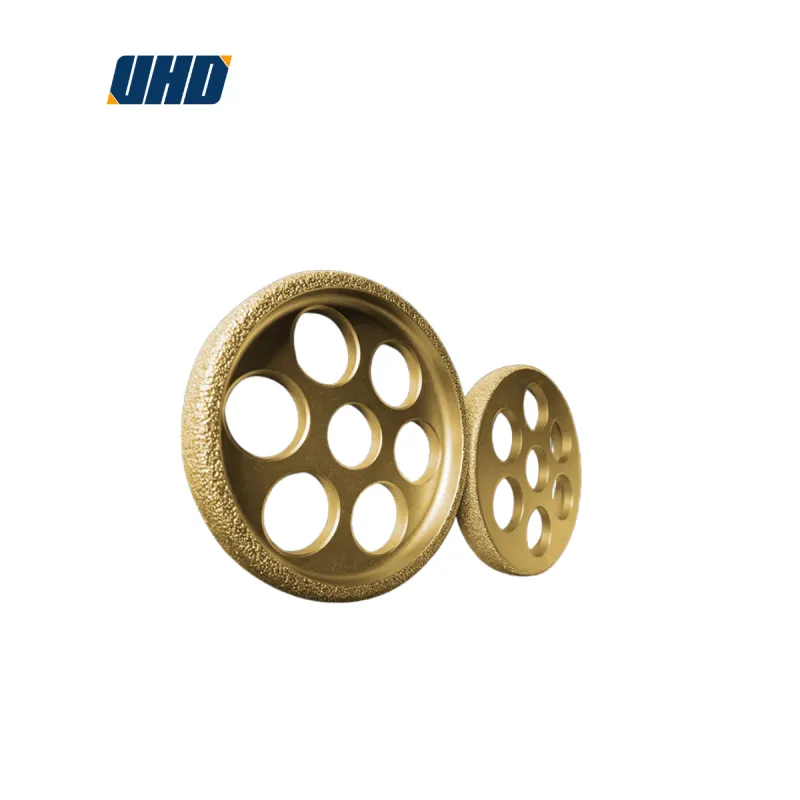
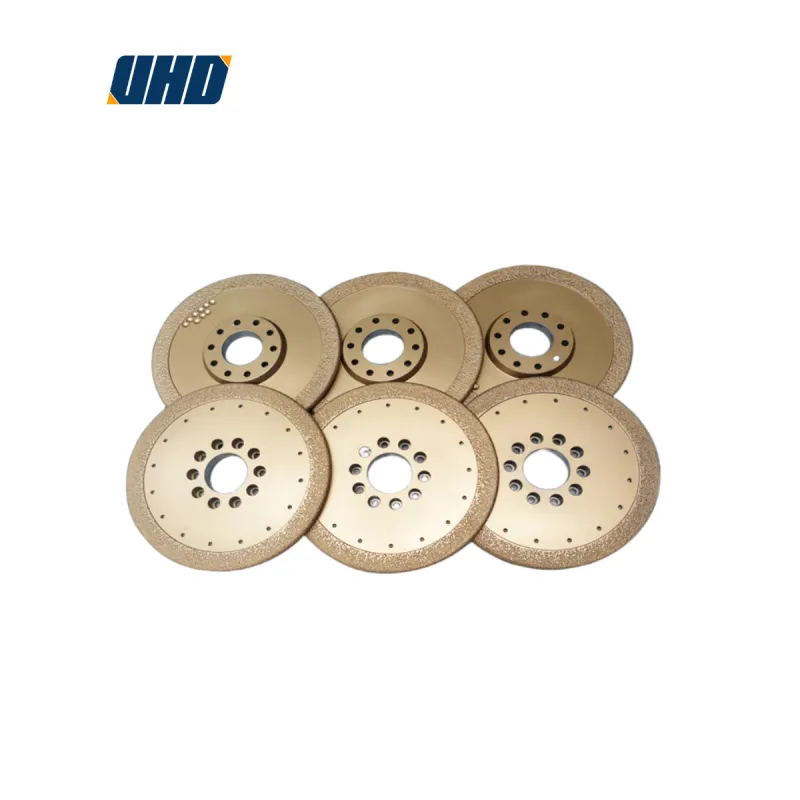
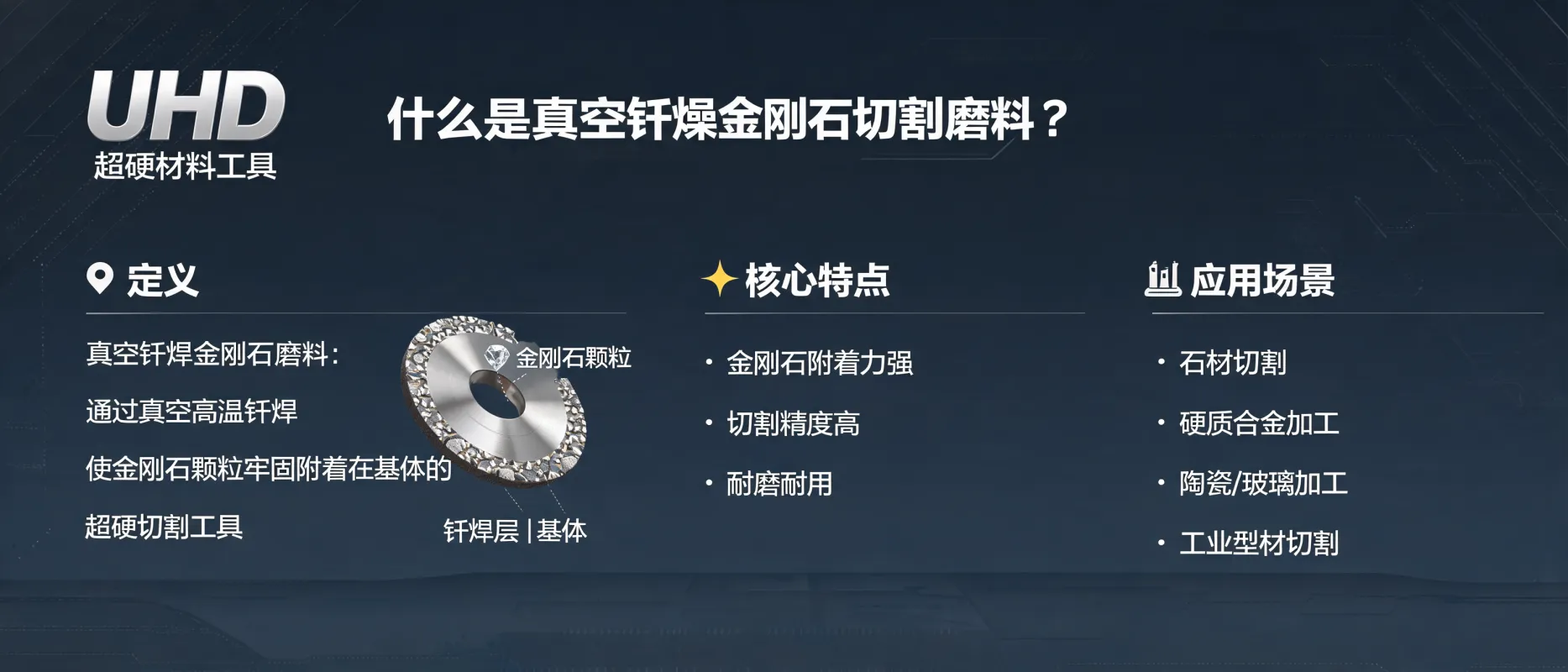
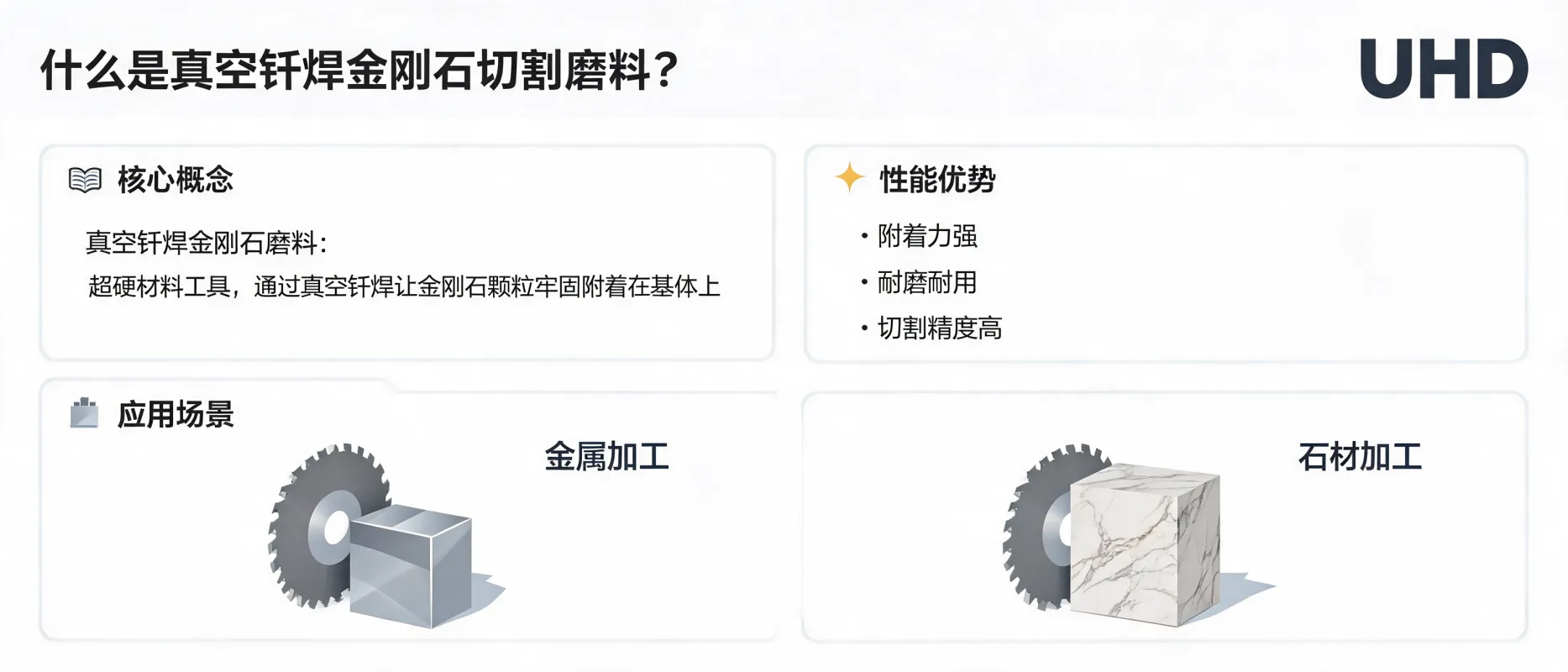
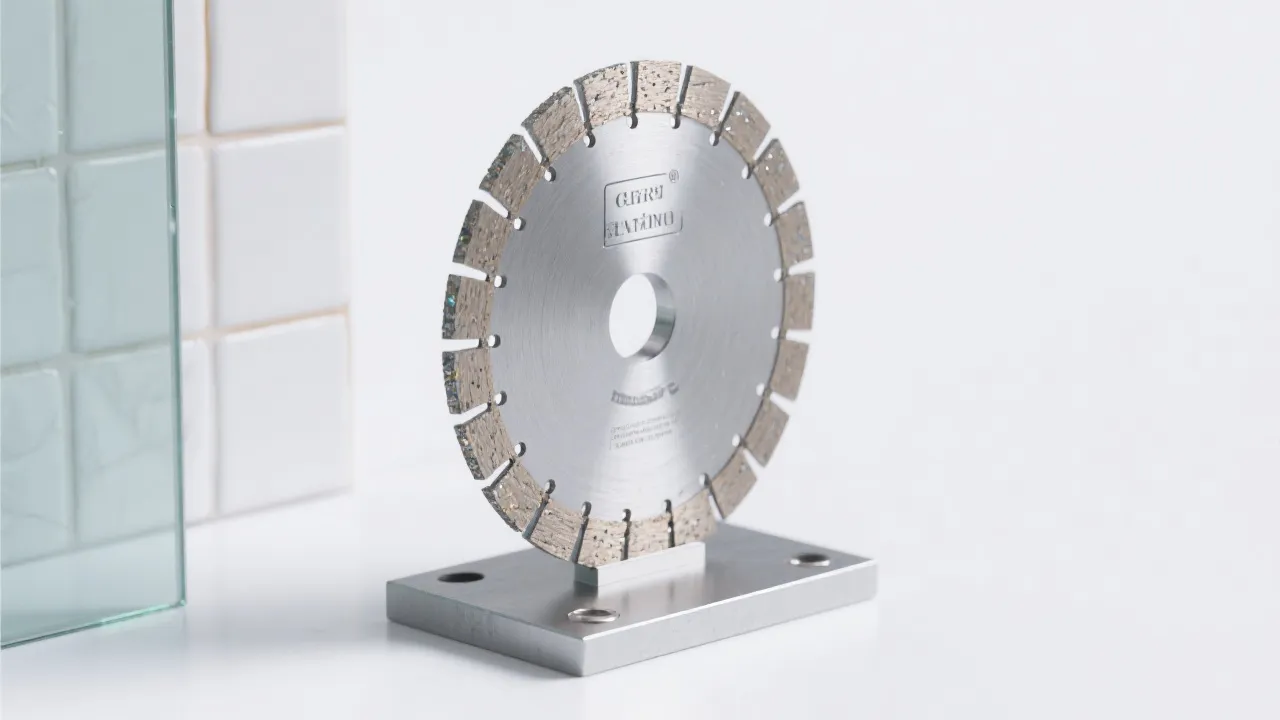
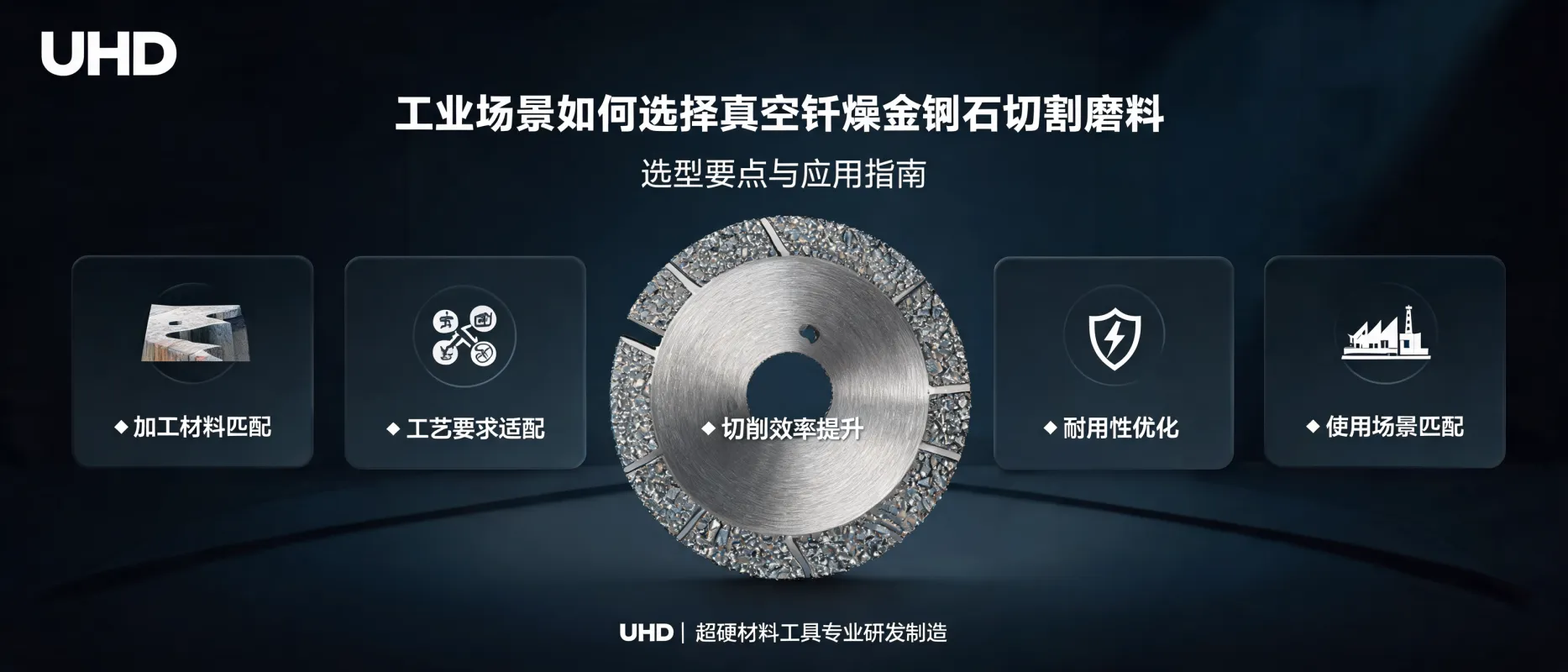
Vacuum brazed diamond abrasives are diamond abrasive products in which diamond grits are metallurgically bonded to a substrate (such as a steel body) through a brazing alloy under a controlled vacuum environment. Instead of relying on resin or vitrified bonding to hold abrasive grains, brazing forms a strong metal bond that anchors the diamond particles.
In practical terms, vacuum brazing is used to produce abrasive layers or segments that aim to deliver aggressive cutting/grinding while maintaining stable grain retention for demanding industrial applications.
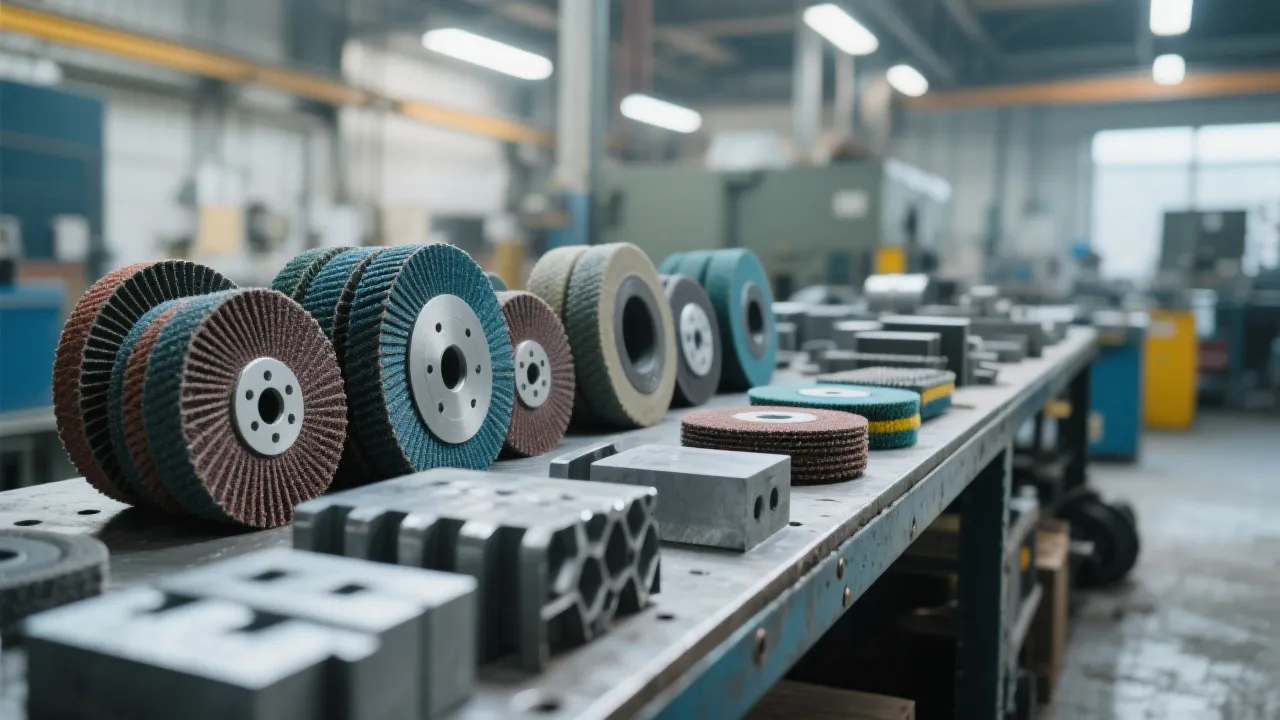
“Conventional abrasives” is an umbrella term. In industry, it often refers to bonded abrasives (e.g., resin-bond or vitrified-bond wheels) and/or coated abrasives where grains are held by adhesive layers. The comparison below focuses on the most decision-relevant dimensions: bonding strength, cutting performance, and application fit.
| Dimension | Vacuum brazed diamond abrasives | Conventional abrasives (typical) |
|---|---|---|
| Grain retention / bonding | Metallurgical brazed bond; designed for strong anchoring of diamond grits under load. | Resin/vitrified/adhesive bonding; retention depends on bond type, porosity, and operating conditions. |
| Cutting aggressiveness | Often features prominent, exposed grits; supports aggressive stock removal and fast cutting in appropriate setups. | Can range from aggressive to fine finishing, depending on grit and bond; many options emphasize controlled wear and surface finish. |
| Wear behavior | More reliant on grit exposure and bond integrity; performance is tied to correct selection and process parameters. | Often engineered around predictable bond wear and self-sharpening characteristics (varies by abrasive system). |
| Typical industrial fit | Chosen when users need diamond cutting/grinding with strong bonding for demanding tasks in metalworking or stone processing. | Used broadly across industries for general grinding, finishing, and surface prep with many cost/performance tiers. |
| Selection variables | Grit size/type, brazed layer design, tool geometry, base material, and application parameters. | Abrasive type, bond type, hardness/grade, grit, structure/porosity, backing (for coated), and parameters. |
Practical takeaway: compare products by bonding method and intended cutting behavior rather than by name alone. “Vacuum brazed” describes how the diamond grits are fixed; it does not automatically define every performance outcome without considering the application.
Industrial buyers and engineers typically evaluate vacuum brazed diamond abrasives for operations where diamond’s hardness and cutting ability are beneficial and where strong grain retention is desired. Common evaluation contexts include:
Note: suitability depends on workpiece material, machine capability, coolant/dry conditions, target finish, and safety requirements.
Before comparing vacuum brazed diamond abrasives to conventional abrasives, align internal requirements using a simple checklist. This helps reduce back-and-forth and speeds up technical confirmation:
UHD Ultrahard Tools Co., Ltd focuses on ultrahard material tooling R&D and manufacturing. Through ongoing technical work and collaboration with research institutions (including Henan University of Technology), we support industrial users with clearer specifications and application-aligned abrasive selections.
For global buyers, UHD maintains a B2B export service system and supports technical communication across markets—helping teams compare vacuum-brazed and conventional abrasive options using consistent terminology and decision criteria.
Prepare your workpiece information, process goal (stock removal vs. finish), machine parameters, and whether you run wet or dry. With these basics aligned, discussions about bonding strength, cutting performance, and application fit become clearer—especially when comparing vacuum brazed diamond abrasives to conventional abrasives.
UHD’s goal is straightforward: support industrial customers with practical, technically consistent guidance so abrasive selection decisions are made on structure and application requirements—not assumptions.
.png?x-oss-process=image/resize,h_800,m_lfit/format,webp)

 117
|
117
|
 UHD Ultrahard Tools Co., Ltd
vacuum brazed diamond cutting abrasives
ultrahard material tools
applications in metalworking and stone processing
definition and application boundaries
374
|
UHD Ultrahard Tools Co., Ltd
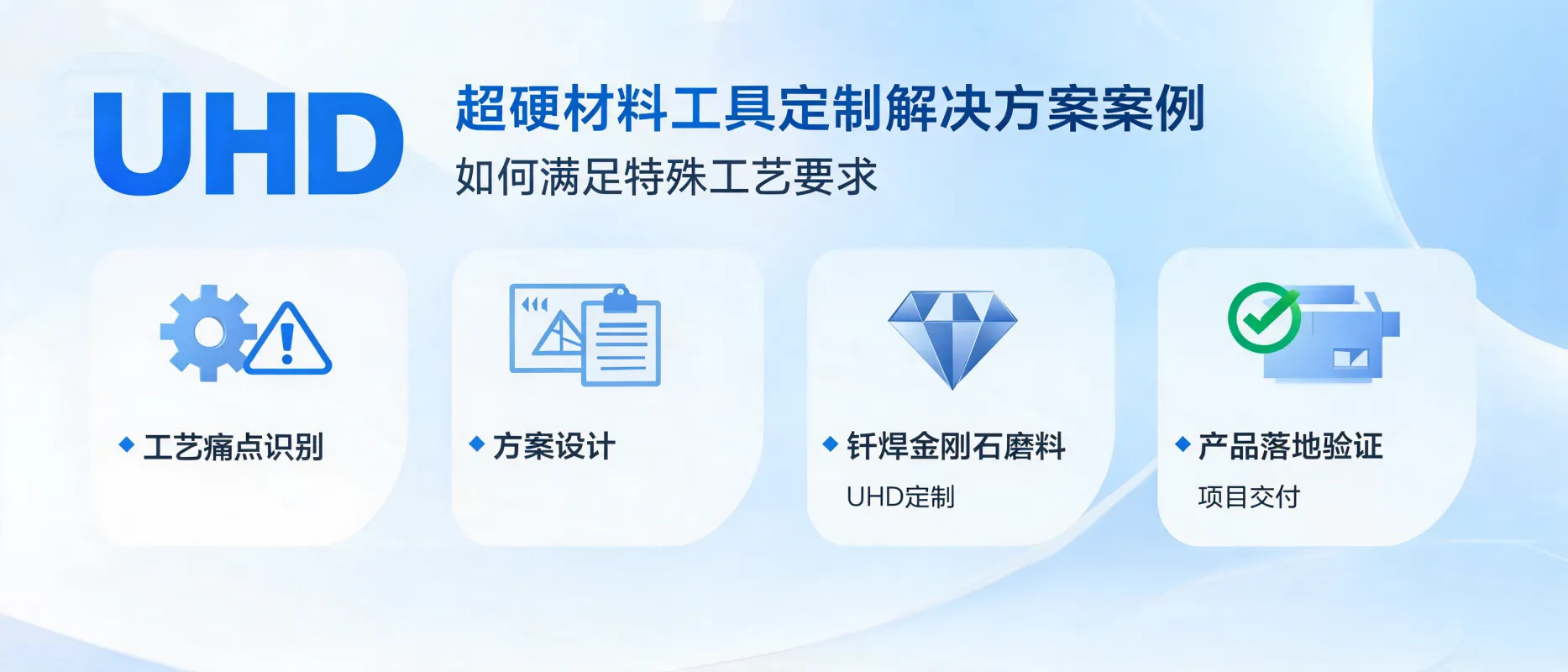
custom ultrahard tooling solution
brazed diamond abrasive tools
process pain points
project delivery and validation
35
|
brazed diamond grinding wheel
diamond wheel brazing process
stainless steel grinding solution
brazing filler alloy selection
diamond grit retention strength
202
|
UHD Ultrahard Tools Co., Ltd
scenario-based solutions
ultrahard tools
industrial tool procurement
tool specifications
88
|
UHD Ultrahard Tools Co., Ltd
ultrahard material tools
diamond cutting abrasives
brazed diamond tools
industrial processing applications
UHD Ultrahard Tools Co., Ltd
vacuum brazed diamond cutting abrasives
ultrahard material tools
applications in metalworking and stone processing
definition and application boundaries
374
|
UHD Ultrahard Tools Co., Ltd
custom ultrahard tooling solution
brazed diamond abrasive tools
process pain points
project delivery and validation
35
|
brazed diamond grinding wheel
diamond wheel brazing process
stainless steel grinding solution
brazing filler alloy selection
diamond grit retention strength
202
|
UHD Ultrahard Tools Co., Ltd
scenario-based solutions
ultrahard tools
industrial tool procurement
tool specifications
88
|
UHD Ultrahard Tools Co., Ltd
ultrahard material tools
diamond cutting abrasives
brazed diamond tools
industrial processing applications





.png?x-oss-process=image/resize,h_100,m_lfit/format,webp)
.png?x-oss-process=image/resize,h_100,m_lfit/format,webp)
.png?x-oss-process=image/resize,h_100,m_lfit/format,webp)