

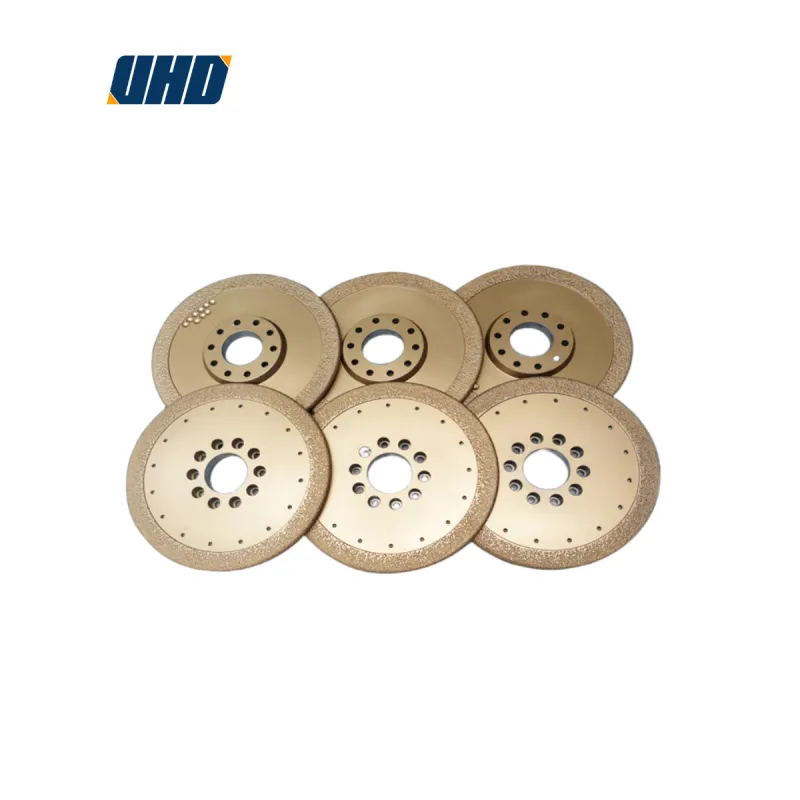
Vacuum brazed diamond cutting abrasive is a type of superhard tool designed for demanding cutting and grinding tasks where conventional bonded abrasives may load up, dull quickly, or struggle with heat and wear. This page provides a clear, engineering-oriented baseline for definition, structure features, suitable working conditions, and typical applications—so buyers, process engineers, and distributors can align on selection discussions.
Knowledge resource by UHD Ultrahard Tools Co., Ltd (UHD Ultrahard Tools Co., Ltd / 河南优德超硬工具有限公司), focused on industrial B2B tool selection and application communication.
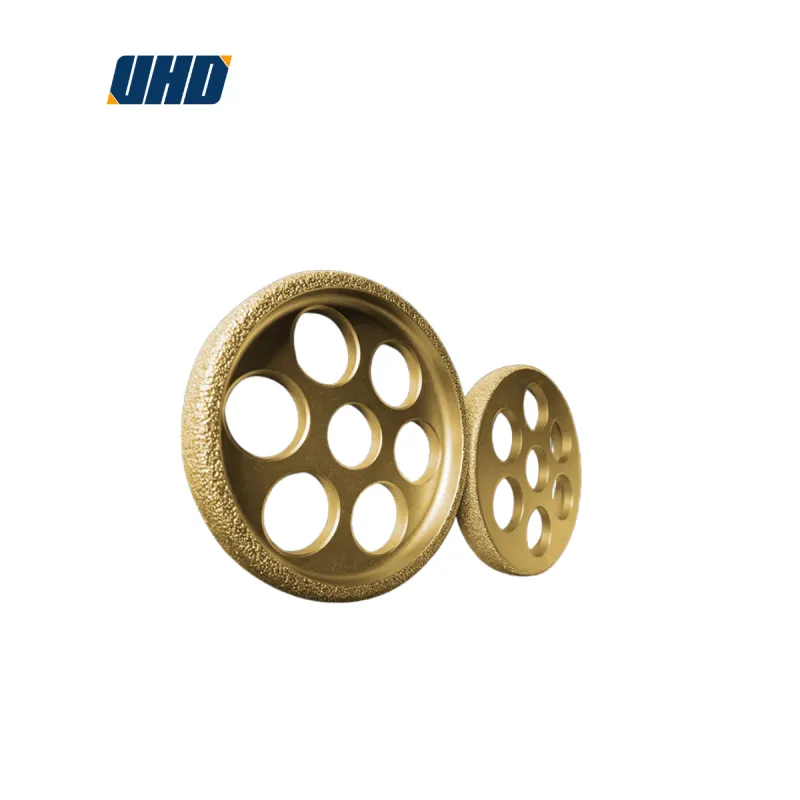
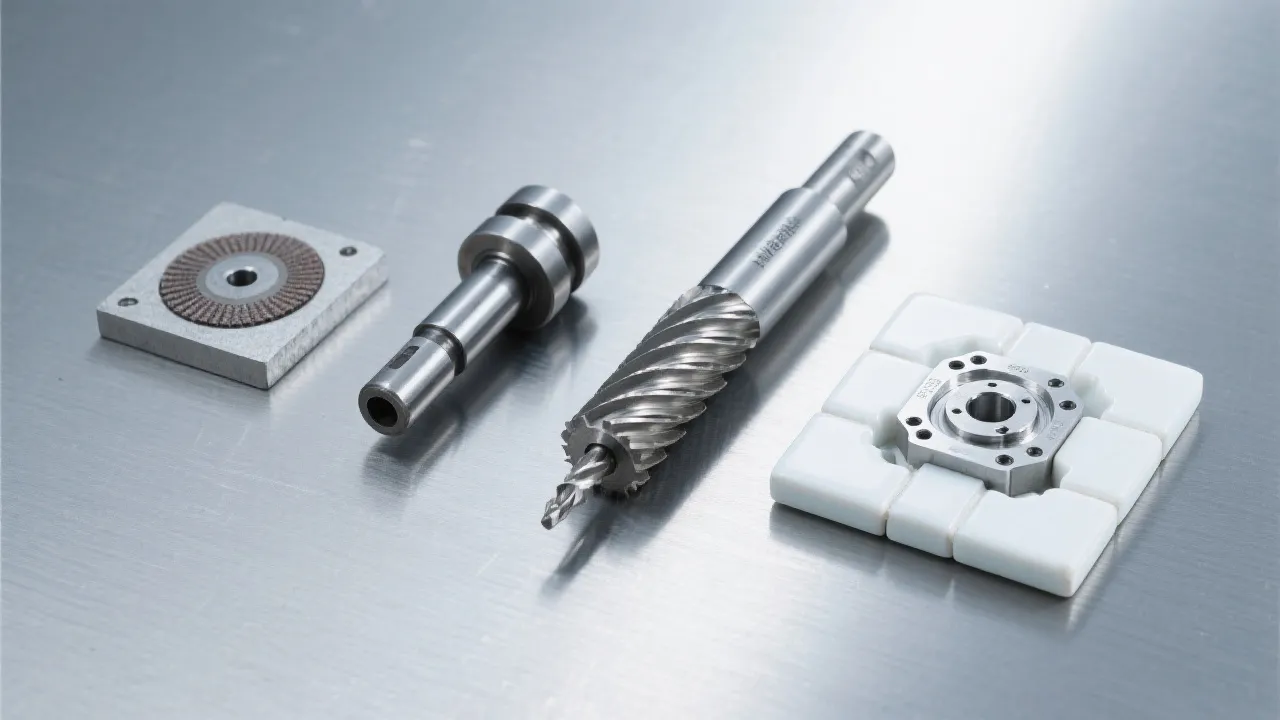
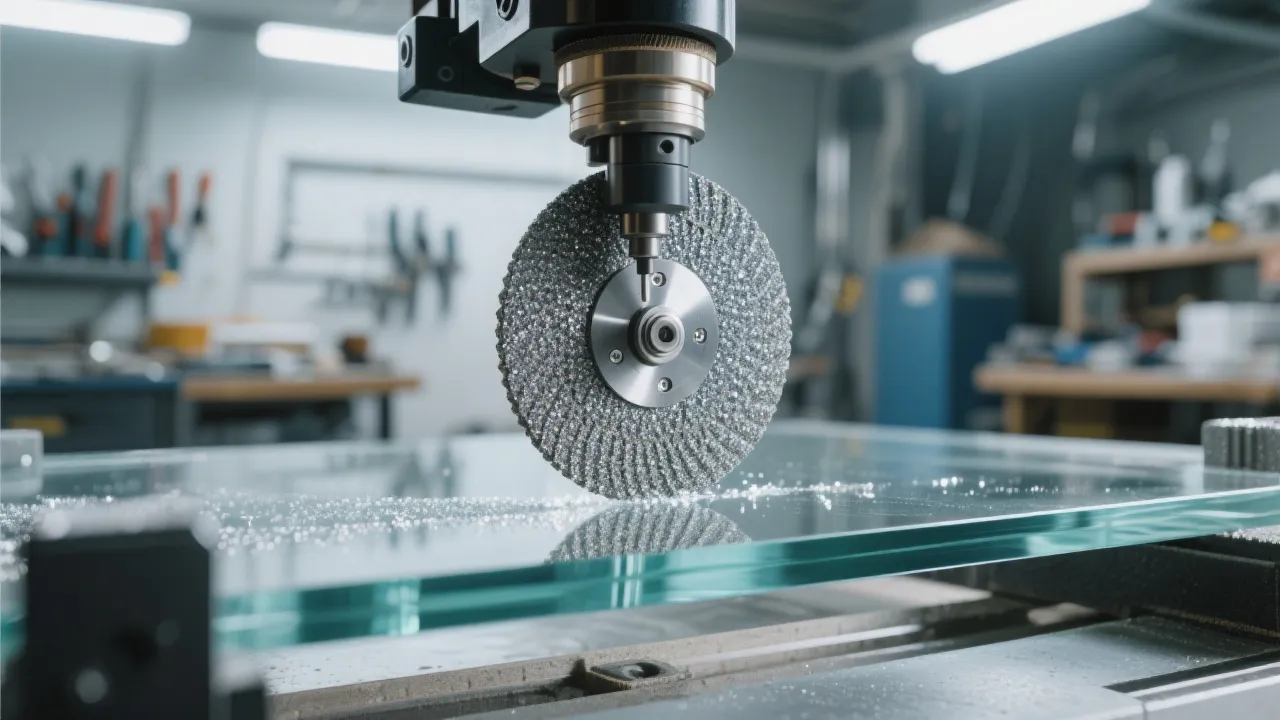
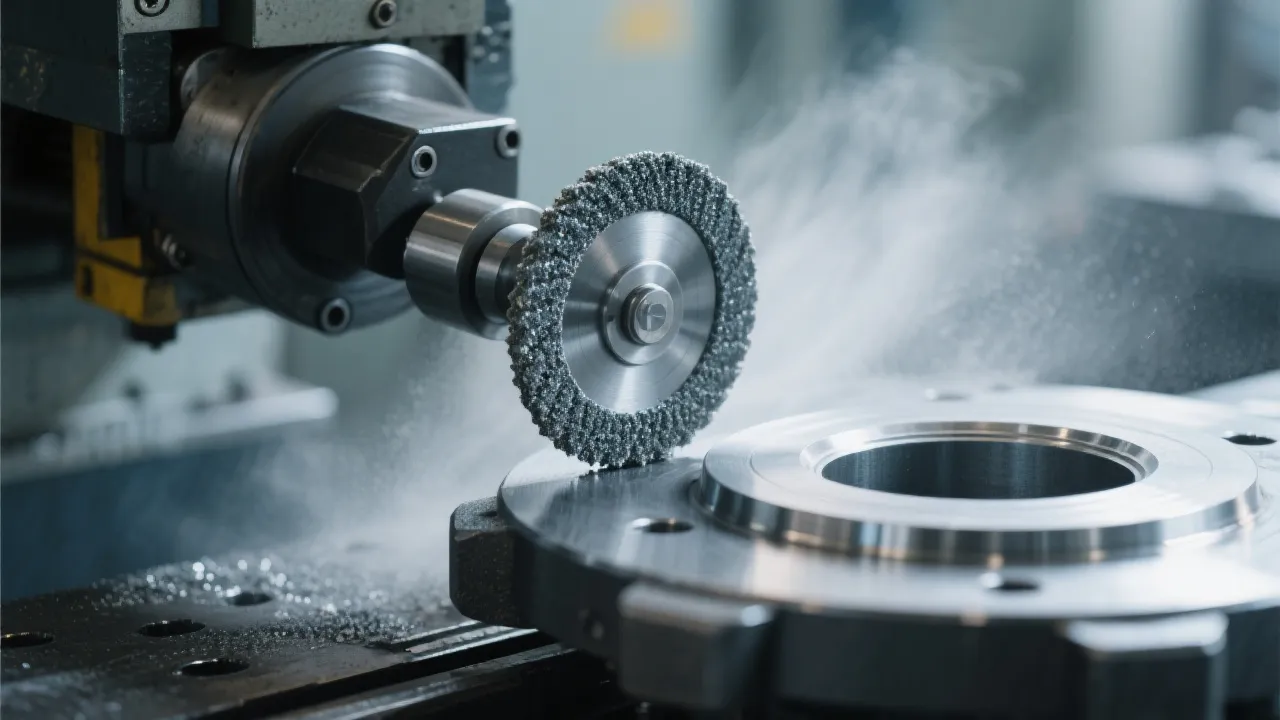
A vacuum brazed diamond cutting abrasive is an abrasive tool where diamond grits are metallurgically bonded to a tool body (typically steel) by a brazing filler alloy under vacuum conditions. Instead of relying on resin or vitrified bonds to “hold” abrasive grains, brazing creates a strong metallic bond that can expose diamond particles effectively for cutting/grinding.
Practical takeaway: vacuum brazing is fundamentally a metal-bond joining process. It’s commonly chosen when users need aggressive cutting, good grit exposure, and stable retention of diamonds in challenging materials.
Note: actual performance depends on tool design (grit size, density, layout), the brazing system, and the specific workpiece/parameters. UHD supports selection discussions based on process conditions rather than one-size-fits-all claims.
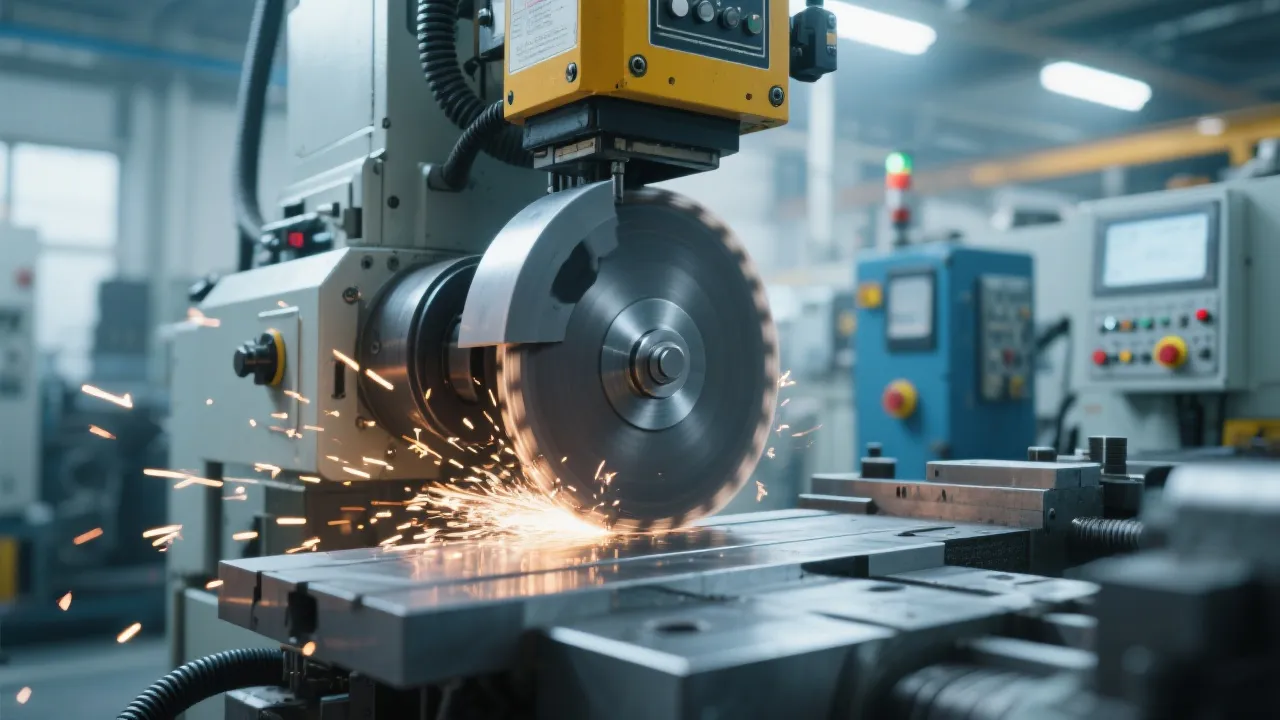
Vacuum brazed diamond cutting abrasives are commonly discussed in scenarios where users need a superhard cutting/grinding interface with reliable grit anchoring. Typical application areas include:
The best-fit scenario is determined by the workpiece material, process goal, and machine conditions. UHD can help map these variables to tool design choices (grit, concentration, layout, and form factor) without overpromising outcomes.
| Comparison dimension | Vacuum brazed diamond cutting abrasive | Conventional bonded abrasives (general) |
|---|---|---|
| Grain holding method | Metallic brazed bond under vacuum; metallurgical joining | Resin/vitrified/other bonds mechanically retain grains |
| Grit exposure | Often high exposure for aggressive cutting/grinding | Exposure varies; may require dressing to maintain sharpness |
| Common selection goal | Stable grit retention under demanding wear conditions | Balanced cost/finish; broad general-purpose availability |
| Discussion focus | Match tool design + parameters to material and removal mode | Bond type, grit, hardness grade, dressing strategy |
This comparison is for communication clarity. Final selection should be validated with the actual workpiece, machine, and production constraints.
UHD is a high-tech enterprise specializing in superhard tools, including diamond tools, abrasive products, and custom vacuum brazed diamond abrasives. We serve industrial users with application-oriented selection support and consistent manufacturing quality control.
If you are evaluating a vacuum brazed diamond cutting abrasive for your line—share your workpiece material, operation type, tool shape preference, and machine conditions. UHD Ultrahard Tools Co., Ltd can help translate those inputs into a practical tool specification for sampling and validation.
Recommended to prepare: material name, target finish, removal rate expectation, wet/dry preference, spindle RPM/power, and current tool pain points.
For distributors: include target market, common machines, and preferred packaging/labeling needs for a smoother quoting process.

.png?x-oss-process=image/resize,h_800,m_lfit/format,webp)
 52
|
52
|
 diamond grinding wheels
EN 13465 dust limit
mechanical processing safety
CE certified grinding tools
industrial abrasive standards
65
|
curved profile design
diamond grinding wheel impact resistance
FEA stress distribution
coolant flow optimization
thermal management in grinding
35
|
brazed diamond grinding wheel
diamond wheel brazing process
stainless steel grinding solution
brazing filler alloy selection
diamond grit retention strength
82
|
brazed diamond grinding wheel
stainless steel grinding
diamond wheel maintenance
grinding wheel longevity
stainless steel研磨技巧
460
|
gray cast iron grinding wheel selection
vacuum brazed diamond grinding wheel
diamond wheel grit size for cast iron
low dust cast iron grinding
CE compliance grinding tools
diamond grinding wheels
EN 13465 dust limit
mechanical processing safety
CE certified grinding tools
industrial abrasive standards
65
|
curved profile design
diamond grinding wheel impact resistance
FEA stress distribution
coolant flow optimization
thermal management in grinding
35
|
brazed diamond grinding wheel
diamond wheel brazing process
stainless steel grinding solution
brazing filler alloy selection
diamond grit retention strength
82
|
brazed diamond grinding wheel
stainless steel grinding
diamond wheel maintenance
grinding wheel longevity
stainless steel研磨技巧
460
|
gray cast iron grinding wheel selection
vacuum brazed diamond grinding wheel
diamond wheel grit size for cast iron
low dust cast iron grinding
CE compliance grinding tools






.png?x-oss-process=image/resize,h_100,m_lfit/format,webp)
.png?x-oss-process=image/resize,h_100,m_lfit/format,webp)
.png?x-oss-process=image/resize,h_100,m_lfit/format,webp)