

Vacuum brazed diamond cutting abrasives are widely used in industrial cutting and grinding where users need stable performance, efficient material removal, and predictable tool behavior across different work conditions.
This page from UHD Ultrahard Tools Co., Ltd provides a selection-ready explanation of what vacuum brazed diamond cutting abrasives are—focusing on structure, performance advantages, and typical applications in metalworking and stone processing.
Designed for industrial buyers, engineers, and production teams who need clear terminology and practical points for tool selection, technical discussions, and specification confirmation.
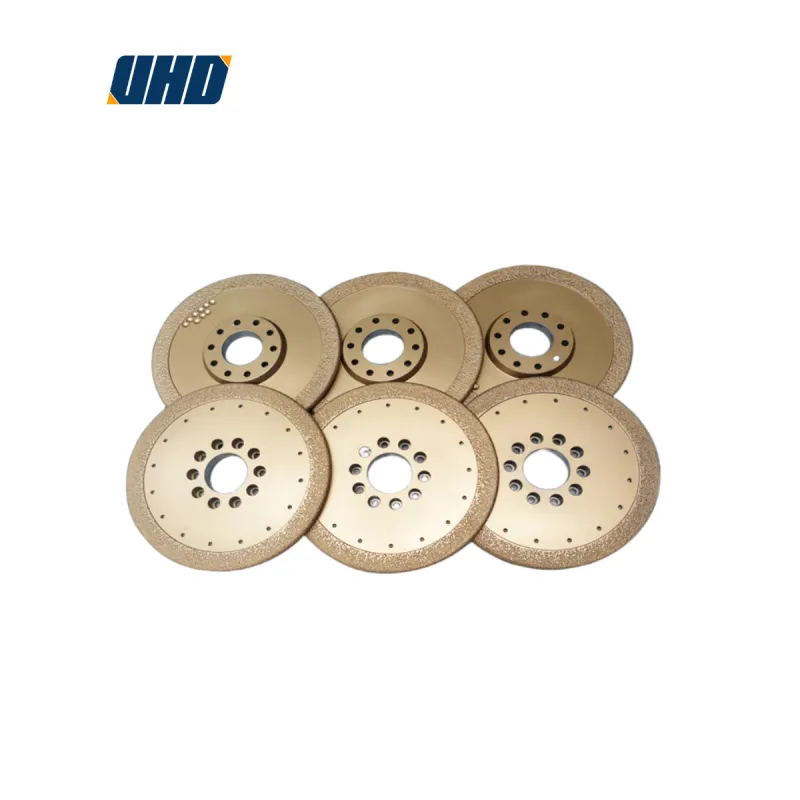
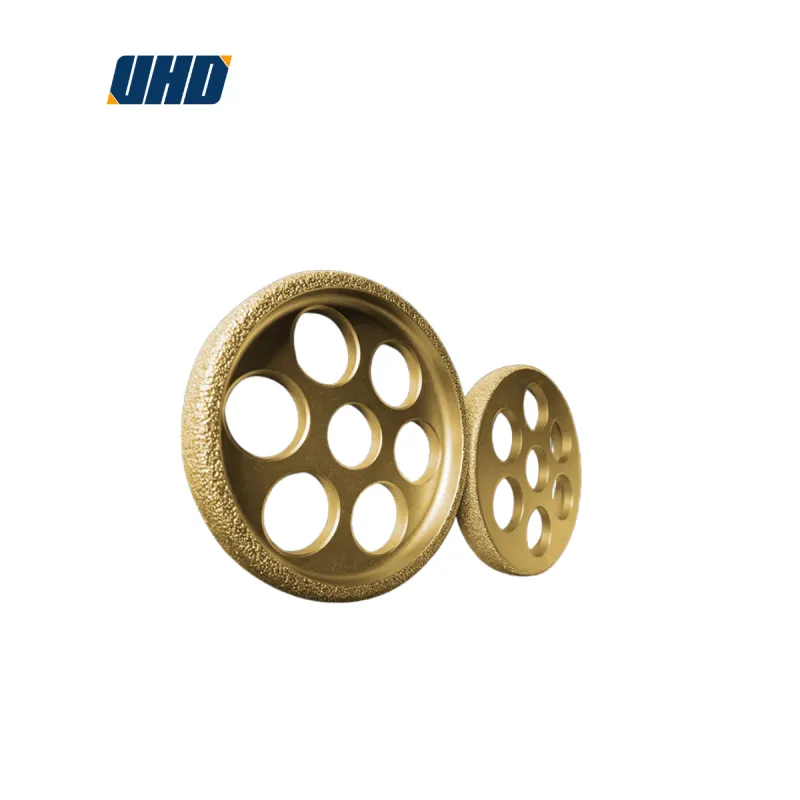
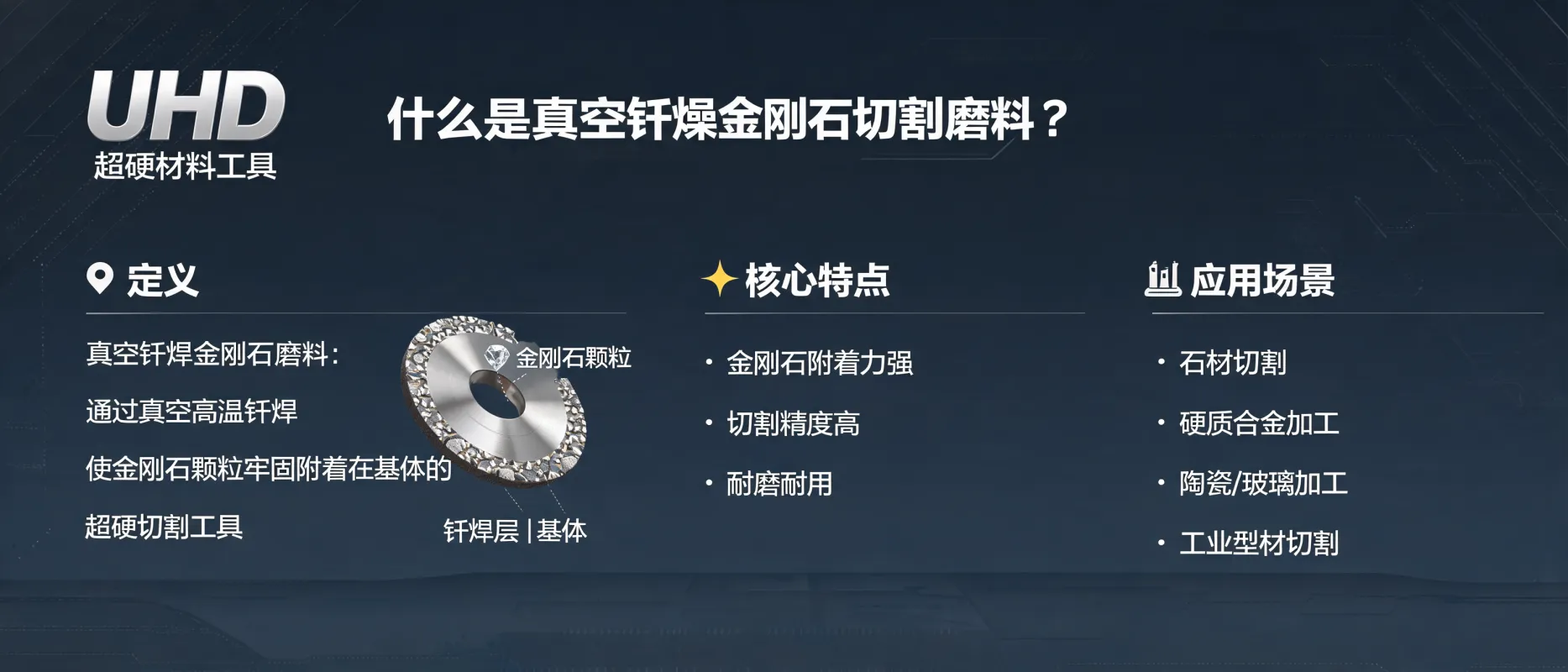
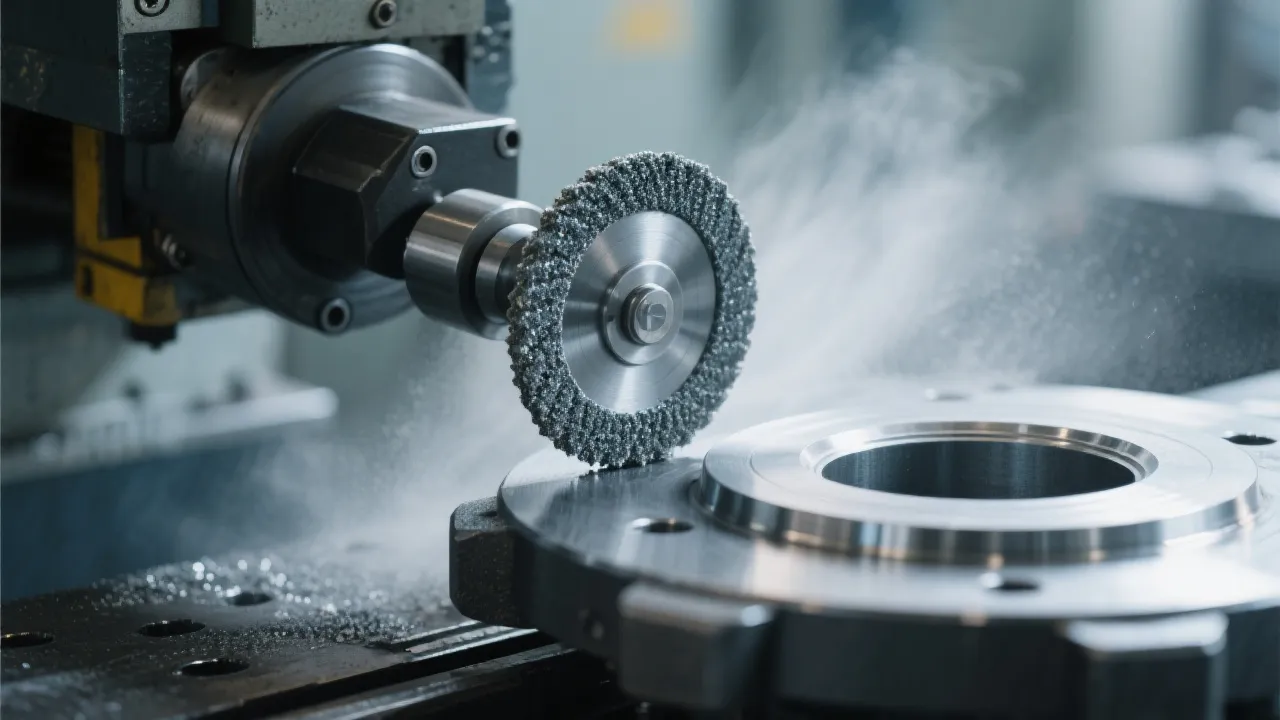
A vacuum brazed diamond cutting abrasive is an ultrahard tool where diamond abrasives are joined to a metal base (such as a tool body or working layer) using a brazing filler metal in a vacuum environment. The vacuum atmosphere helps reduce oxidation during the joining process and supports a consistent bonding interface.
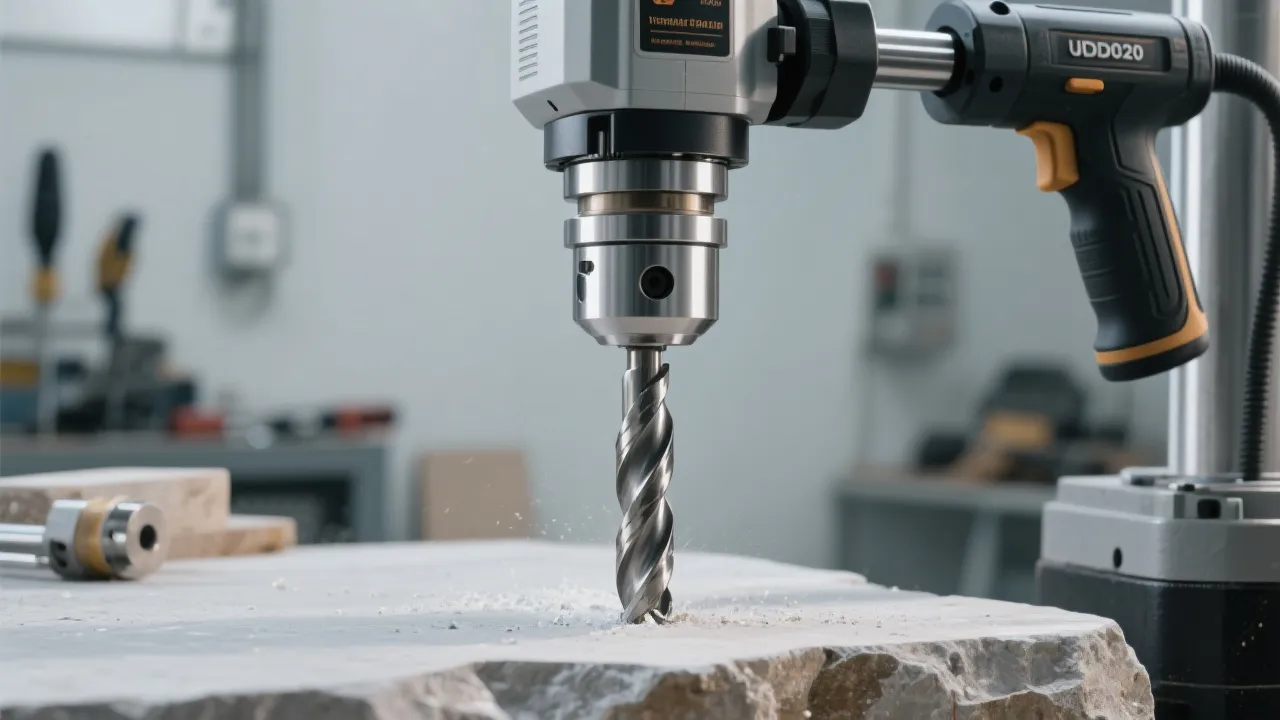
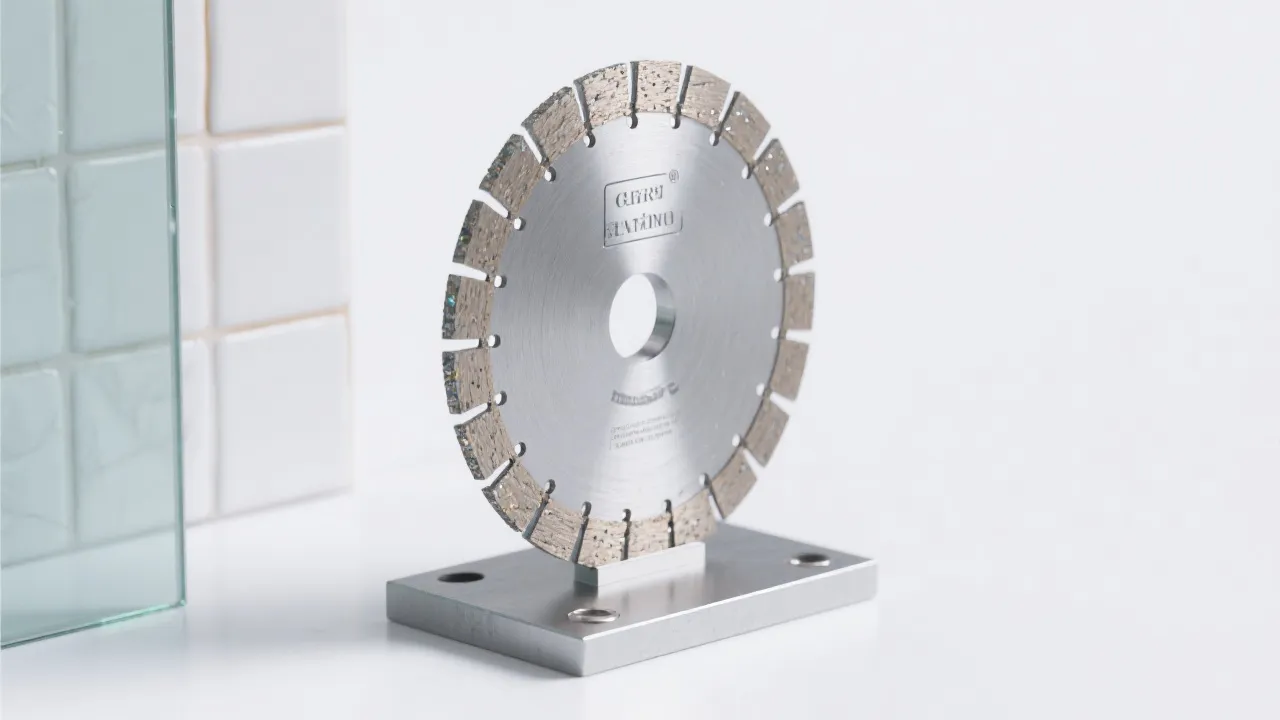
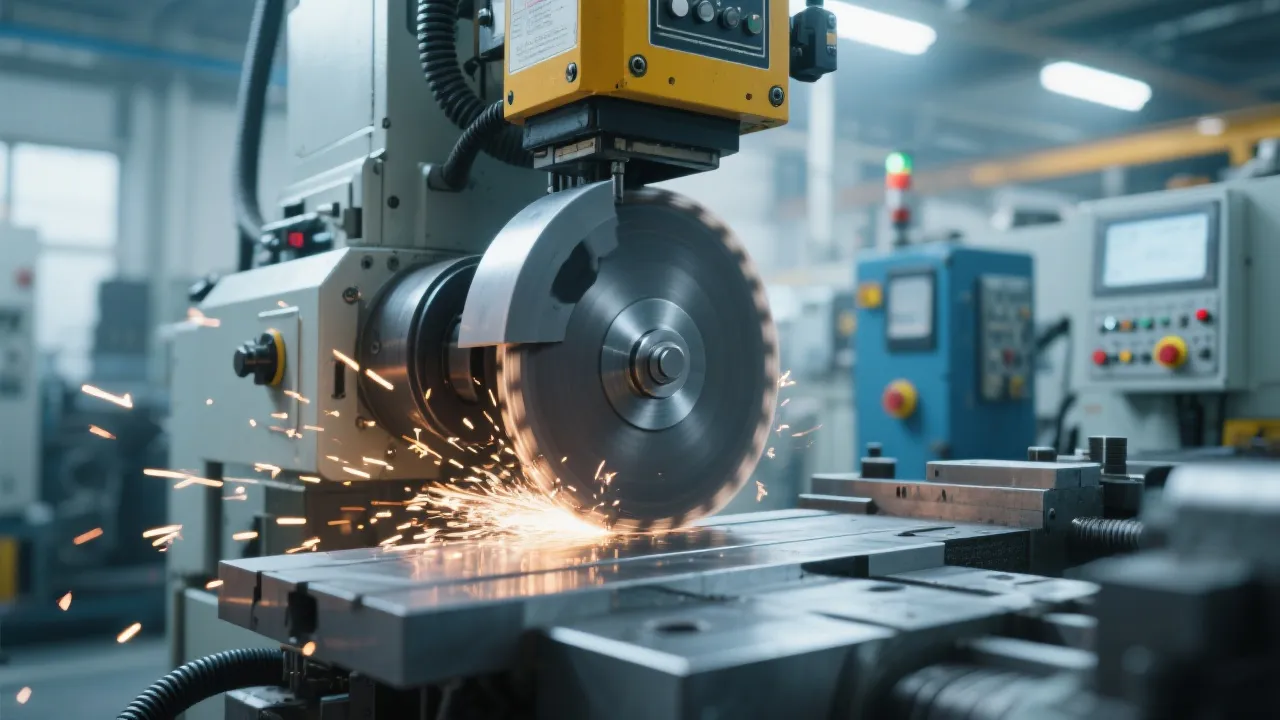
In practice, the vacuum-brazing method is used to create tools intended for cutting, grinding, shaping, or edge finishing where diamond’s hardness and wear characteristics are essential.
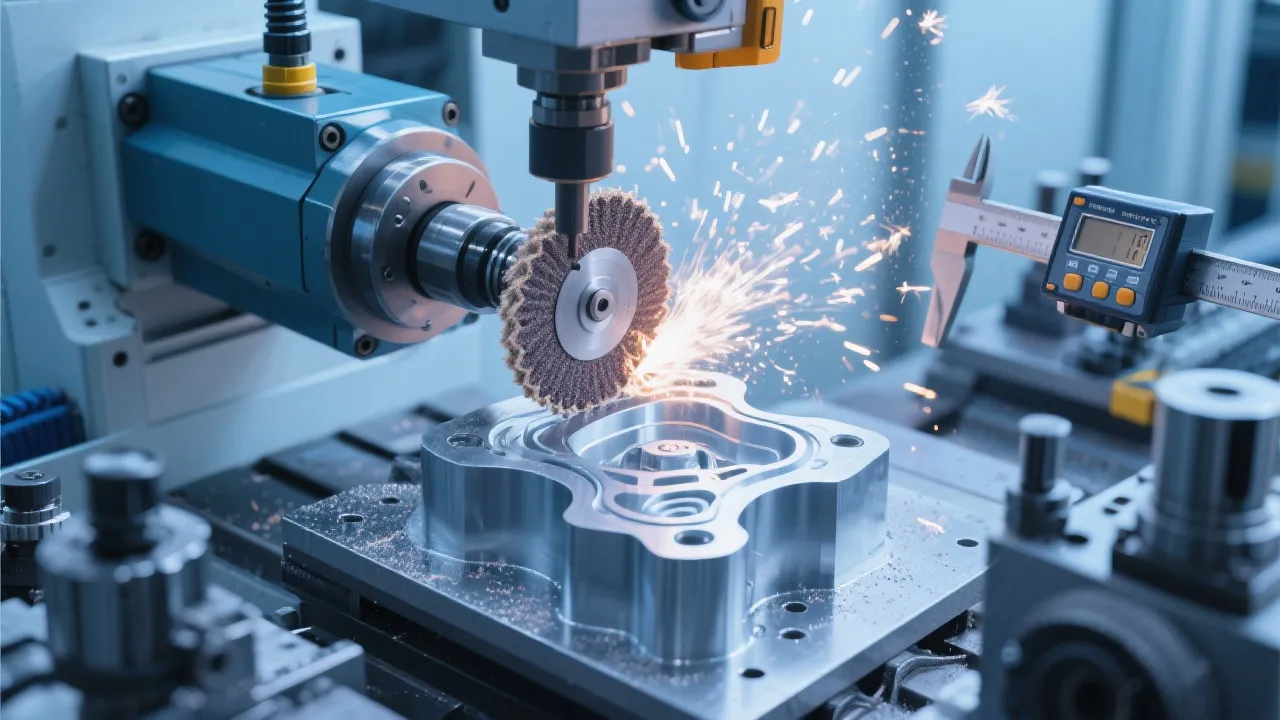
Performance depends on application, machine setup, and consumable configuration, but vacuum brazed diamond cutting abrasives are commonly chosen for the following practical benefits:
Selection note: tool performance is highly dependent on the workpiece material, cooling method, and machine rigidity. For procurement, request parameter guidance and confirm use conditions during evaluation.
If you’re evaluating a vacuum brazed diamond cutting abrasive for a specific material grade or process step, aligning the tool structure with the operating parameters is essential for stable results.
To support transparent technical communication, UHD typically recommends confirming the following points during sourcing and trials (especially for B2B projects and repeat orders):
UHD Ultrahard Tools Co., Ltd (Henan Youde Ultrahard Tools) focuses on R&D, manufacturing, and sales of ultrahard material tools, including diamond tools, abrasives, and custom vacuum brazed diamond abrasives. UHD serves industrial markets with a B2B approach and emphasizes product-market fit for specific process requirements.
UHD collaborates with academic institutions (including Henan University of Technology) to support ongoing research and development in ultrahard cutting tools.
UHD maintains a structured foreign-trade service system and communicates with global buyers through B2B platforms to help align quality expectations, documentation, and delivery requirements.
For faster evaluation, prepare your workpiece material, process (cutting/grinding), machine type, and cooling preference. UHD can then support a clearer technical discussion around suitable vacuum brazed diamond cutting abrasive options and practical trial considerations.
.png?x-oss-process=image/resize,h_800,m_lfit/format,webp)

 468
|
468
|
 vacuum brazed diamond grinding wheel
automotive parts machining
ductile iron grinding wheel
customized industrial cutting tools
green eco-friendly grinding wheels
447
|
brazed diamond grinding disc
electroplated diamond disc
active brazing metallurgical bond
diamond grit retention
high temperature wear resistance
65
|
curved profile design
diamond grinding wheel impact resistance
FEA stress distribution
coolant flow optimization
thermal management in grinding
82
|
brazed diamond grinding wheel
stainless steel grinding
diamond wheel maintenance
grinding wheel longevity
stainless steel研磨技巧
182
|
UHD Ultrahard Tools Co., Ltd
vacuum brazed diamond tools
ultrahard material tools
metalworking
stone processing
vacuum brazed diamond grinding wheel
automotive parts machining
ductile iron grinding wheel
customized industrial cutting tools
green eco-friendly grinding wheels
447
|
brazed diamond grinding disc
electroplated diamond disc
active brazing metallurgical bond
diamond grit retention
high temperature wear resistance
65
|
curved profile design
diamond grinding wheel impact resistance
FEA stress distribution
coolant flow optimization
thermal management in grinding
82
|
brazed diamond grinding wheel
stainless steel grinding
diamond wheel maintenance
grinding wheel longevity
stainless steel研磨技巧
182
|
UHD Ultrahard Tools Co., Ltd
vacuum brazed diamond tools
ultrahard material tools
metalworking
stone processing




.png?x-oss-process=image/resize,h_100,m_lfit/format,webp)
.png?x-oss-process=image/resize,h_100,m_lfit/format,webp)
.png?x-oss-process=image/resize,h_100,m_lfit/format,webp)