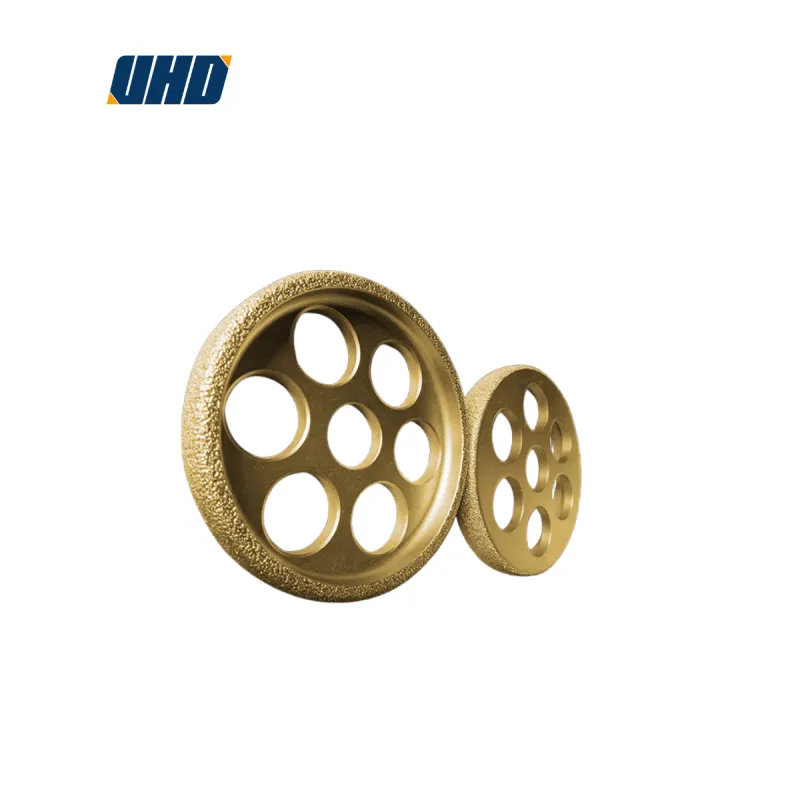
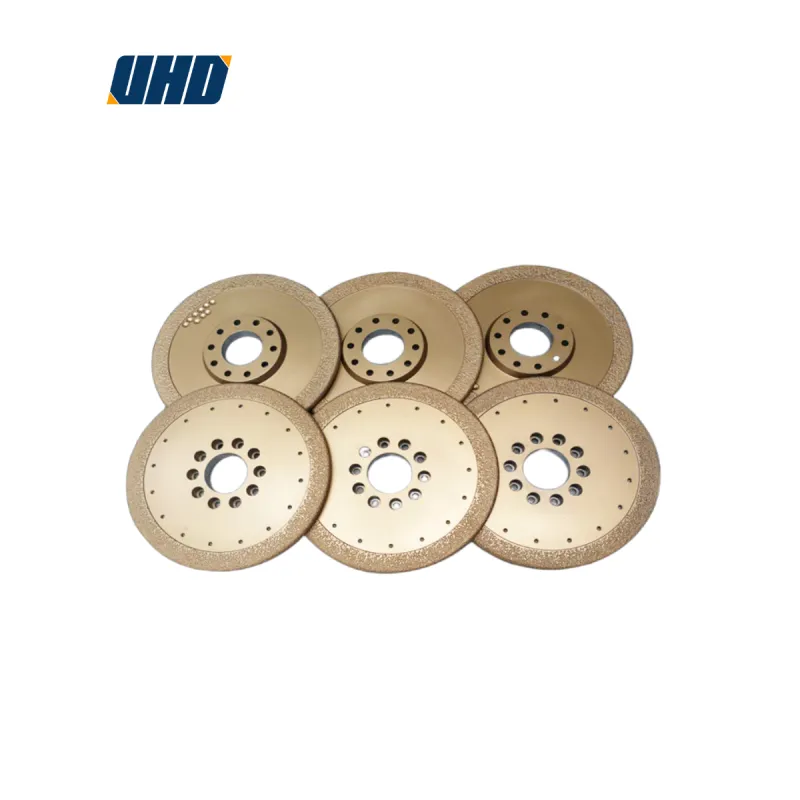
Selecting vacuum brazed diamond cutting abrasives is not only about “choosing a grit size.” It is a decision that connects workpiece material, cutting/grinding process, machine conditions, and tool geometry to real targets such as machining efficiency, surface finish, service life, and total cost.
This page from UHD Ultrahard Tools Co., Ltd (UHD) provides a practical, systematic method to reduce trial-and-error when specifying vacuum brazed diamond abrasives for industrial cutting and grinding.
Workpiece properties determine how aggressively the diamonds should cut and how the tool should manage heat and chip removal. When defining your requirement, clarify:
Practical tip: Describe the workpiece using “what it is + what matters in the cut” (material + typical hardness/structure + whether you prioritize finish or speed). This helps match diamond grit and brazing bond strength more accurately.
Vacuum brazed diamond abrasives may be used in different process modes. Selection should follow the process intent:
Before choosing a specification, agree internally on what “good” means: higher throughput, better finish, longer tool life, or a balanced combination.
Even the right abrasive can underperform if machine constraints are ignored. Confirm:
A reliable selection starts with the machine’s real operating window—then matches abrasive aggressiveness and bond strength to that window.
Vacuum brazed diamond cutting abrasives come in different tool sizes and forms. Geometry affects contact area, heat generation, chip flow, and achievable finish.
Diamond grit size is one of the most visible specifications, but it should be selected after the material and process are defined:
Selection logic: If your KPI is throughput, start from a grit that cuts efficiently and then adjust parameters to control finish. If your KPI is finish, start finer and confirm the machine can maintain stable speed and low vibration.
In vacuum brazed tools, bond strength and diamond retention affect resistance to pull-out, chipping, and premature wear—especially under high impact or unstable conditions.
UHD’s engineering approach is to match retention requirements to your actual load case, rather than over-specifying and increasing total cost without measurable benefit.
Proper cutting and grinding process parameters protect both surface quality and tool life. When selecting or optimizing a vacuum brazed diamond abrasive, define the parameter set you can realistically run:
A “best” abrasive depends on how you measure success. UHD recommends evaluating selection decisions using a simple KPI framework:
Prioritize stable removal rate and predictable cycle time, then confirm surface quality meets the downstream requirement.
Prioritize surface finish and consistency, then optimize parameters to reduce tool wear and heat marks.
Consider tool consumption, downtime for tool changes, scrap/rework risk, and throughput—not tool price alone.
To help UHD recommend a suitable vacuum brazed diamond cutting abrasive, prepare the following information:
UHD Ultrahard Tools Co., Ltd focuses on R&D, manufacturing, and global B2B supply of ultrahard material tools, including vacuum brazed diamond abrasives for industrial cutting and grinding. We work with customers to clarify application requirements, confirm feasible process parameters, and align tool specification with the desired balance of tool life, machining efficiency, and surface quality.
Scope: selection guidance, specification confirmation, and application-oriented recommendations for vacuum brazed diamond cutting abrasives.
Goal: reduce trial-and-error by linking material + process + machine constraints to the right grit, geometry, and retention level.
If you share your material, process mode, and machine conditions, UHD can help you define a practical specification and a stable parameter window for production use.
 476
|
 UHD Ultrahard Tools Co., Ltd
vacuum brazed diamond tools comparison
electroplated diamond tools
sintered diamond tools
cutting efficiency and tool life
331
|
UHD Ultrahard Tools Co., Ltd
ultrahard cutting abrasive selection
diamond cutting abrasives
industrial tool procurement
tool parameter checklist
441
|
UHD Ultrahard Tools Co., Ltd
vacuum brazed diamond tools
diamond abrasive bonding
superhard tools
metalworking and stone processing
398
|
UHD Ultrahard Tools Co., Ltd
diamond tool selection guide
industrial machining
metal processing
stone processing
343
|
UHD Ultrahard Tools Co., Ltd
custom brazed diamond abrasives
industrial machining application case
processing efficiency improvement
process stability