

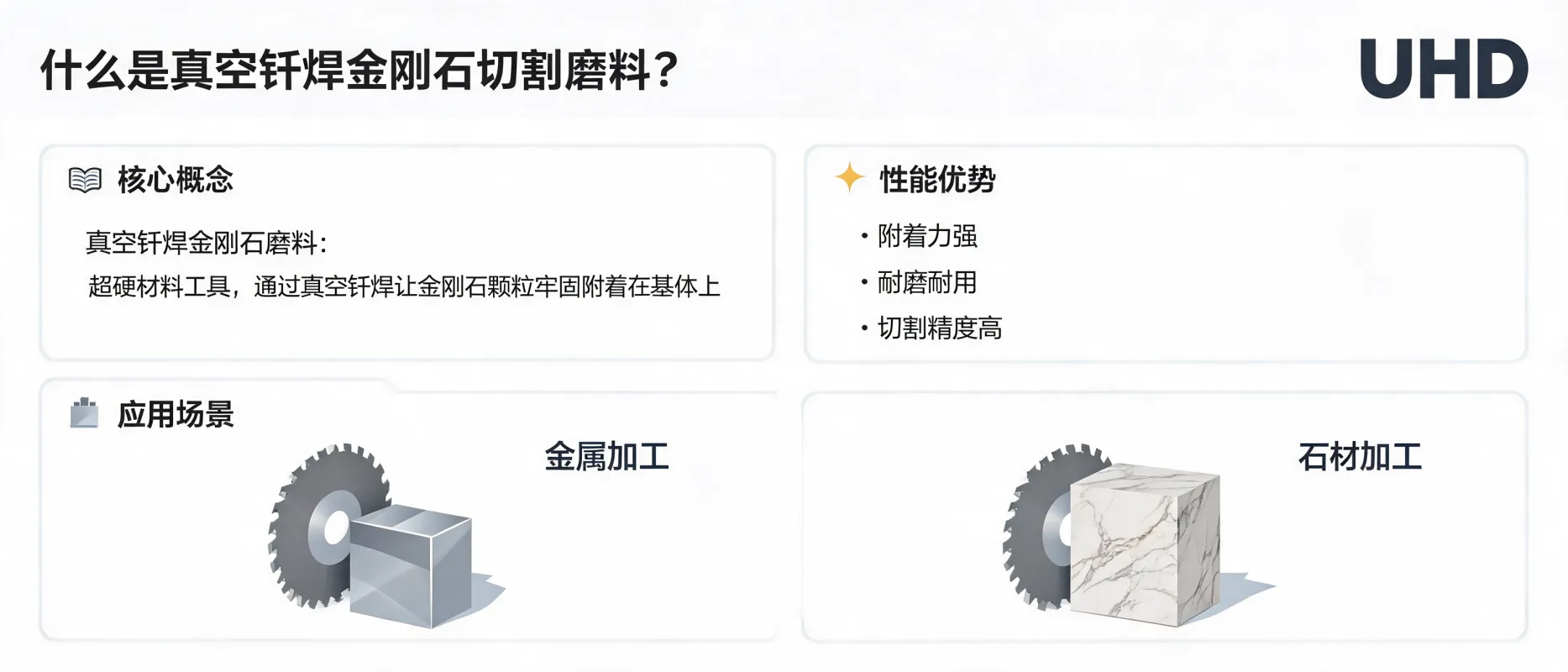
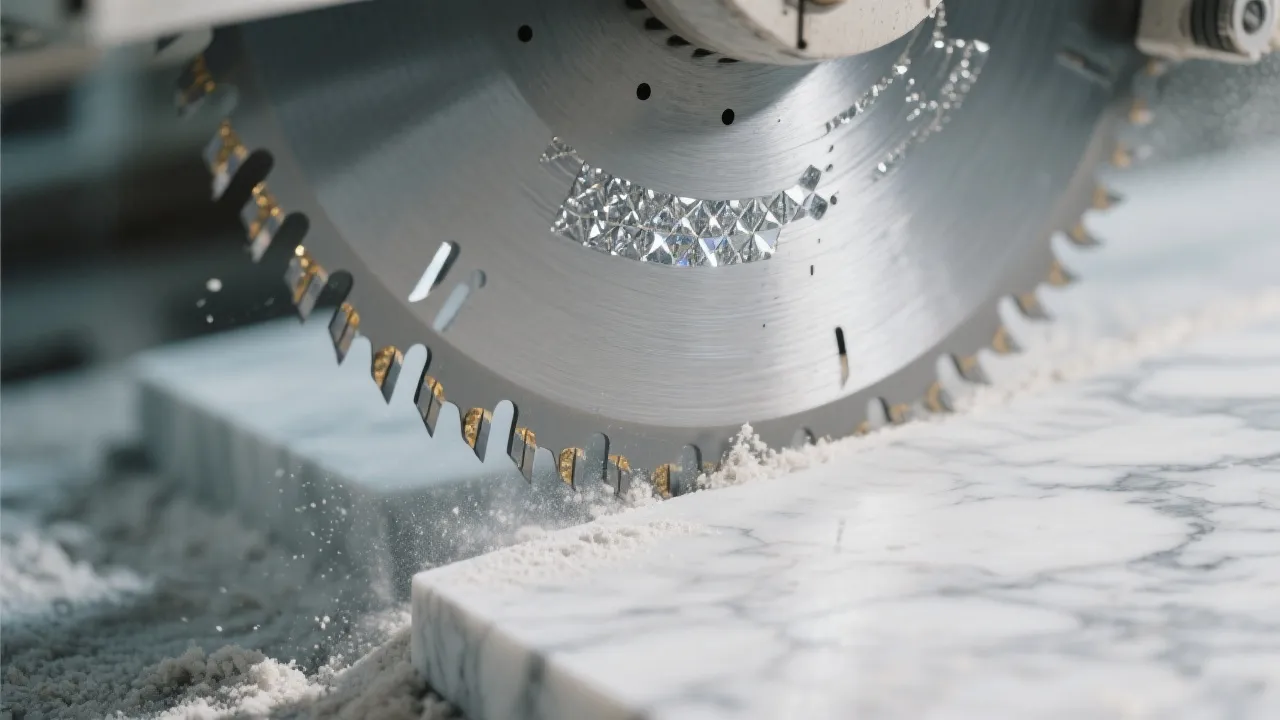
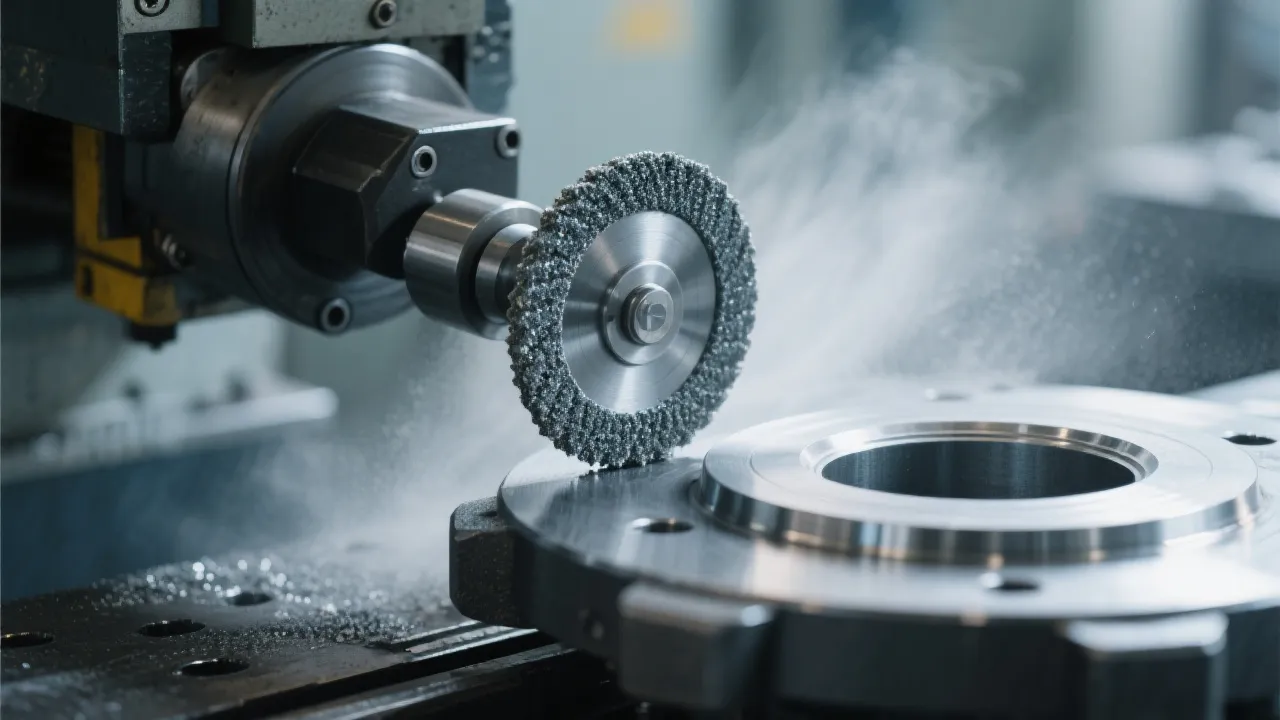
Vacuum brazed diamond cutting abrasives are a category of superhard tools designed for demanding industrial cutting tasks—commonly encountered in metal processing and stone processing.
This page explains what they are, how the structure works, and where they are typically applied—plus a clear baseline comparison to conventional cutting tools to support realistic technical selection.
For: Industrial buyers, engineers, and sourcing teams
Topic: Definition · Structure features · Applications
Provider: UHD Ultrahard Tools Co., Ltd (UHD)
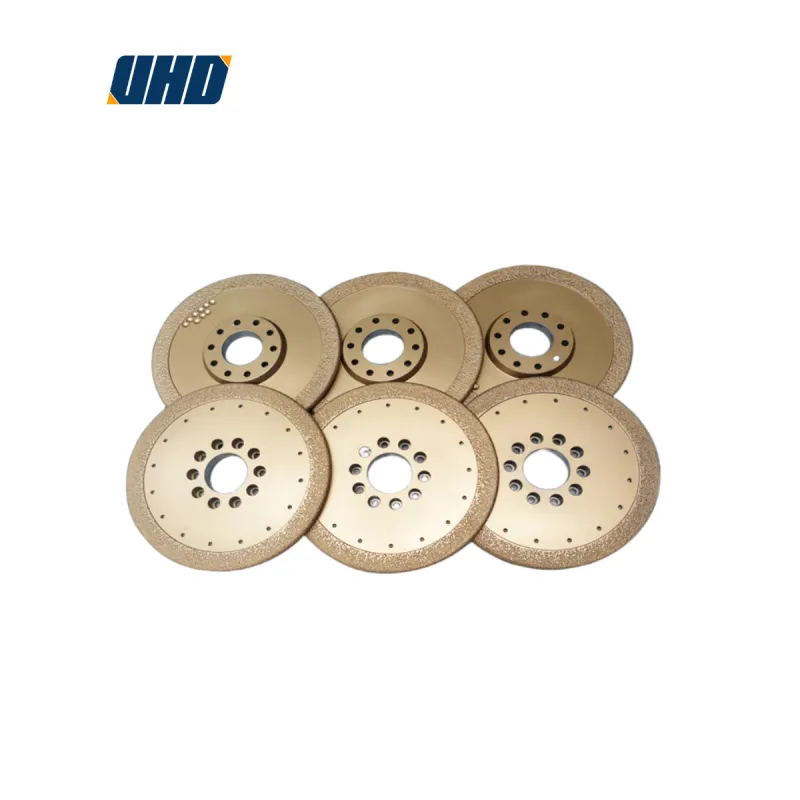
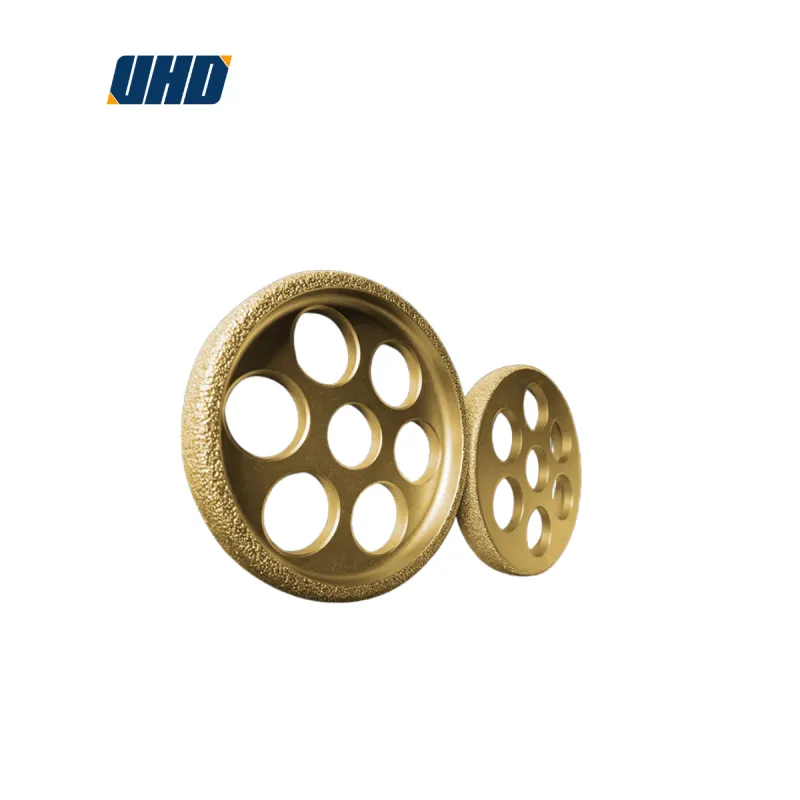
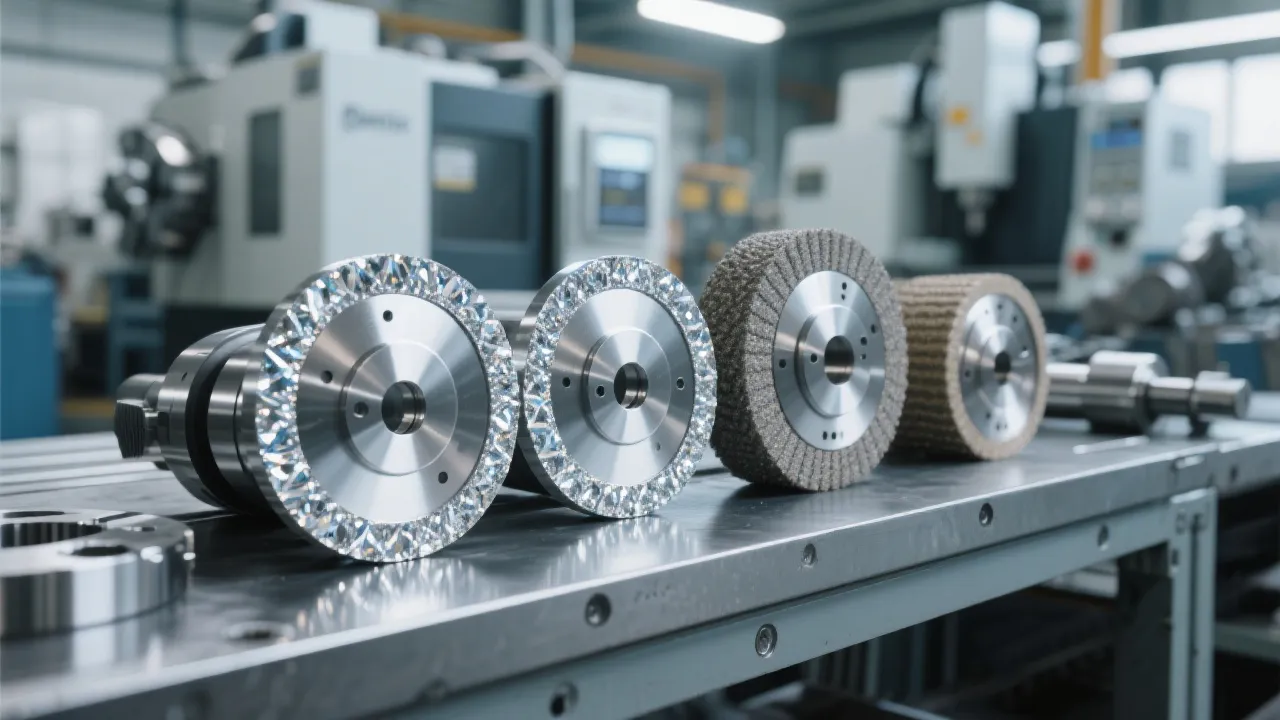
A vacuum brazed diamond cutting abrasive is a cutting/grinding tool in which diamond abrasive grains are brazed (metallurgically bonded) onto a tool body under vacuum brazing conditions. Instead of relying on a resin or vitrified bond matrix that gradually releases grains, brazing creates a strong bond layer that holds diamond particles firmly to the substrate.
In practical terms: vacuum brazed tools are often selected when a process needs aggressive cutting/grinding behavior and stable grain retention, especially in tough or abrasive materials.
Note: Tool suitability depends on material, machine power, coolant condition, required finish, and safety constraints. Selection should be verified by technical discussion and trials.
While designs vary by application (cutting, profiling, grinding, deburring), vacuum brazed diamond cutting abrasives typically share a common structure: a tool body, a brazed bonding layer, and exposed diamond grains that perform the cutting.
| Layer | Role in cutting | Why it matters to buyers |
|---|---|---|
| Tool body / substrate | Provides rigidity and geometry | Impacts balance, stability, and compatibility with machines/spindles |
| Brazed bonding layer | Metallurgically locks diamond grains | Key to grain retention and consistent cutting behavior |
| Exposed diamond grains | Directly performs cutting/grinding | Grain size and distribution affect aggressiveness, finish, and heat generation |
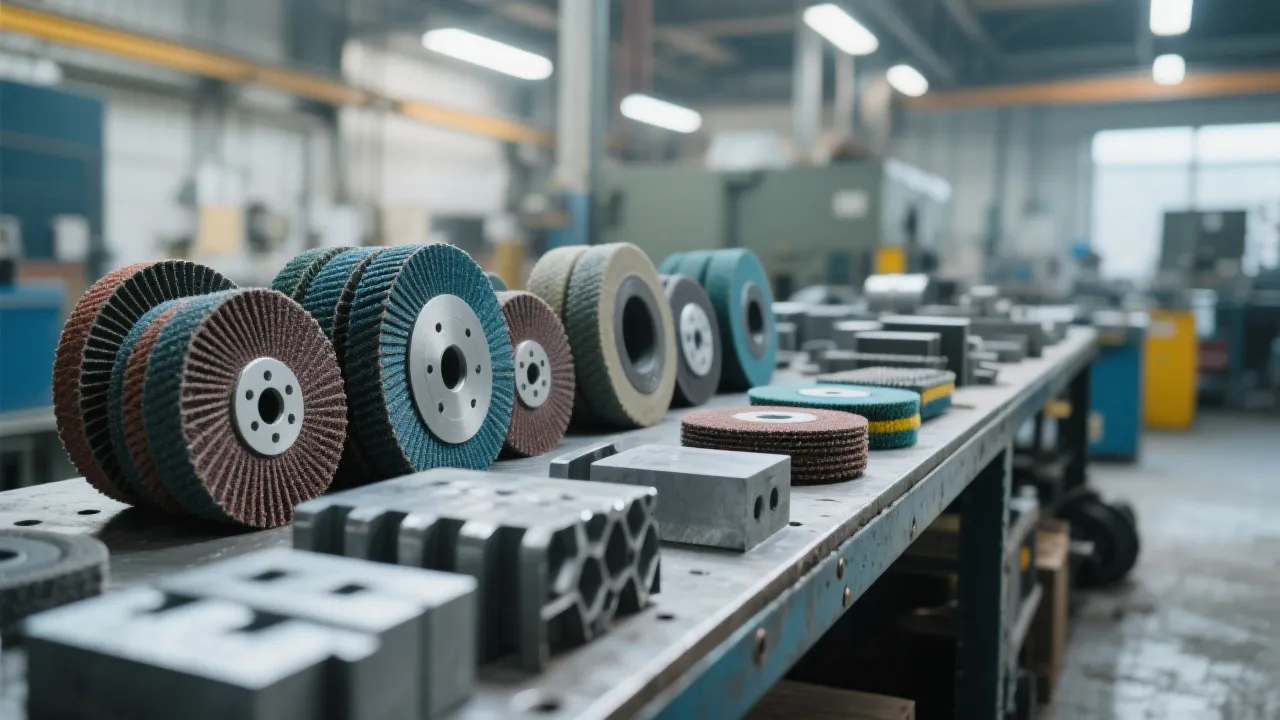
Vacuum brazed diamond cutting abrasives are used across multiple industrial workflows. Below are common application categories that UHD discusses with buyers during specification alignment.
Material suitability varies. Final tool choice should consider the specific alloy, hardness, and machine setup.
Engineering note: “Best application” is determined by the interaction of material, tool design, and operating parameters (RPM, feed, coolant, contact area). UHD supports buyers by clarifying these inputs before final selection.
For industrial sourcing, the most useful comparison is the bonding method and how it affects cutting behavior, wear mode, and maintenance expectations.
| Comparison point | Vacuum brazed diamond cutting abrasive | Conventional tools (typical bonded/standard options) |
|---|---|---|
| How abrasive is held | Metallurgical brazed bond to substrate | Often relies on bond matrix (resin/vitrified/other) or different tool mechanisms |
| Cutting aggressiveness (typical) | Often higher due to exposed diamond grains | May be smoother/less aggressive depending on bond and grit |
| Wear behavior | Depends on grain fracture and bond integrity under heat/load | Often designed to self-dress by releasing grains as bond wears |
| Selection focus | Match tool design + brazed layer + grit to material and parameters | Match bond type + grit + wheel/tool spec to finish and dressing strategy |
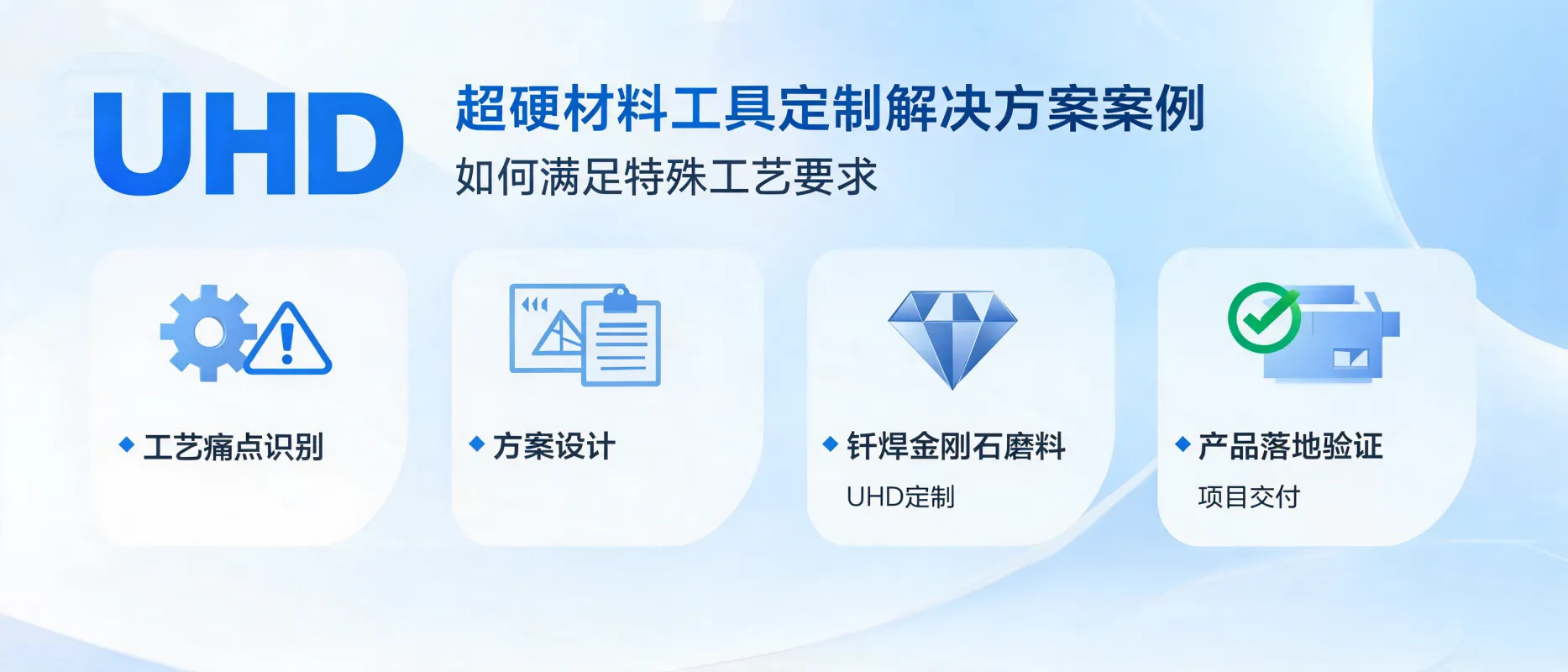
UHD Ultrahard Tools Co., Ltd (UHD) is a B2B-focused manufacturer specializing in superhard tools, including vacuum brazed diamond cutting abrasives. Our support is centered on helping industrial teams select specifications that match the real process window.
Work material
Type, hardness/abrasiveness, and any coatings or inclusions
Operation & geometry
Cutting/grinding mode, contact area, profile/edge requirements
Machine conditions
Power, RPM range, rigidity, spindle/interface, guarding
Process targets
Cut rate, finish, thermal limits, consistency, changeover goals
UHD follows an innovation-driven, quality-first approach and collaborates with academic partners (such as Henan University of Technology) to strengthen development in superhard cutting tools. For international buyers, we operate within a B2B foreign trade service system to support clear communication and specification alignment.
If you are evaluating vacuum brazed diamond cutting abrasives for industrial cutting in metal or stone processing, UHD can support a structured selection discussion—focused on tool form, operating parameters, and realistic performance boundaries.
To speed up specification: share your work material, machine model/RPM, operation type, and target outcome (cut rate vs. finish).
UHD will recommend suitable options based on your inputs and application constraints.
.png?x-oss-process=image/resize,h_800,m_lfit/format,webp)

 464
|
464
|
 UHD Ultrahard Tools Co., Ltd
ultrahard tools purchasing
hardness misconception
tool selection criteria
industrial buyer
439
|
UHD Ultrahard Tools Co., Ltd
ultrahard tooling industry trend
solution-based competition
B2B technical service
custom tooling and brazed diamond abrasives
374
|
UHD Ultrahard Tools Co., Ltd
custom ultrahard tooling solution
brazed diamond abrasive tools
process pain points
project delivery and validation
231
|
UHD Ultrahard Tools Co., Ltd
ultrahard material tools
diamond tools
vacuum brazed diamond abrasives
abrasives and grinding tools
460
|
gray cast iron grinding wheel selection
vacuum brazed diamond grinding wheel
diamond wheel grit size for cast iron
low dust cast iron grinding
CE compliance grinding tools
UHD Ultrahard Tools Co., Ltd
ultrahard tools purchasing
hardness misconception
tool selection criteria
industrial buyer
439
|
UHD Ultrahard Tools Co., Ltd
ultrahard tooling industry trend
solution-based competition
B2B technical service
custom tooling and brazed diamond abrasives
374
|
UHD Ultrahard Tools Co., Ltd
custom ultrahard tooling solution
brazed diamond abrasive tools
process pain points
project delivery and validation
231
|
UHD Ultrahard Tools Co., Ltd
ultrahard material tools
diamond tools
vacuum brazed diamond abrasives
abrasives and grinding tools
460
|
gray cast iron grinding wheel selection
vacuum brazed diamond grinding wheel
diamond wheel grit size for cast iron
low dust cast iron grinding
CE compliance grinding tools






.png?x-oss-process=image/resize,h_100,m_lfit/format,webp)
.png?x-oss-process=image/resize,h_100,m_lfit/format,webp)
.png?x-oss-process=image/resize,h_100,m_lfit/format,webp)