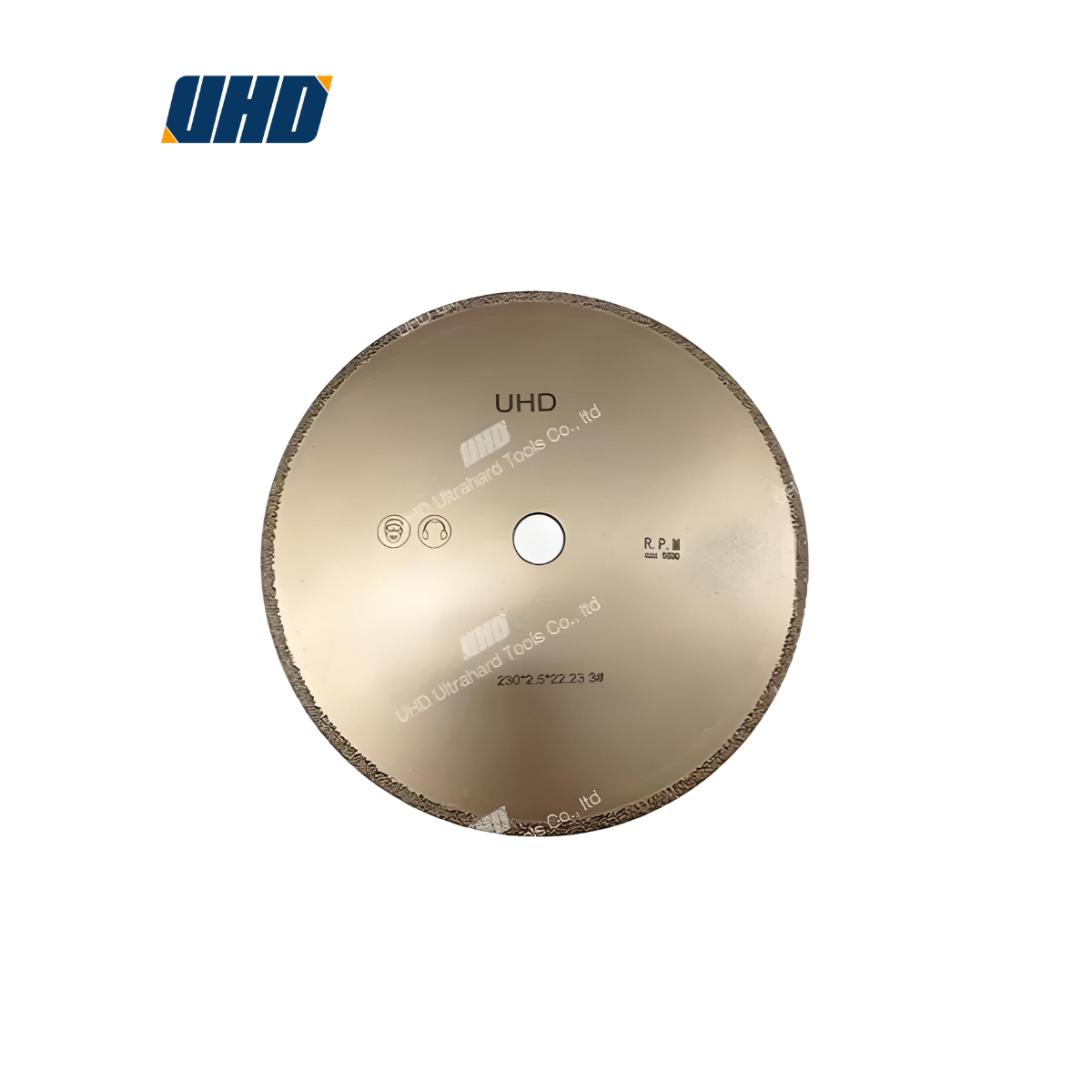
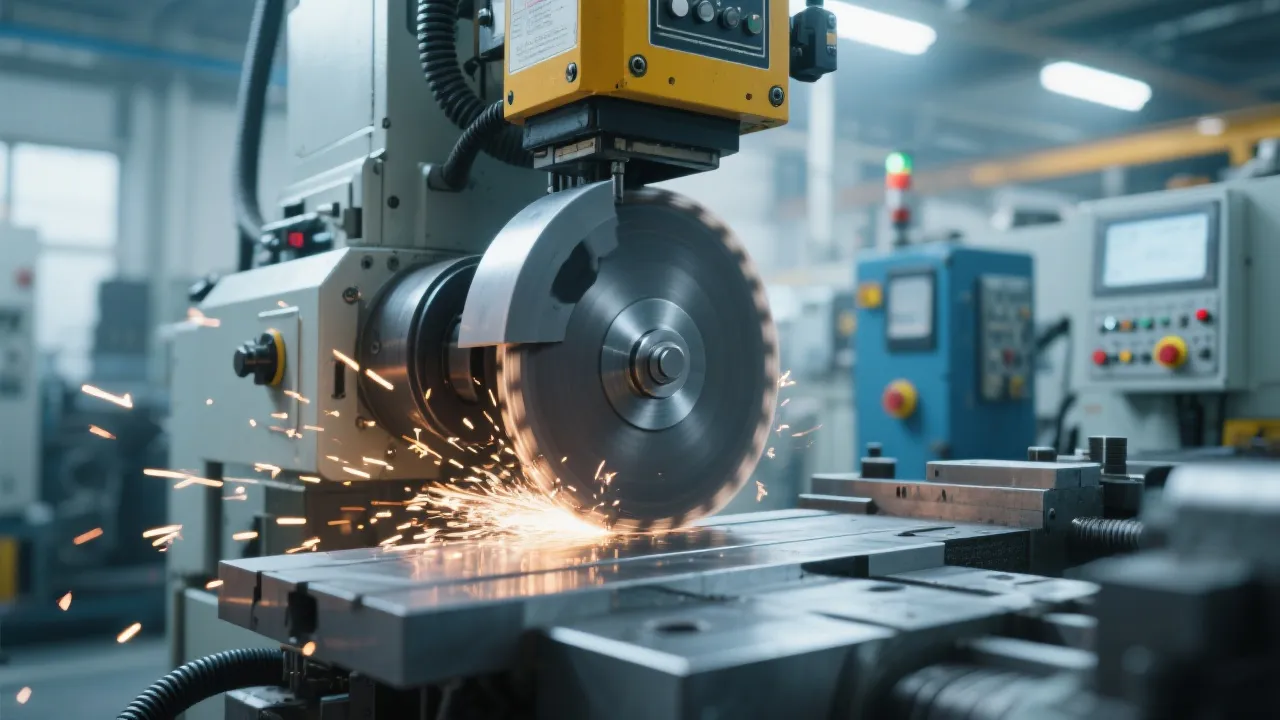
Vacuum brazed diamond cutting abrasives are a class of ultrahard material tools designed for fast cutting and grinding on hard-to-machine substrates. On this knowledge page, UHD Ultrahard Tools Co., Ltd explains what they are, how they are built, why they work, and where they should (and should not) be used—especially across metalworking and stone processing.
This page is written for industrial procurement teams and process/maintenance engineers evaluating vacuum-brazed diamond tools such as vacuum brazed diamond grinding discs for hard materials.
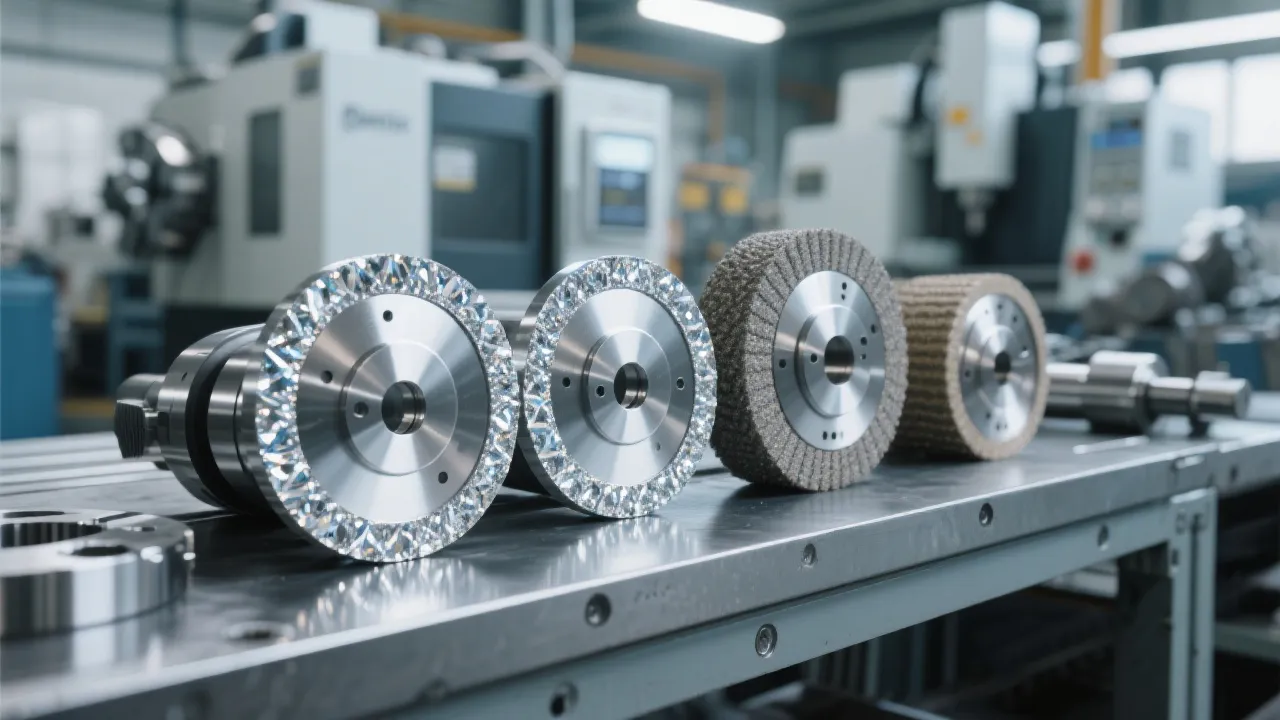
Vacuum brazed diamond cutting abrasives are tools in which diamond grits are metallurgically bonded to a metal body through a brazing process performed under vacuum conditions. The brazed joint anchors each grit firmly so the abrasive layer can maintain cutting ability under demanding contact and heat.
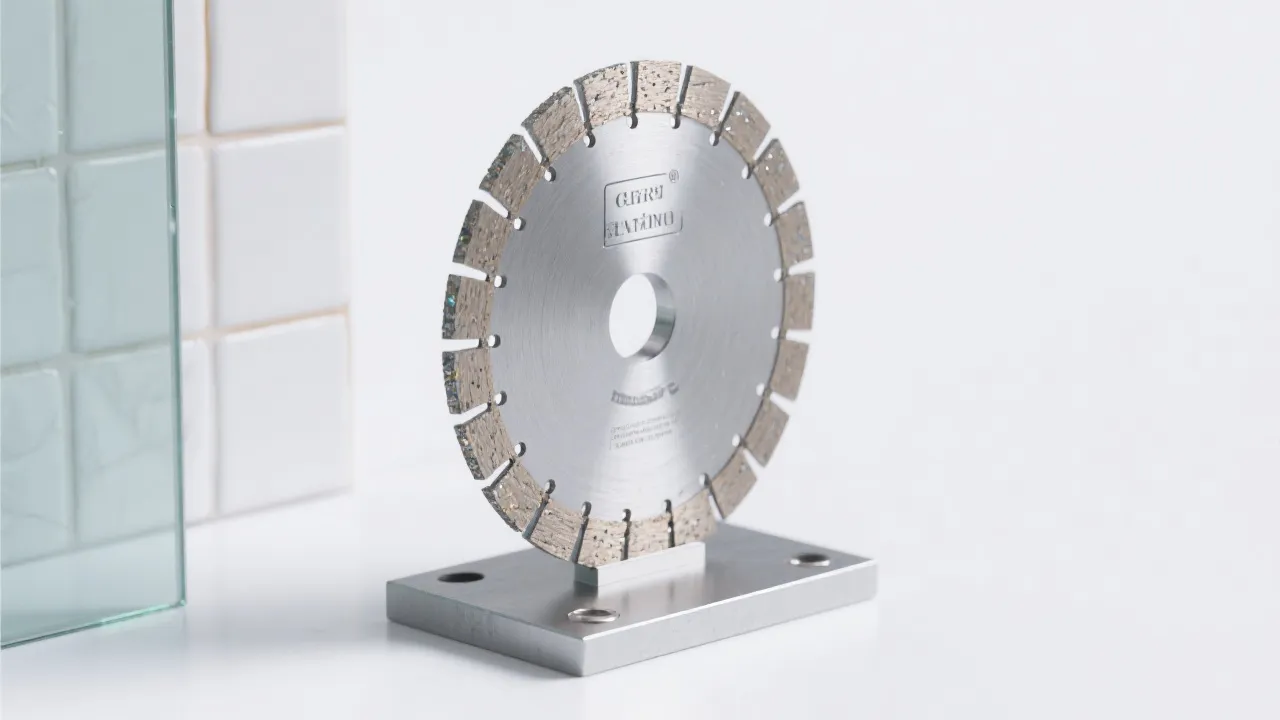
In practice, this construction is commonly used in tool forms such as grinding discs/wheels and other diamond abrasive geometries for heavy-duty stock removal, edge shaping, and surface preparation where both efficiency and wear resistance are required.
When selecting vacuum brazed diamond cutting abrasives for industrial use, engineers usually focus on performance boundaries rather than generic claims. Based on UHD’s vacuum-brazed diamond tool design approach, the most relevant evaluation points include:
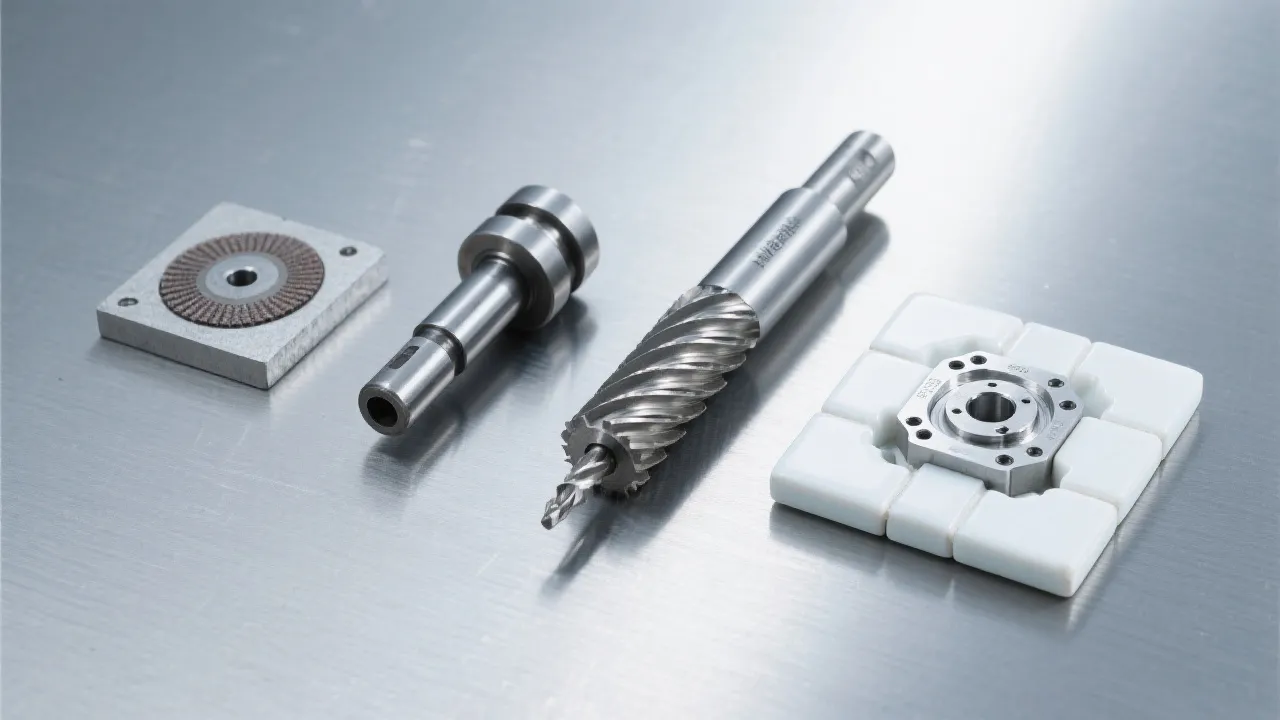
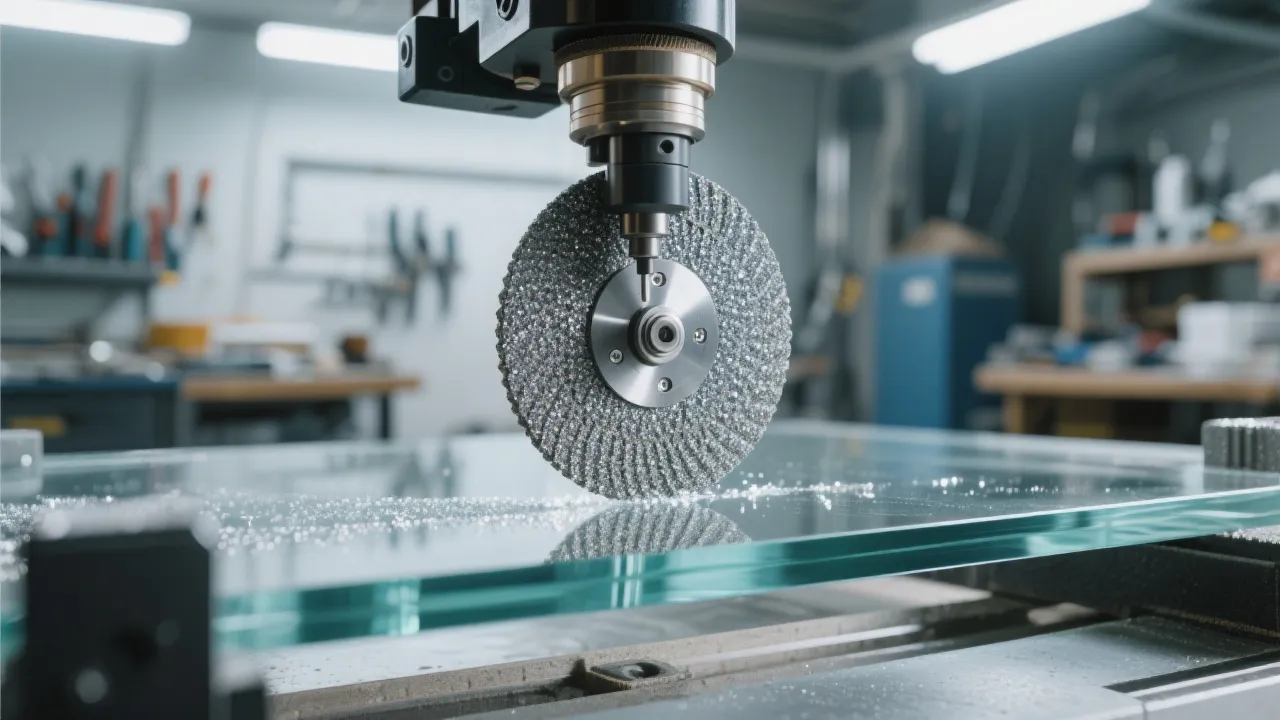
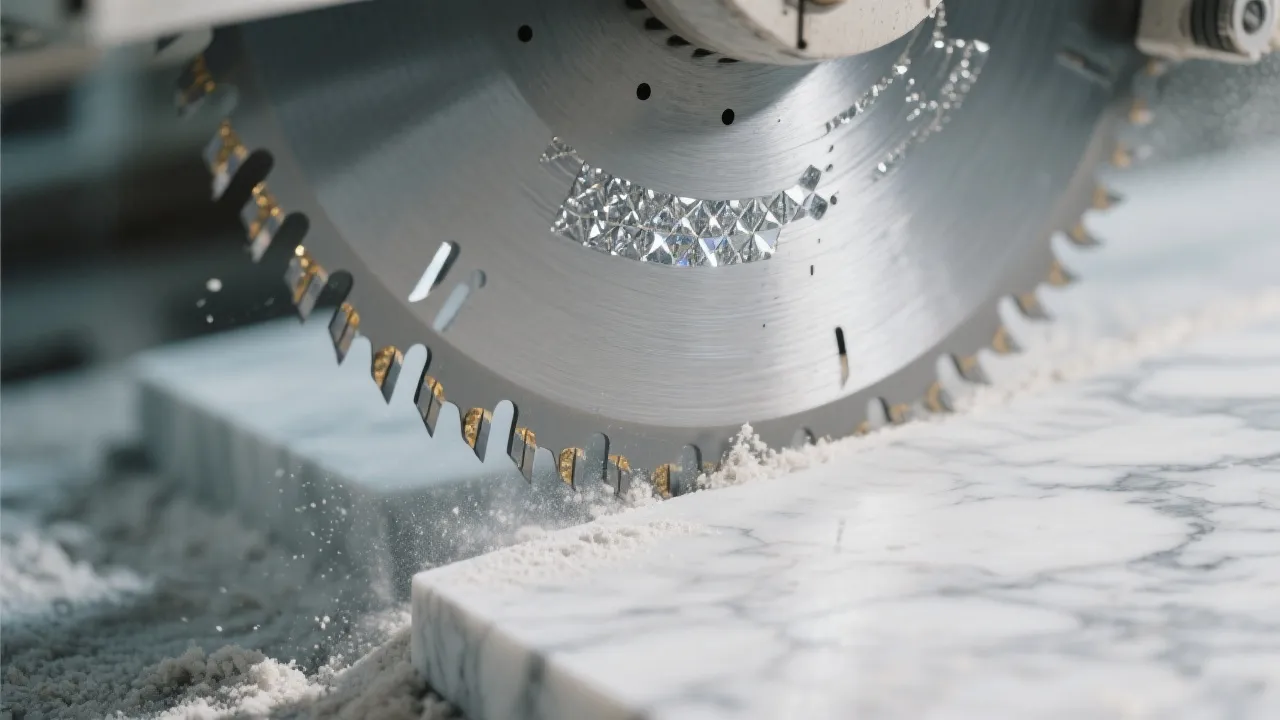
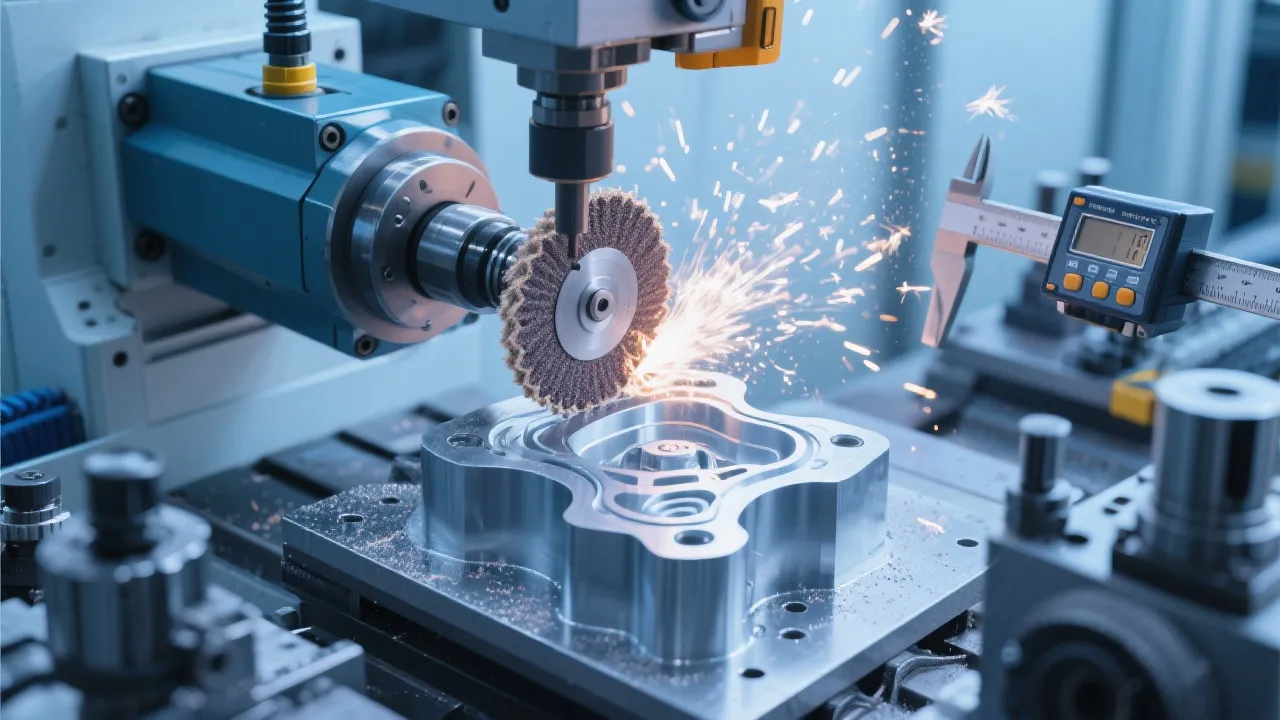
Vacuum brazed diamond cutting abrasives are used in both metalworking and stone processing, but correct selection depends on the exact workpiece and the operation goal (rough grinding, shaping, edge work, or surface preparation).
Application boundaries are determined by workpiece hardness/structure, contact mode, and tool geometry. If you are unsure, share your material, machine type, and target finish—UHD can help confirm suitability without over-specifying.
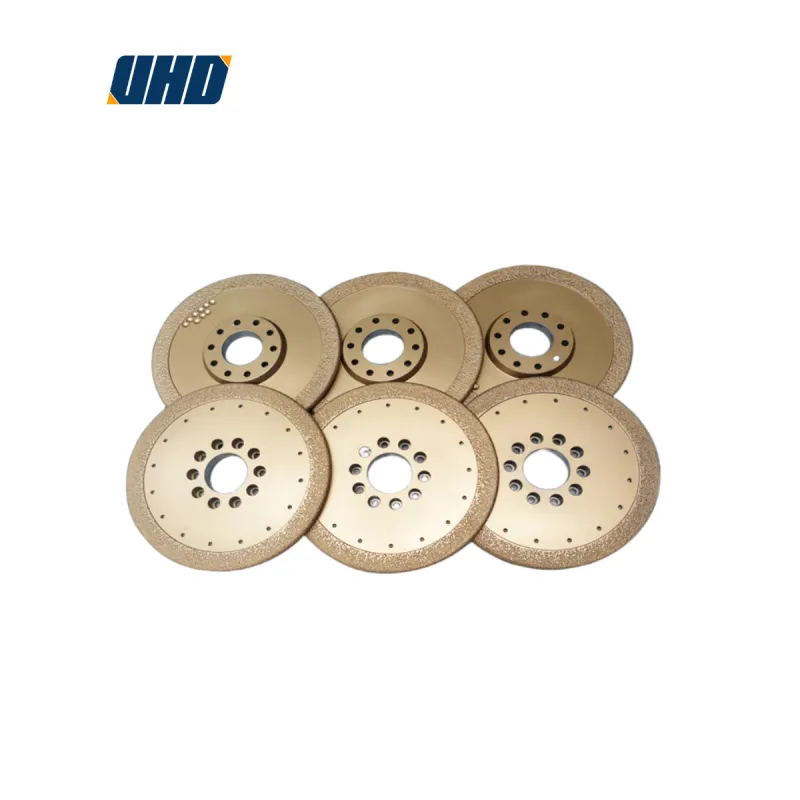
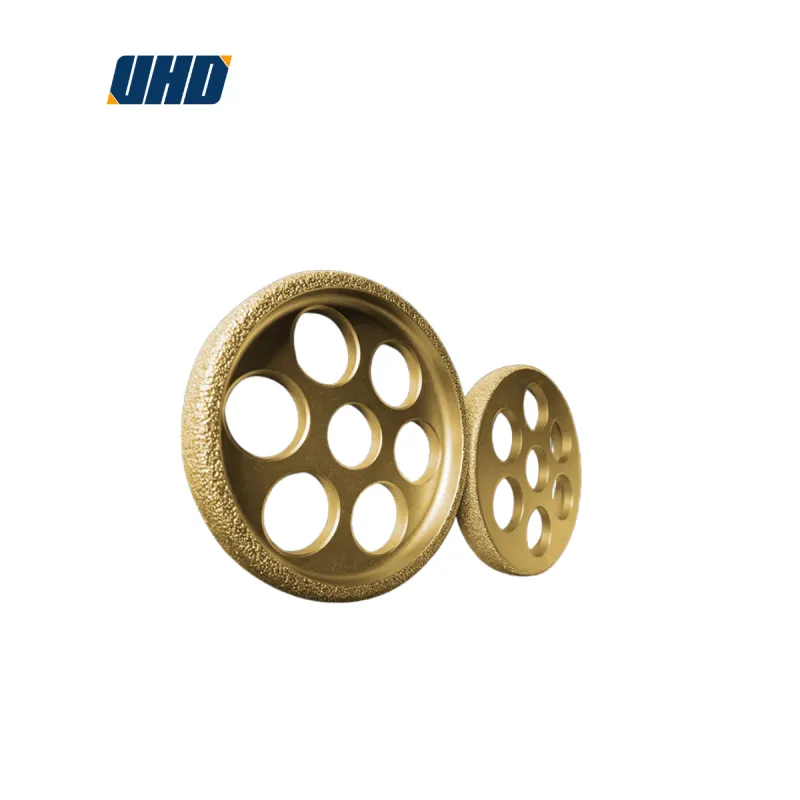
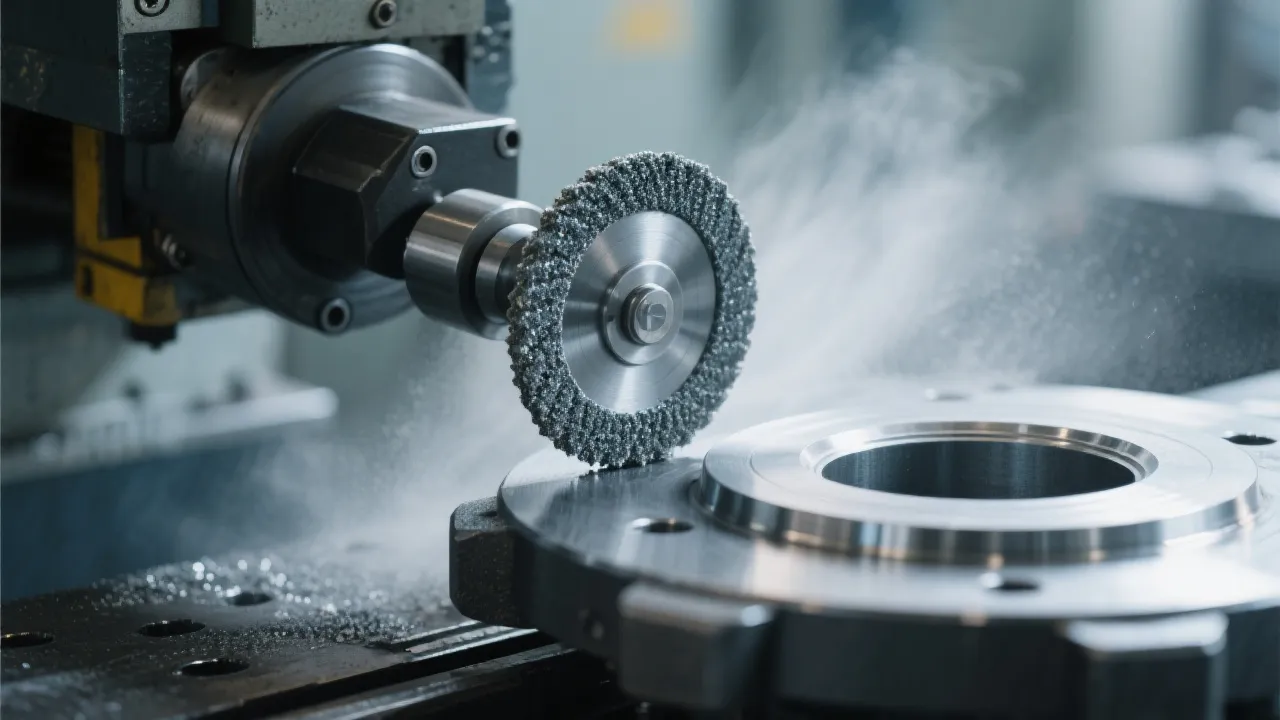
UHD offers a contoured-profile vacuum brazed diamond grinding disc engineered for demanding grinding scenarios. The design uses high-quality diamond grits combined with an innovative brazing process to support high grinding efficiency and strong wear resistance.
UHD Ultrahard Tools Co., Ltd is a high-tech enterprise focused on R&D, manufacturing, and supply of ultrahard material tools, serving global B2B buyers in industrial markets.
Share your workpiece material (e.g., gray iron / ductile iron / stainless steel / stone), operation (grinding, shaping, surface preparation), and preferred disc diameter (100–180 mm). UHD can recommend an appropriate flat or contoured vacuum-brazed diamond grinding disc specification aligned with your application boundaries.
.png?x-oss-process=image/resize,h_800,m_lfit/format,webp)

 232
|
232
|
 diamond grinding wheel selection
curved profile grinding wheel
diamond grinding process optimization
gray cast iron grinding tool
stainless steel thin-wall grinding
468
|
vacuum brazed diamond grinding wheel
automotive parts machining
ductile iron grinding wheel
customized industrial cutting tools
green eco-friendly grinding wheels
446
|
brazed diamond grinding disc
electroplated diamond disc
active brazing metallurgical bond
diamond grit retention
high temperature wear resistance
205
|
gray cast iron grinding disc size
diamond grinding wheel diameter 100-180mm
100mm 125mm diamond disc for internal grinding
150mm 180mm diamond disc for deburring
grinding efficiency cast iron optimization
82
|
brazed diamond grinding wheel
stainless steel grinding
diamond wheel maintenance
grinding wheel longevity
stainless steel研磨技巧
diamond grinding wheel selection
curved profile grinding wheel
diamond grinding process optimization
gray cast iron grinding tool
stainless steel thin-wall grinding
468
|
vacuum brazed diamond grinding wheel
automotive parts machining
ductile iron grinding wheel
customized industrial cutting tools
green eco-friendly grinding wheels
446
|
brazed diamond grinding disc
electroplated diamond disc
active brazing metallurgical bond
diamond grit retention
high temperature wear resistance
205
|
gray cast iron grinding disc size
diamond grinding wheel diameter 100-180mm
100mm 125mm diamond disc for internal grinding
150mm 180mm diamond disc for deburring
grinding efficiency cast iron optimization
82
|
brazed diamond grinding wheel
stainless steel grinding
diamond wheel maintenance
grinding wheel longevity
stainless steel研磨技巧



.png?x-oss-process=image/resize,h_100,m_lfit/format,webp)
.png?x-oss-process=image/resize,h_100,m_lfit/format,webp)
.png?x-oss-process=image/resize,h_100,m_lfit/format,webp)