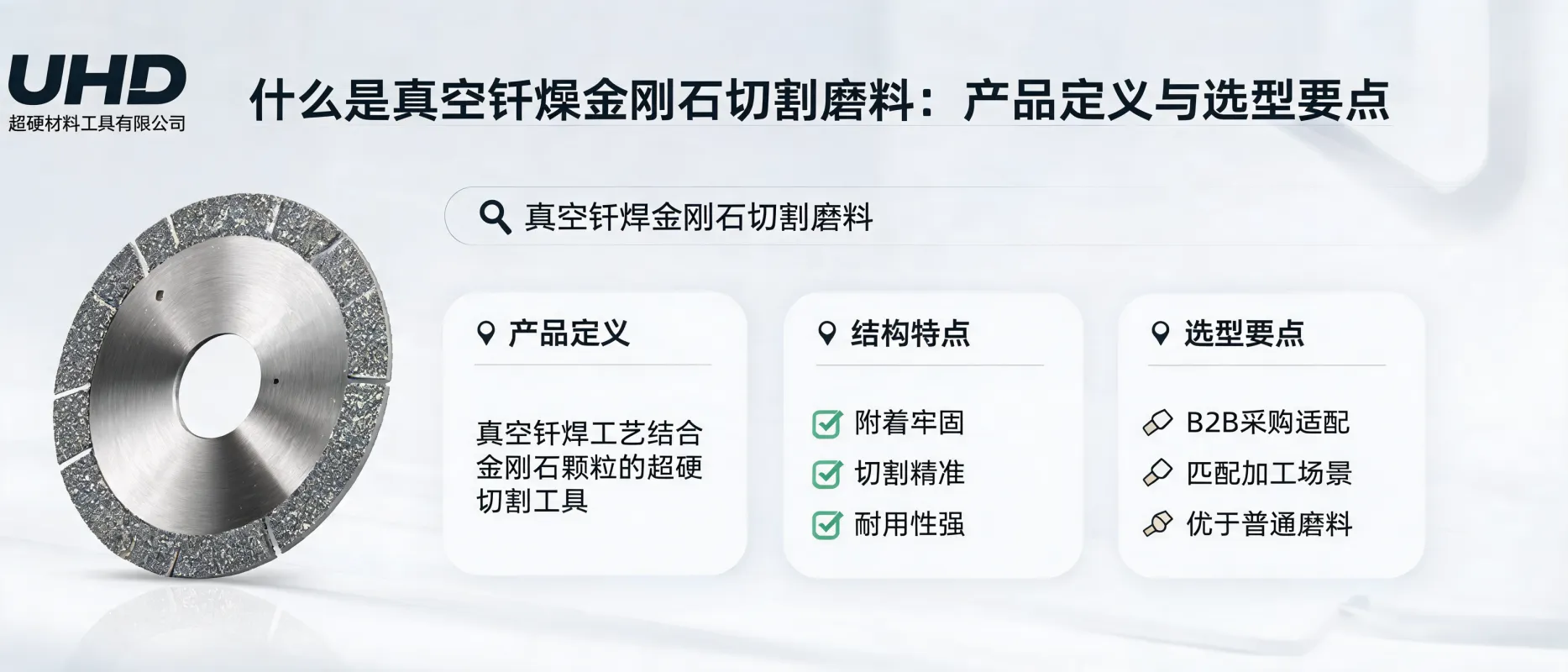
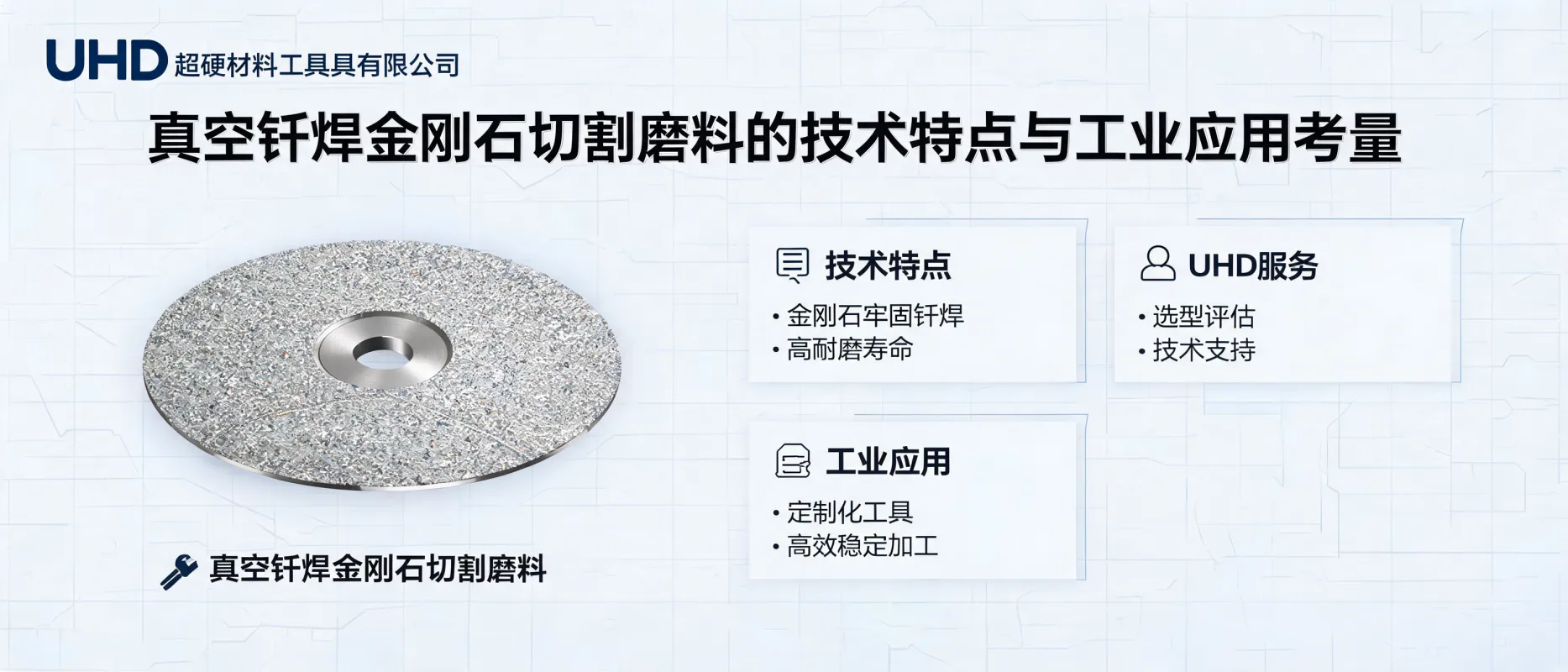
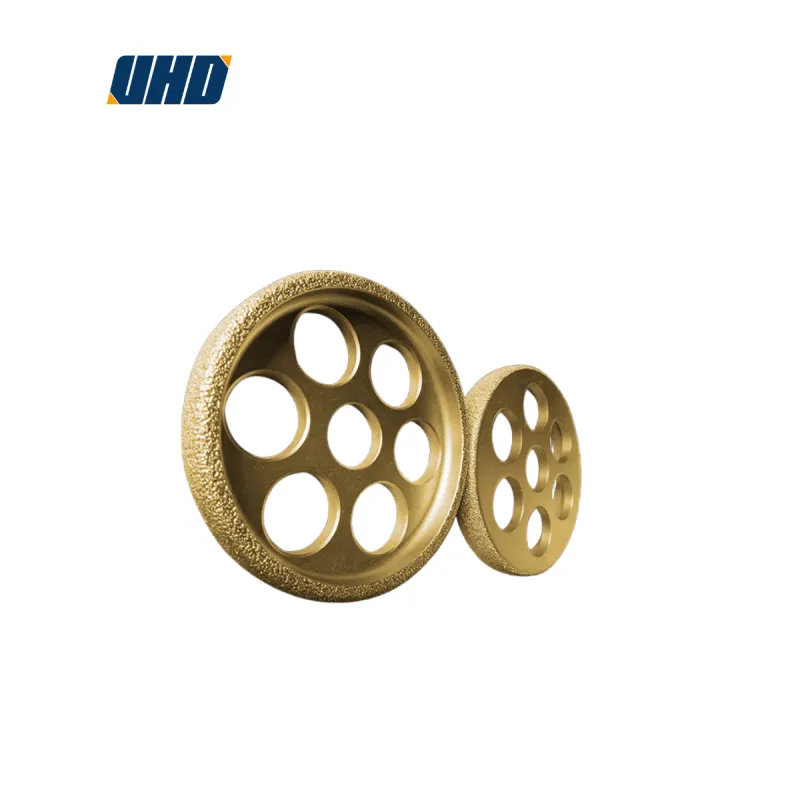
Vacuum brazed diamond cutting abrasives are superhard tools where diamond grits are metallurgically bonded to a tool body through a vacuum brazing process. This structure is designed to keep the diamonds exposed and secure, supporting stable cutting and grinding performance in demanding industrial use.
At UHD Ultrahard Tools Co., Ltd (UHD), we focus on vacuum brazed diamond technology with a practical emphasis on the brazed diamond grinding wheel—especially for ductile iron machining and related metalworking tasks—while also supporting applications in stone processing.
Because the diamond grits remain more exposed compared with many conventional bonded abrasives, vacuum brazed tools are often selected when users prioritize fast material removal, stable bite, and a longer effective cutting phase.
UHD applies strict quality inspection and supports international quality certifications as applicable, aiming for consistent performance and safe use in industrial environments.
| Performance factor | What it affects in production | Typical design / process levers |
|---|---|---|
| Sharpness | Initial bite, cutting stability, tendency to rub vs. cut | Grit selection, exposure, distribution, wheel geometry |
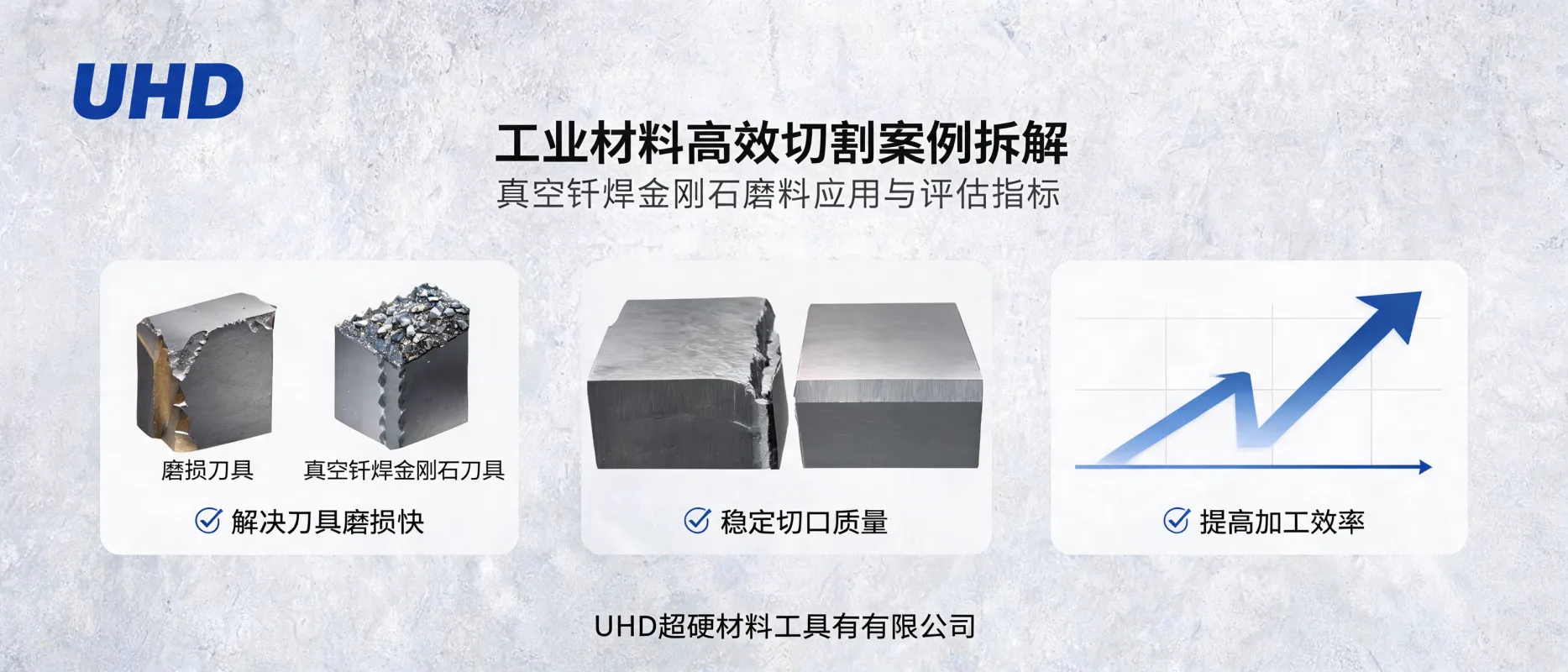
| Wear resistance | Tool life, consistency between changes, cost per part | Bond strength (vacuum brazing), diamond quality, operating parameters |
| Cutting efficiency | Cycle time, throughput, heat generation risk | Grit size, contact length, wheel speed/feed alignment to workpiece |
| Dust control (process impact) | Shop cleanliness, operator environment, compliance targets | Wheel design optimization + appropriate extraction/guarding in use |
| Safety & stability | Reliable operation, reduced risk during high-load grinding | Manufacturing consistency, inspection, correct mounting and RPM compliance |
Selection should be based on the workpiece material (e.g., ductile iron vs. stone), target surface requirement, and machine conditions. UHD can help map your process to a suitable brazed diamond grinding wheel specification.
| Tool type | Bonding concept | Practical implication | Typical fit |
|---|---|---|---|
| Vacuum brazed diamond cutting abrasives | Metallurgical brazed bond holding exposed diamonds | Strong grit retention, aggressive cutting, stable performance under load | Industrial cutting/grinding where sharpness and wear resistance matter |
| Conventional bonded abrasives | Resin / vitrified / other matrix bonds | Different balance of finish, self-sharpening behavior, and cost structure | General grinding where established bond systems are preferred |
| Standard diamond tools (non-brazed types) | Varies by tool form (segments, bonded layers, etc.) | Performance depends on tool category and intended material | Stone processing and other applications matched to specific tool designs |
Note: “better” is application-dependent. The right choice depends on your material removal target, finish requirement, machine capability, and cost model.
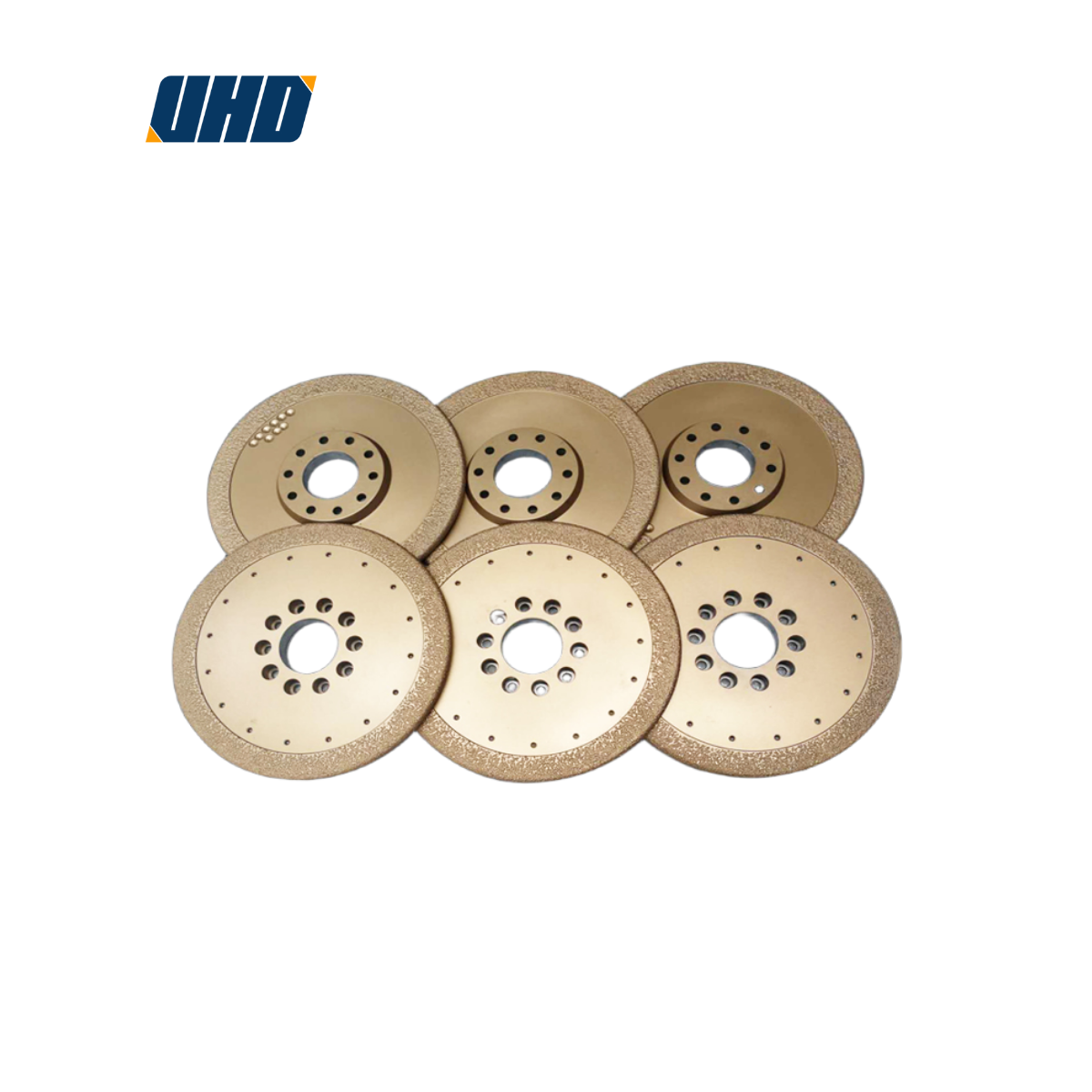
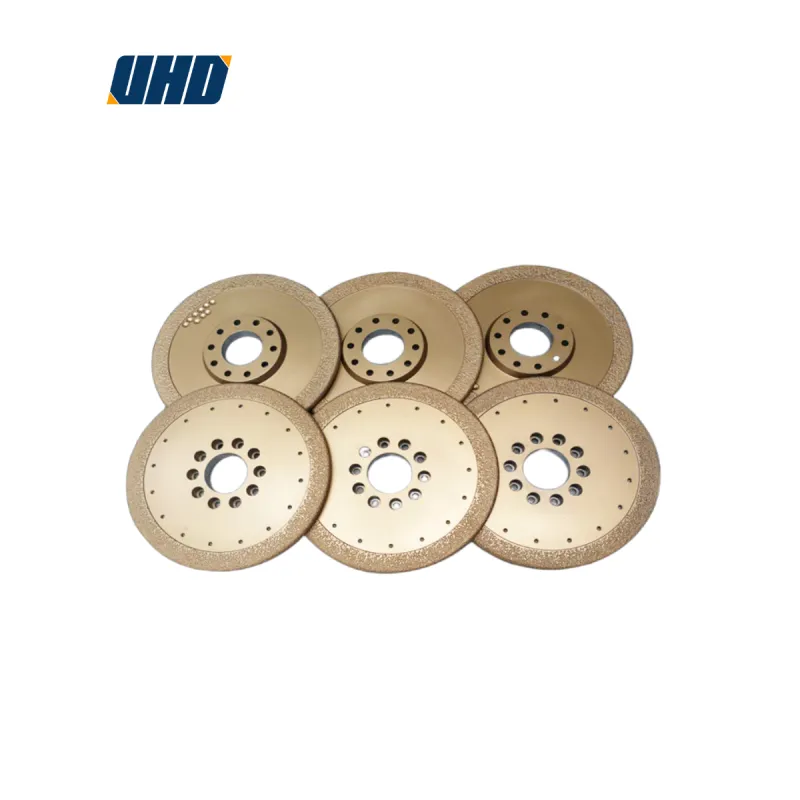
Example image: vacuum brazed diamond abrasive wheel (appearance may vary by specification and customization).
For a vacuum brazed diamond cutting abrasive—especially a brazed diamond grinding wheel—UHD typically confirms the following to recommend a suitable configuration:
UHD is a high-tech enterprise specialized in R&D, manufacturing, and sales of superhard material tools, including diamond tools, abrasive products, and customized vacuum brazed diamond abrasives. We cooperate with academic partners such as Henan University of Technology to support application-driven development and continuous improvement.
With a B2B-oriented international service workflow, UHD supports buyers seeking reliable supply, clear specifications, and engineering communication for metalworking and stone processing applications.
Application boundary reminder: tool performance depends on correct RPM compliance, mounting, coolant/dry strategy, and matched parameters. If you share your material and machine conditions, UHD can help determine whether a vacuum brazed diamond grinding wheel is the appropriate solution and which specification is suitable.
 333
|
 UHD Ultrahard Tools Co., Ltd
ultrahard tools purchasing
diamond tools procurement
supplier evaluation
process matching
407
|
UHD Ultrahard Tools Co., Ltd
ultrahard material tools purchasing
product and process matching
custom tool support
supplier evaluation
407
|
UHD Ultrahard Tools Co., Ltd
ultrahard material tools
metalworking tool selection guide
wear resistance in cutting tools
industrial procurement decision
215
|
UHD Ultrahard Tools Co., Ltd
vacuum brazed diamond abrasives
industrial material cutting case
tool wear reduction
kerf quality improvement
267
|
UHD Ultrahard Tools Co., Ltd
custom brazed diamond abrasives
industrial machining case study
parameter matching
solution design