

UHD Ultrahard Tools Co., Ltd develops and supplies ultrahard material tools for B2B procurement, focusing on vacuum brazed diamond cutting abrasives and related diamond grinding products used in metal processing and stone processing. This page explains how vacuum brazed structures work, what performance indicators matter in real production, and how buyers and engineers can evaluate specifications and supplier fit.
Selection should be based on structure (brazed diamond layer + core/body), workpiece material compatibility, and operating parameters—not only on nominal diameter or appearance.
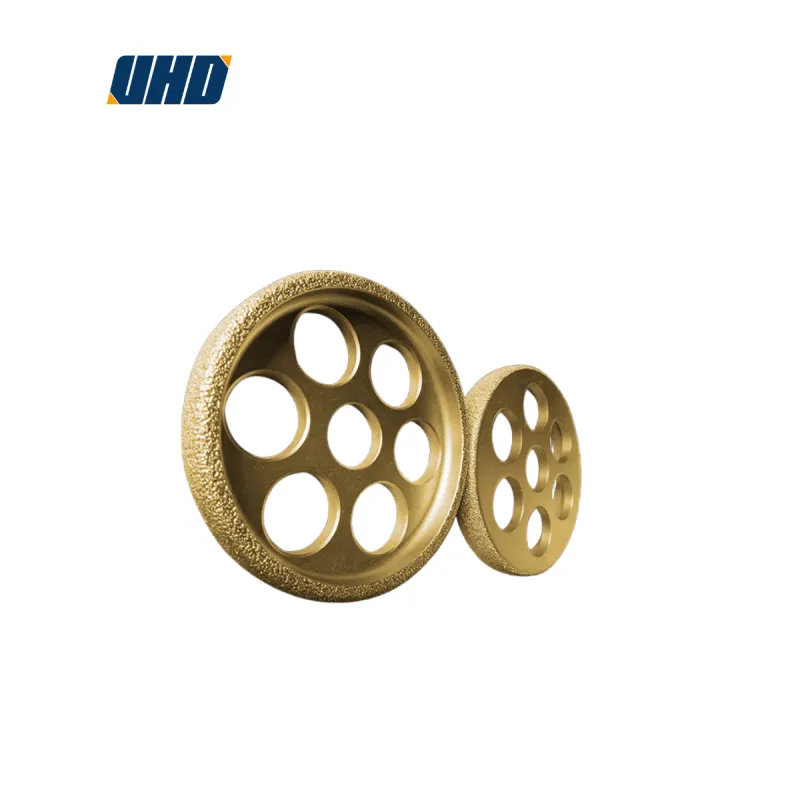
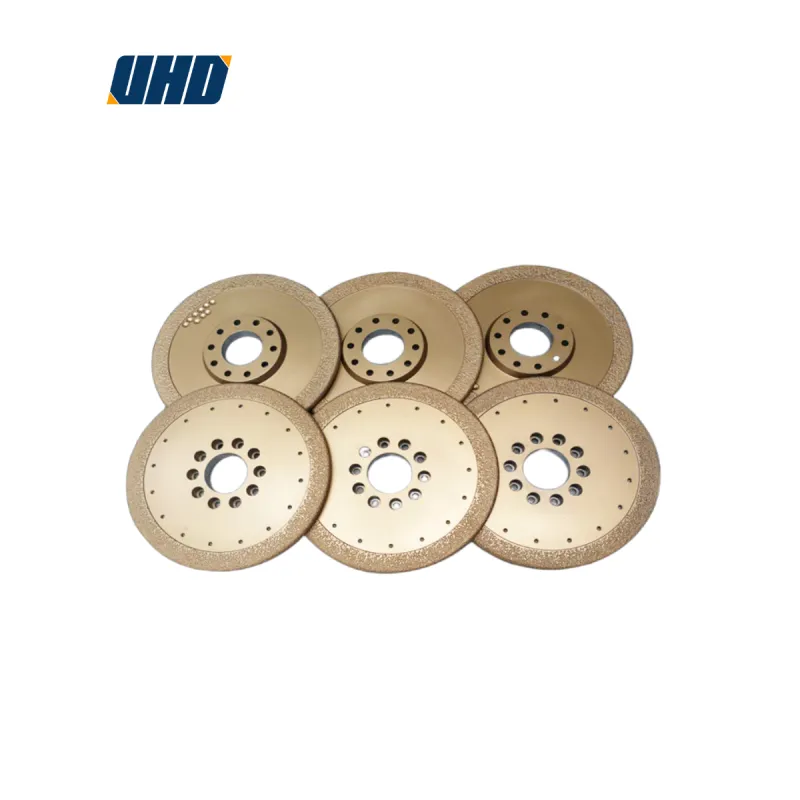
180 mm High-Wear Vacuum Brazed Diamond Grinding Disc
Model: “Brazed Diamond Grinding 100” (Code: 402)
Typical use: stainless steel grinding

Image for reference. Confirm dimensions, arbor, and specification for your machine and process.
Vacuum brazed diamond cutting abrasives typically combine a diamond abrasive layer with a core/body design. In vacuum brazing, diamond particles are bonded to the tool body through a brazed layer under controlled conditions, aiming to improve particle retention and structural stability under cutting or grinding loads.
For industrial evaluation of vacuum brazed diamond cutting abrasives, use consistent KPIs aligned with your workpiece and process. The indicators below help procurement teams and engineers communicate requirements clearly when comparing suppliers.
For OEM or process-specific needs, customization typically focuses on:
UHD’s 180 mm high-wear vacuum brazed diamond grinding disc is positioned for stainless steel processing. According to the provided product information, it uses a turned core/body combined with a vacuum brazing process to achieve a robust structure and efficient grinding behavior. The product is described as wear-resistant, supporting longer service life and lower replacement frequency under comparable operating conditions.
Use structure and KPI language to request comparable quotes, align trials, and evaluate vacuum brazed diamond cutting abrasives for long-term supply.
Specify workpiece material, operating parameters, and tool-body requirements to reduce trial iterations and improve process stability.
Select application-fit products for stainless steel and other industrial materials, and coordinate customization or private label requirements where needed.
As a high-tech enterprise specializing in ultrahard material tools, UHD Ultrahard Tools Co., Ltd supports B2B customers with product development, manufacturing, and technical communication. UHD’s portfolio covers diamond tools, abrasives, and custom vacuum brazed diamond abrasives—aiming to provide application-fit solutions for industrial cutting and grinding.
For an accurate recommendation, prepare your workpiece material, machine type, diameter/arbor requirements, and target operation (cutting vs. grinding, rough vs. finishing). This enables efficient technical evaluation and specification confirmation.
 314
|
 UHD Ultrahard Tools Co., Ltd brazed diamond grinding disc stainless steel grinding wheel high wear resistance grinding disc industrial metal processing tools
407
|
UHD Ultrahard Tools Co., Ltd ultrahard material tools purchasing product and process matching custom tool support supplier evaluation
109
|
UHD Ultrahard Tools Co., Ltd superhard material tools vacuum brazed diamond tools diamond cutting abrasives metal and stone processing
311
|
UHD Ultrahard Tools Co., Ltd ultrahard material solutions custom diamond tools machining scenario matching technical service for industrial tooling
185
|
UHD Ultrahard Tools Co., Ltd superhard materials tools vacuum brazed diamond abrasives diamond cutting abrasives metal and stone processing tools


