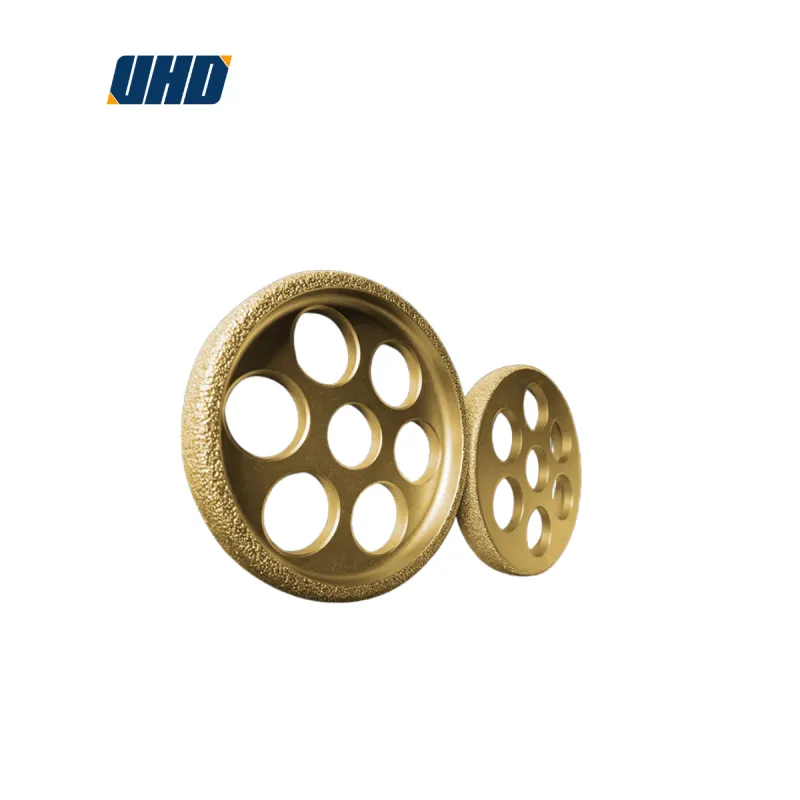
Vacuum brazed diamond cutting abrasives are engineered for demanding industrial cutting and grinding tasks where a stable bond, efficient material removal, and predictable wear behavior are required. On this page, UHD Ultrahard Tools Co., Ltd (UHD) explains how vacuum brazing bonding works, what performance features are typically evaluated, where these abrasives are commonly applied, and what procurement and technical teams can use as practical checkpoints when comparing vacuum brazed solutions with more traditional abrasive products.
Positioning: UHD is a B2B-focused manufacturer specializing in ultrahard material tools, including vacuum brazed diamond cutting abrasives for metalworking and stone-processing related operations, with an emphasis on quality-driven product selection and engineering support.
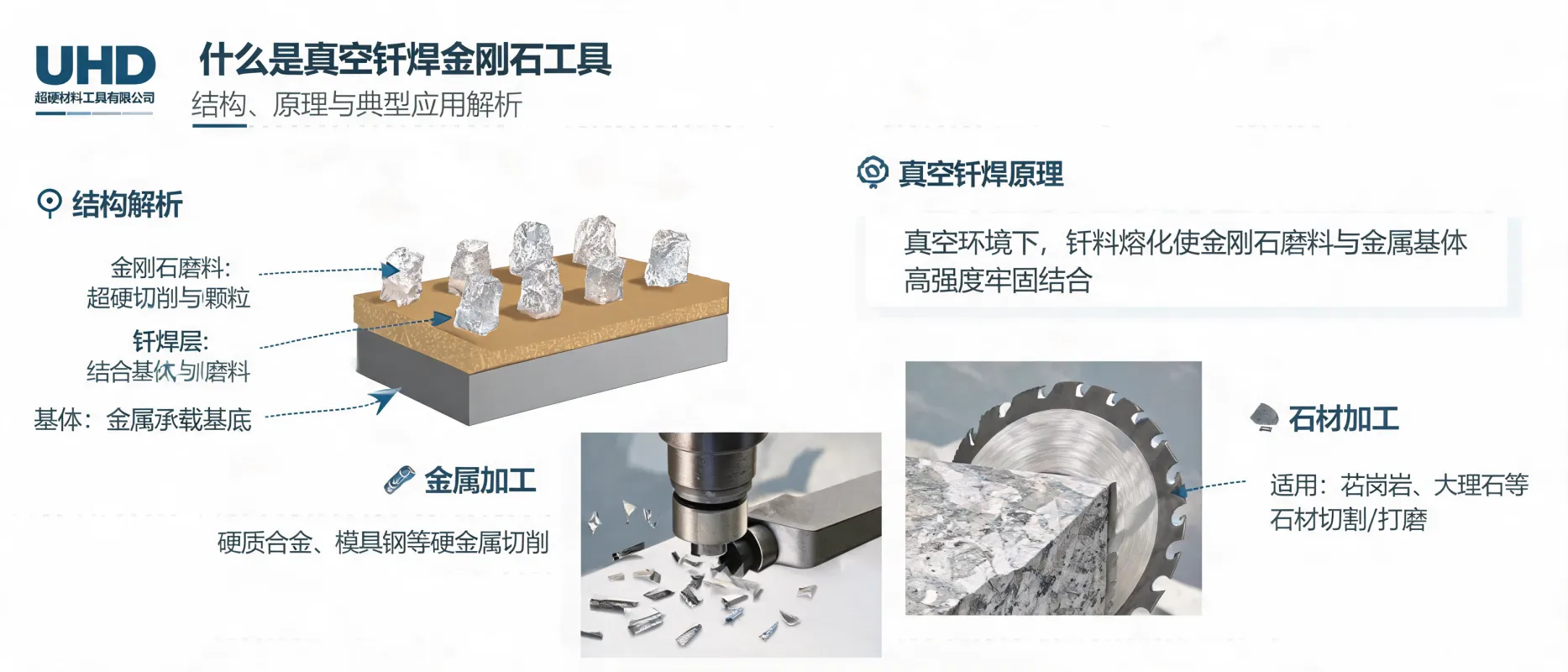
A vacuum brazed diamond cutting abrasive is characterized by diamond grit that is metallurgically bonded to a tool substrate through a brazing filler alloy under vacuum conditions. In practical terms, the bonding approach is designed to:
Because bond and grain exposure are central to performance, vacuum brazed diamond products are typically assessed not only by grit selection, but also by the brazing quality, surface consistency, and suitability for the intended operating conditions.
Often related to grain exposure, grit selection, and the tool’s ability to maintain sharp cutting points. Efficiency should be reviewed under the same workpiece and operating method used in production.
Focus on how the abrasive surface wears over time and whether cutting behavior remains stable. Look for controlled wear rather than sudden performance drops.
Evaluate consistency of brazed grain distribution, bonding continuity, and resistance to grain shedding during heavy load conditions.
Assess fit with your machine type, spindle power, tool holder interface, coolant strategy (dry/wet), and allowable vibration/runout limits.
Vacuum brazed diamond cutting abrasives are commonly selected for industrial cutting and grinding operations involving hard and/or abrasive materials. Selection should be based on the workpiece’s characteristics and the required output (surface finish, throughput, edge integrity, or profile accuracy).
Engineering note: Diamond abrasives are typically applied to non-ferrous and brittle/hard materials. If your application includes ferrous alloys or heat-sensitive conditions, confirm suitability with a technical review to avoid mismatch between abrasive type and workpiece behavior.
For vacuum brazed diamond tools, performance is strongly influenced by how the tool is run. When comparing options, keep the test conditions aligned with production.
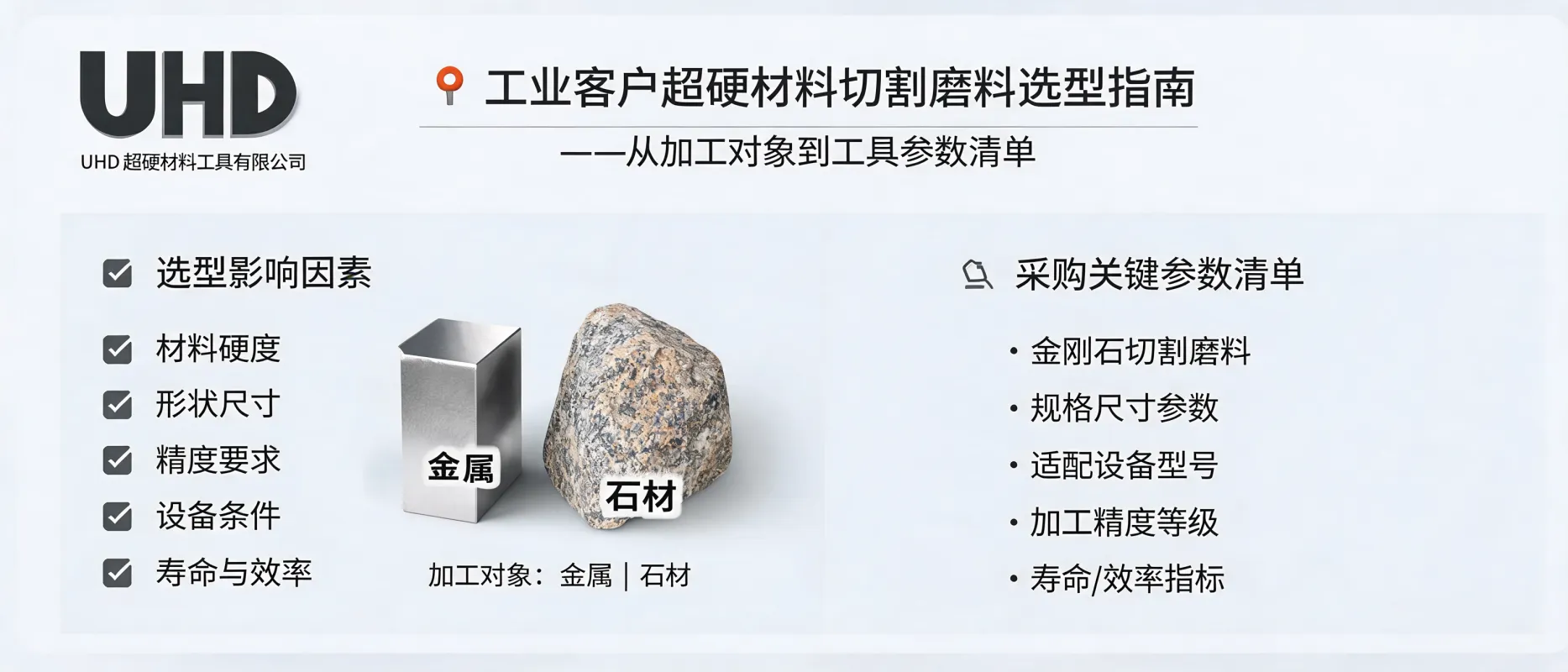
For industrial procurement, “best” is the product that meets your process requirements with verifiable, repeatable performance under your operating conditions. UHD recommends using a structured evaluation to compare vacuum brazed diamond cutting abrasives across suppliers and batches.
UHD (Henan UHD Ultrahard Tools Co., Ltd) focuses on R&D and manufacturing of ultrahard material tools and provides B2B-oriented support for product selection and application matching. With a quality-first approach and ongoing collaboration with academic research resources, UHD aims to help buyers evaluate vacuum brazed diamond cutting abrasives based on practical criteria aligned to real production needs.
Workpiece: material type/grade, size, hardness/abrasiveness notes.
Process: operation goal, cycle time expectation, finish/tolerance target.
Machine: model, spindle power, runout, clamping/fixture method.
Operating mode: dry/wet, coolant type, dust control constraints.
UHD Ultrahard Tools Co., Ltd provides vacuum brazed diamond cutting abrasives for industrial cutting and grinding. The most reliable selection approach is to align bonding method, cutting efficiency, wear behavior, and operating conditions with your specific process requirements, then verify results through documented trials.
.png?x-oss-process=image/resize,h_800,m_lfit/format,webp)
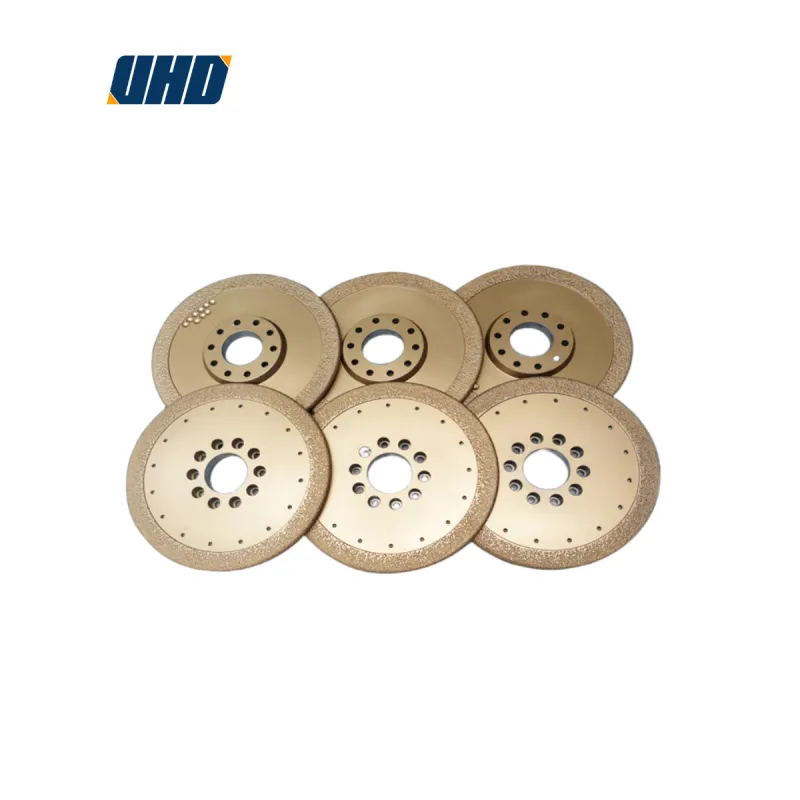
 88
|
88
|
 UHD Ultrahard Tools Co., Ltd
ultrahard material tool trends
industrial machining tools
vacuum brazed diamond tools
customized tool solutions
498
|
UHD Ultrahard Tools Co., Ltd
vacuum brazing process
vacuum brazed diamond tools
high-intensity working conditions
diamond grit bonding strength
267
|
UHD Ultrahard Tools Co., Ltd
custom brazed diamond abrasives
industrial machining case study
parameter matching
solution design
293
|
UHD Ultrahard Tools Co., Ltd
ultrahard material tools procurement
pre-purchase checklist
application condition verification
specification and quality requirements
412
|
UHD Ultrahard Tools Co., Ltd
vacuum brazed diamond cutting abrasive
ultrahard tools
product definition
B2B selection
UHD Ultrahard Tools Co., Ltd
ultrahard material tool trends
industrial machining tools
vacuum brazed diamond tools
customized tool solutions
498
|
UHD Ultrahard Tools Co., Ltd
vacuum brazing process
vacuum brazed diamond tools
high-intensity working conditions
diamond grit bonding strength
267
|
UHD Ultrahard Tools Co., Ltd
custom brazed diamond abrasives
industrial machining case study
parameter matching
solution design
293
|
UHD Ultrahard Tools Co., Ltd
ultrahard material tools procurement
pre-purchase checklist
application condition verification
specification and quality requirements
412
|
UHD Ultrahard Tools Co., Ltd
vacuum brazed diamond cutting abrasive
ultrahard tools
product definition
B2B selection




.png?x-oss-process=image/resize,h_100,m_lfit/format,webp)
.png?x-oss-process=image/resize,h_100,m_lfit/format,webp)
.png?x-oss-process=image/resize,h_100,m_lfit/format,webp)