

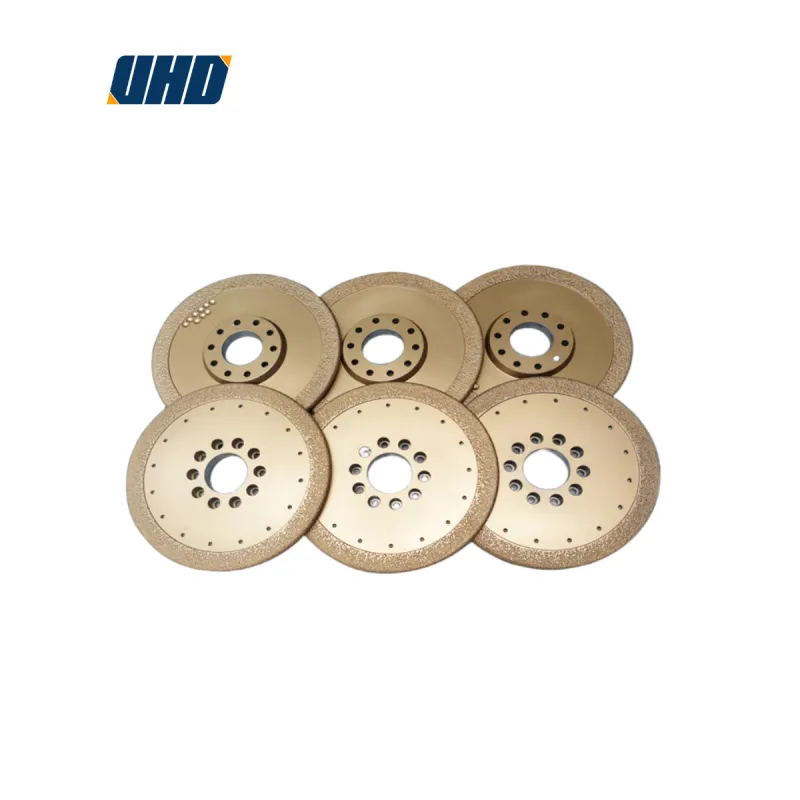
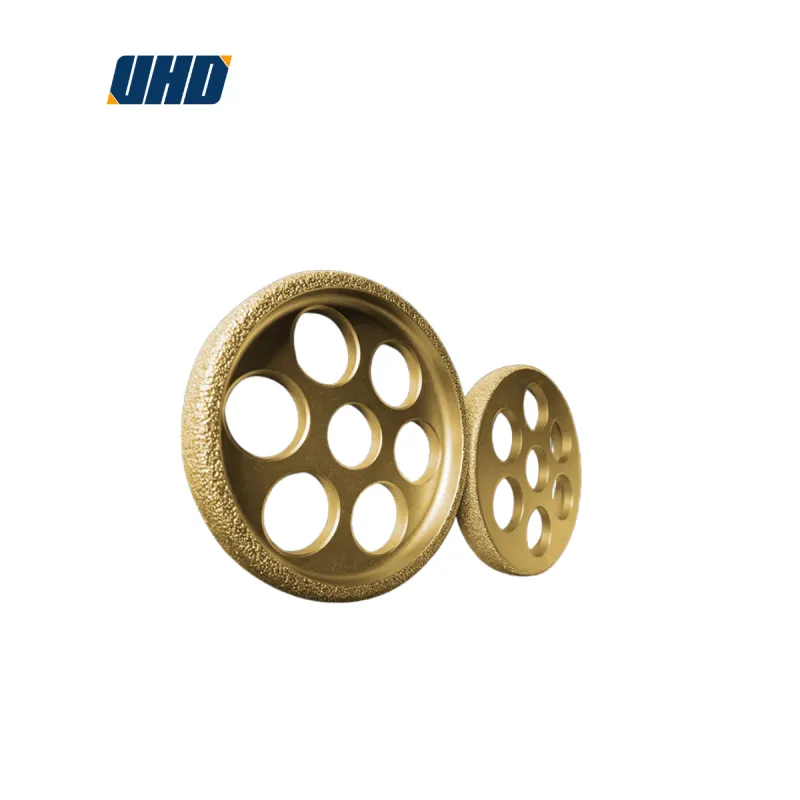
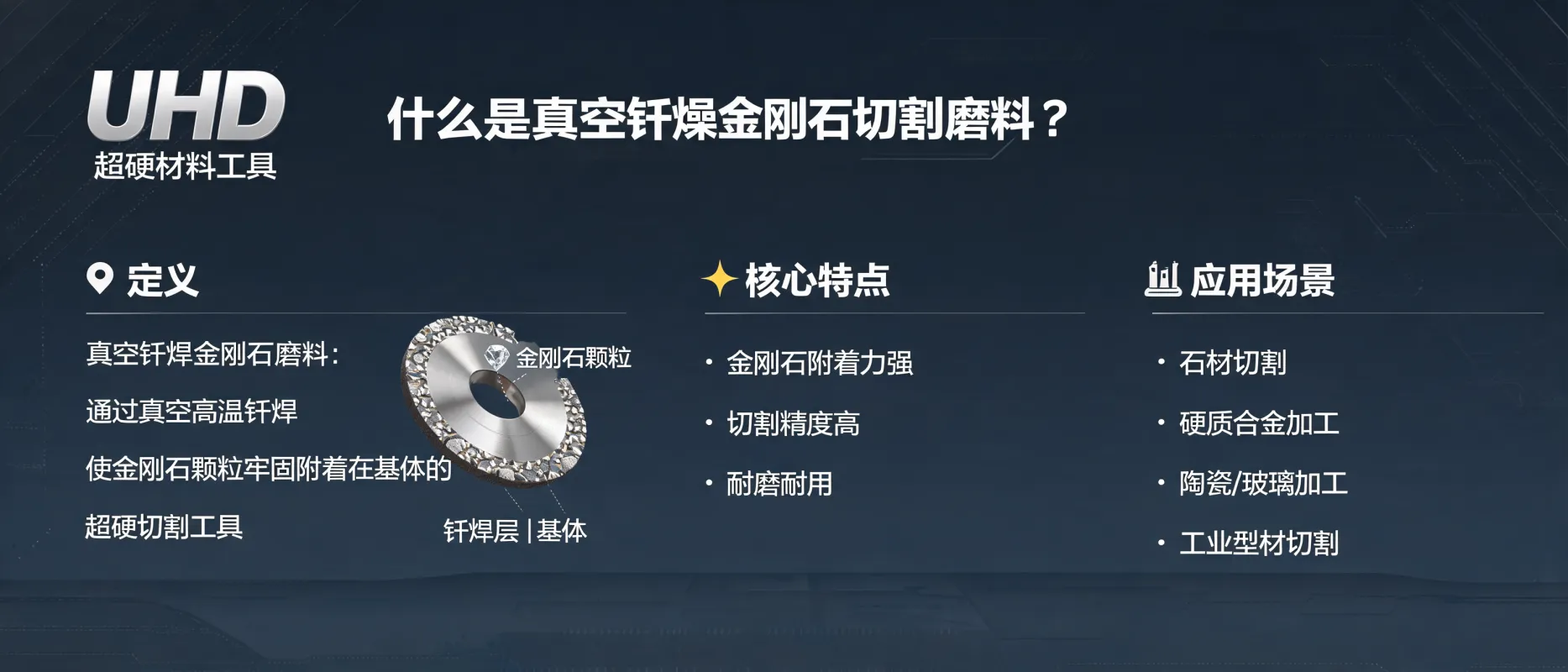
Selecting vacuum brazed diamond cutting abrasives for industrial production is not only about “diamond is harder.” Real performance depends on workpiece material compatibility, process requirements, cutting efficiency, durability/wear life, and application scenario fit. This page provides a practical, procurement-oriented guide to help reduce selection risk and improve decision speed—based on UHD Ultrahard Tools Co., Ltd’s experience in ultrahard tooling R&D and manufacturing.
Best for: industrial buyers and engineers selecting vacuum brazed diamond cutting abrasives for metalworking and stone processing, where stable output, predictable wear, and process fit matter.
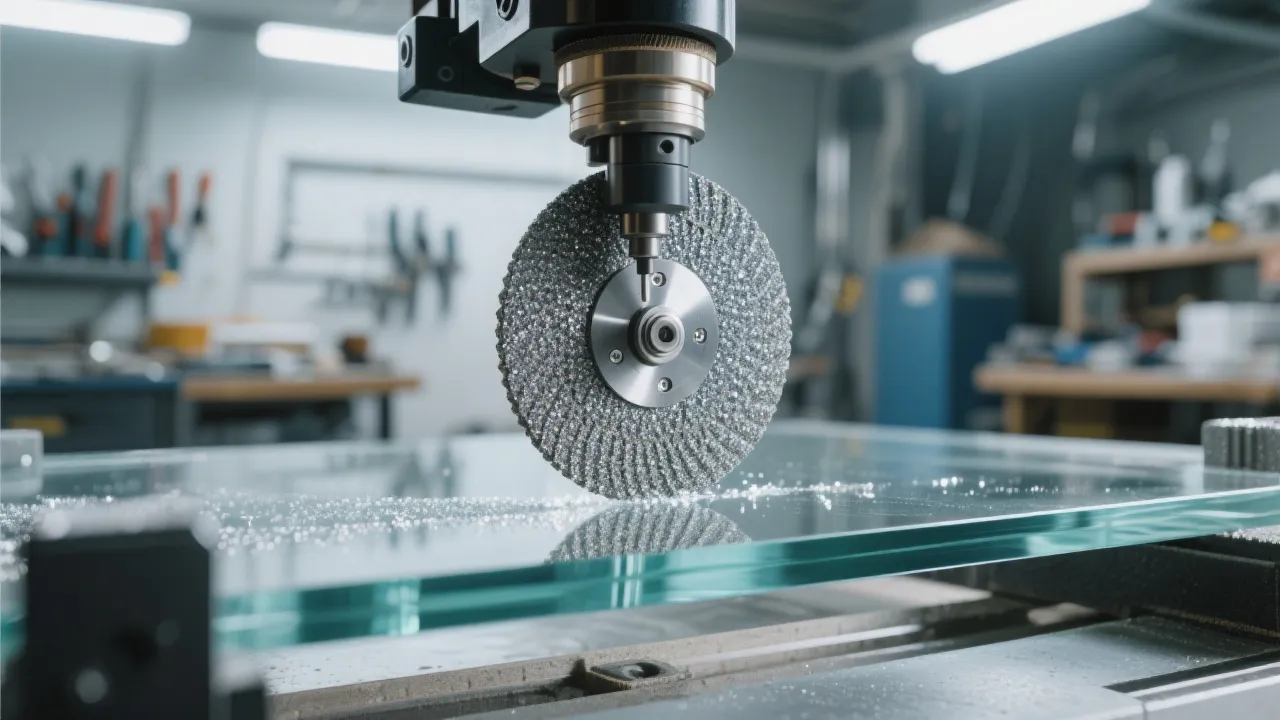
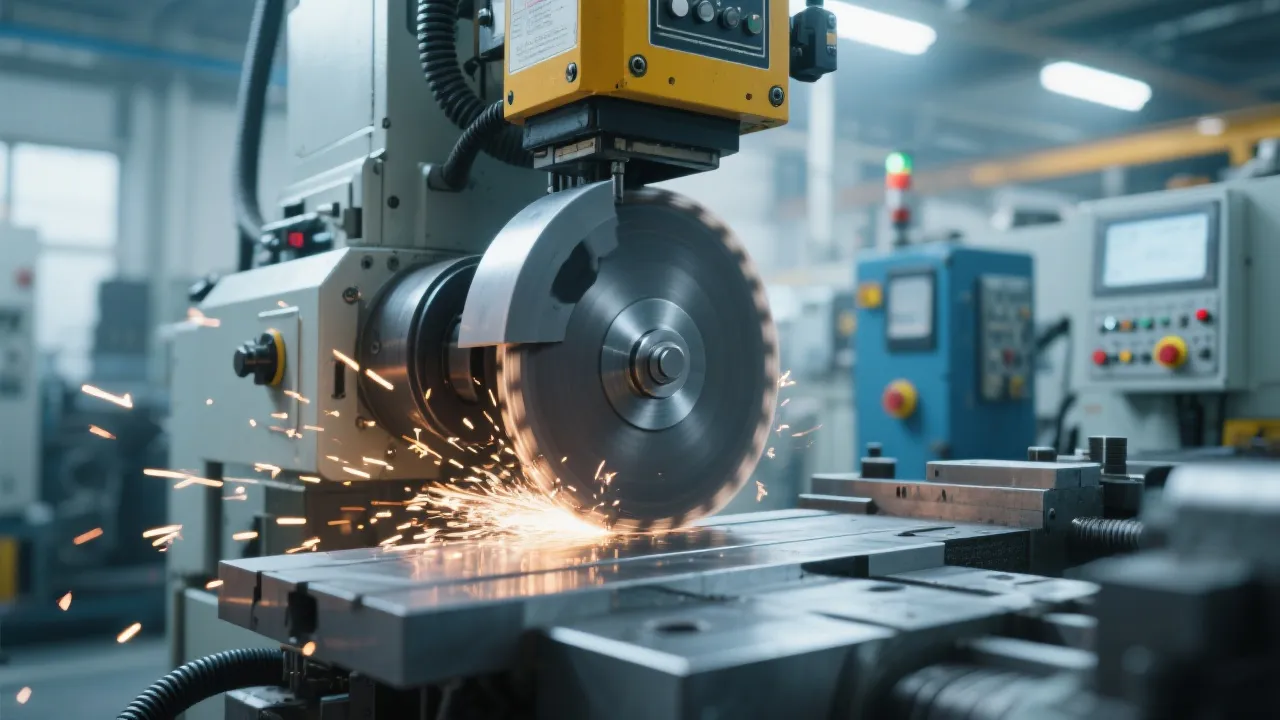
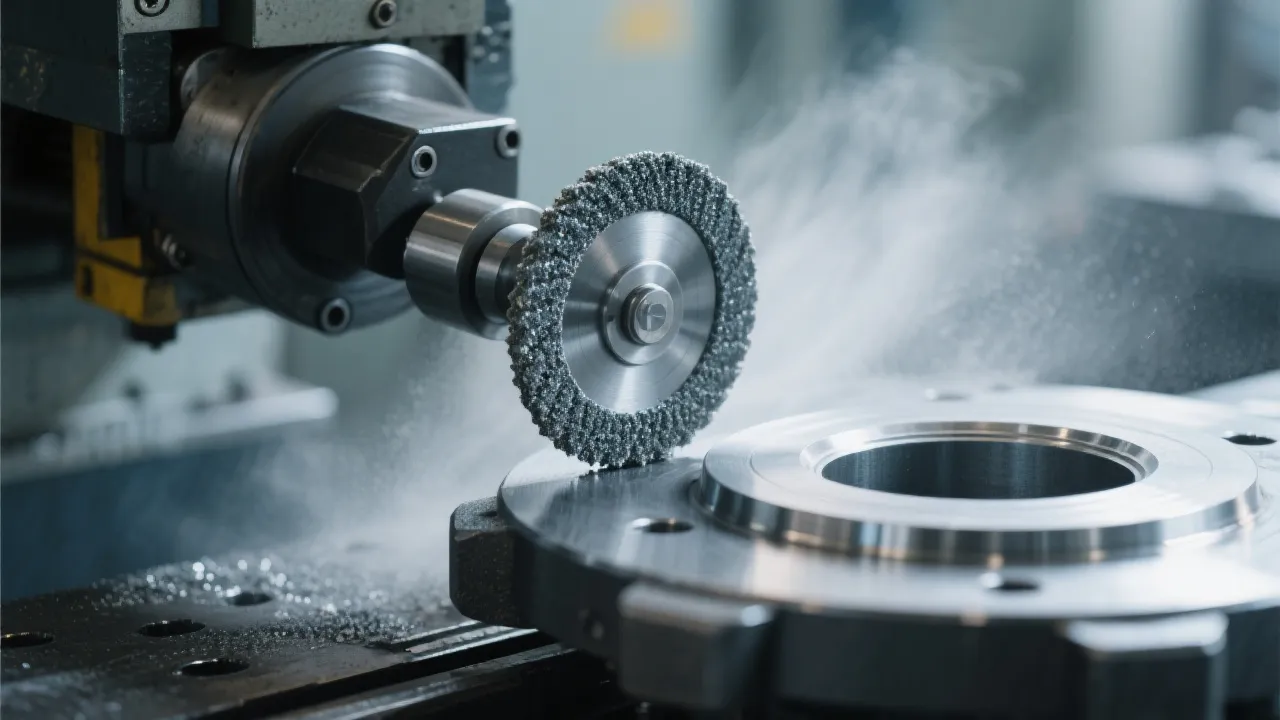
The fastest way to narrow options is to define the workpiece material and its behavior under cutting/grinding. Vacuum brazed diamond tools are commonly selected when you need strong grain retention and aggressive cutting on challenging surfaces, but the match between abrasive structure and material still determines stability.
Purchasing decisions become safer when you translate “good performance” into process language. Before comparing suppliers or SKUs, align on the requirements below:
Cutting, slotting, profiling, deburring, grinding, or surface conditioning—each demands different aggressiveness and stability.
Surface finish tolerance, edge integrity, and dimensional control requirements determine how “coarse vs. controlled” your abrasive should be.
Machine power, spindle speed range, coolant availability, fixture rigidity, and duty cycle directly affect tool choice and expected wear behavior.
“Efficiency” should be evaluated as removal rate + controllability, not speed alone. When comparing vacuum brazed diamond cutting abrasives, verify performance through conditions that reflect your production reality.
Procurement tip: When asking for a recommendation, provide your workpiece material, operation type, machine RPM range, wet/dry condition, and the pain point (slow cutting, fast wear, burn, chipping). This enables a more accurate selection and reduces trial-and-error.
For industrial buyers, durability is about predictable wear and manageable cost per part. Vacuum brazing typically improves grain retention, but wear life still depends on how well the tool is matched to the application and run conditions.
Industrial selection becomes straightforward when you define the scenario and constraints. UHD commonly supports customers in aligning vacuum brazed diamond cutting abrasives with real production needs—especially where “one tool fits all” leads to unstable results.
If standard options cannot meet both efficiency and stability, customization can help align the abrasive configuration with your process window.
UHD Ultrahard Tools Co., Ltd (UHD) focuses on ultrahard material tools, including vacuum brazed diamond abrasives, serving industrial customers in metalworking and stone processing. With an innovation-driven approach and quality-oriented manufacturing, UHD works to provide practical selection support—from clarifying process needs to recommending application-fit configurations—helping buyers make more confident procurement decisions.
Providing these details allows UHD’s team to align tool selection with your real process window and application scenario, rather than offering generic recommendations.
A reliable vacuum brazed diamond cutting abrasive selection is built on clear inputs: material, process, efficiency target, durability expectation, and scenario constraints. When these are defined, procurement becomes faster, safer, and easier to standardize.
.png?x-oss-process=image/resize,h_800,m_lfit/format,webp)

 63
|
63
|
 UHD Ultrahard Tools Co., Ltd
vacuum brazed diamond cutting abrasive
ultrahard tools
cutting efficiency
industrial processing applications
468
|
vacuum brazed diamond grinding wheel
automotive parts machining
ductile iron grinding wheel
customized industrial cutting tools
green eco-friendly grinding wheels
65
|
curved profile design
diamond grinding wheel impact resistance
FEA stress distribution
coolant flow optimization
thermal management in grinding
271
|
UHD Ultrahard Tools Co., Ltd
vacuum brazed diamond cutting abrasives
superhard tools
performance features
industrial cutting and machining applications
206
|
gray cast iron grinding disc size
diamond grinding wheel diameter 100-180mm
100mm 125mm diamond disc for internal grinding
150mm 180mm diamond disc for deburring
grinding efficiency cast iron optimization
UHD Ultrahard Tools Co., Ltd
vacuum brazed diamond cutting abrasive
ultrahard tools
cutting efficiency
industrial processing applications
468
|
vacuum brazed diamond grinding wheel
automotive parts machining
ductile iron grinding wheel
customized industrial cutting tools
green eco-friendly grinding wheels
65
|
curved profile design
diamond grinding wheel impact resistance
FEA stress distribution
coolant flow optimization
thermal management in grinding
271
|
UHD Ultrahard Tools Co., Ltd
vacuum brazed diamond cutting abrasives
superhard tools
performance features
industrial cutting and machining applications
206
|
gray cast iron grinding disc size
diamond grinding wheel diameter 100-180mm
100mm 125mm diamond disc for internal grinding
150mm 180mm diamond disc for deburring
grinding efficiency cast iron optimization





.png?x-oss-process=image/resize,h_100,m_lfit/format,webp)
.png?x-oss-process=image/resize,h_100,m_lfit/format,webp)
.png?x-oss-process=image/resize,h_100,m_lfit/format,webp)