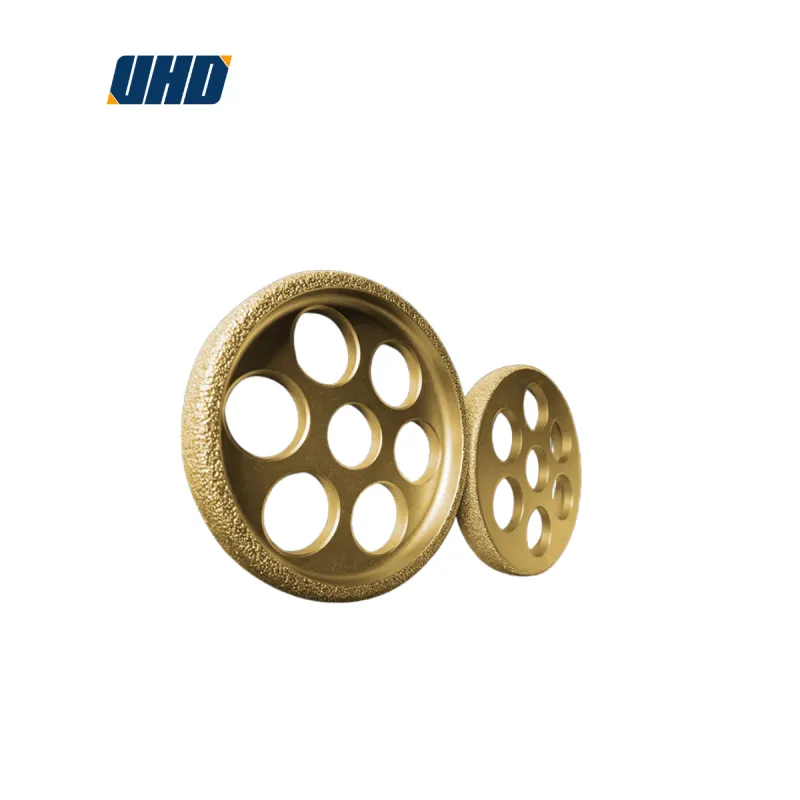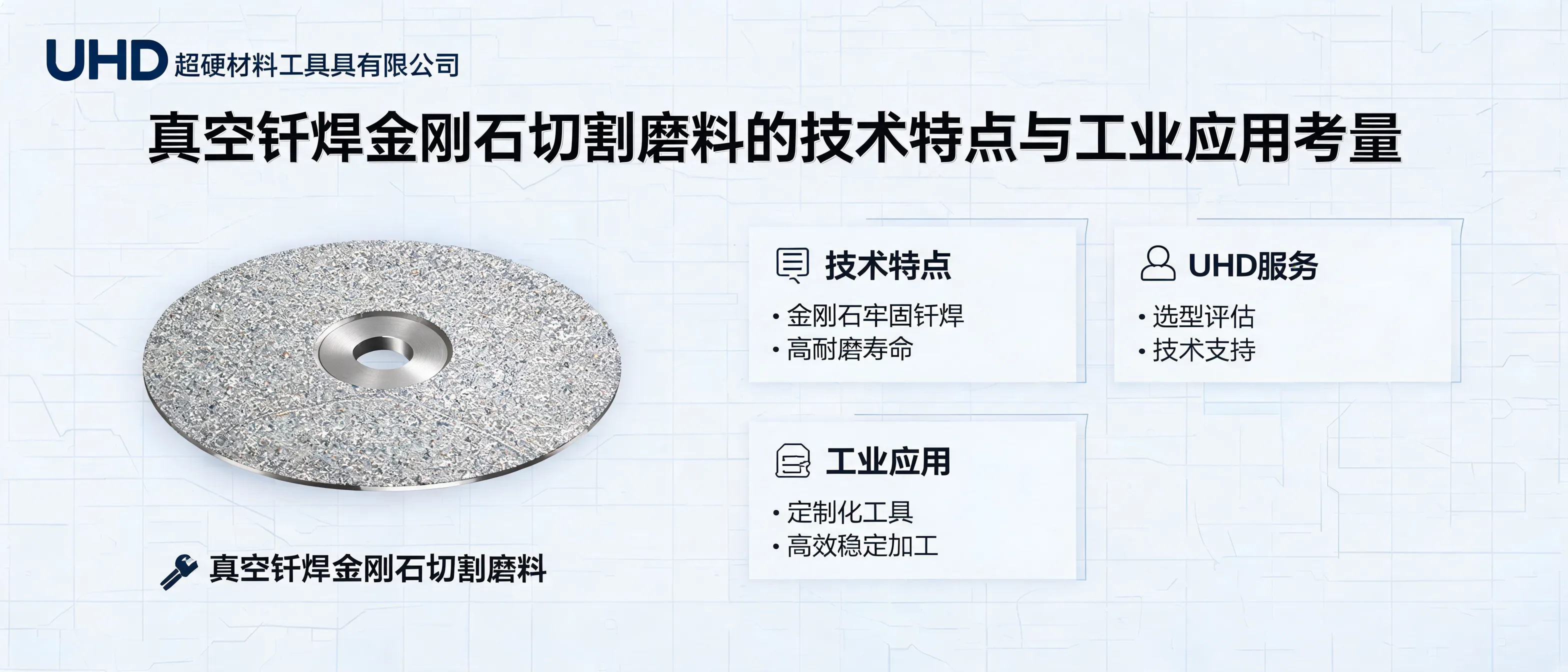
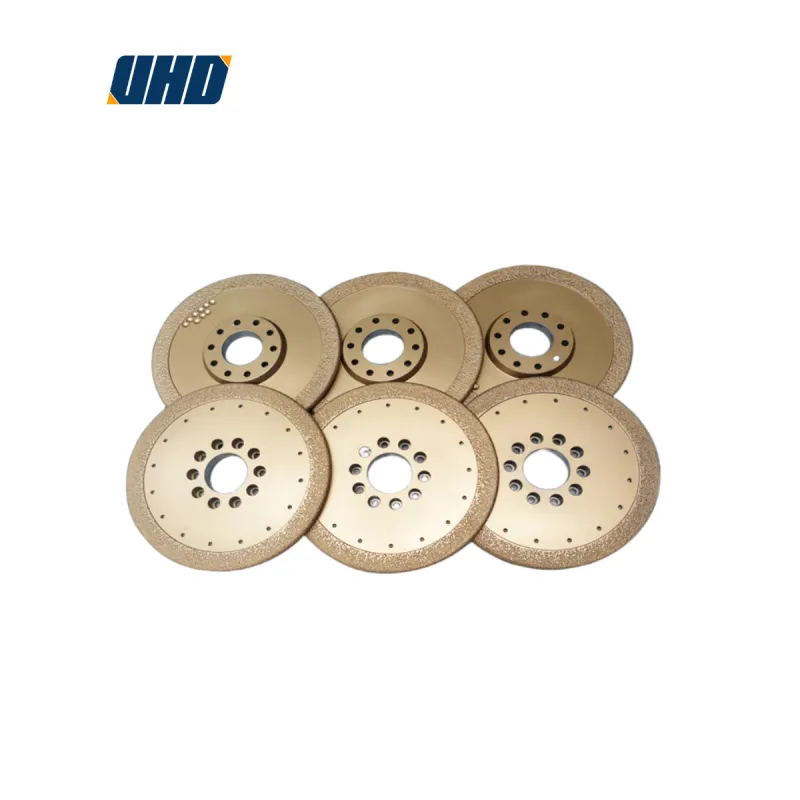
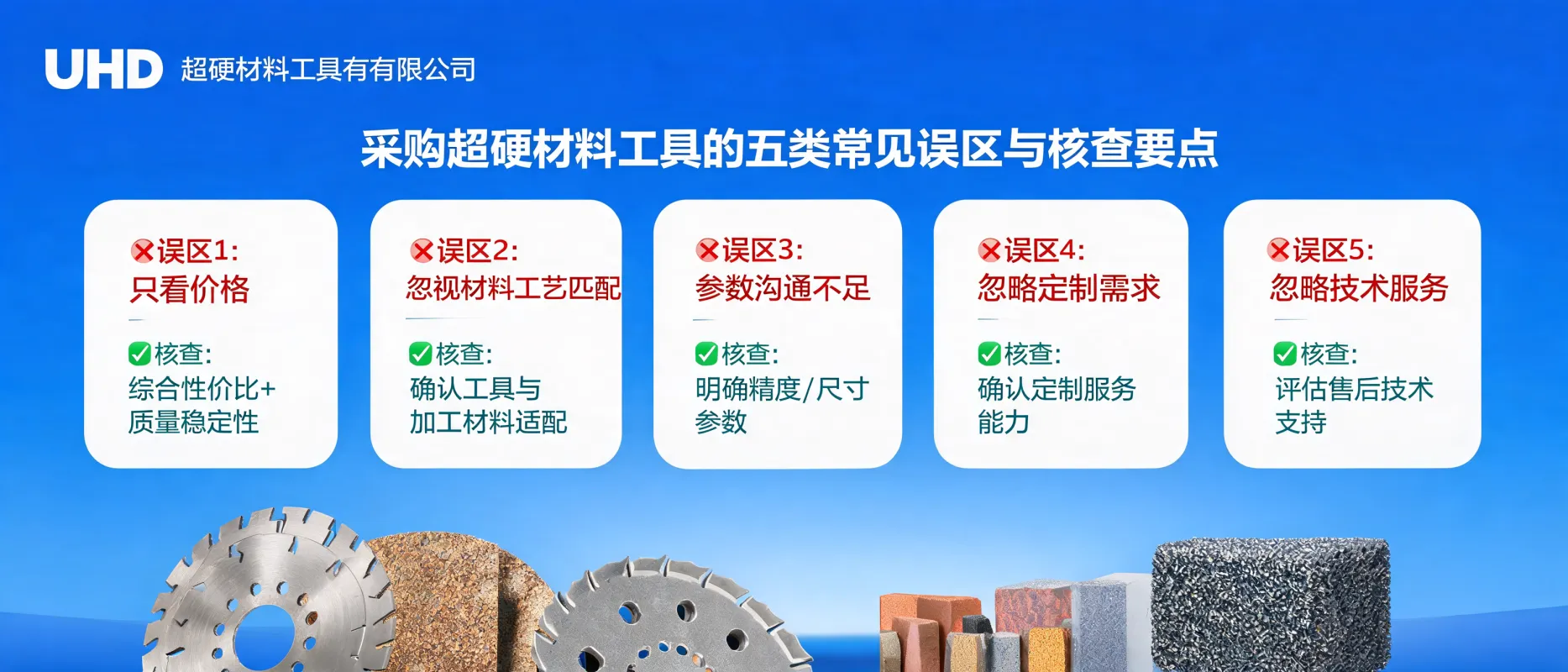
Vacuum brazed diamond cutting abrasives are widely used in industrial metal and stone processing where stable cutting/grinding performance and process matching matter. This page from UHD Ultrahard Tools Co., Ltd outlines the core technical features, the design logic behind vacuum brazed structures, and practical selection considerations for B2B procurement—especially when you need customization fit, efficiency, and dependable supplier engineering support.
What you can evaluate here
UHD focus
UHD is a high-tech manufacturer specialized in ultrahard material tools, including vacuum brazed diamond cutting abrasives, serving industrial buyers with product development, manufacturing, and B2B-oriented technical communication.
“Vacuum brazed” typically refers to a manufacturing approach where diamond abrasive particles are metallurgically bonded to a tool body under vacuum conditions. In industrial selection, the key point is not the label itself, but how the brazed abrasive layer and tool structure are designed to match the target material and the machine’s working conditions.
Why design logic matters for B2B buyers
The same “vacuum brazed diamond” category can behave very differently depending on abrasive size distribution, layer pattern, tool geometry, and intended cutting/grinding mode. Procurement decisions should link tool structure to your process route, tolerance needs, and equipment constraints.
Check how diamonds are distributed and exposed on the working surface. Layer pattern influences chip evacuation, contact area, and cutting smoothness, which affects both efficiency and surface behavior in real production.
Vacuum brazed tools are often chosen for demanding thermal conditions. Evaluate how the supplier addresses heat dissipation, thermal stability, and bonding consistency relative to your duty cycle and coolant/dry process.
For industrial procurement, stability is usually more valuable than peak performance. Review expected wear mode (gradual dulling vs. local failure), consistency across batches, and suitability for continuous operation.
Tool body design (profile, thickness, runout sensitivity, mounting interface) must match the machine spindle/fixture. Proper fit improves stability and reduces the risk of vibration-driven performance loss.
Use the following checklist to evaluate whether a vacuum brazed diamond cutting abrasive matches your application and whether the supplier can support implementation at scale.
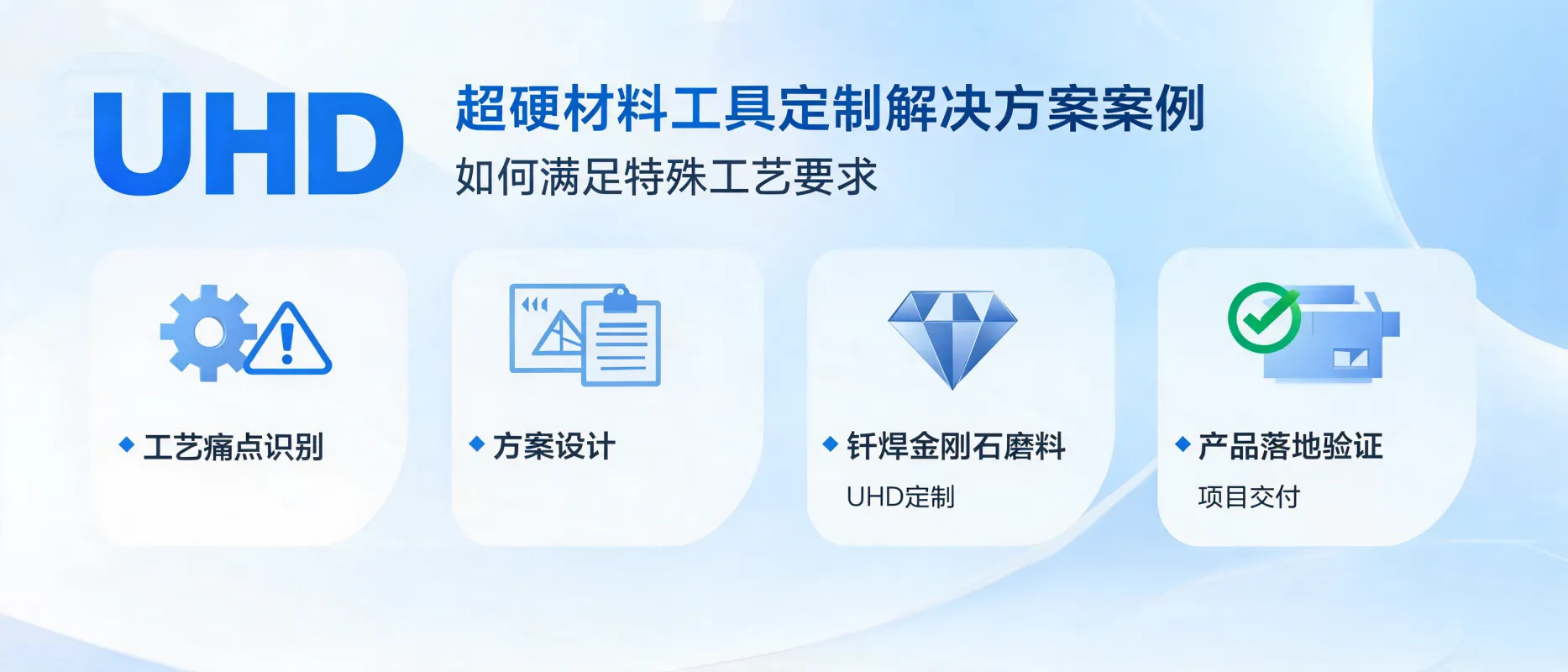
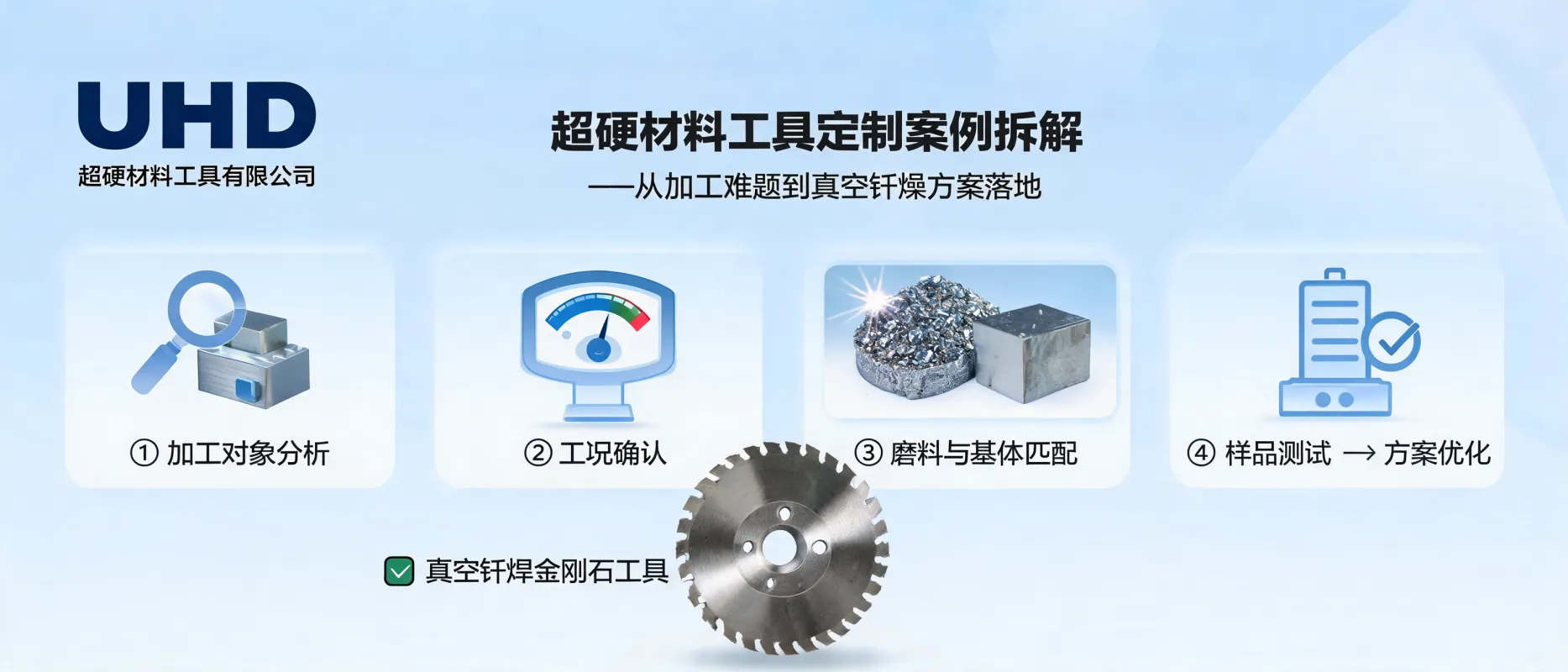
Vacuum brazed diamond cutting abrasives are often specified by application. To help UHD evaluate feasibility and recommend a suitable structure, prepare the following information for technical alignment:
If you have drawings, photos of the current tool, and a brief description of the failure mode (e.g., rapid dulling, local chipping, overheating marks), it can significantly improve the efficiency of the engineering review.
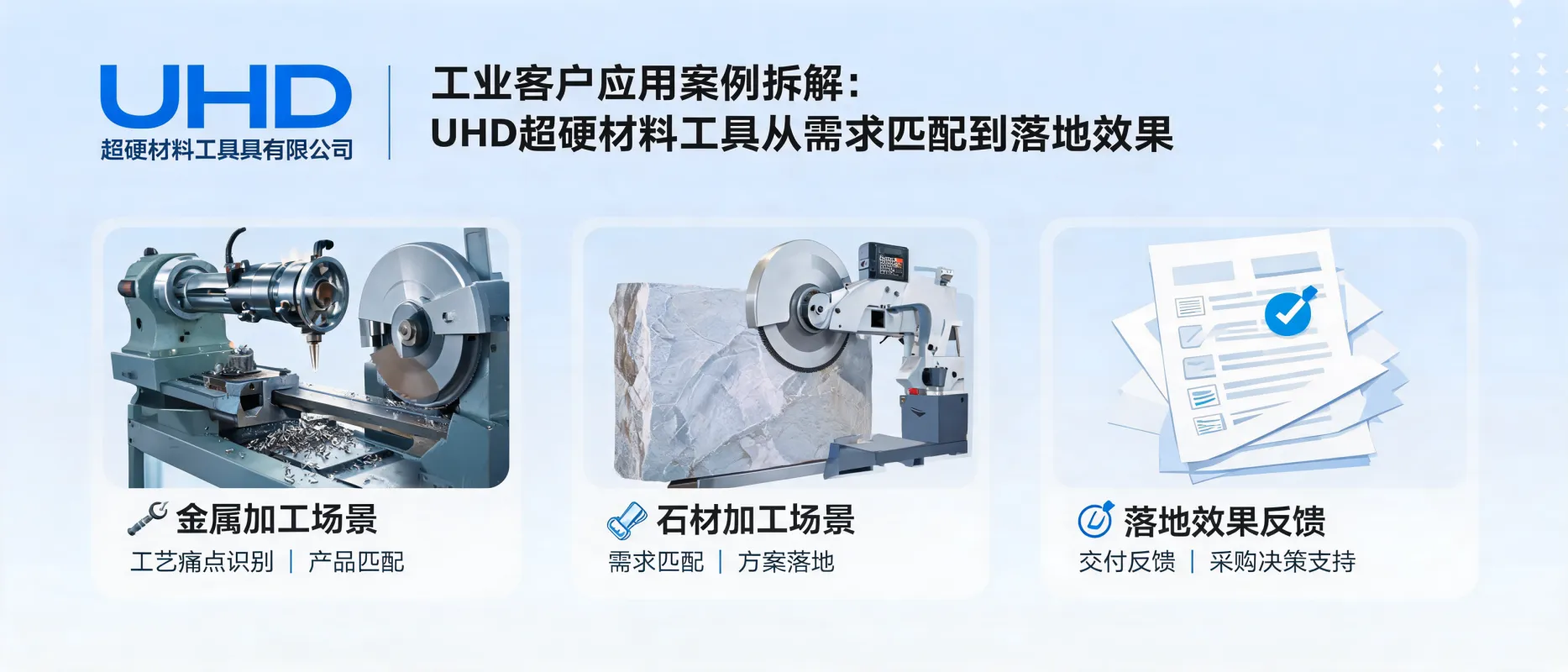
UHD’s vacuum brazed diamond cutting abrasives are positioned for industrial processing environments where ultrahard tooling is required. Common contexts include:
Actual suitability depends on your target material, machine condition, and process parameters; selection is best finalized through technical confirmation and trial validation.
UHD Ultrahard Tools Co., Ltd develops and manufactures ultrahard tooling with a quality-first mindset and an innovation-driven R&D approach. Through established B2B trade workflows and technical communication, UHD supports industrial buyers in aligning vacuum brazed diamond cutting abrasive designs with the realities of production—material behavior, equipment constraints, and process consistency.
.png?x-oss-process=image/resize,h_800,m_lfit/format,webp)
 440
|
440
|
 UHD Ultrahard Tools Co., Ltd
vacuum brazed diamond tools
diamond abrasive bonding
superhard tools
metalworking and stone processing
305
|
UHD Ultrahard Tools Co., Ltd
industrial application case
ultrahard material tools
requirement matching
solution implementation
332
|
UHD Ultrahard Tools Co., Ltd
ultrahard tools purchasing
diamond tools procurement
supplier evaluation
process matching
435
|
UHD Ultrahard Tools Co., Ltd
stone processing application case
cutting efficiency improvement
machining consistency
ultrahard material tools
100
|
UHD Ultrahard Tools Co., Ltd
ultrahard material tools
industrial applications
machining stability
tool selection criteria
UHD Ultrahard Tools Co., Ltd
vacuum brazed diamond tools
diamond abrasive bonding
superhard tools
metalworking and stone processing
305
|
UHD Ultrahard Tools Co., Ltd
industrial application case
ultrahard material tools
requirement matching
solution implementation
332
|
UHD Ultrahard Tools Co., Ltd
ultrahard tools purchasing
diamond tools procurement
supplier evaluation
process matching
435
|
UHD Ultrahard Tools Co., Ltd
stone processing application case
cutting efficiency improvement
machining consistency
ultrahard material tools
100
|
UHD Ultrahard Tools Co., Ltd
ultrahard material tools
industrial applications
machining stability
tool selection criteria



.png?x-oss-process=image/resize,h_100,m_lfit/format,webp)
.png?x-oss-process=image/resize,h_100,m_lfit/format,webp)
.png?x-oss-process=image/resize,h_100,m_lfit/format,webp)