

Vacuum brazed diamond cutting tools are a category of superhard tools designed for demanding cutting and grinding tasks where grit retention and stable cutting behavior matter. This page explains the basic definition, typical structure, key process features of vacuum brazing, and where these tools fit best—especially in metalworking and stone processing. It is a knowledge resource by UHD Ultrahard Tools Co., Ltd, focusing on application suitability and value boundaries rather than pricing or model-by-model comparisons.
Practical boundary: The information below helps you judge fit vs. non-fit for typical cutting scenarios. It does not provide pricing, purchasing advice, or performance guarantees tied to a specific job condition.
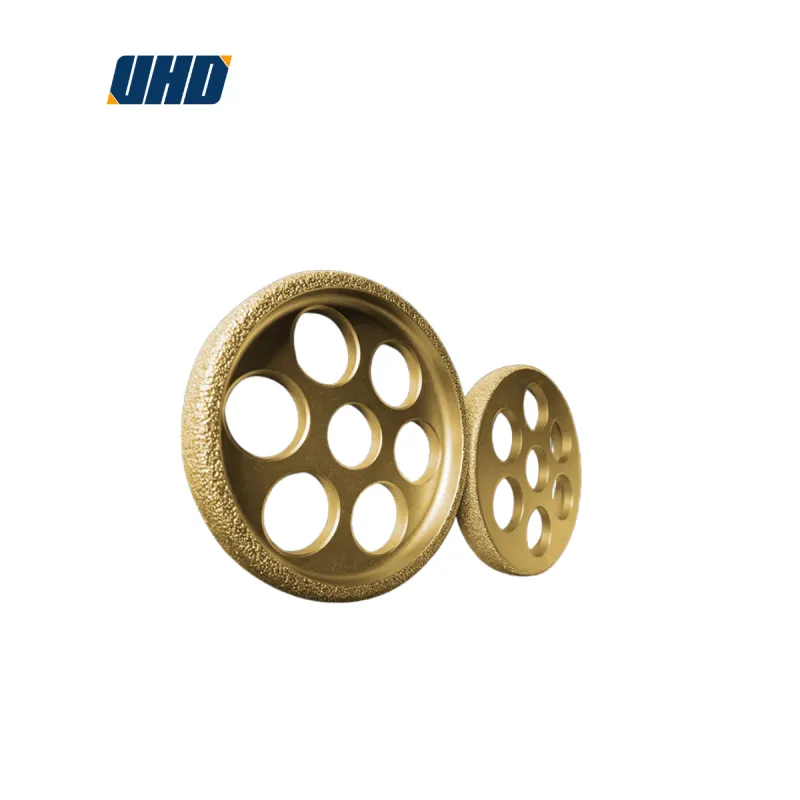
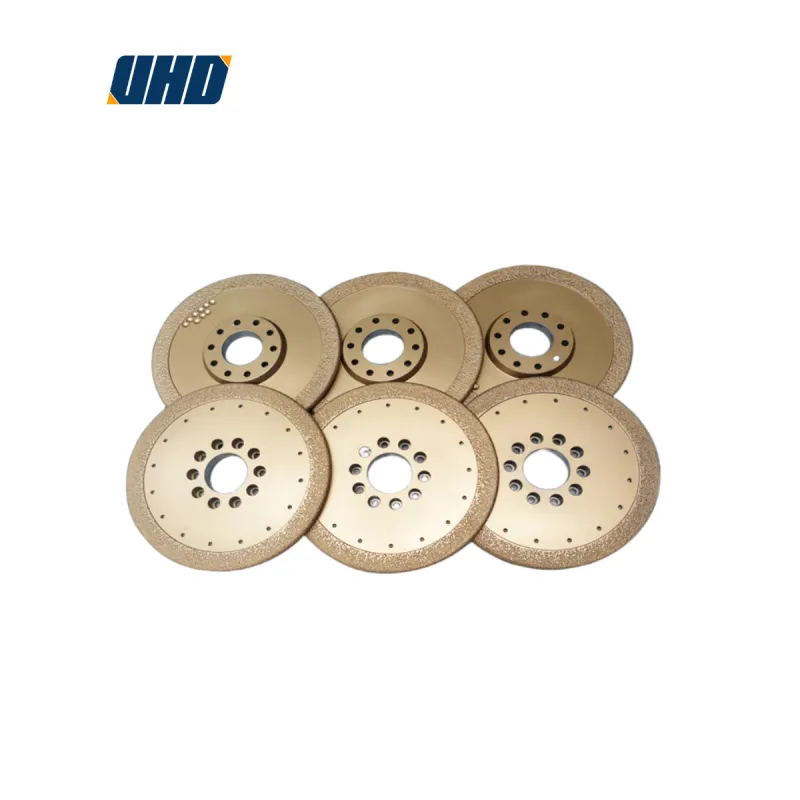
A vacuum brazed diamond cutting tool is a tool that uses diamond abrasives as the cutting media, with the diamond particles brazed to a tool body using a filler metal under vacuum conditions. Compared with conventional resin-bond or electroplated styles, vacuum brazing is often selected when users need strong particle anchoring and a cutting layer that can maintain integrity under more aggressive cutting contact.
In simple terms: diamond grit does the cutting; vacuum brazing is the joining method that locks the grit to the tool surface with a metallic bond under controlled atmosphere.
While exact designs vary by tool type (e.g., wheels, cups, drills, blades), the structure is commonly described as three functional parts:
The diamond grit provides the cutting points. Depending on the application, grit size and distribution are chosen to balance cutting aggressiveness, surface finish expectations, and tool stability.
A brazed metal bond joins the diamond to the substrate. Its role is to provide mechanical holding strength and maintain grit stability under cutting forces and heat.
The tool body supports the cutting layer and connects to the machine (angle grinder, CNC, handheld tools, etc.). Body stiffness, balance, and geometry influence vibration control and cut stability.
Why structure matters: in vacuum brazed diamond cutting tools, cutting behavior is not only about the diamond grit—it is also about how securely the grit is joined (bond) and how stable the base is (body).
Vacuum brazing is a controlled joining process carried out in a vacuum environment. The tool body, diamond grit, and brazing filler are heated to a temperature where the filler melts and wets the interfaces, then cooled to form a stable joint. Key features that are commonly associated with the process include:
Note on performance factors: actual results depend on workpiece material, machine power and rigidity, coolant strategy, feed/speed settings, operator method, and tool geometry. These variables should be validated under your real production conditions.
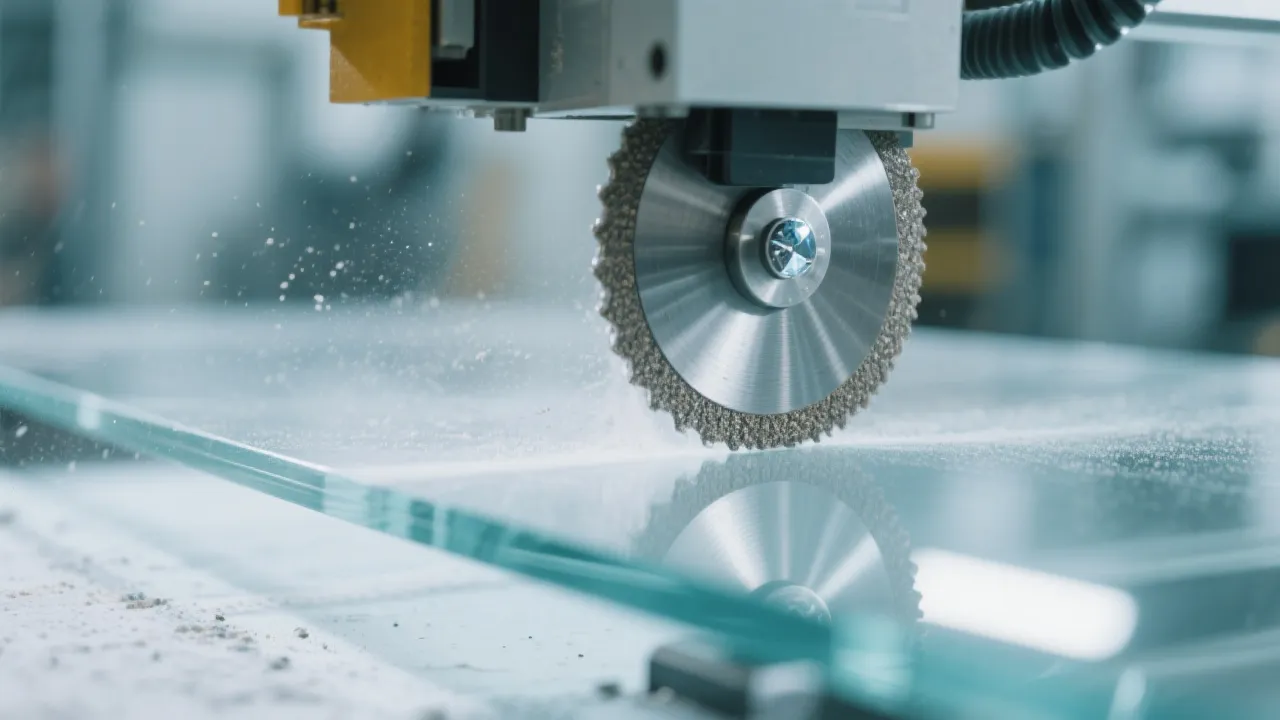
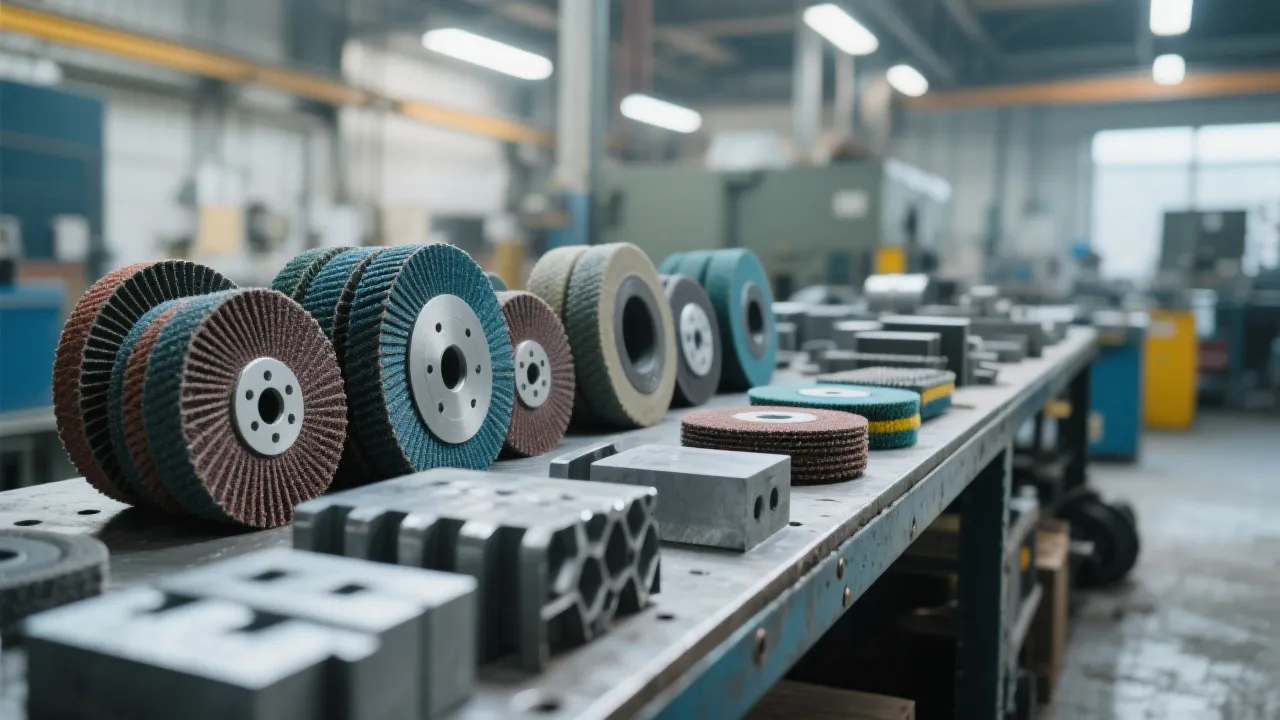
Vacuum brazed diamond cutting tools are often considered when you need reliable abrasive retention and steady cutting behavior in challenging materials or processes. Typical use cases include:
UHD Ultrahard Tools Co., Ltd (Henan UHD Ultrahard Tools) develops and manufactures superhard tooling, including vacuum brazed diamond abrasives and cutting tools, serving industrial B2B customers in metalworking and stone processing. UHD emphasizes application-driven positioning—matching each tool to specific process requirements—and supports customers with technical communication for appropriate tool selection within clear value boundaries.
With these inputs, a vacuum brazed diamond cutting tool configuration can be evaluated for suitability and limitations in a transparent, engineering-led way.
.png?x-oss-process=image/resize,h_800,m_lfit/format,webp)

 468
|
468
|
 vacuum brazed diamond grinding wheel
automotive parts machining
ductile iron grinding wheel
customized industrial cutting tools
green eco-friendly grinding wheels
404
|
UHD Ultrahard Tools Co., Ltd
ultrahard material tools
metalworking tool selection guide
wear resistance in cutting tools
industrial procurement decision
208
|
gray cast iron grinding disc size
diamond grinding wheel diameter 100-180mm
100mm 125mm diamond disc for internal grinding
150mm 180mm diamond disc for deburring
grinding efficiency cast iron optimization
35
|
brazed diamond grinding wheel
diamond wheel brazing process
stainless steel grinding solution
brazing filler alloy selection
diamond grit retention strength
460
|
gray cast iron grinding wheel selection
vacuum brazed diamond grinding wheel
diamond wheel grit size for cast iron
low dust cast iron grinding
CE compliance grinding tools
vacuum brazed diamond grinding wheel
automotive parts machining
ductile iron grinding wheel
customized industrial cutting tools
green eco-friendly grinding wheels
404
|
UHD Ultrahard Tools Co., Ltd
ultrahard material tools
metalworking tool selection guide
wear resistance in cutting tools
industrial procurement decision
208
|
gray cast iron grinding disc size
diamond grinding wheel diameter 100-180mm
100mm 125mm diamond disc for internal grinding
150mm 180mm diamond disc for deburring
grinding efficiency cast iron optimization
35
|
brazed diamond grinding wheel
diamond wheel brazing process
stainless steel grinding solution
brazing filler alloy selection
diamond grit retention strength
460
|
gray cast iron grinding wheel selection
vacuum brazed diamond grinding wheel
diamond wheel grit size for cast iron
low dust cast iron grinding
CE compliance grinding tools








.png?x-oss-process=image/resize,h_100,m_lfit/format,webp)
.png?x-oss-process=image/resize,h_100,m_lfit/format,webp)
.png?x-oss-process=image/resize,h_100,m_lfit/format,webp)